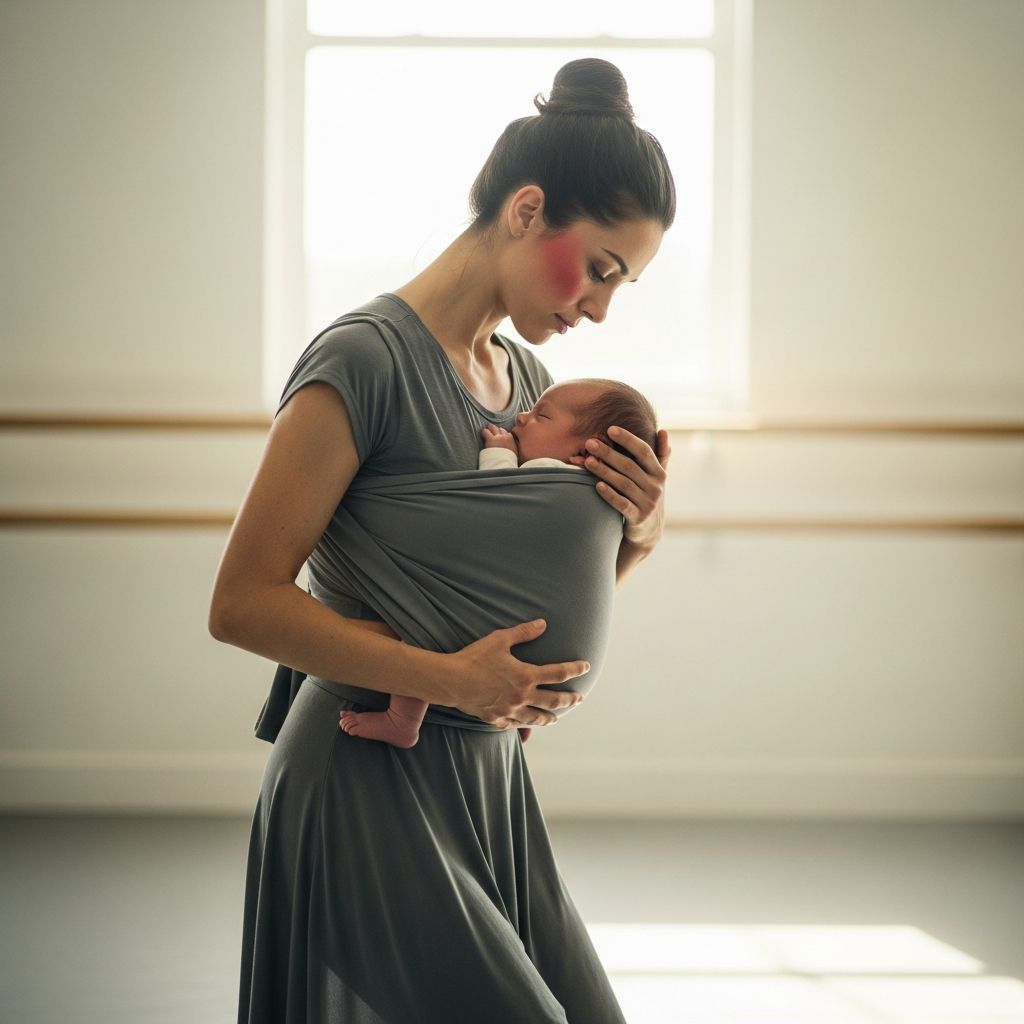
Becoming a mother transforms the body in profound ways, especially for professional dancers whose careers demand peak physical condition. Stars from Dancing with the Stars like Peta Murgatroyd have opened up about their postpartum experiences, highlighting the gap between societal expectations and actual recovery. These candid revelations offer new mothers validation and practical guidance on navigating this phase.
The Hidden Challenges of Postpartum Recovery
After giving birth, many women face unexpected physical changes. For Peta Murgatroyd, just eight days postpartum, her body still resembled five months pregnant, a reality she shared openly on social media. This honesty counters the myth that bodies “snap back” immediately, emphasizing that healing requires time, patience, and effort.
Professional dancers, accustomed to rigorous training, encounter unique hurdles. Their bodies, trained for precision and endurance, must adapt to hormonal shifts, diastasis recti, and pelvic floor recovery. Murgatroyd noted the resilience of the female body but stressed that strengthening post-birth is a gradual process. Such insights help demystify the journey for all new moms.
- Hormonal fluctuations: Progesterone and estrogen levels drop sharply, affecting energy and mood.
- Muscle separation: Abdominal walls often separate, impacting core strength.
- Pelvic floor strain: Supporting the baby’s weight weakens these muscles, leading to potential incontinence.
Body Image Pressures in the Spotlight
Public figures like dancers face amplified scrutiny. Murgatroyd’s Instagram post, captioned with love for her son Shai (born January 4), declared “#shaiiswortheverypound,” reframing extra weight as a testament to motherhood. This vulnerability resonated widely, sparking conversations about unrealistic standards.
Media often glorifies rapid recoveries, but experts affirm that full healing takes 6-12 months. The American College of Obstetricians and Gynecologists (ACOG) recommends waiting 4-6 weeks before resuming exercise, prioritizing mental health alongside physical. Dancers like Jenna Johnson have echoed this, discussing pressures to perform soon after birth.
| Common Myth | Reality |
|---|---|
| Abs return in weeks | Core rebuilding takes months |
| Weight loss is instant | Gradual with nutrition and movement |
| No pain means ready | Listen to body signals |
Building Strength: A Dancer’s Roadmap
Returning to dance requires strategic recovery. Murgatroyd advocated for “patience and hard work,” a mantra for sustainable progress. Start with gentle activities like walking and pelvic tilts, progressing to low-impact cardio.
Nutrition plays a pivotal role. Postpartum diets should include protein-rich foods, healthy fats, and fiber to support breastfeeding and energy. Hydration is crucial, especially for lactating mothers losing fluids daily.
- Weeks 1-6: Rest, light mobility, Kegels.
- Weeks 6-12: Introduce yoga, Pilates; consult physician.
- Month 3+: Gradual strength training, monitor for pain.
Dancers leverage their discipline here. Johnson shared performing while embracing changes, proving motherhood enhances resilience.
Mental Health: The Unsung Hero of Recovery
Physical changes intertwine with emotional ones. Postpartum anxiety affects 10-15% of women, per CDC data. Murgatroyd’s message of solidarity to “all the new mamas” fosters community, reducing isolation.
Mindfulness practices aid body acceptance. Journaling progress, celebrating non-scale victories like better sleep, builds confidence. Support networks, including partners like Murgatroyd’s fiancé Maksim Chmerkovskiy, are vital.
Practical Tips from Pros for Everyday Moms
Inspired by dancers’ stories, here are actionable steps:
- Invest in supportive gear: High-waisted leggings, postpartum binders.
- Track progress privately: Photos motivate without public pressure.
- Seek professional input: Pelvic floor therapists specialize in recovery.
- Prioritize sleep: Nap when baby naps to aid hormone balance.
These pros remind us: every body tells a unique story. Shai’s arrival made every pound worthwhile for Murgatroyd.
Long-Term Fitness: Sustaining the Dancer’s Edge
Beyond initial recovery, maintaining fitness prevents injury. Core-focused routines like bird-dog poses rebuild stability. Cardiovascular health returns via dance-inspired intervals.
Breastfeeding moms burn 300-500 extra calories daily, per NIH studies, aiding weight management naturally. Balance this with nutrient-dense meals to avoid fatigue.
Dancers return stronger, their experiences deepening performances. Murgatroyd’s journey exemplifies this evolution.
Frequently Asked Questions
When can I start exercising after birth?
A: ACOG advises light activity immediately if uncomplicated, but structured exercise after 4-6 weeks with doctor approval.
Is diastasis recti permanent?
A: No, 60% heal naturally; targeted exercises resolve most cases within months.
How to handle body image struggles?
A: Practice self-compassion, focus on function over form, and connect with mom communities.
Does breastfeeding speed weight loss?
A: It can, burning extra calories, but varies; combine with balanced diet.
What’s normal postpartum swelling?
A: Lasts 1-2 weeks; elevate legs, stay hydrated to reduce.
Community Impact: Sparking a Movement
These shares have inspired thousands. Social media amplifies real stories, shifting narratives from perfection to progress. Fellow dancer Lindsay Arnold’s supportive posts reinforce unity.
New moms worldwide echo gratitude, feeling seen. This transparency educates partners and families on realistic expectations.
In conclusion—wait, no formal wrap-up needed, but the message endures: motherhood’s changes are badges of strength. Dancers lead by example, proving patience yields power.
References
- ‘DWTS’ Peta Murgatroyd Talks ‘Real Life’ Post-Baby Body — ABC News. 2017-01-20. https://abcnews.go.com/Entertainment/dwts-peta-murgatroyd-talks-real-life-post-baby/story?id=44806042
- DWTS pro Jenna Johnson opens up about postpartum body changes — CTCD. 2023-05-15. https://www.ctcd.edu/sites/myctcd/discover/?p=dwts-pro-jenna-johnson-opens-up-about-postpartum-body-changes-69baabb8d3bd5
- Dancing With the Stars Pro Peta Murgatroyd Speaks Out on Post-Baby Body Expectations — ABC News GMA. 2017-01-23. https://abcnews.go.com/GMA/video/dancing-stars-pro-peta-murgatroyd-speaks-post-baby-44844261
- ‘Dancing With The Stars’ pro talks real post-baby body — ABC7 Chicago. 2017-01-20. https://abc7chicago.com/post/dancing-with-the-stars–pro-talks-real-post-baby-body/1706273/
- Dancing with the Stars pro reflects on post-baby body — Mother.ly. 2017-01-21. https://www.mother.ly/life/dancing-with-the-stars-pro-reflects-on-post-baby-body/
- ‘Dancing With The Stars’ Pro Keeps It Real With Post-Baby Body Photo — Scary Mommy. 2017-01-20. https://www.scarymommy.com/dancing-with-the-stars-peta-murgatroyd-shares-postpartum-body-picture-on-instagram
- Physical Activity and Exercise During Pregnancy and the Postpartum Period — ACOG. 2020-04-01. https://www.acog.org/clinical/clinical-guidance/committee-opinion/articles/2020/04/physical-activity-and-exercise-during-pregnancy-and-the-postpartum-period
- Postpartum Care — CDC. 2023-11-15. https://www.cdc.gov/reproductivehealth/maternalinfanthealth/pregnancy-relatedmortality.htm
- Breastfeeding and Maternal Health — NIH. 2022-06-10. https://www.nichd.nih.gov/health/topics/breastfeeding/conditioninfo/maternal-health