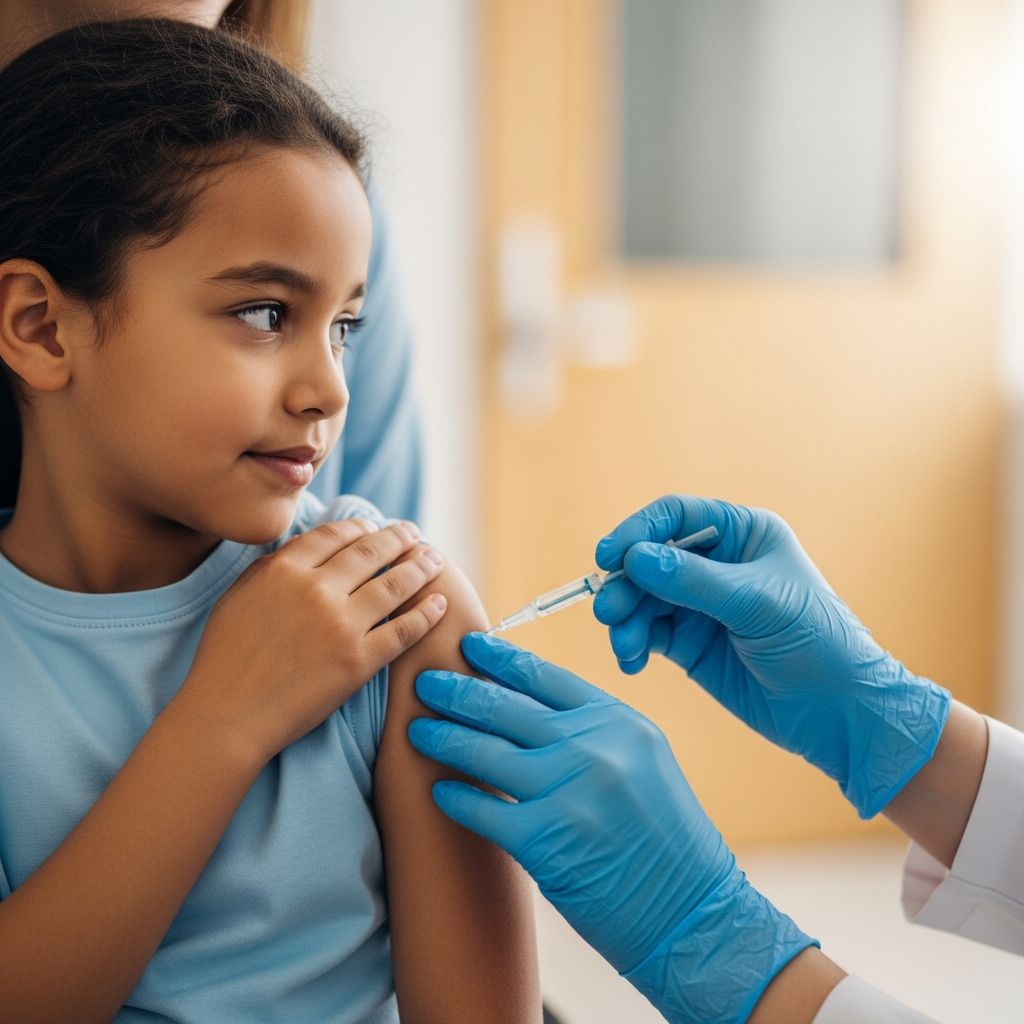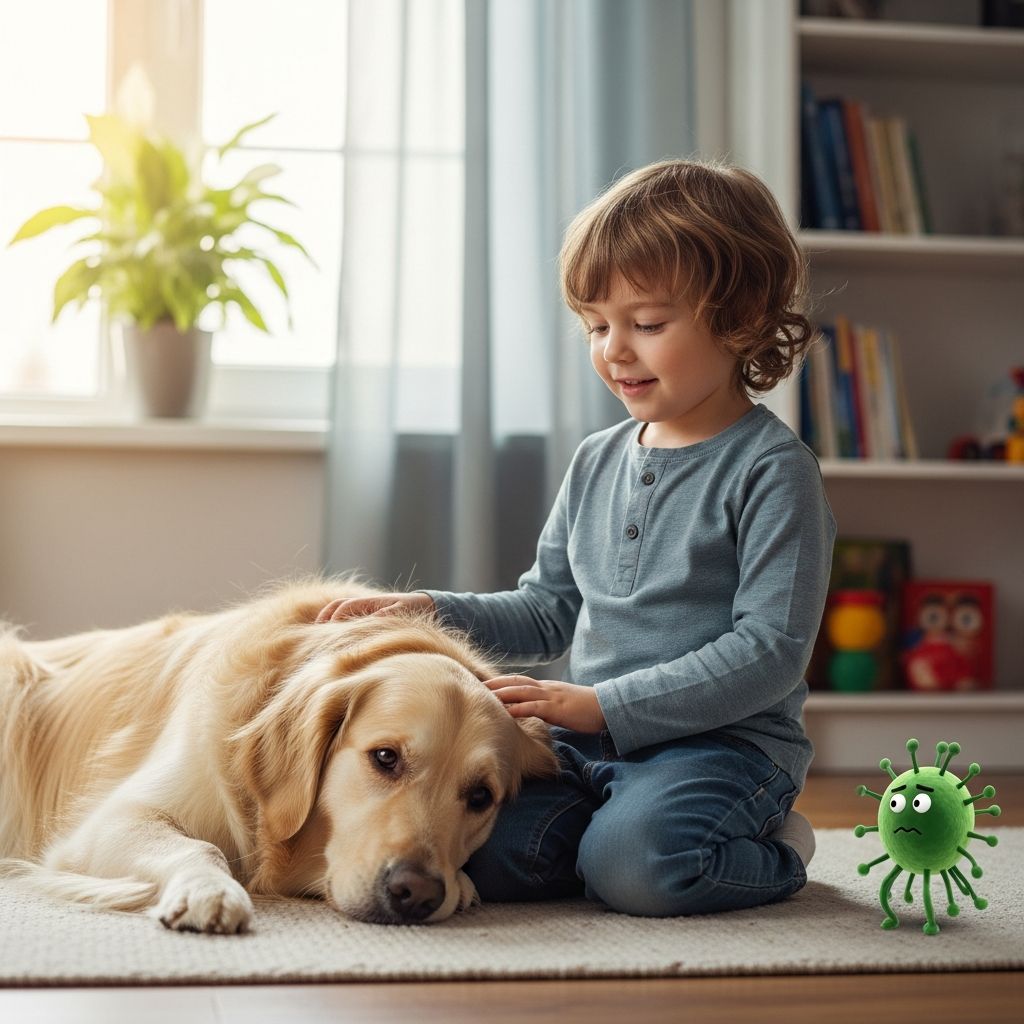
Bringing a pet into a home with young children can bring immense joy, companionship, and educational value. However, pets can also carry microscopic germs known as zoonotic pathogens—diseases transmissible from animals to humans. Young children, with their developing immune systems and habits like putting hands in mouths, face heightened risks from these infections. This comprehensive guide explores key pet-related health threats, identifies at-risk groups, and provides actionable prevention strategies to ensure pets remain a positive force in family life.
Understanding Zoonotic Risks in Pet-Owning Households
Zoonotic diseases spread through contact with animal saliva, feces, urine, skin, or contaminated environments. While not all pets pose equal threats, certain animals harbor bacteria, parasites, and viruses more likely to affect humans. Common transmission routes include touching pets then the face, inhaling dust from fur, or ingesting contaminated food/water. Importantly, even healthy-looking pets can shed pathogens asymptomatically.
Children under five are particularly susceptible due to immature immunity and exploratory behaviors. Immunocompromised individuals, pregnant women, and the elderly also warrant extra caution. Data from health authorities highlight that outbreaks often trace back to improper hygiene around high-risk pets like reptiles or poultry.
High-Risk Pets and Associated Pathogens
Not all pets carry the same dangers. Some species demand stricter protocols, especially around kids.
- Reptiles and Amphibians (Turtles, Snakes, Lizards, Frogs): Prime carriers of Salmonella bacteria, shed in feces even without symptoms. Young children face severe risks, including bloodstream infections.
- Backyard Poultry (Chickens, Ducks): Frequent Salmonella and Campylobacter sources. Classroom hatching programs have sparked outbreaks.
- Rodents (Hamsters, Guinea Pigs): Linked to Salmonella, Lymphocytic Choriomeningitis Virus (LCMV), and skin infections.
- Cats and Dogs: Can transmit ringworm, toxoplasmosis (cats), cat-scratch disease, and leptospirosis via urine.
- Exotic or Wild Animals: Highest risks including rabies; generally discouraged for families with children.
| Pet Type | Primary Pathogens | Risk Level for Kids <5 |
|---|---|---|
| Reptiles/Amphibians | Salmonella | Very High |
| Poultry | Salmonella, Campylobacter | High |
| Cats | Toxoplasma, Bartonella, Ringworm | Moderate |
| Dogs | Leptospira, Salmonella | Moderate |
| Fish/Birds (non-poultry) | Low general risk | Low |
This table summarizes threats based on veterinary and public health data, emphasizing avoidance of high-risk pets for young families.
Common Infections: Symptoms and Transmission
Bacterial Threats: Salmonella and Campylobacter
Salmonella tops the list, causing gastroenteritis with diarrhea, fever, abdominal cramps, vomiting, and headaches. Transmission occurs via fecal-oral route—touching contaminated pet areas then mouth. Reptiles are notorious reservoirs; even tank water can harbor billions of bacteria. Campylobacter similarly triggers bloody diarrhea and fever, often from dogs, cats, or poultry.
Skin and Parasitic Issues: Ringworm and Toxoplasmosis
Ringworm (dermatophytosis), a fungal infection from dogs/cats, presents as itchy, ring-shaped rashes. It’s highly contagious via spores on fur/skin. Toxoplasmosis, from cat feces oocysts, poses grave risks to fetuses if pregnant women contract it—leading to birth defects. Undercooked meat also spreads it, but litter boxes are key pet sources.
Vector-Borne and Bite-Related: Bartonella and Rabies
Cat-scratch disease from Bartonella henselae (via fleas/scratches) causes swollen lymph nodes, fever, fatigue. Flea control is crucial. Rabies, nearly always fatal, spreads via bites/scratches from infected saliva. Vaccinate all mammals; avoid wildlife contact.
Other Notable Pathogens
- Leptospirosis: Urine-borne bacteria causing flu-like symptoms, organ failure in severe cases.
- Giardia/Cryptosporidium: Diarrheal parasites from contaminated water/poop.
- Pinworm Clarification: Human-specific; pets don’t transmit.
Prevention Blueprint: Hygiene and Habits for Safety
Proactive measures drastically cut risks without forgoing pet joys.
- Hand Hygiene Supreme: Wash hands with soap for 20 seconds after pet contact, feeding, or cleanup. Supervise kids—no hand-to-mouth post-play.
- Delineate Spaces: Keep pets out of kitchens, food prep areas, kids’ beds/play zones. No face-licking.
- Cleanup Protocols: Daily litter/poop removal; wear gloves for cats if pregnant. Disinfect surfaces.
- Vet Vigilance: Regular checkups, vaccinations (rabies core), flea/tick preventives, deworming.
- Pet Selection Wisdom: Avoid high-risk species for young kids; opt for fish or supervised older pets.
For schools/daycares: Ban live high-risk animals; use alternatives for education.
Special Considerations for Vulnerable Groups
Pregnant Women: Delegate litter duties; cook meats thoroughly; garden with gloves.
Immunocompromised: Extra isolation from reptiles/poultry; consult doctors on pet suitability.
Young Children: Adult supervision mandatory; teach hygiene early.
Responding to Potential Exposure or Symptoms
Monitor for fever, diarrhea, rashes, swollen nodes post-exposure. Seek medical care promptly, disclosing pet ownership—guides testing/treatment. Most infections self-limit but can hospitalize vulnerable kids.
Frequently Asked Questions (FAQs)
Can healthy pets still infect my child?
Yes, many carriers show no signs. Regular vet care and hygiene mitigate this.
Are reptiles safe if cleaned often?
No—CDC advises against for kids under 5 due to persistent Salmonella shedding.
Does my cat’s litter box risk my pregnancy?
Potentially toxoplasmosis; have others handle it, freeze feces 48 hours to kill oocysts.
What if my child gets scratched by the cat?
Clean deeply, watch for infection/redness; cat-scratch disease possible—see doctor if fever develops.
Can dogs give kids colds or flu?
Rarely; most respiratory illnesses are species-specific.
Benefits of Pets Outweigh Risks with Precautions
Pets foster empathy, reduce allergies/asthma, boost activity/mood. With diligence, families thrive. Consult vets/pediatricians for tailored advice.
References
- Pets and child safety — Health Service Executive (HSE.ie). 2023. https://www2.hse.ie/babies-children/child-safety/pets/pets/
- Pet-Related Infections — American Academy of Family Physicians (AAFP). 2016-11-15. https://www.aafp.org/pubs/afp/issues/2016/1115/p794.html
- Pets and Infectious Diseases in Children — Stanford Medicine Children’s Health. Accessed 2026. https://www.stanfordchildrens.org/en/topic/default?id=pets-and-infectious-diseases-in-children-90-P02534
- People at Increased Risk for Illness from Animals — Centers for Disease Control and Prevention (CDC). Accessed 2026. https://www.cdc.gov/healthy-pets/risk-factors/index.html
- Zoonotic diseases and pets — American Veterinary Medical Association (AVMA). Accessed 2026. https://www.avma.org/resources-tools/one-health/zoonotic-diseases-and-pets