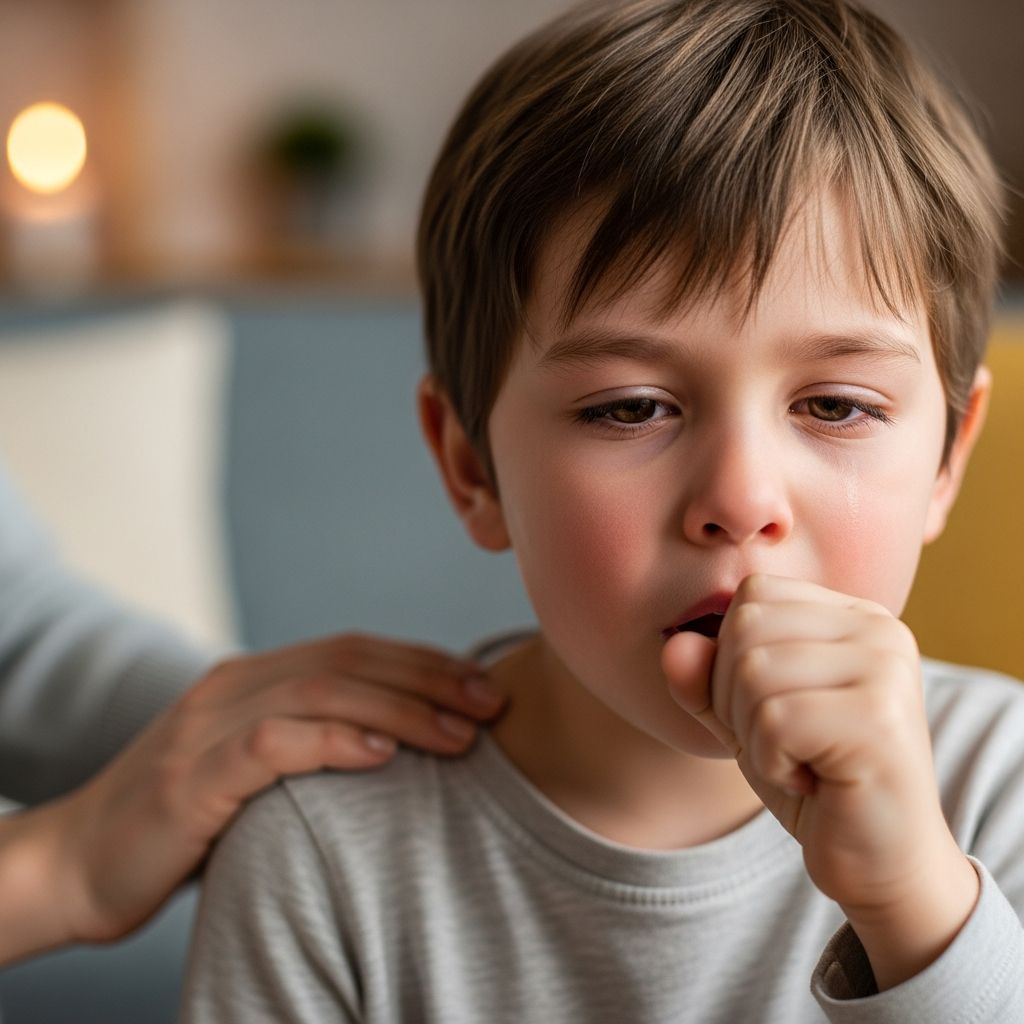
Understanding Pertussis: A Serious Childhood Respiratory Condition
Pertussis, commonly known as whooping cough, represents one of the most contagious respiratory infections that can affect children of all ages, though it poses particular risks to infants and young children. This condition is caused by the bacterium Bordetella pertussis, which colonizes the mouth, nose, and throat of infected individuals. The disease spreads through airborne droplets when an infected person coughs or sneezes, making it remarkably efficient at transmission. Research indicates that approximately 8 out of 10 non-immunized individuals will contract the infection when exposed to someone with active pertussis. Understanding this infection’s characteristics and progression is essential for parents seeking to protect their children and recognize early warning signs.
Recognizing the Progression of Pertussis Symptoms
Pertussis typically unfolds in distinct phases, each presenting different clinical features that help parents identify the condition. The initial stage often lasts one to two weeks and resembles a common cold, making early diagnosis challenging. During this phase, children experience a mild cough, low-grade fever, and nasal congestion. Many parents may not suspect a serious respiratory infection during this period, as symptoms appear relatively benign.
The second stage marks a significant escalation in symptom severity and typically extends for several weeks. The cough intensifies substantially, becoming dry and harsh, and occurs in severe, uncontrollable fits. The characteristic “whoop” sound emerges during this stage—a high-pitched noise that occurs during inspiration as the child attempts to breathe after a coughing episode. These coughing fits can last for extended periods and often result in vomiting, facial discoloration (appearing red or blue), and extreme exhaustion. Children may struggle to breathe between coughing episodes, and their skin around the mouth may take on a bluish or grayish hue.
The third stage of pertussis begins around the fourth week of illness. During this recovery phase, vomiting and the characteristic whooping sound typically cease first. The frequency of coughing episodes gradually decreases around the sixth week, though occasional coughs may persist for one to two additional months. This extended recovery period can frustrate families, as children may still experience residual symptoms long after the acute infection has passed.
Why Early Recognition and Treatment Matter
Early identification of pertussis is crucial because treatment initiated before severe coughing episodes begin produces significantly better outcomes. When antibiotic therapy commences early in the illness, it can substantially reduce disease severity and minimize the duration of contagiousness. Healthcare providers emphasize that beginning treatment after three weeks of symptoms is unlikely to provide clinical benefit, as the bacterial infection has typically resolved by this point, and ongoing coughing represents tissue damage and inflammation rather than active infection.
Parents who notice their child developing a persistent, worsening cough accompanied by fever should contact their healthcare provider promptly for evaluation. Early medical consultation allows for proper diagnostic testing and initiation of appropriate therapy during the critical window when treatment proves most effective.
Antibiotic Treatment: The Foundation of Therapy
Pertussis requires antibiotic therapy as the cornerstone of treatment. Healthcare providers most commonly prescribe azithromycin or related antibiotics from the same pharmaceutical class. These medications work optimally when administered early in the disease course, before the characteristic severe coughing fits develop. Compliance with prescribed antibiotic regimens is essential; parents must administer medications exactly as directed by their physician, maintaining consistent dosing schedules throughout the prescribed course.
It is important to note that over-the-counter cough medications and syrups do not effectively treat pertussis and are generally not recommended for managing the condition. These products neither eliminate the underlying bacterial infection nor provide meaningful symptom relief for pertussis-related coughing. Parents should avoid using such remedies unless specifically advised by their child’s healthcare provider.
Managing Pertussis at Home
Most children with pertussis can be managed in the home environment, provided their symptoms remain stable and they maintain adequate nutrition and hydration. Several supportive care strategies help minimize discomfort and prevent complications:
- Environmental control: Maintaining a home environment free from respiratory irritants is paramount. Parents should eliminate exposure to cigarette smoke, household dust, and chemical fumes, all of which can trigger additional coughing episodes.
- Humidity management: Using a clean, cool mist humidifier helps loosen airway secretions and soothe the irritated respiratory tract, potentially reducing cough severity.
- Nutritional support: Offering small meals every few hours rather than large meals helps prevent vomiting episodes, which frequently accompany severe coughing fits.
- Fluid intake: Ensuring adequate hydration through water, juices, soups, and fruits prevents dehydration, which can complicate recovery.
- Rest environment: Providing a cool, quiet, and dark bedroom facilitates adequate rest, which supports the immune system’s efforts to overcome infection.
When Hospital Care Becomes Necessary
Some children require hospitalization for pertussis management, particularly infants and young children who develop serious complications. Hospitalization becomes necessary when symptoms become severe or when complications develop that cannot be safely managed in the home setting. Infants, in particular, require careful medical monitoring because pertussis poses greater dangers for this age group.
Hospital treatment focuses on critical supportive interventions:
- Maintaining clear breathing passages through careful suctioning and airway management
- Monitoring respiratory status continuously and providing supplemental oxygen when oxygen saturation levels decline
- Preventing and treating dehydration by administering intravenous fluids when children cannot maintain adequate oral intake
- Isolating the child from other patients to prevent disease transmission
Children hospitalized with pertussis are typically isolated in separate rooms to prevent spreading the infection to other vulnerable patients. Hospital staff implements respiratory precautions and maintains careful monitoring of vital signs and respiratory function throughout the child’s stay.
Indicators That Medical Evaluation Is Required
Parents should seek immediate medical attention if their child exhibits any of the following:
- A persistent cough that worsens progressively over one to two weeks
- Development of a high-pitched “whoop” sound during breathing after coughing episodes
- Difficulty breathing or shortness of breath between coughing episodes
- Bluish or grayish discoloration around the mouth or extremities
- Extreme exhaustion or difficulty maintaining adequate oral intake after coughing fits
- Signs of dehydration, including decreased urination or dry mucous membranes
- Fever accompanied by severe coughing
Special Considerations for Vulnerable Populations
Certain children face heightened risks from pertussis and require particularly vigilant monitoring. Infants and young children whose immunization status is incomplete or uncertain face significantly elevated risk of severe disease. Children with moderate to severe asthma are vulnerable to rapid deterioration when infected with pertussis. Additionally, children with other chronic respiratory or cardiac conditions may experience more severe manifestations of the disease.
For households with affected children, healthcare providers typically recommend that close contacts—including family members, caregivers, and playmates—receive prophylactic antibiotic therapy regardless of their vaccination status. This prevents secondary transmission and protects particularly vulnerable individuals within the child’s circle.
The Role of Preventive Measures
While treatment is essential for children who develop pertussis, prevention through vaccination remains the most effective strategy for reducing disease incidence. Current vaccines protect against severe disease, though protection is not absolute, and vaccinated individuals may still contract and transmit infection. Emerging research suggests that Bordetella pertussis bacteria may be gradually evolving, potentially reducing vaccine effectiveness over time. Despite these limitations, vaccination significantly reduces disease severity and complications when breakthrough infections occur.
Booster vaccination with the Tdap vaccine is recommended for adolescents and adults to maintain protective immunity against pertussis, diphtheria, and tetanus. Healthcare providers can provide specific guidance regarding booster schedules based on individual circumstances.
Recovery and Long-Term Outlook
With appropriate antibiotic treatment initiated early in the disease course, most children recover from pertussis without permanent complications. The coughing phase represents the most challenging aspect of the illness, as recovery can extend over several weeks to months. However, the underlying bacterial infection resolves relatively quickly with effective antibiotic therapy.
Parents should understand that persistent coughing after the bacterial infection has cleared represents damage to the respiratory tract lining that requires time to heal. Continuing supportive care measures, including environmental control and humidification, helps facilitate this healing process. Most children return to normal activities as coughing gradually subsides, though some occasional coughing may persist intermittently.
Frequently Asked Questions About Pertussis
How quickly does pertussis develop after exposure?
The incubation period for pertussis typically ranges from seven to fourteen days after exposure to an infected individual, though symptoms may appear up to three weeks after initial infection in some cases.
Can vaccinated children develop pertussis?
Yes, vaccinated children can still develop pertussis, though vaccination significantly reduces the likelihood of severe disease. The vaccine does not provide absolute protection against infection, particularly as immunity wanes over time.
How long is a child contagious with pertussis?
Children are most contagious during the first two weeks of illness, before the characteristic coughing fits develop. Early antibiotic treatment shortens the period of contagiousness by several weeks.
Are there any long-term complications from pertussis?
Most children recover completely from pertussis without permanent complications. However, severe cases, particularly in infants, can occasionally result in complications such as respiratory complications or secondary infections.
Should my child’s siblings receive antibiotic treatment if exposed?
Healthcare providers typically recommend prophylactic antibiotic treatment for close contacts of children with confirmed or suspected pertussis, regardless of vaccination status. This helps prevent transmission to other family members.
References
- Treatment of Whooping Cough — Centers for Disease Control and Prevention (CDC). 2024. https://www.cdc.gov/pertussis/treatment/index.html
- Whooping Cough (Pertussis) — Asthma and Allergy Foundation of America (AAFA). https://aafa.org/asthma/asthma-triggers-causes/respiratory-infections-flu-cold-asthma/whooping-cough-pertussis/
- Pertussis (Whooping Cough) — Children’s Hospital of Philadelphia. https://www.chop.edu/conditions-diseases/pertussis-whooping-cough
- Whooping Cough (Pertussis): Symptoms, Treatment & Prevention — American Academy of Pediatrics (HealthyChildren.org). https://www.healthychildren.org/English/health-issues/conditions/chest-lungs/Pages/Whooping-Cough.aspx
- Whooping Cough: Diagnosis & Treatment — Mayo Clinic. 2024. https://www.mayoclinic.org/diseases-conditions/whooping-cough/diagnosis-treatment/drc-20378978