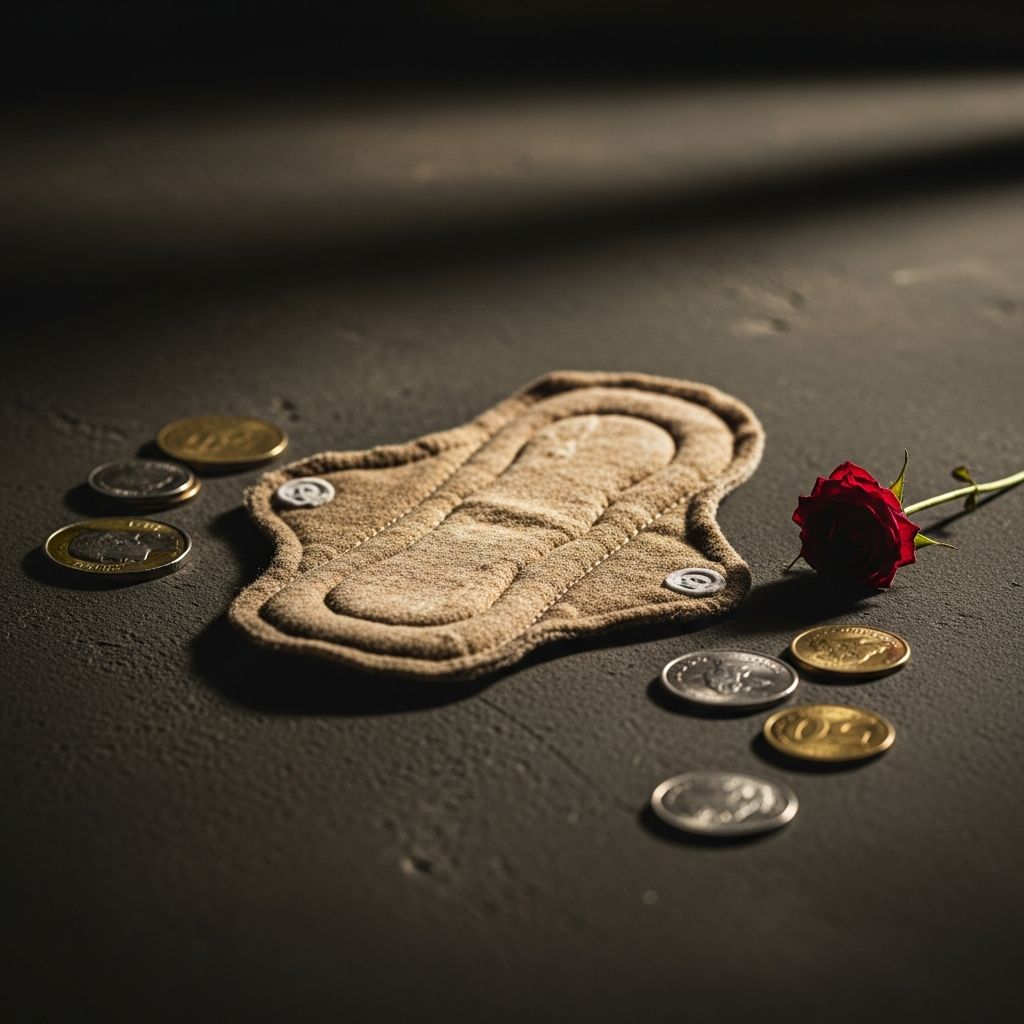
Period poverty represents a profound barrier to basic dignity and health for menstruating individuals worldwide. It encompasses the inability to obtain essential menstrual products, proper sanitation facilities, and adequate education due to financial, social, or infrastructural limitations.
The Core Elements of Period Poverty
At its heart, period poverty involves more than just the absence of tampons or pads. It includes a lack of clean water for hygiene, safe disposal methods for used products, and knowledge about menstrual health. Globally, approximately 500 million people who menstruate face these challenges monthly, unable to manage their cycles safely.
This issue intersects with broader poverty definitions, where basic needs like food and shelter compete with menstrual requirements. The World Bank describes poverty as encompassing hunger, lack of healthcare, and educational barriers, all of which amplify during menstruation.
Defining the Problem Clearly
Several authoritative sources converge on a consistent definition. The American Medical Women’s Association outlines period poverty as inadequate access to menstrual hygiene tools, education, washing facilities, and waste management. Similarly, public health reviews emphasize the lack of safe products, sanitation, and education as key components.
- Access barriers: No nearby stores or distribution points for products.
- Affordability issues: High costs relative to income, with low-income groups reporting 64% difficulty in purchasing supplies.
- Sanitation gaps: Over 1.5 billion people lack basic sanitation, hindering proper menstrual management.
- Knowledge deficits: Insufficient education leads to unsafe practices and stigma.
Who Faces the Greatest Risks?
Vulnerable populations bear the brunt of this crisis. Low-income menstruators, homeless individuals, incarcerated people, students, and those with disabilities experience heightened exposure. In the U.S., college students and unhoused women struggle disproportionately due to economic constraints.
In low- and middle-income countries, girls in sub-Saharan Africa often resort to makeshift materials like leaves or rags, increasing infection risks. Even in developed nations like the UK, 10% of girls cannot afford products, 15% struggle to access them, and 19% use inferior alternatives.
| Group | Key Challenges | Prevalence Insight |
|---|---|---|
| Low-income women | Cost barriers, competing needs | 64% report affordability issues |
| Unhoused individuals | No storage or hygiene facilities | High risk due to instability |
| Students | Missed school, stigma | 10% in UK unable to buy |
| Incarcerated people | Limited supplies provided | Exacerbated by restrictions |
Root Causes Driving Period Poverty
Economic hardship tops the list, as lifetime use of over 9,000 sanitary products accumulates significant costs for those in poverty. Cultural stigmas silence open discussion, fostering embarrassment and isolation.
Infrastructure deficits, such as absent private toilets or handwashing stations, compound the problem. Environmental factors in remote or crisis-hit areas limit supply chains. The COVID-19 pandemic worsened this by sparking economic downturns—women, comprising 39% of the workforce, faced 54% of job losses—alongside panic buying and disrupted aid.
Health Consequences of Inadequate Menstrual Management
Without proper products, individuals risk reproductive tract infections, skin irritations, and toxic shock syndrome from improvised materials. Mental health suffers too, with stigma leading to anxiety, depression, and loneliness.
Physical dangers extend to poor nutrition if food budgets are diverted to buy pads. Long-term, untreated infections can cause infertility or chronic pelvic pain.
- Increased UTI and vaginal infections from unclean practices.
- Psychological distress from fear of leaks or odor.
- Overall reduced quality of life during cycles.
Educational and Economic Ripples
One in ten menstruating youth worldwide misses school due to lack of products, per UNESCO data, widening gender gaps. In developing regions, girls absent for up to 20% of school days perpetuate cycles of poverty and limited opportunities.
Economically, women miss work, reducing productivity. In the U.S., this translates to lost wages and reinforced inequities. Period poverty entrenches gender divides by forcing life rearrangements around cycles.
Global Scope: From Developing to Developed Worlds
Though acute in low-income countries, period poverty permeates wealthy nations. In the U.S., incarcerated women receive scant supplies, while homeless individuals scavenge or go without. Globally, 800 million menstruate daily, unaffected by pandemics or crises.
In humanitarian settings, conflict displaces supplies and facilities. Even in the EU and U.S., surveys reveal widespread struggles among students and low-wage workers.
Initiatives and Policy Responses
Momentum builds for menstrual equity. Scotland led with free products in public facilities. U.S. states like New York and California mandate school provisions; federal bills push for expanded access.
NGOs distribute reusable pads and educate communities. Advocacy targets tax removal on products—still applied in many places despite essentials status. Corporate donations and vending machines in schools address immediate gaps.
Individual and Community Actions
Everyone can contribute. Donate unused products to shelters, support period banks, or advocate for policy changes. Normalize conversations to dismantle stigma—talk openly with peers and family.
Reusable options like menstrual cups reduce long-term costs and waste, though access remains key. Schools should integrate hygiene education into curricula.
Frequently Asked Questions
What exactly is period poverty?
It refers to insufficient access to menstrual products, sanitation, education, and waste management due to economic or social barriers.
How many people does it affect?
Around 500 million menstruators experience it monthly, out of 1.9 billion who menstruate globally.
Does it only happen in poor countries?
No, it impacts developed nations too, including 10-19% of UK girls and U.S. students.
What are the health risks?
Infections, mental health issues, and chronic conditions from poor hygiene practices.
How can I help end period poverty?
Donate supplies, advocate for free access policies, and challenge menstrual taboos.
Looking Ahead: Pathways to Equity
Eradicating period poverty demands multisectoral action—governments funding supplies, businesses innovating affordable products, and societies rejecting stigma. With sustained efforts, menstrual equity can become reality, empowering half the world’s population.
References
- Period poverty: why it should be everybody’s business — Journal of Global Health Reports. 2021. https://www.joghr.org/article/32436-period-poverty-why-it-should-be-everybody-s-business
- Period Poverty & Stigma — Gender Equity Resource Center, UC Berkeley. 2023. https://cejce.berkeley.edu/centers/gender-equity-resource-center/resources/womens-resources/advocacy-issues/menstrual-equity-0
- Period poverty – Wikipedia — Wikipedia (informed by primary sources). 2023. https://en.wikipedia.org/wiki/Period_poverty
- Period Poverty: The Belittling of a Basic Need — American Medical Women’s Association. 2022. https://amwa-doc.org/period-poverty-the-belittling-of-a-basic-need/
- Period Poverty: A Neglected Public Health Issue — PMC / National Library of Medicine. 2023-07-20. https://pmc.ncbi.nlm.nih.gov/articles/PMC10372806/
- Period Poverty – A Global Crisis — Women In International Security. 2023. https://wiisglobal.org/period-poverty-a-global-crisis/
- Period Poverty — Period.org. 2023. https://period.org/periodpoverty
- Period Poverty: The Public Health Crisis We Don’t Talk About — PolicyLab, CHOP. 2023. https://policylab.chop.edu/blog/period-poverty-public-health-crisis-we-dont-talk-about