Period cramps can be uncomfortable, confusing, and sometimes a little scary if you are not sure what is going on. This guide explains in simple language what period cramps are, why they happen, and what can help you feel better.
What Are Period Cramps?
Period cramps are aches or pains that many girls and people who get periods feel in their lower belly when they have their period. Doctors often call this pain dysmenorrhea, which simply means painful periods.
Most of the time, the cramps:
- Happen in the lower part of your belly or pelvis
- Can spread to your lower back or the tops of your legs
- Start a day or so before bleeding and last a few days into your period
For some kids the pain is mild and more annoying than anything else. For others, it can be strong enough to make it hard to focus in school, sleep well, or enjoy normal activities.
Why Do Period Cramps Happen?
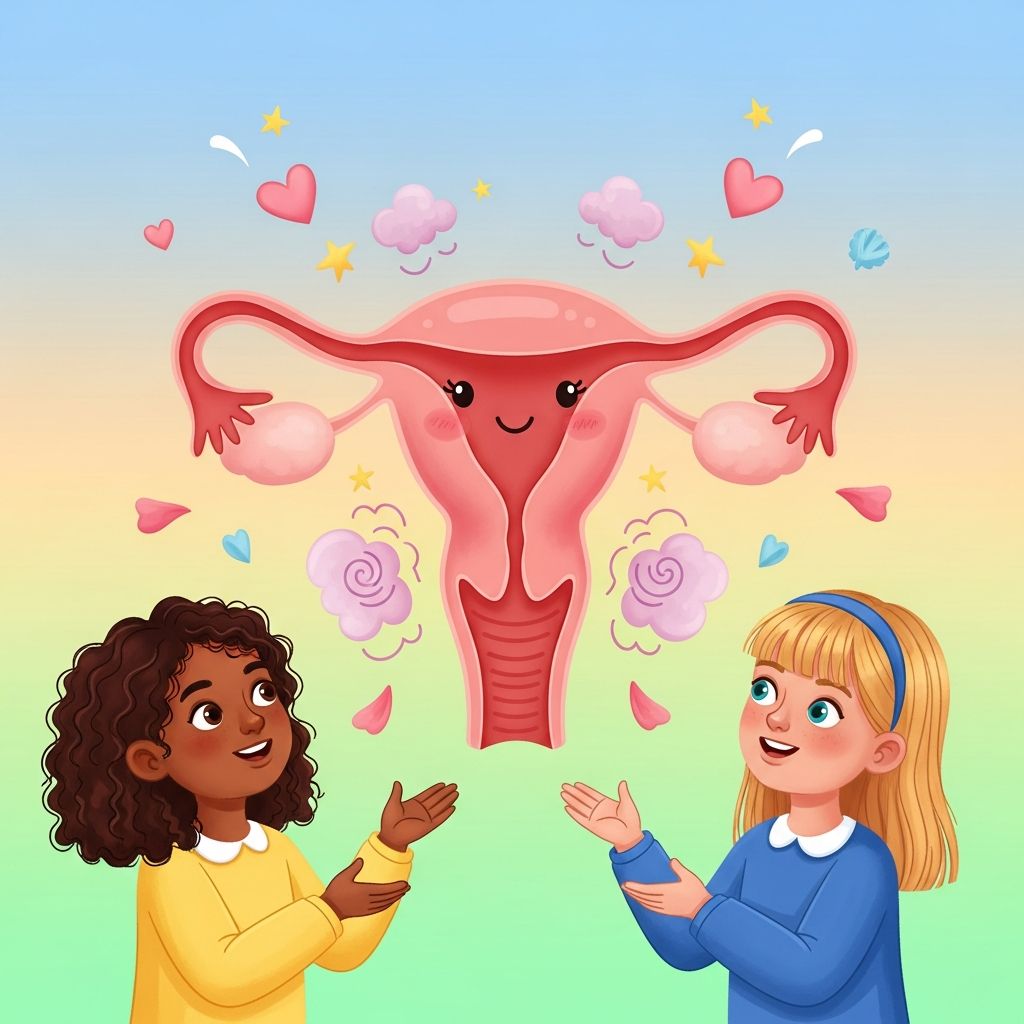
Your uterus is a small, pear-shaped organ in your lower belly. During each monthly cycle it builds a soft lining made of tissue and blood. If there is no pregnancy, the lining needs to leave the body. This is what becomes period blood.
To push out this lining, the muscles of the uterus gently tighten and relax over and over. These squeezes are called contractions.
Inside your body, special hormone-like chemicals called prostaglandins tell the uterus muscles when to contract. If your body makes more of these chemicals, the contractions can be stronger, and that can cause more pain.
Two Main Types of Period Pain
Doctors group period pain into two main types.
| Type | What It Means | Common in Kids/Teens? |
|---|---|---|
| Primary dysmenorrhea | Pain caused only by normal period contractions and prostaglandins, not by any other disease. | Yes, this is the most common kind in kids and teens. |
| Secondary dysmenorrhea | Pain caused or made worse by another health problem, like endometriosis or infections. | Less common, but important to check for when pain is very strong or unusual. |
What Do Period Cramps Feel Like?
Everyone’s body is different, so cramps can feel different from person to person. Some common feelings include:
- Cramping or squeezing in the lower belly
- Throbbing or pulsing pain that comes and goes
- Dull aching that is always there
- Pain that spreads to the lower back or thighs
Some kids also notice other symptoms around the time of their period, such as:
- Nausea (feeling like you might throw up)
- Loose stools or diarrhea
- Headaches or dizziness
- Feeling extra tired or weak
- Bloating or feeling puffy
- Mood changes, like feeling more sad or irritable
When Do Cramps Usually Start?
Many kids notice cramps:
- 1–2 days before bleeding starts
- Most strongly during the first day or two of their period
- Getting better over the next few days as bleeding lightens
For many people, period pain becomes less intense as they get older. Some adults notice that cramps improve after having a baby, but this is not something kids need to worry about yet.
Who Is More Likely to Have Strong Cramps?
Some things make strong period cramps more likely. Doctors call these risk factors.
- Being a teen or young adult (under about 30 years old)
- Getting your first period at a younger age
- Having heavy or long periods
- Having irregular bleeding between periods
- Having family members who also get very painful periods
- Smoking (for teens who smoke or live with lots of smoke exposure)
Easy Ways to Feel Better at Home
Mild to moderate cramps can often be eased with simple steps at home. Always check with a parent or trusted adult before trying new medicines or treatments.
Heat and Comfort
- Place a warm heating pad or warm water bottle on your lower belly or back.
- Take a warm bath or shower to relax tight muscles.
- Wear comfortable, loose clothing that does not press on your belly.
Movement and Gentle Exercise
It might sound strange, but light movement can lower pain for some people.
- Try walking or light stretching.
- Gentle yoga or relaxing poses can ease tension.
- Avoid intense workouts if you feel dizzy or very weak.
Relaxation and Rest
- Practice slow, deep breathing to calm your body.
- Listen to soft music, read, or do a calm activity you enjoy.
- Try to get enough sleep in the days before and during your period.
Medicines (With Adult Help)
Some over-the-counter pain relievers, such as ibuprofen or naproxen, can help reduce cramps because they lower prostaglandins. Kids should only take these:
- With a parent or trusted adult’s permission
- Using the dose and timing a doctor or pharmacist recommends
- With food or a snack, if the label suggests it
In some cases, if cramps are very bothersome, doctors may suggest hormonal treatments (like certain birth control pills) for teens to help make periods lighter and less painful. These are prescription medicines and must be discussed with a healthcare professional.
When Period Pain Might Be a Sign of a Problem
Most kids with period cramps have primary dysmenorrhea, which is not caused by another disease and often improves over time. But sometimes cramps are a clue that something else is going on in the pelvis.
Conditions that can cause or worsen period pain include:
- Endometriosis: tissue that acts like the lining of the uterus grows outside of it, such as on the ovaries or other pelvic organs.
- Uterine fibroids: noncancerous growths in the wall of the uterus, more common in adults.
- Adenomyosis: tissue from the lining of the uterus grows into the muscular wall of the uterus.
- Pelvic inflammatory disease (PID): infection of the reproductive organs, often caused by certain bacteria.
- Congenital (from birth) differences in the uterus or vagina: such as a blocked passage that keeps blood from flowing out normally.
Warning Signs: Call a Doctor or Nurse
Tell a parent or trusted adult and see a doctor if:
- Period pain is so strong you regularly miss school, sports, or activities.
- Pain suddenly gets much worse after being mild before.
- Pain does not get better at all with heat, rest, or over-the-counter medicine.
- Your periods are very heavy (soaking through pads or tampons every 1–2 hours for several hours).
- You have bleeding between periods or periods that last longer than about a week.
- You have fever, very bad vomiting, or strong pelvic pain not only during your period.
Doctors can ask questions, do an exam if needed, and sometimes order tests like an ultrasound to check for causes of secondary dysmenorrhea.
Working With Your Doctor
If period pain is affecting your life, it is important to speak up. A trusted adult can help you make an appointment. When you visit a doctor, they may ask:
- How old you were when you got your first period
- How often your periods come and how long they last
- How strong the pain is, and where you feel it
- Whether anyone else in your family has very painful periods
- What helps or doesn’t help your pain so far
Sometimes doctors will suggest keeping a period journal or using a calendar or app to track:
- When your period starts and ends
- How heavy the bleeding is each day
- Where you feel pain and how strong it is (for example, using a 1–10 scale)
- Other symptoms, such as headaches, stomach upset, or mood changes
This information can help your healthcare team find the best way to support you.
Taking Care of Your Whole Self During Your Period
Period cramps are only one part of what you might feel during your cycle. Taking care of your whole body can make cramps easier to handle.
- Healthy eating: Try to include fruits, vegetables, whole grains, and lean proteins in your meals.
- Drinking water: Staying hydrated may help reduce bloating and fatigue.
- Limiting sugary drinks and salty snacks: These can sometimes make bloating or mood changes feel worse.
- Regular gentle activity: Moving your body most days, not just during your period, can improve overall comfort.
- Talking about your feelings: Mood changes are common; talking with a friend, parent, or counselor can help.
Frequently Asked Questions (FAQs)
Are period cramps normal for kids who just started their periods?
Yes. Many kids and teens have some cramping in the first years after their first period. This is usually primary dysmenorrhea, which is common and not caused by another disease. However, if the pain is very strong or makes you miss school often, it is important to talk to a doctor.
Can I do sports or PE if I have cramps?
If your pain is mild, gentle movement like walking or stretching may actually help reduce cramps. If your pain is strong, you may need to rest or talk with your coach or teacher about taking it easy that day. Always listen to your body.
Do strong cramps mean I have a serious problem?
Not always. Many people with strong cramps still have primary dysmenorrhea. But because period pain can sometimes be a sign of conditions like endometriosis or pelvic infections, it is important to see a doctor if pain is severe, getting worse, or not helped by normal treatments.
Can I prevent cramps before they start?
You cannot completely control whether you get cramps, but doing things like regular activity, using a heating pad at the first sign of pain, and taking doctor-approved pain medicine early in your period can sometimes lessen symptoms. Tracking your cycle can help you prepare each month.
Is it embarrassing to talk to a doctor about period pain?
It can feel awkward at first, but doctors and nurses talk about periods every day. Their job is to help you stay healthy and comfortable. Sharing honest details about your pain helps them support you better.
References
- Adolescent dysmenorrhea (severe menstrual cramps) — Children’s Health. 2023-04-10. https://www.childrens.com/specialties-services/conditions/dysmenorrhea
- Menstrual cramps: Symptoms & causes — Mayo Clinic. 2022-03-24. https://www.mayoclinic.org/diseases-conditions/menstrual-cramps/symptoms-causes/syc-20374938
- Dysmenorrhea in teens — St. Louis Children’s Hospital. 2023-01-05. https://www.stlouischildrens.org/conditions-treatments/dysmenorrhea
- Painful Menstrual Cramps in Teens: Care Instructions — MyHealth Alberta. 2022-02-15. https://myhealth.alberta.ca/Health/aftercareinformation/pages/conditions.aspx?hwid=av2809
- PMS, Cramps, and Irregular Periods — Nemours KidsHealth. 2023-06-01. https://kidshealth.org/en/teens/menstrual-problems.html
- Supporting teenagers with period pain in general practice: clinical review — British Journal of General Practice. 2024-01-01. https://pmc.ncbi.nlm.nih.gov/articles/PMC11147464/
- Teens and periods: When is pain not normal? — Children’s Mercy Kansas City. 2019-06-12. https://www.childrensmercy.org/parent-ish/2019/06/Teensandperiods/
- Dysmenorrhea — Children’s Hospital Colorado. 2023-05-18. https://www.childrenscolorado.org/conditions-and-advice/conditions-and-symptoms/conditions/dysmenorrhea/