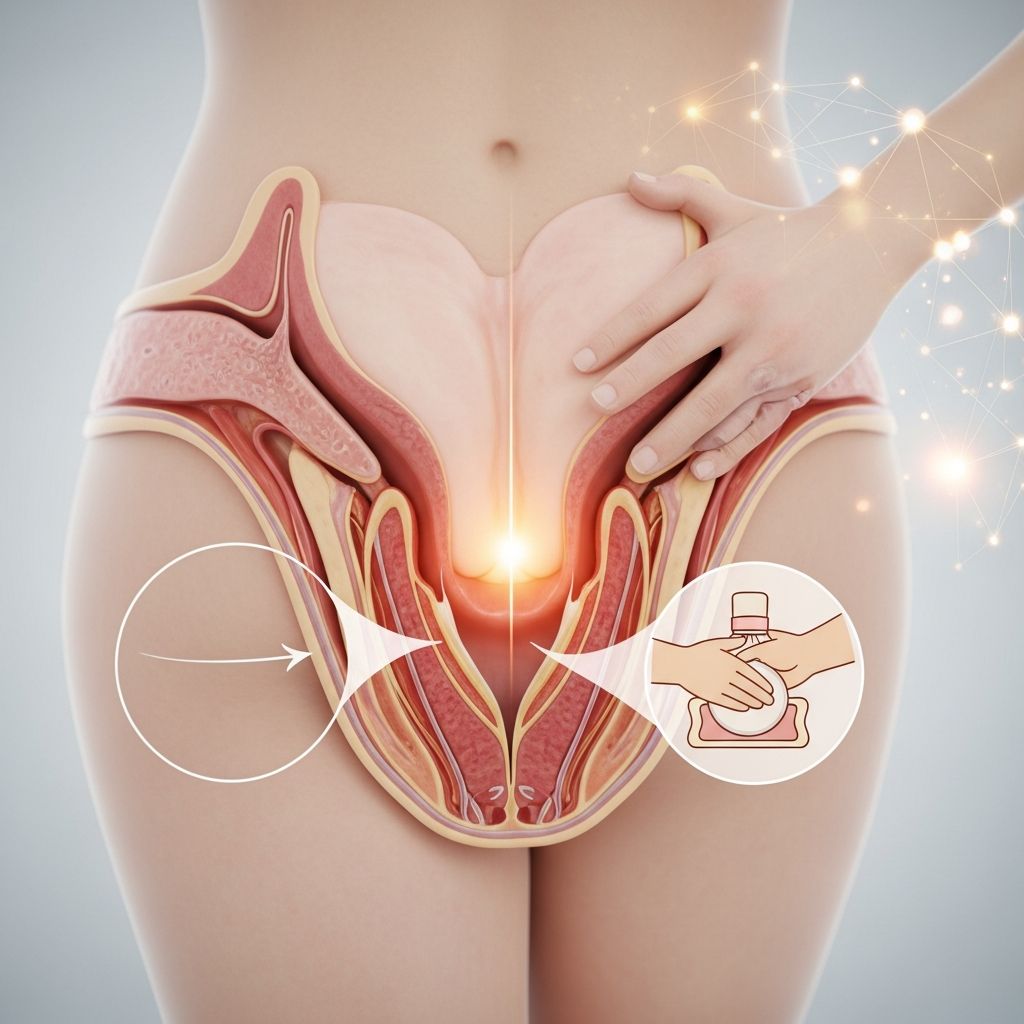
Perineal tears occur when the tissue between the vaginal opening and anus stretches excessively during vaginal delivery, a common yet manageable aspect of childbirth affecting many first-time mothers. These injuries vary in severity but can often be minimized through targeted prenatal preparation and labor strategies, promoting faster recovery and reduced complications.
Understanding Perineal Anatomy and Childbirth Stress
The perineum, a diamond-shaped region of muscle and skin connecting the pubic bone to the tailbone, plays a critical role in supporting pelvic organs and facilitating bowel and bladder control. During labor, the baby’s head descending through the birth canal exerts immense pressure, potentially leading to spontaneous tears as tissues reach their elastic limit.
This stretching is most intense during the second stage of labor, when pushing occurs. Factors like fetal size, labor duration, and maternal tissue elasticity influence tear likelihood. Minor superficial injuries heal quickly, while deeper ones may involve muscles or sphincters, requiring medical intervention.
Classification of Perineal Tears by Severity
Medical professionals classify perineal tears into four degrees to guide treatment:
- First-degree: Superficial skin tears near the vaginal entrance, typically healing without sutures.
- Second-degree: Involves skin and underlying perineal muscles, often sutured in the delivery room.
- Third-degree: Extends to the anal sphincter muscle, subdivided by partial or complete sphincter involvement, necessitating specialized repair.
- Fourth-degree: Penetrates through the sphincter and rectal mucosa, demanding surgical intervention in an operating room.
Most tears are first- or second-degree, resolving within weeks with proper care. Severe third- and fourth-degree tears, though rarer (occurring in about 1-3% of vaginal births), carry risks of incontinence if not repaired promptly.
Risk Factors That Increase Tear Probability
Several elements heighten the chance of significant perineal trauma:
| Factor | Description | Impact Level |
|---|---|---|
| First vaginal birth | Nulliparous women lack prior tissue stretching | High |
| Large baby (>4kg/9lbs) | Increased head size strains perineum | High |
| Prolonged pushing stage | Extended pressure fatigues tissues | Moderate to High |
| Instrumental delivery | Forceps or vacuum adds traction force | High |
| Shoulder dystocia | Baby’s shoulder impacts pubic bone | High |
| Post-term pregnancy | Larger fetal size and reduced elasticity | Moderate |
Recognizing these risks allows expectant mothers to discuss personalized prevention plans with providers.
Proven Prenatal Strategies to Minimize Tearing
Evidence-based practices starting in the third trimester can enhance perineal flexibility and strength.
Perineal Massage Technique
From 35 weeks gestation, daily perineal massage reduces tear risk, especially for first-time mothers. Apply a natural oil like vitamin E or olive oil to the perineum. Insert thumbs 1-1.5 inches into the vagina, press downward toward the anus, and hold for 30-60 seconds while breathing deeply. Gradually stretch side-to-side. Sessions last 5-10 minutes, 3-4 times weekly. Studies confirm this increases tissue extensibility, lowering second-degree tear incidence by up to 10%.
Pelvic Floor Exercises (Kegels)
Strengthening and relaxing pelvic muscles via Kegels improves control during pushing. Contract as if stopping urine flow for 5-10 seconds, release, repeat 10 times per set, 3 sets daily. Advanced variations include quick flicks and sustained holds to build endurance.
Optimizing Labor and Delivery for Perineal Protection
Intrapartum techniques significantly influence outcomes.
- Hands-on perineal support: Providers apply gentle counterpressure with lubricated hands during crowning to guide tissues.
- Warm compresses: Placing warm, moist cloths on the perineum relaxes muscles and boosts blood flow, reducing severe tears.
- Controlled pushing: Breathe through contractions rather than bearing down forcefully; short, gentle pushes allow gradual stretching.
- Upright or side-lying positions: Avoid flat-on-back; kneeling, squatting, or side-lying reduce perineal pressure.
- Water immersion: Laboring in warm water enhances relaxation and tissue pliability.
Avoid routine episiotomies, as research shows natural tears heal better than surgical cuts.
Immediate Post-Delivery Repair and Care
Tears are assessed and repaired right after birth under local anesthesia. First-degree need no stitches; second-degree receive absorbable sutures. Third- and fourth-degree undergo layered closure by specialists, often with follow-up imaging to confirm sphincter integrity.
Post-repair self-care includes:
- Cool padsicles (frozen pads with witch hazel/aloe) for swelling.
- Warm sitz baths 2-3 times daily for 10-15 minutes.
- Loose cotton underwear and donut cushions for comfort.
- Stool softeners to prevent straining.
- Hygiene: Pat dry gently, avoid rubbing.
Abstain from intercourse for 4-6 weeks or until cleared.
Long-Term Healing and Potential Complications
Most women recover fully within 6 weeks, but monitor for infection (fever, foul discharge), poor wound healing, or incontinence. Pelvic floor therapy accelerates restoration, using biofeedback and dilators for scar tissue. Persistent issues like dyspareunia or fecal urgency warrant specialist referral.
Regenerative therapies, such as mesenchymal stromal cells, show promise in preclinical studies for enhancing tissue repair and reducing inflammation in severe cases.
Frequently Asked Questions (FAQs)
Can perineal tears be completely avoided?
No guarantee exists, but combining perineal massage, optimal positioning, and professional support reduces risk substantially.
How long does recovery take after a second-degree tear?
Typically 2-4 weeks for pain resolution, full strength in 6-8 weeks with diligent care and exercises.
Is tearing more common in subsequent births?
Often less severe due to prior stretching, though risks persist based on fetal size and labor dynamics.
Should I opt for a C-section to avoid tears?
C-sections carry their own risks; discuss with your provider weighing personal factors.
What role does a doula play in prevention?
Doulas advocate for movement, breathing techniques, and comfort measures, lowering intervention needs.
Empowering Your Birth Experience
Knowledge equips mothers to collaborate with care teams for safer deliveries. Prenatal education classes, midwife consultations, and birth plans incorporating these strategies foster confidence and positive outcomes.
References
- Vaginal tears: Why they happen and how to prevent them — Nebraska Medicine. 2023. https://www.nebraskamed.com/health/conditions-and-services/womens-health/vaginal-tears-why-they-happen-and-how-to-prevent-them
- Tips to Reduce Risk of Perineal Tears During Childbirth — Cryo-Cell. 2024-04-22. https://www.cryo-cell.com/blog/november-2023/reduce-risk-of-perineal-tears-childbirth
- Can vaginal tears during childbirth be prevented? — Mayo Clinic. 2023. https://www.mayoclinic.org/healthy-lifestyle/labor-and-delivery/expert-answers/preventing-vaginal-tearing-during-childbirth/faq-20416226
- Perineal Lacerations — StatPearls, NCBI Bookshelf, NIH. 2023. https://www.ncbi.nlm.nih.gov/books/NBK559068/
- Reducing your risk of perineal tears — Royal College of Obstetricians and Gynaecologists (RCOG). 2023. https://www.rcog.org.uk/for-the-public/perineal-tears-and-episiotomies-in-childbirth/reducing-your-risk-of-perineal-tears/
- Obstetric Lacerations: Prevention and Repair — American Academy of Family Physicians (AAFP). 2021-06-15. https://www.aafp.org/pubs/afp/issues/2021/0615/p745.html