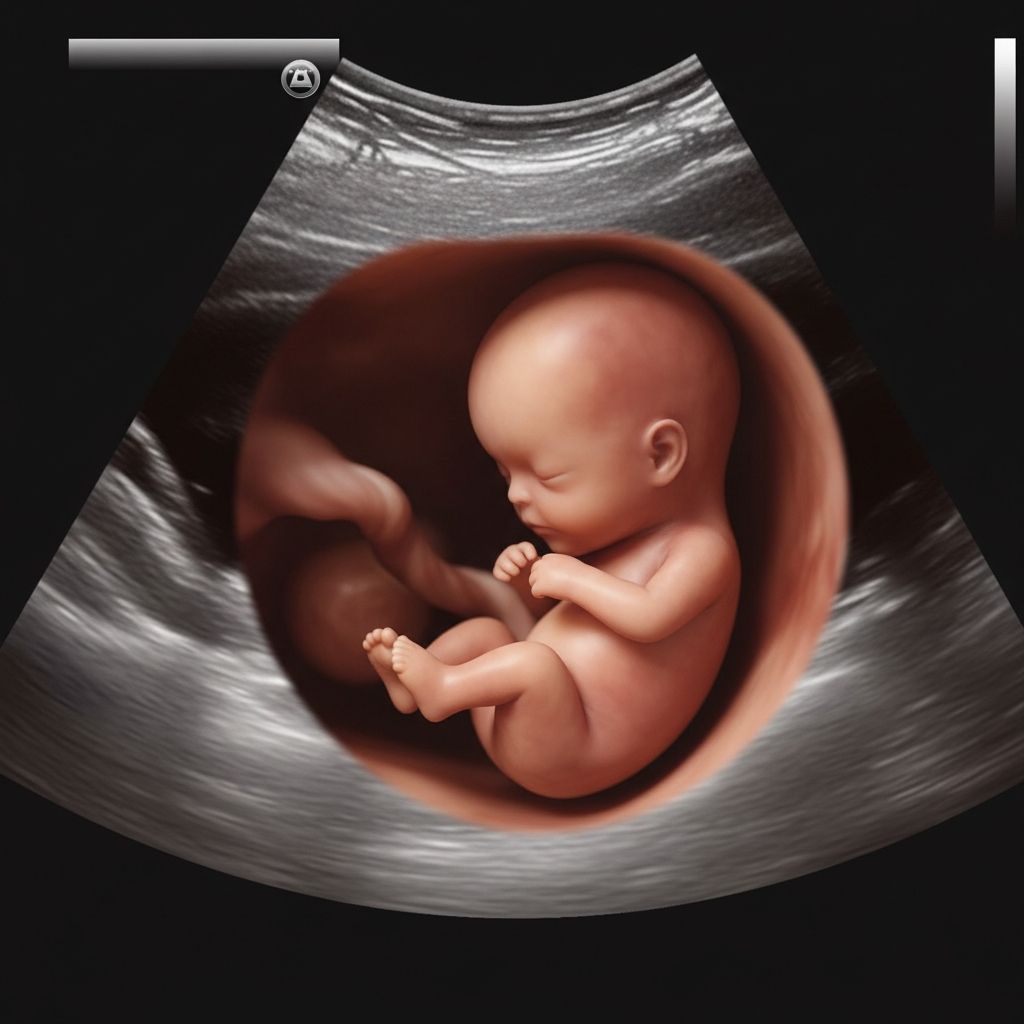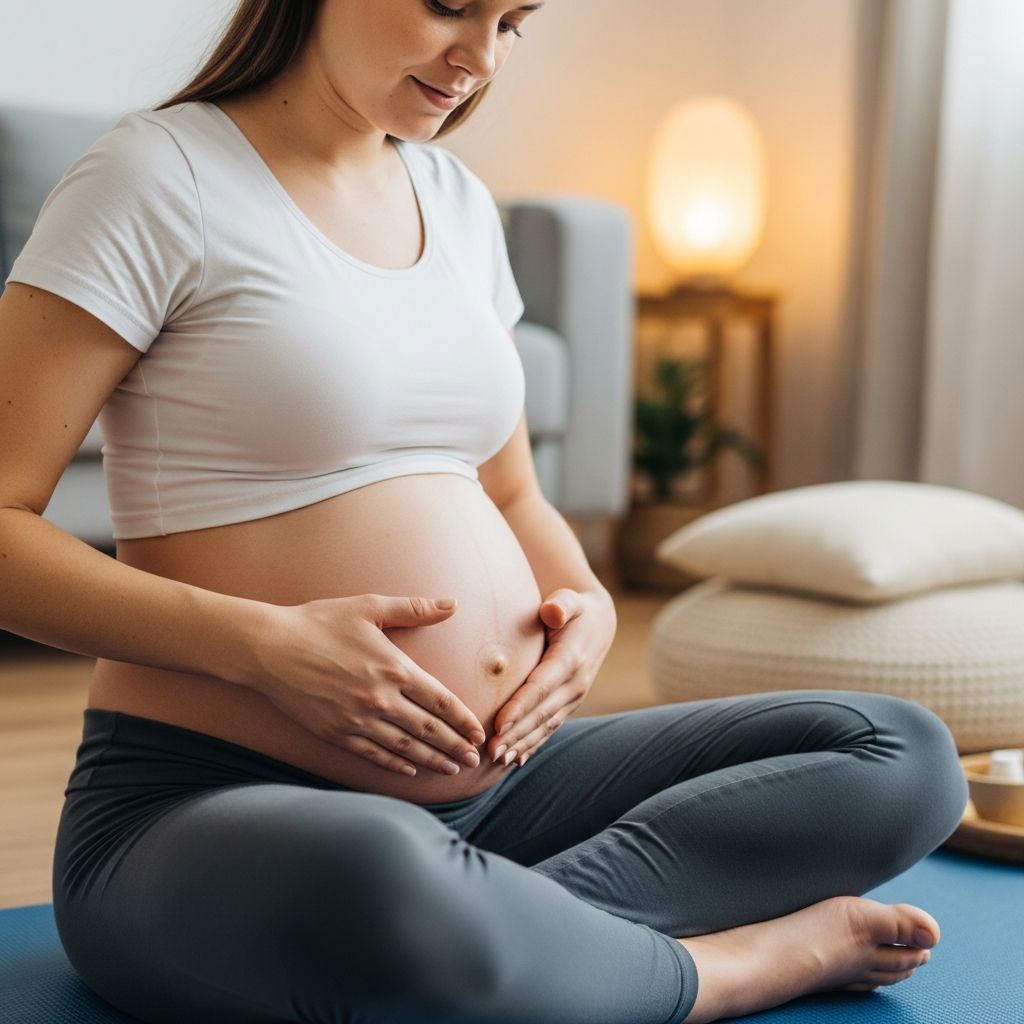
Perineal massage is a simple, evidence-supported practice that prepares the tissues between the vagina and anus for childbirth, significantly lowering risks of tears and surgical cuts.
Understanding the Perineum’s Role in Childbirth
The perineum forms the muscular and connective tissue bridge supporting pelvic organs, enabling upright posture, continence, and childbirth passage. During delivery, this area must stretch extensively to accommodate the baby’s head, often leading to tears if inflexible.
Tears are graded by severity: first- and second-degree involve skin and muscle, while third- and fourth-degree extend to anal sphincters and rectum, risking long-term incontinence and pain. Episiotomies, once routine, now occur less but still prolong recovery when needed.
Regular massage enhances elasticity, boosts circulation, and familiarizes birthing individuals with stretching sensations, promoting relaxation during crowning.
Scientific Evidence Supporting Perineal Massage
Meta-analyses confirm benefits, especially for first-time vaginal births. One review of over 3,000 participants showed a 64% relative risk reduction in severe tears (third/fourth-degree) with massage versus controls.
For primiparous women, intact perineum rates rose from 15% to 24% in massage groups. Additional gains include fewer episiotomies, reduced perineal pain postpartum, shorter pushing stages, improved wound healing, and lower fecal incontinence.
| Benefit | Evidence for First-Time Births | Effect for Repeat Births |
|---|---|---|
| Severe Tear Reduction | 64% lower risk | Limited benefit |
| Episiotomy Reduction | Significant decrease | Minimal |
| Postpartum Pain | Less pain, faster recovery | Some relief |
| Pushing Phase | Shorter duration | No change |
Benefits are most pronounced where episiotomy rates exceed 20%, though modern low-rate settings still see gains in pain reduction. No adverse neonatal effects noted; some studies report slightly better Apgar scores.
Optimal Timing and Frequency
Begin at 34-35 weeks gestation, after consulting a healthcare provider. Perform 3-4 times weekly for 5-10 minutes, ideally daily near term.
- Primiparous: Start earlier for maximum tissue adaptation.
- Repeat births: Optional, as evidence is weaker.
- Avoid if active infections, preterm labor risk, or vaginal bleeding.
Consistency yields suppleness; initial discomfort fades with practice.
Step-by-Step Guide to Self-Perineal Massage
Prepare a private, relaxed space with good lighting. Use a mirror initially for accuracy.
- Warm Up: Empty bladder, wash hands/thoroughly clean vulva. Apply vitamin E oil, coconut oil, or water-based lubricant generously to perineum and thumbs.
- Position Comfortably: Sit propped against pillows with knees bent wide (butterfly pose), or stand with one leg elevated. Relax pelvic floor via deep breaths.
- Initial Sweeps: Place thumbs 1-2 inches inside vagina, press downward toward anus for 30-60 seconds per side, using firm but tolerable pressure.
- Stretch Outward: Sweep thumbs apart side-to-side, mimicking birth stretch. Hold 30 seconds, relax muscles consciously. Repeat 5-10 times.
- Build Intensity: Gradually increase pressure to simulate crowning burn. Breathe through sensations. Total session: 5-10 minutes.
- Finish Gently: Wipe area, note progress in journal.
Expect tingling or burning early on—this mimics labor and builds tolerance.
Partner-Assisted Perineal Massage Techniques
Partners provide better reach and pressure control. Communicate constantly for comfort levels.
- Partner washes hands, trims nails, applies lubricant.
- Recipient reclines with hips elevated, legs apart.
- Use index/middle fingers inside vagina, pressing down/out as described.
- Incorporate breathing exercises: Inhale to relax, exhale through stretch.
Partners: Watch tutorials, go slow, praise relaxation efforts. This fosters birth team intimacy.
Complementary Practices for Perineal Health
Enhance massage with:
- Warm Compresses: During labor, apply to perineum to further reduce tears.
- Pelvic Floor Exercises: Kegels strengthen, reverse Kegels relax—balance daily.
- Positioning in Labor: Hands-and-knees or side-lying eases perineal pressure.
- Nutrition: Vitamin C, zinc, collagen support tissue integrity.
Who Should Avoid or Modify This Practice
Consult providers if:
- History of cervical incompetence or preterm birth.
- Vaginal infections, herpes outbreaks, or hemorrhoids.
- Preeclampsia or other complications.
Monitor for pain beyond mild stretch; discontinue if concerned.
Postpartum Perineal Care After Massage Prep
Even with preparation, gentle care aids recovery:
- Cold packs first 24 hours, then warm sitz baths.
- Stool softeners prevent straining.
- Pelvic floor therapy if incontinence persists.
Frequently Asked Questions
Is perineal massage painful?
Initially yes—a burning stretch, but it lessens quickly and prepares for labor sensations.
Does it work for all births?
Strongest evidence for first vaginal births; repeat mothers see pain relief mainly.
How soon do I start seeing benefits?
Tissues adapt within 1-2 weeks of regular practice.
Can I use lotions or oils?
Yes—natural oils like olive or almond; avoid irritants. Test for allergies.
Will it affect my baby?
No evidence of harm; some studies show better outcomes.
Real Experiences from Expectant Parents
Many report newfound confidence: “The burn in practice was nothing compared to crowning,” shares one first-time mom. Partners note bonding: “It made us a stronger team.” Studies echo: 80%+ continue after starting due to comfort gains.
Integrate into routines like evening wind-downs for sustainability.
References
- Perineal Massage During Pregnancy [Step by Step Guide] — American Pregnancy Association. 2023. https://americanpregnancy.org/healthy-pregnancy/labor-and-birth/perineal-massage-pregnancy/
- Perineal massage — Pregnancy Birth & Baby. 2024. https://www.pregnancybirthbaby.org.au/perineal-massage
- EBB 216 – The Evidence on Prenatal Perineal Massage — Evidence Based Birth. 2023-10-17. https://evidencebasedbirth.com/the-evidence-on-prenatal-perineal-massage-for-preventing-tears-in-childbirth-with-dr-rebecca-dekker/
- How to do perineal massage: a step-by-step guide — NCT. 2024. https://www.nct.org.uk/information/labour-birth/planning-birth/how-do-perineal-massage-step-step-guide
- Practising perineal massage during your pregnancy — The Royal Women’s Hospital. 2023-05-23. https://thewomens.r.worldssl.net/images/uploads/fact-sheets/Practising-perineal-massage-during-your-pregnancy-230503.pdf
- Childbirth: Perineal Massage Before Labour — MyHealth Alberta. 2024. https://myhealth.alberta.ca/Health/pages/conditions.aspx?hwid=tn10339