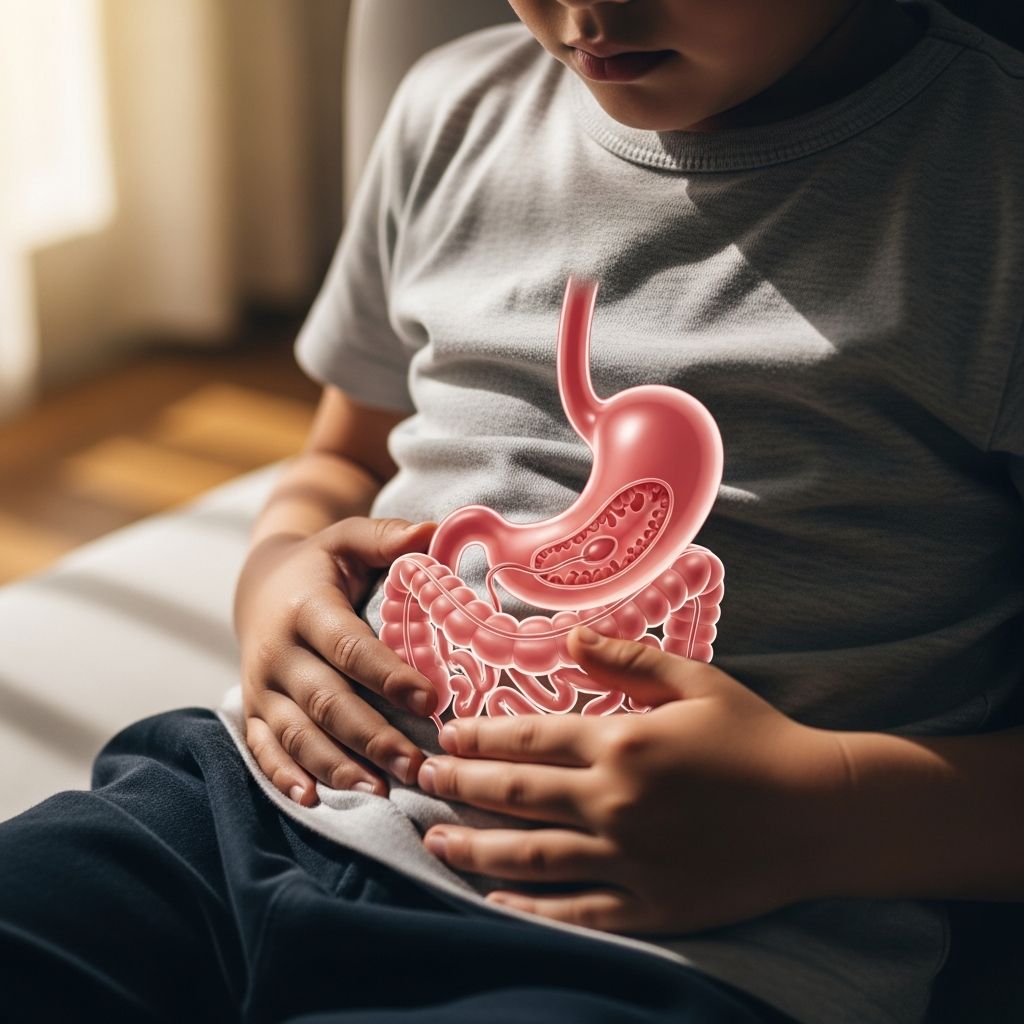
Peptic ulcers are open sores that develop on the inner lining of the stomach or the upper part of the small intestine, known as the duodenum. While more common in adults, they can affect children, causing discomfort and requiring prompt parental attention. These ulcers form when the protective mucus layer is compromised, allowing stomach acid to erode the tissue beneath.
Recognizing the Signs: Common Symptoms in Kids
Many children with peptic ulcers experience no symptoms, but when present, they often include a burning or gnawing pain in the upper abdomen. This pain typically worsens when the stomach is empty, such as between meals or at night, and may temporarily ease after eating or taking antacids. Other signs parents should watch for include:
- Persistent heartburn or acid reflux sensations
- Nausea or frequent vomiting
- A bloated feeling or excessive belching
- Intolerance to fatty or greasy foods
- Unexplained weight loss or poor appetite
In severe cases, children might notice dark, tarry stools indicating bleeding or vomit that resembles coffee grounds, signaling urgent medical needs. Unlike adult cases, kids may not articulate pain clearly, so observe changes in behavior like irritability during mealtimes or reluctance to eat.
Primary Culprits: What Triggers Ulcers in Young Ones
The leading cause of peptic ulcers in children mirrors adults: infection with Helicobacter pylori (H. pylori), a spiral-shaped bacterium that burrows into the stomach’s mucous lining. This germ inflames the tissue, weakening defenses against acid and fostering ulcer development. H. pylori spreads through contaminated food, water, or close contact like kissing, thriving in about half of the world’s population without always causing harm.
Another major factor is prolonged use of nonsteroidal anti-inflammatory drugs (NSAIDs), such as ibuprofen or naproxen, often given for fevers, headaches, or sports injuries. These medications inhibit protective prostaglandins, thinning the mucus barrier and exposing the lining to acid damage. Contrary to myths, stress, spicy foods, or acidic diets do not initiate ulcers but can exacerbate symptoms.
| Cause | Mechanism | Prevalence in Children |
|---|---|---|
| H. pylori Infection | Weakens mucus, causes inflammation | Most common globally |
| NSAID Use | Reduces protective prostaglandins | Common in medicated kids |
| Rare Factors (e.g., Zollinger-Ellison syndrome) | Excess acid production | Uncommon |
Diagnosis: How Doctors Confirm Ulcers in Children
Diagnosing peptic ulcers starts with a detailed history of symptoms, medication use, and family health. Non-invasive tests include breath or stool tests for H. pylori, which detect bacterial byproducts reliably. Blood tests can identify antibodies but may not distinguish active from past infections.
For confirmation, upper endoscopy (esophagogastroduodenoscopy or EGD) is gold standard: a flexible tube with a camera visualizes the stomach and duodenum, allowing biopsies to check for H. pylori or malignancy (rare in kids). Imaging like barium X-rays is less common now due to endoscopy’s precision. In children, sedation ensures comfort during these procedures.
Treatment Strategies: Healing Your Child’s Ulcer
Treatment targets the root cause while promoting healing. For H. pylori-positive ulcers, a 7-14 day regimen of two antibiotics (e.g., amoxicillin, clarithromycin) plus a proton pump inhibitor (PPI) like omeprazole eradicates the bacteria in most cases. PPIs drastically cut acid production, shielding the ulcer as it mends naturally over 4-8 weeks.
If NSAIDs are the trigger, doctors recommend stopping them or switching to alternatives like acetaminophen. Protective agents such as sucralfate coat the ulcer, and H2 blockers like ranitidine further suppress acid. Lifestyle tweaks aid recovery: smaller, frequent meals; avoiding irritants like caffeine; and elevating the head during sleep for reflux-prone kids.
Follow-up testing confirms H. pylori clearance, as recurrence risks stomach cancer long-term if untreated. Most ulcers heal fully with adherence, but refractory cases (not healing after 8-12 weeks) may need surgery like vagotomy.
Potential Complications: What Parents Need to Know
Untreated peptic ulcers can lead to bleeding, perforation (hole in stomach wall), or obstruction from scarring. Bleeding manifests as anemia or hematemesis; perforation causes sudden, intense pain needing emergency care. Penetration into adjacent organs is rarer.
Chronic H. pylori raises risks for gastritis or, in adulthood, gastric cancer, underscoring eradication’s importance. In children, complications are less frequent with timely intervention, but vigilance prevents escalation.
Preventing Recurrence: Practical Tips for Families
Prevention focuses on hygiene and smart medication use. Teach handwashing, safe food handling, and clean water consumption to curb H. pylori. Limit NSAIDs; use lowest effective doses shortest durations, or opt for PPI co-therapy if unavoidable.
- Encourage a balanced diet rich in fruits, vegetables, and fiber
- Promote stress management via play, sleep routines, and family time
- Avoid tobacco exposure and excessive alcohol (relevant for older kids)
- Schedule regular check-ups for at-risk children
Post-treatment, monitor for symptom return and retest H. pylori annually if high-risk.
Lifestyle Adjustments for Lasting Digestive Wellness
Beyond meds, dietary shifts matter. Opt for bland, non-spicy foods during flares; probiotics may support gut flora post-antibiotics. Weight management reduces abdominal pressure. Quitting smoking in households helps, as does moderating caffeine and carbonated drinks.
Frequently Asked Questions (FAQs)
Can peptic ulcers in children be caused by diet alone?
No, diet doesn’t cause ulcers, but spicy or acidic foods can worsen pain. Focus on balanced nutrition.
How long does treatment take for a child’s ulcer?
H. pylori therapy is 1-2 weeks; full healing 4-8 weeks with PPIs.
Is endoscopy safe for kids?
Yes, with sedation, it’s routine and low-risk.
Do all H. pylori infections lead to ulcers?
No, only some; factors like genetics play a role.
What if my child refuses antibiotics?
Discuss flavored options or alternatives with your doctor; adherence is key.
Expanding on Causes: Deep Dive into H. pylori
H. pylori’s resilience stems from urease enzyme neutralizing acid. It colonizes 50% globally, higher in developing areas via fecal-oral route. In kids, symptoms mimic other tummy issues, delaying diagnosis.
NSAIDs and Kids: Balancing Pain Relief with Gut Safety
Parents often reach for ibuprofen for fevers, but chronic use (e.g., juvenile arthritis) heightens risks. Guidelines suggest paracetamol first; PPIs prophylactically for long-term NSAID needs.
When to Rush to the ER: Red Flag Symptoms
Seek immediate help for severe pain, bloody stools/vomit, fainting, or vomiting blood—signs of hemorrhage or perforation.
This guide empowers parents to navigate peptic ulcers confidently. Consult pediatric gastroenterologists for tailored advice.
References
- Peptic ulcers: causes, symptoms and treatment — UCI Health. 2023-10-01. https://www.ucihealth.org/blog/2023/10/peptic-ulcers
- Peptic Ulcer Disease — Mayo Clinic Health System. Accessed 2026. https://www.mayoclinichealthsystem.org/locations/red-wing/services-and-treatments/gastroenterology-and-hepatology/digestive-disorders/peptic-ulcer-disease
- Peptic ulcer – Symptoms and causes — Mayo Clinic. Accessed 2026. https://www.mayoclinic.org/diseases-conditions/peptic-ulcer/symptoms-causes/syc-20354223
- Peptic Ulcer Disease — Merck Manuals. Accessed 2026. https://www.merckmanuals.com/home/digestive-disorders/gastritis-and-peptic-ulcer-disease/peptic-ulcer-disease
- Peptic Ulcer Disease – StatPearls — NCBI Bookshelf. 2023-07-17. https://www.ncbi.nlm.nih.gov/books/NBK534792/
- Peptic ulcer – Diagnosis and treatment — Mayo Clinic. Accessed 2026. https://www.mayoclinic.org/diseases-conditions/peptic-ulcer/diagnosis-treatment/drc-20354229