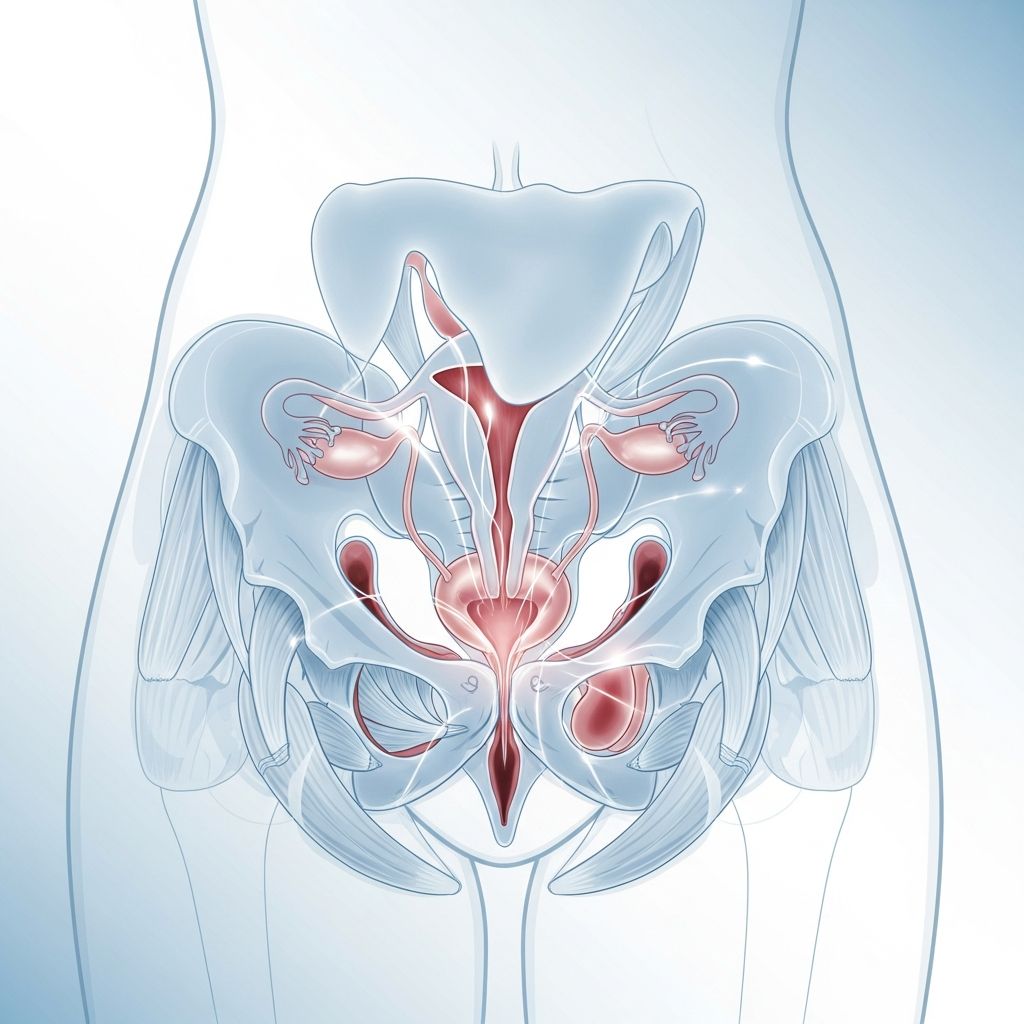
Pelvic organ prolapse occurs when weakened pelvic floor muscles and tissues fail to support organs like the bladder, uterus, rectum, or small intestine, allowing them to descend into or bulge from the vagina.
Recognizing the Signs of Pelvic Floor Weakness
Many women first notice pelvic organ prolapse through subtle yet persistent discomforts that disrupt daily life. A primary indicator is a sensation of heaviness or pressure in the pelvic region, often described as feeling like something is dragging or pulling inside the lower abdomen. This pressure typically intensifies throughout the day, worsening with prolonged standing, coughing, or straining.
Visible or tangible changes are common, such as seeing or feeling a bulge at the vaginal opening, sometimes likened to ‘sitting on a ball.’ Urinary issues frequently accompany these sensations, including incontinence—leaking urine during sneezes, coughs, or exercise—frequent urges, incomplete bladder emptying, or a weak stream. Bowel dysfunctions, like constipation, straining, or the need to manually support the vaginal bulge (splinting) to pass stool, also signal prolapse.
Sexual intercourse may provoke pain, discomfort, or a sense of incomplete emptying post-activity. Lower back pain, groin discomfort, and challenges inserting tampons round out typical complaints. Symptoms vary by prolapse type and severity; mild cases might remain unnoticed until routine exams, while advanced ones significantly impair quality of life.
Types of Pelvic Organ Prolapse Explained
Pelvic organ prolapse manifests in distinct forms based on the affected organ:
- Cystocele (Bladder Prolapse): The bladder drops into the front vaginal wall, causing pelvic pressure, stress incontinence, and difficulty fully emptying the bladder.
- Rectocele (Rectal Prolapse): The rectum bulges through the rear vaginal wall, leading to constipation, incomplete evacuation, and the need for splinting during bowel movements.
- Enterocele: Small intestine segments protrude, often resulting in pelvic pressure and backache.
- Uterine Prolapse: The uterus descends into the vaginal canal, widening the opening and causing heaviness or back pain.
- Vault Prolapse: Post-hysterectomy, the vaginal apex falls, mimicking other types’ symptoms.
Multiple types often coexist due to shared pelvic floor vulnerabilities.
Primary Causes and Risk Factors
The root cause is weakening of pelvic support structures—muscles, ligaments, and fascia—from injury or degeneration. Vaginal childbirth tops the list, especially with multiple pregnancies, large babies, forceps use, or prolonged labor, as these traumatize the levator ani muscles and connective tissues.
| Risk Factor | Description | Impact Level |
|---|---|---|
| Childbirth | Vaginal delivery, high parity, instrumental births | High |
| Age & Menopause | Tissue weakening over time, estrogen decline | High |
| Obesity | Chronic intra-abdominal pressure | Moderate-High |
| Chronic Straining | Coughing (e.g., COPD), constipation, heavy lifting | Moderate |
| Pelvic Surgery | Hysterectomy or prior repairs disrupt supports | Moderate |
| Genetics/Connective Tissue Disorders | Inherited weaknesses | Variable |
Postpartum women face elevated risks due to pregnancy’s strain and delivery trauma, compounded by obesity or constipation.
How Diagnosis Works in Clinical Practice
Diagnosis begins with a detailed history of symptoms, obstetric background, and risk factors, followed by a pelvic exam—often with standing or straining (Valsalva maneuver) to observe organ descent. Standardized systems like Pelvic Organ Prolapse Quantification (POP-Q) measure prolapse extent objectively.
Additional tests may include urodynamics for urinary issues, defecography for bowel problems, or imaging like ultrasound/MRI for complex cases. Routine gynecologic visits can detect asymptomatic prolapse.
Non-Surgical Management Strategies
Conservative approaches suit mild-to-moderate cases or surgery-averse patients. Pelvic floor muscle training (PFMT), or Kegels, strengthens supports; supervised physical therapy yields best outcomes, reducing symptoms in 60-80% of cases.
- Identify muscles by stopping urine mid-flow.
- Contract for 5-10 seconds, relax equally; 3 sets of 10 daily.
- Progress to functional activities.
Pessaries—vaginal support devices—relieve symptoms in 60-80% of users, fitted by providers and removable for hygiene. Lifestyle changes are crucial: weight loss, constipation prevention (fiber, fluids), cough management, avoiding heavy lifts.
Surgical Interventions for Severe Cases
Surgery is reserved for failures of conservative care or severe symptoms impacting life quality. Options include native tissue repairs, mesh augmentations (controversial due to complications), or obliterative procedures like colpocleisis for elderly patients.
Common procedures:
- Anterior/Posterior Colporrhaphy: Wall repairs for cystocele/rectocele.
- Sacrocolpopexy: Mesh suspension of vaginal apex to sacrum (gold standard, 90%+ success).
- Uterine suspension or hysterectomy with vault suspension.
Success rates exceed 85%, though recurrence risks persist (10-30%). Discuss risks like mesh erosion with specialists.
Postpartum Focus: Prevention and Early Action
Pregnancy and delivery profoundly stress the pelvic floor. Preventive steps include prenatal PFMT, optimal delivery positioning, and avoiding prolonged pushing. Postpartum, resume exercises 6 weeks after clearance, monitor symptoms, and seek evaluation for heaviness or incontinence.
Breastfeeding moms may delay full recovery due to hormonal shifts; consistent therapy aids rebound. Early intervention prevents progression.
Frequently Asked Questions (FAQs)
Can pelvic organ prolapse resolve without treatment?
Mild postpartum cases may improve with PFMT and lifestyle tweaks, but moderate-severe often require intervention.
Is prolapse dangerous?
Not typically life-threatening, but untreated severe prolapse risks ulcers, infections, or kidney issues from obstruction.
How does prolapse affect pregnancy?
Prior prolapse may complicate future pregnancies; consult providers on risks and C-section viability.
Can I exercise with prolapse?
Low-impact yes (walking, swimming); avoid high-impact until managed. Pelvic PT guides safe routines.
What’s the recovery like after prolapse surgery?
Expect 4-6 weeks downtime, with full benefits in 3 months. PFMT continues lifelong.
Living Well with Pelvic Floor Awareness
Pelvic organ prolapse, though common (up to 50% of parous women show exam findings), need not define life. Proactive strengthening, prompt symptom reporting, and tailored care restore comfort and activity. Consult urogynecologists or pelvic specialists for personalized plans.
References
- Pelvic organ prolapse — Office on Women’s Health. Accessed 2026. https://womenshealth.gov/a-z-topics/pelvic-organ-prolapse
- Pelvic organ prolapse – Symptoms and causes — Mayo Clinic Staff. 2024-04-26. https://www.mayoclinic.org/diseases-conditions/pelvic-organ-prolapse/symptoms-causes/syc-20360557
- Pelvic organ prolapse — NHS. Accessed 2026. https://www.nhs.uk/conditions/pelvic-organ-prolapse/
- Pelvic Organ Prolapse – Symptoms and Causes — Penn Medicine. Accessed 2026. https://www.pennmedicine.org/conditions/pelvic-organ-prolapse
- All About Pelvic Organ Prolapse — Magee-Womens Research Institute. Accessed 2026. https://mageewomens.org/for-researchers/research-centers/all-about-pelvic-organ-prolapse
- Do I Have Pelvic Organ Prolapse (POP)? | Causes & Symptoms — Female Pelvic Solutions. Accessed 2026. https://www.femalepelvicsolutions.com/prolapse/what-is-prolapse/
- Pelvic Organ Prolapse — StatPearls, NCBI Bookshelf. Accessed 2026. https://www.ncbi.nlm.nih.gov/books/NBK563229/