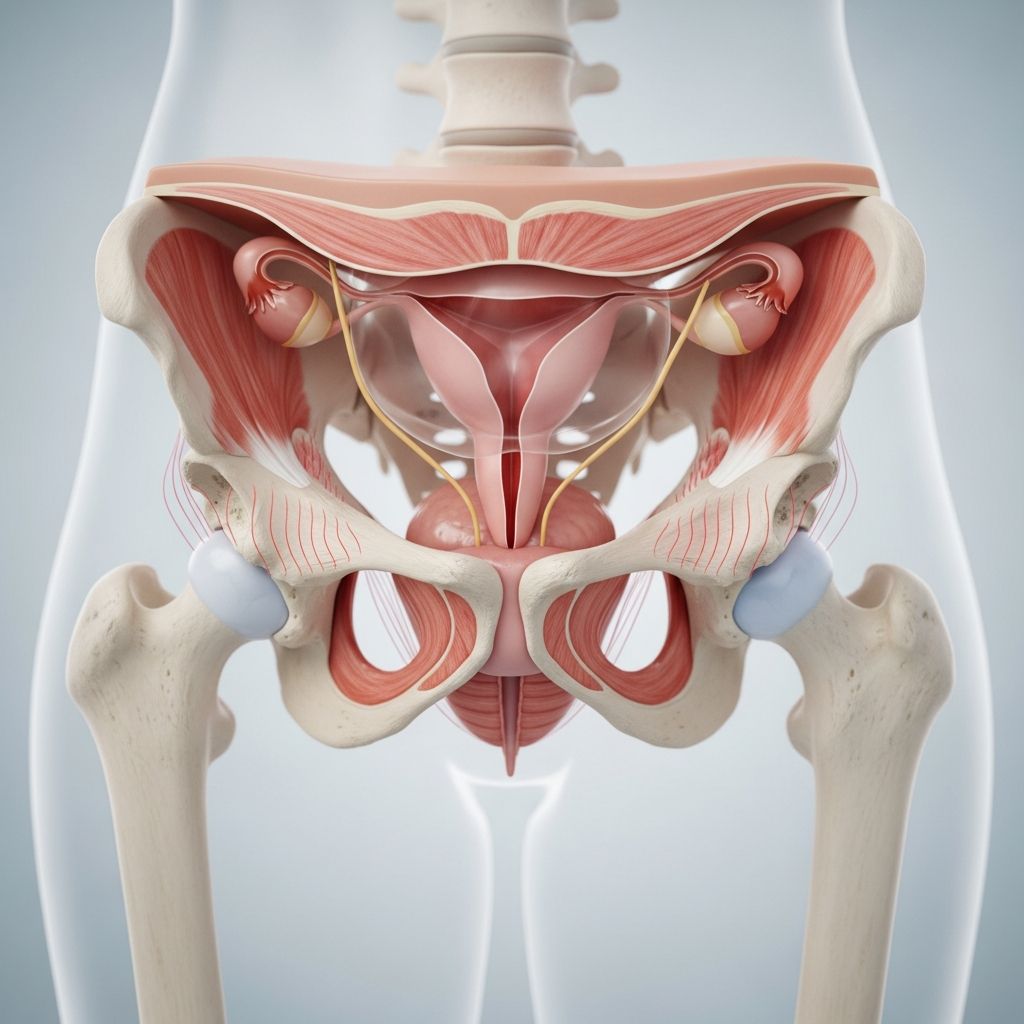
The pelvic floor comprises a network of muscles, ligaments, and tissues that support vital organs such as the bladder, uterus, and rectum. When these structures weaken, it can disrupt daily life, leading to issues with bladder control, bowel function, and sexual health. This comprehensive guide explores the primary indicators of pelvic floor weakness, underlying causes, diagnostic approaches, and practical management strategies to empower individuals toward better pelvic wellness.
Understanding the Pelvic Floor’s Vital Role
Acting like a supportive sling at the pelvis’s base, the pelvic floor maintains organ position and controls continence during activities like coughing or lifting. Weakness often stems from childbirth, aging, or chronic straining, affecting women disproportionately due to anatomical differences, including the vaginal opening that increases vulnerability to disorders.
Strong pelvic muscles ensure seamless coordination between contraction and relaxation for urination, defecation, and intimacy. Disruption in this balance manifests through various symptoms, signaling the need for intervention to prevent progression to severe conditions like prolapse.
Primary Symptoms of Pelvic Floor Weakness
Recognizing early signs is crucial for timely management. Common manifestations include:
- Urinary leakage during exertion: Stress incontinence occurs when coughing, sneezing, or exercising causes unintended urine release due to insufficient muscle support around the urethra.
- Sudden, intense urges to urinate: Urge incontinence involves a compelling need to void, often without warning, linked to poor pelvic muscle control.
- Frequent nighttime urination: Nocturia disrupts sleep as individuals wake multiple times to urinate, even if the bladder isn’t full.
- Bowel control challenges: Fecal incontinence leads to accidental leakage, stemming from weakened anal sphincter support.
- Sensation of incomplete emptying: Persistent feelings of residual urine or stool indicate dysfunctional muscle coordination.
These symptoms can vary in intensity but often worsen with time if unaddressed, impacting confidence and routine activities.
Severe Manifestations: Prolapse and Persistent Pain
Beyond continence issues, advanced weakness may cause pelvic organ prolapse, where organs descend into the vaginal canal, creating a noticeable bulge or dragging sensation. Women frequently describe it as ‘something falling out’ or pelvic heaviness, particularly during prolonged standing.
Chronic discomfort compounds the problem:
- Pelvic or lower back pain that persists without clear cause.
- Perineal ache between the anus and genitals.
- Discomfort during or after bowel movements due to straining.
Sexual intimacy may also suffer, with reports of pain (dyspareunia) or reduced sensation from muscle laxity.
Risk Factors Accelerating Pelvic Floor Decline
Certain life stages and habits heighten susceptibility. Vaginal delivery, especially first births, exerts significant strain, with effects emerging immediately or years later. Menopause exacerbates risks as estrogen decline weakens supporting tissues.
| Risk Factor | Impact on Pelvic Floor | Prevalence Notes |
|---|---|---|
| Childbirth (vaginal) | Stretches and tears muscles | Highest after first delivery |
| Menopause | Estrogen loss reduces tissue strength | Common in postmenopausal women |
| Chronic constipation | Straining weakens support | Promotes prolapse over time |
| Obesity | Increased abdominal pressure | Elevates overall disorder risk |
| Aging | Natural muscle atrophy | Affects most over 50 |
Other contributors include heavy lifting, high-impact sports, and respiratory conditions causing frequent coughing.
Diagnostic Approaches for Accurate Assessment
Healthcare providers employ multifaceted evaluations. Initial consultations review symptoms, medical history, including pregnancies and menopause status. Physical exams assess muscle strength:
- External observation for bulging during straining.
- Internal digital exam to test contraction and relaxation.
- Rectal exam for sphincter tone and anomalies like fissures.
Advanced tests include urodynamics to measure bladder emptying and urine flow, revealing weak streams or retention. Imaging or speculum exams visualize prolapse.
Effective Strategies for Strengthening and Management
Conservative treatments form the first line. Pelvic floor exercises (Kegels) target muscle endurance:
- Identify muscles by stopping urine midstream (do not practice regularly this way).
- Contract for 5-10 seconds, relax equally, repeat 10-15 times, 3x daily.
- Progress to functional integration during coughs or squats.
Physical therapy with biofeedback enhances outcomes, using sensors to visualize muscle activity.[10] Lifestyle adjustments mitigate risks: manage constipation with fiber and hydration, maintain healthy weight, avoid straining.
For persistent cases, options include pessaries (supportive devices) or surgery to reinforce tissues, particularly for prolapse.
Lifestyle Tips to Bolster Pelvic Resilience
Daily habits fortify the pelvic floor:
- Incorporate core-strengthening yoga or Pilates, emphasizing breath control.
- Practice proper toilet posture with a footstool to ease defecation.
- Limit caffeine and alcohol to reduce bladder irritation.
- Engage in low-impact exercises like swimming over high-intensity runs.
Consistent adherence yields noticeable improvements within weeks, restoring continence and comfort.
When to Seek Professional Guidance
Consult a specialist—urogynecologist or pelvic physiotherapist—if symptoms persist beyond weeks, interfere with life, or include new pain, recurrent infections, or prolapse. Early action prevents complications like kidney issues from retention.
Pregnant or postpartum individuals should screen routinely, as vulnerabilities peak then.
Frequently Asked Questions (FAQs)
Can men experience pelvic floor weakness?
Yes, though less common, men face issues from prostate surgery, aging, or obesity, presenting as incontinence or pain.
How long until Kegels show results?
Improvements often appear in 4-6 weeks with daily practice; consistency is key.
Is surgery always necessary for prolapse?
No, many manage with therapy or pessaries; surgery reserved for severe, symptomatic cases.
Does menopause irreversibly weaken the pelvic floor?
Estrogen decline contributes, but exercises and hormone therapy can counteract effects.
Can pelvic floor issues cause UTIs?
Yes, incomplete emptying fosters bacterial growth, leading to frequent infections.
References
- Signs Your Pelvic Floor Might Be Weak — River City OBGYN. Accessed 2026. https://rivercityobgyn.com/signs-your-pelvic-floor-might-be-weak/
- Is Your Pelvic Floor Weak? 5 Signs to Look For — Hackensack Meridian Health. 2024-07-31. https://www.hackensackmeridianhealth.org/en/healthu/2024/07/31/is-your-pelvic-floor-weak
- Pelvic Floor Dysfunction — NCBI Bookshelf / StatPearls. Accessed 2026. https://www.ncbi.nlm.nih.gov/books/NBK559246/
- Pelvic Floor Dysfunction — Western Michigan Urological Associates. Accessed 2026. https://wmuro.com/womens-urology/pelvic-floor-dysfunction/
- Pelvic Floor Dysfunction & Physical Therapy — Aurora Health Care. Accessed 2026. https://www.aurorahealthcare.org/services/womens-health/services-treatments/pelvic-floor-dysfunction
- Pelvic Floor Dysfunction: What It Is, Symptoms & Treatment — Cleveland Clinic. Accessed 2026. https://my.clevelandclinic.org/health/diseases/14459-pelvic-floor-dysfunction