Understanding Your Pelvic Floor During Pregnancy and Beyond
The pelvic floor represents a critical yet often overlooked component of women’s health, particularly during pregnancy and the postpartum period. This network of muscles, ligaments, and connective tissue provides essential support for the bladder, uterus, and bowel. As pregnancy progresses and delivery occurs, the pelvic floor undergoes significant transformations that can have lasting effects on a woman’s quality of life, continence, sexual function, and overall comfort.
Understanding these changes empowers women to recognize symptoms early, seek appropriate care, and implement recovery strategies that can prevent long-term complications. Whether you are expecting your first child or managing postpartum recovery, knowledge about pelvic floor health enables informed decisions about treatment and rehabilitation options available to support your healing journey.
The Physiological Transformation: How Pregnancy Affects Your Pelvic Floor
During pregnancy, your body undergoes remarkable adaptations to accommodate the growing baby and prepare for delivery. One significant change involves the release of relaxin, a hormone produced by the ovaries and placenta. This hormone functions to loosen joints, muscles, and ligaments throughout your body, allowing tissues to stretch and expand. While this flexibility proves beneficial for accommodating fetal growth, it creates challenges for pelvic stability.
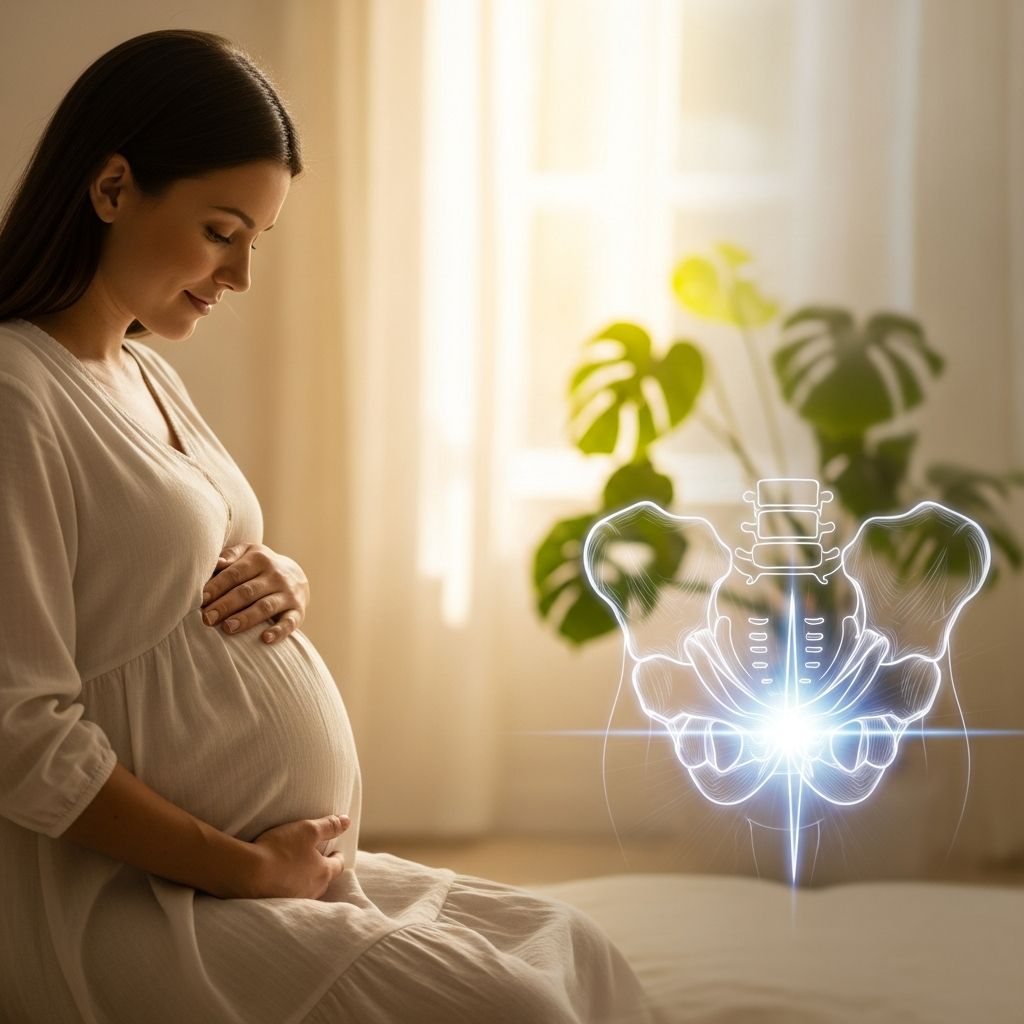
As your uterus expands, the horizontal width of your hips increases, and continuous pressure bears down on the pelvic floor muscles. This constant load combines with hormonal relaxation to stretch and gradually weaken these supporting structures. The extent of pressure varies depending on individual pelvic outlet anatomy—some women have narrow outlets that increase strain, while others have more favorable oval-shaped pelves that distribute pressure more evenly.
This dual mechanism of weakening through hormonal effects and mechanical pressure sets the stage for pelvic floor challenges that may persist long after delivery. Some women’s bodies respond by tightening pelvic floor muscles excessively to compensate for the instability caused by loosened connective tissue, creating a different but equally problematic dysfunction pattern.
Delivery and Beyond: Immediate Physical Impact on Pelvic Structures
Childbirth itself represents a pivotal moment for pelvic floor trauma, with delivery method significantly influencing the degree of tissue damage. The process of vaginal delivery, particularly involving operative interventions like forceps or vacuum assistance, stretches and strains pelvic floor muscles intensely. Research demonstrates that women undergoing instrumental vaginal delivery experience greater pelvic floor weakness at ten months postpartum compared to those with spontaneous deliveries.
Perineal tearing occurs commonly during vaginal delivery, with severity ranging from minor surface tears to more extensive muscle and tissue damage. The location, depth, and extent of these tears directly correlate with postpartum pain duration and recovery timeline. Some women experience vulvar and vaginal discomfort extending weeks or months beyond delivery.
Even women who deliver via cesarean section are not immune to pelvic floor dysfunction. The weight-bearing stress throughout pregnancy combined with hormonal changes still affects pelvic floor tissues, despite avoiding the direct trauma of vaginal birth. Research confirms that the nine months of pregnancy itself create measurable pelvic floor changes that persist regardless of delivery method.
The Spectrum of Postpartum Pelvic Floor Dysfunction
After childbirth, pelvic floor dysfunction exists along a wide spectrum, with muscles ranging from excessively loose to abnormally tight and spastic. This variation explains why postpartum women experience different symptom patterns and recovery trajectories. Some women regain full function relatively quickly, while others struggle with persistent symptoms requiring professional intervention.
Weakness represents the most common postpartum presentation, resulting from the stretching and trauma sustained during pregnancy and delivery. The profound reduction in pelvic floor muscle strength and endurance documented after first childbirth reflects these structural changes. Women may experience a sensation of muscles “letting go” or feeling unable to engage these stabilizing structures effectively.
Conversely, some women develop excessive tension or spasm in their pelvic floor muscles as a protective response to the instability created by hormonal relaxation and stretching. This tension pattern can be equally disabling, causing pain, difficulty with intercourse, and paradoxically contributing to incontinence.
Common Postpartum Pelvic Floor Symptoms and Complications
Recognizing symptoms of pelvic floor dysfunction enables early intervention and prevents progression to chronic conditions. Women should be alert to the following manifestations:
- Urinary incontinence: Leakage during coughing, sneezing, exercising, or laughing indicates stress urinary incontinence, one of the most prevalent postpartum complications.
- Bowel dysfunction: Difficulty controlling gas or stool, or urgency affecting bowel movements, suggests pelvic floor weakness affecting rectal support.
- Pelvic pressure sensations: A feeling of heaviness, dull aching, or pressure in the pelvic region may indicate prolapse or significant muscle weakness.
- Pain during intercourse: Dyspareunia can result from muscle tension, incomplete healing of perineal tears, or scar tissue formation.
- Pain in adjacent structures: Ligament pain affecting the abdomen, hips, and groin often accompanies pelvic floor dysfunction.
- Pubic bone discomfort: Localized pain at the symphysis pubis can develop from pelvic instability.
- Back pain: Lower back discomfort frequently co-occurs with pelvic floor weakness and instability.
Pelvic organ prolapse, a condition where pelvic organs drop or bulge downward due to weakened support tissues, represents one of the more serious complications that can develop following childbirth. This condition creates sensations of bulging, pressure, or feeling that something is descending inside the vagina.
Recovery Timeline: What to Expect Postpartum
Most women experience gradual improvement in pelvic floor function during the first year after delivery. Research indicates that pelvic floor muscle function significantly recovers by one year postpartum in the majority of women, though the timeline varies considerably between individuals. However, anatomic changes may persist longer, with morphological alterations remaining measurable even two years after first delivery.
The first six weeks postpartum represent a critical healing window. During this period, tissues gradually adjust and begin strengthening. However, many women continue experiencing symptoms well beyond this initial recovery phase, particularly if they experienced instrumental delivery or significant perineal trauma.
While the pelvic floor may approach its pre-pregnancy state, research suggests it will likely never return to exactly the same condition. Understanding this helps women set realistic expectations and recognize that symptom management and optimization of remaining function represents an ongoing process rather than a temporary issue.
Evidence-Based Rehabilitation and Recovery Strategies
Rebuilding pelvic floor strength postpartum is essential for preventing incontinence, enhancing sexual health, and improving overall well-being. Multiple intervention strategies exist to support recovery:
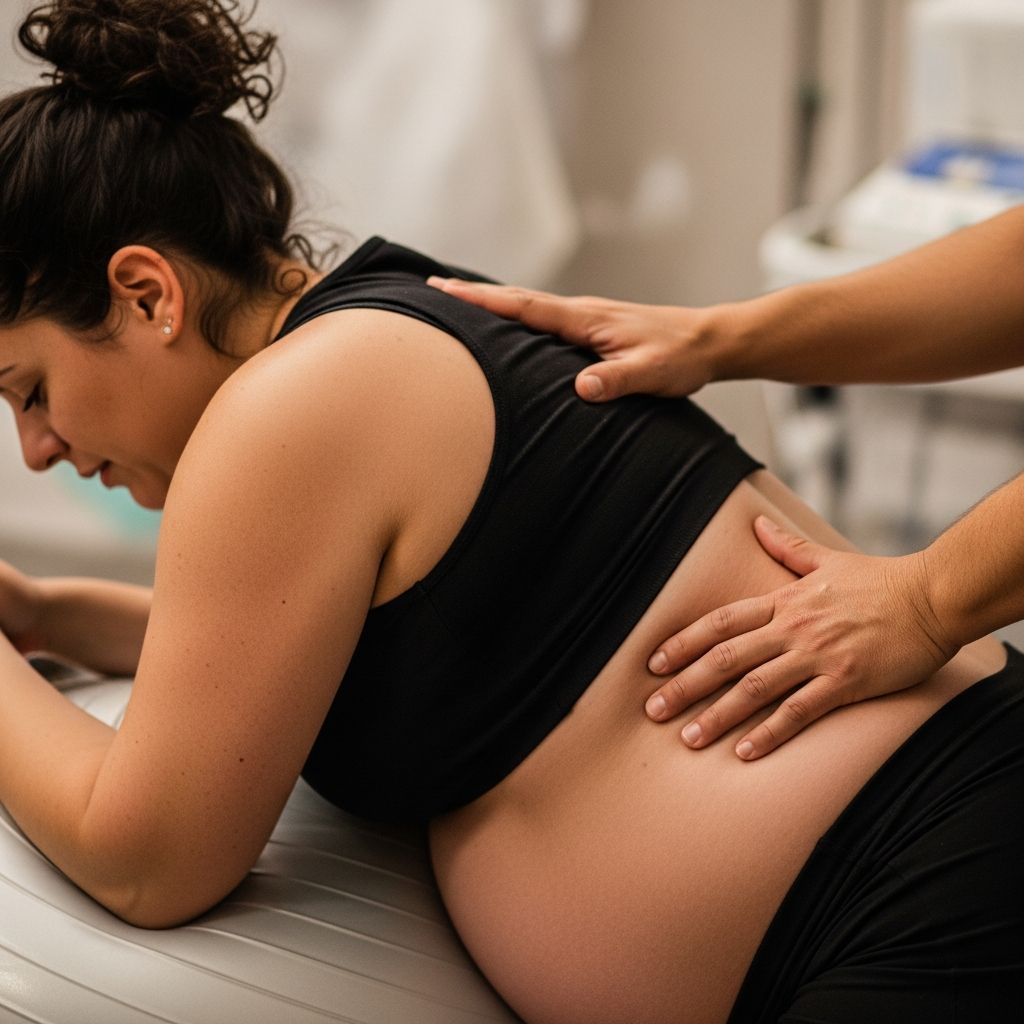
Pelvic Floor Physical Therapy: Specialized physical therapists trained in pelvic floor rehabilitation can assess muscle function, identify whether weakness or excessive tension predominates, and design targeted treatment plans. These professionals employ techniques including biofeedback, manual therapy, and progressive exercises tailored to each woman’s needs.
Progressive Strengthening Exercises: Pelvic floor exercises, commonly known as Kegel exercises, involve repeated contraction and relaxation of pelvic floor muscles. When performed correctly with appropriate progression, these exercises gradually rebuild strength and endurance. The key involves consistency, proper technique, and progressive advancement rather than assuming early success translates to adequate long-term recovery.
Lifestyle Modifications: Simple adjustments including proper body mechanics, activity pacing, and avoiding heavy lifting can reduce stress on healing tissues while supporting functional recovery. Addressing factors like chronic constipation, obesity, and chronic cough also reduces ongoing strain on compromised pelvic floor structures.
Professional Assessment: Women experiencing persistent symptoms six weeks or more after delivery should seek specialized evaluation. Various therapeutic services exist to address different presentations of pelvic floor dysfunction, from weakness to excessive tension.
Long-Term Management and Prevention Strategies
Beyond the acute postpartum period, ongoing pelvic floor maintenance supports long-term health and prevents symptom recurrence. Women should incorporate regular pelvic floor awareness into daily life, maintaining engagement of these muscles during high-demand activities like exercise, coughing, or heavy lifting.
Understanding individual risk factors enables targeted prevention. Women with specific pelvic outlet anatomies, those with higher parity, and those who experienced complicated deliveries may require more intensive or prolonged rehabilitation to achieve optimal outcomes.
Sexual health considerations deserve attention during postpartum recovery. Many women experience anxiety or discomfort regarding intercourse after delivery, particularly following perineal trauma. Gradual reintroduction of sexual activity combined with pain management and possibly continued pelvic floor work facilitates healthy sexual function restoration.
When to Seek Professional Support
While many postpartum women experience some degree of pelvic floor change, persistence or worsening of symptoms warrants professional evaluation. Women should consider specialist consultation if experiencing:
- Urinary or bowel incontinence continuing beyond six weeks postpartum
- Pain during intercourse affecting quality of life
- Sensations of heaviness or bulging suggesting prolapse
- Inability to control pelvic floor muscles despite attempted exercises
- Persistent perineal or pelvic pain interfering with daily activities
- Symptoms affecting mental health or emotional well-being
Early professional intervention often leads to superior outcomes compared to delayed treatment, as addressing dysfunction promptly prevents compensatory patterns and additional tissue damage from developing.
Special Considerations for Multiple Pregnancies and Deliveries
Women with multiple pregnancies face cumulative pelvic floor stress, with each pregnancy adding additional strain and each delivery creating new trauma. The parity history—the number of prior deliveries—influences pelvic floor health, with increased parity generally correlating with greater dysfunction risk.
Women planning additional pregnancies should prioritize pelvic floor health optimization between pregnancies, addressing any residual dysfunction before becoming pregnant again. This proactive approach may reduce symptom severity with subsequent pregnancies and deliveries.
Frequently Asked Questions
Is pelvic floor weakness after pregnancy permanent?
Most women recover pelvic floor strength within one year of delivery, though the tissue may not return to its exact pre-pregnancy state. However, persistent weakness or dysfunction lasting beyond six weeks warrants professional evaluation and targeted rehabilitation, which often successfully restores function.
Will cesarean delivery prevent pelvic floor problems?
While cesarean delivery avoids direct vaginal trauma, pregnancy itself affects the pelvic floor through weight-bearing and hormonal changes. Women who deliver via cesarean may still experience pelvic floor dysfunction, though typically less severely than those with vaginal delivery, particularly instrumental delivery.
How long should I wait before starting pelvic floor exercises?
Most healthcare providers recommend waiting until initial healing has occurred, typically around six weeks postpartum. However, timing varies based on delivery method and extent of trauma. Consultation with a healthcare provider or pelvic floor physical therapist ensures exercises are appropriate for your specific situation.
Can pelvic floor physical therapy help with persistent postpartum incontinence?
Yes, specialized pelvic floor physical therapy proves highly effective for postpartum incontinence. These therapists assess your specific dysfunction type and develop targeted treatment plans that often successfully restore continence and improve quality of life.
Should I be concerned about pelvic floor changes during my second pregnancy?
Second and subsequent pregnancies add cumulative stress to the pelvic floor. Optimizing pelvic floor health between pregnancies through targeted exercises and physical therapy before becoming pregnant again can help minimize symptom severity with subsequent pregnancies and deliveries.
References
- How Your Pelvic Floor Changes During Pregnancy — Pelvic Rehabilitation Medicine. Accessed January 2026. https://pelvicrehabilitation.com/how-your-pelvic-floor-changes-during-pregnancy/
- Strengthening Your Pelvic Floor After Childbirth: Practical Tips — Hera Health. Accessed January 2026. https://hera-health.com/postpartum-recovery-tips/
- What is known about changes in pelvic floor muscle strength and tone in women during pregnancy and after childbirth — European Journal of Midwifery. Accessed January 2026. https://www.europeanjournalofmidwifery.eu/What-is-known-about-changes-in-pelvic-floor-muscle-strength-and-tone-in-women-during,189955,0,2.html
- The Impact Of Pregnancy On The Pelvic Floor — BSW Physical Therapy. Accessed January 2026. https://www.bswphysicaltherapy.com/why-choose-us/blog/the-impact-of-pregnancy-on-the-pelvic-floor/
- Postpartum Pelvic Floor Healing — UPMC Women’s Health Services. Accessed January 2026. https://www.upmc.com/services/womens-health/services/obgyn/obstetrics/postpartum-newborn-care/postpartum/pelvic-floor
- What To Know About Pelvic Floor Health After Pregnancy — Yale New Haven Health System. Accessed January 2026. https://www.ynhhs.org/articles/pelvic-floor-health-after-pregnancy
- Postpartum Pelvic Floor Changes — National Center for Biotechnology Information. Accessed January 2026. https://pmc.ncbi.nlm.nih.gov/articles/PMC3279110/