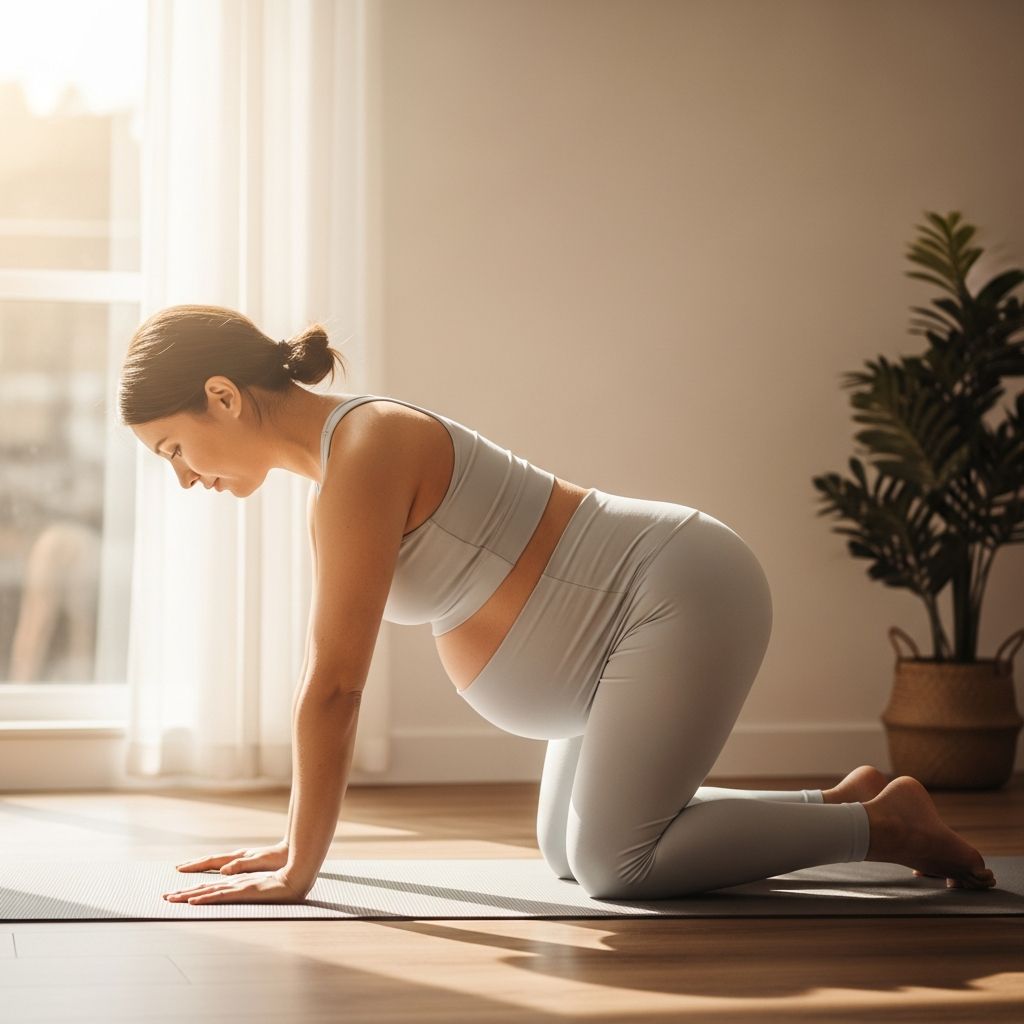
The pelvic floor forms a vital network of muscles and tissues supporting core reproductive and urinary functions. During pregnancy, these muscles endure immense pressure from the expanding uterus, hormonal shifts, and the baby’s growing weight. Regular exercises targeting this area can significantly enhance muscle tone, reduce common issues like urinary leakage, and facilitate smoother labor. Clinical studies confirm that consistent training protocols yield measurable improvements in muscle strength and incontinence reduction.
Understanding the Pelvic Floor’s Role in Pregnancy
Pelvic floor muscles stretch like a hammock from the pubic bone to the tailbone, cradling the bladder, uterus, and bowels. Pregnancy hormones like relaxin loosen ligaments, while the baby’s descent adds downward force, often leading to weakness. Weakness manifests as stress incontinence—leaking during coughs or sneezes—or pelvic pain. Strengthening these muscles supports the baby’s weight, maintains organ position, and boosts bladder control.
Evidence from randomized trials shows trained groups experience less urine leakage (from 0.86g to 0.50g on pad tests) and higher muscle contraction grades on the Oxford Scale compared to controls. Beyond physical support, strong pelvic floors correlate with improved posture, reduced back pain, and emotional well-being by minimizing discomfort.
Key Benefits of Pelvic Floor Training Throughout Pregnancy
Incorporating targeted exercises offers multifaceted advantages:
- Enhanced Bladder and Bowel Control: Reduces urinary incontinence risk, a concern for up to 50% of pregnant women, by fortifying muscle endurance.
- Pain Relief: Alleviates lower back, hip, and pelvic discomfort through better alignment and balanced muscle engagement.
- Labor Optimization: Improves flexibility and pushing efficiency, potentially shortening the second stage of delivery and lowering episiotomy needs.
- Postpartum Recovery: Accelerates healing, prevents prolapse, and restores core stability after birth.[10]
- Overall Wellness: Supports posture, decreases hemorrhoid risks, and eases constipation via improved pelvic circulation.
Health authorities like the HSE and NHS universally recommend these exercises for all pregnant individuals, regardless of prior fitness levels.
Essential Exercises to Build Pelvic Floor Strength
Start with proper technique: Imagine stopping urine flow or tightening to prevent gas passage. Avoid breath-holding; relax fully between contractions. Aim for 3 daily sessions of 10-15 reps.
Basic Kegel Contractions
These foundational moves isolate the pelvic floor. Sit or lie comfortably. Contract muscles for 5 seconds, release for 5 seconds. Progress to 10-second holds. Quick flicks (1-2 seconds) build fast-twitch fibers for coughs/sneezes.[10]
Squats with Pelvic Activation
Stand feet hip-width, lower into a squat while engaging pelvic floor at the bottom. Rise while maintaining lift. This integrates glutes and deep core for functional strength. Perform 8-12 reps.
Bridge Pose Variations
Lie on back (first two trimesters), feet flat, lift hips into bridge while squeezing pelvic floor. Hold 5-10 seconds. Advanced: Single-leg version for added challenge. Excellent for posterior chain and stability.
Happy Baby Pose for Release
Lie on back, grab feet, gently rock side-to-side. Focus on relaxing pelvic floor—crucial for labor. Balances strengthening with lengthening to prevent overtightening.
Seated Pelvic Tilts
Sit on a stability ball or chair, rock pelvis forward/back while contracting on backward tilt. Enhances awareness and mobility. Ideal for desk workers.
Table: Weekly Progression Plan
| Week | Focus | Daily Sets | Hold Time |
|---|---|---|---|
| 1-4 | Awareness & Basics | 3×10 | 3-5 sec |
| 5-12 | Strength Build | 3×15 | 8-10 sec |
| 13-28 | Endurance | 4×12 | 10-12 sec + flicks |
| 29-Birth | Flexibility & Release | 3×10 holds + poses | Variable |
Adapt for trimesters: Early focus on strength; later, emphasize release to aid fetal positioning.
Trimester-Specific Training Strategies
First Trimester: Foundation Building
Hormonal changes begin early. Daily Kegels prevent initial weakening. Combine with walking for circulation. Avoid high-impact if nauseous.
Second Trimester: Intensity Ramp-Up
As belly grows, add bridges and squats. Monitor for coning (abdominal bulging)—switch to supine alternatives if needed. Strength gains peak here per studies.
Third Trimester: Labor Prep and Mobility
Prioritize release poses, wide squats, and perineal massage. This optimizes outlet flexibility, reducing tearing risks. Home protocols post-class yield best results.
Common Mistakes and How to Avoid Them
- Glute/Abdominal Over-Engagement: Use a mirror or biofeedback app to isolate pelvic floor.[10]
- Insufficient Relaxation: Equal time contracting/releasing prevents fatigue.
- Ignoring Pain: Stop if discomfort arises; consult a specialist.
- Inconsistency: Set phone reminders; integrate into routines like brushing teeth.
Biofeedback devices or pelvic PT can refine technique for optimal results.
Integrating with Overall Pregnancy Fitness
Pair pelvic work with low-impact cardio (swimming, prenatal yoga) and deep core activation (transverse abdominis breaths). This holistic approach combats diastasis recti and SI joint pain. Always warm up and stay hydrated.
Frequently Asked Questions (FAQs)
Can I start pelvic floor exercises if I’ve never done them before?
Yes, begin anytime. Early starters see greater benefits, but third-trimester initiation still reduces incontinence.
How soon after birth should I resume?
Wait 6 weeks or doc clearance, starting gently to aid healing.
What if I feel worse after exercising?
Check technique or see a pelvic floor therapist for personalized assessment.
Are these safe for high-risk pregnancies?
Generally yes, but consult your OB-GYN first.
How do I know if my pelvic floor is weak?
Signs: Leaking, heaviness, or poor posture. Pad tests or professional eval confirm.
Long-Term Impact on Maternal Health
Beyond pregnancy, lifelong habits prevent prolapse and enhance sexual function. Studies show sustained training improves quality-of-life scores via tools like King’s Health Questionnaire. Invest now for decades of benefits.
References
- The Benefits of Pelvic Floor Therapy During Pregnancy and Birth — Petersen PT. Accessed 2026. https://petersenpt.com/benefits-of-pelvic-floor-therapy-during-pregnancy-and-birth
- Pelvic floor muscle exercises – HSE — Health Service Executive (HSE.ie). Accessed 2026. https://www2.hse.ie/pregnancy-birth/keeping-well/exercises/
- Effects of pelvic floor muscle training in pregnant women — National Library of Medicine (PMC). 2020-11-25. https://pmc.ncbi.nlm.nih.gov/articles/PMC7657576/
- Pelvic Floor Exercises in Pregnancy: Preparing Your Body for a … — Haven Birth and Wellness. Accessed 2026. https://havenbirthandwellness.com/pelvic-floor-exercises-in-pregnancy/
- Kegel Exercises | American Pregnancy Association — American Pregnancy Association. Accessed 2026. https://americanpregnancy.org/healthy-pregnancy/labor-and-birth/kegel-exercises/
- Exercise in pregnancy – NHS — National Health Service (NHS.uk). Accessed 2026. https://www.nhs.uk/pregnancy/keeping-well/exercise/