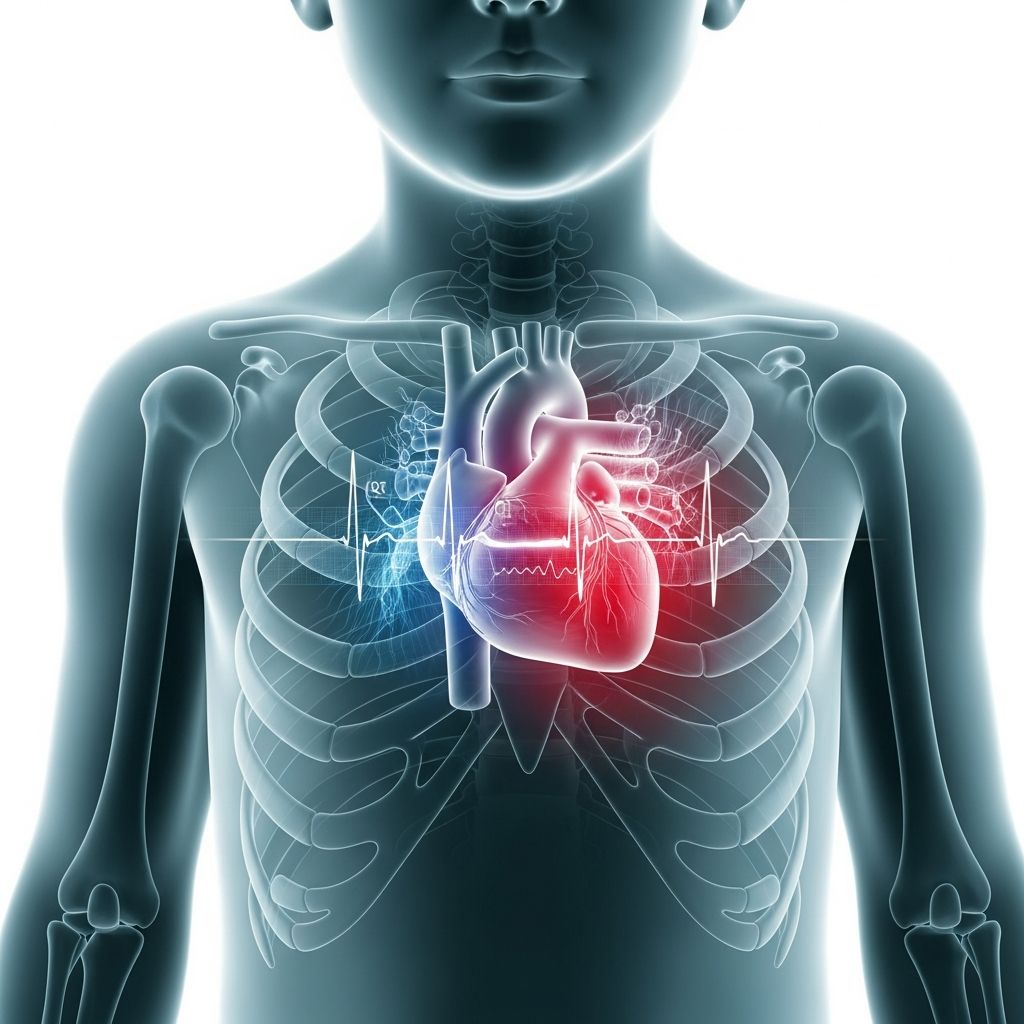
X-rays are a fundamental diagnostic tool in pediatric care, allowing doctors to visualize bones, organs, and tissues without invasive procedures. These quick, painless imaging tests use low levels of radiation to produce clear images, helping diagnose fractures, infections, or swallowed objects effectively.
Understanding How X-Rays Work in Children
X-rays function by emitting invisible electromagnetic waves that penetrate the body at different rates based on tissue density. Dense structures like bones absorb more radiation and appear white on the image, while softer tissues show as gray shades, and air-filled areas like lungs appear black. This contrast creates a shadow-like picture that radiologists interpret to identify issues.
For children, X-ray machines resemble large cameras mounted on adjustable arms or tables. The process captures still images of specific body parts, such as the chest, abdomen, arms, or legs. Modern digital X-ray systems produce high-quality results with minimal radiation exposure, prioritizing child safety.
- Bones and joints: Commonly imaged for breaks or growth issues.
- Chest and lungs: To check for infections or breathing problems.
- Abdomen: For digestive concerns or foreign objects.
Why Doctors Recommend X-Rays for Young Patients
Pediatricians order X-rays when symptoms suggest internal problems that physical exams alone cannot confirm. For instance, persistent coughs might reveal pneumonia, limps could indicate fractures, or abdominal pain may signal constipation or obstructions. These tests guide accurate treatments, preventing unnecessary medications or surgeries.
Radiologists use the lowest radiation dose possible, tailored to a child’s size and age, ensuring benefits outweigh minimal risks. Guidelines from bodies like the American College of Radiology emphasize this ALARA principle (As Low As Reasonably Achievable).
Preparation Steps for a Smooth X-Ray Experience
Helping your child feel ready reduces anxiety and improves image quality. Start by explaining the procedure in simple terms: “It’s like a big camera taking a picture of your bones without touching you”. Practice holding still and taking deep breaths at home to mimic the process.
| Age Group | Preparation Tips |
|---|---|
| Infants (0-2 years) | Bring a favorite blanket or toy; feed beforehand if allowed to promote relaxation. |
| Toddlers (2-5 years) | Use storybooks or videos about X-rays; reassure you’ll stay close. |
| School-age (6-12 years) | Discuss what images show (white bones, gray body); practice positions. |
| Teens (13+) | Explain radiation safety and procedure details for cooperation. |
Practical preparations include:
- Inform staff if pregnant, as you’ll wait outside during imaging.
- Remove jewelry, piercings, or clothing with metal, zippers, or glitter from the scan area.
- Tie back long hair for head/neck scans; remove diapers for pelvic views.
- Wear comfortable clothes; a gown may be provided.
Discuss contrast agents if needed—these dyes highlight organs but are rare for basic X-rays.
The X-Ray Procedure: Step-by-Step for Parents
The exam typically lasts 5-15 minutes, depending on views needed. A trained radiologic technologist guides you through it.
- Arrival and Check-In: Meet the technologist who explains the process and confirms details.
- Positioning: Child stands, sits, or lies on a table; a detector plate is placed nearby.
- Instructions: Hold still, sometimes hold breath for 2-3 seconds to avoid blur.
- Imaging: Technologist steps to a control room, activates the machine (no touch involved), and checks images immediately.
- Completion: Review for quality; repeats are quick if needed.
For active young kids, parents may assist in holding positions briefly. Special immobilization devices like padded boards secure infants painlessly, ensuring sharp images without distress.
Special Considerations for Infants and Toddlers
Young children often squirm, risking blurry results. Pediatric facilities use child-sized restraints, such as the Columbus Board, which gently holds limbs without discomfort. These tools mimic swaddling, helping babies stay still for chest or hip X-rays.
Parents can comfort by talking softly or distracting with songs. Child life specialists at hospitals like CHOP offer play-based prep to familiarize kids.
X-Rays for Older Children and Teens
Cooperative older kids follow directions easily. They might stand against a wall-mounted plate for full-body views or lie for spine exams. Teens appreciate knowing results aid quick recovery, like confirming a sprain versus fracture.
Encourage questions; transparency builds trust. Praise efforts post-exam to reinforce positive experiences.
Radiation Safety and Risks in Pediatric Imaging
X-rays involve ionizing radiation, but pediatric doses are fractions of adult levels—often less than background exposure from a flight. Risks like future cancer are theoretical and extremely low, far outweighed by diagnostic gains. Facilities shield sensitive areas (thyroid, gonads) with lead aprons.
Pregnant mothers stay shielded outside; no evidence links single low-dose X-rays to harm in children. Follow-up reports go to your doctor within days.
After the X-Ray: What Happens Next
Your child can resume normal activities immediately—no side effects expected. Images are digitally sent to a radiologist for analysis, with results shared via your pediatrician. Urgent cases get same-day reads.
Monitor for rare contrast reactions if used (itching, nausea), but basic X-rays skip this. Use the experience to teach about medical teamwork.
Frequently Asked Questions (FAQs)
Does an X-ray hurt my child?
No, X-rays are painless. Mild discomfort may come from holding positions briefly.
How much radiation does a child’s X-ray use?
Minimal amounts, optimized for safety—equivalent to days of natural background radiation.
Can I stay with my child during the X-ray?
Yes, with shielding, though you may step out briefly for some images.
What if my child can’t stay still?
Technologists use gentle restraints or parental help; sedation is rare for X-rays.
How soon will we get results?
Usually within hours to days, sent to your doctor.
Empowering Parents: Tips for Future Visits
Demystify imaging by watching kid-friendly videos beforehand. Track patterns—like frequent limb X-rays signaling sports injuries—for proactive health talks. Pediatric radiology advances, like AI-enhanced images, promise even safer futures.
By preparing thoughtfully, you turn a routine test into a confidence-building moment. Consult your provider for personalized advice.
References
- X-Ray – Nationwide Children’s Hospital — Nationwide Children’s Hospital. 2023. https://www.nationwidechildrens.org/family-resources-education/health-wellness-and-safety-resources/helping-hands/x-ray
- X-ray – Kids Health Info — Royal Children’s Hospital Melbourne. 2024-01-15. https://www.rch.org.au/kidsinfo/fact_sheets/X-ray/
- Your Child’s X-Ray: What to Expect — Massachusetts General Hospital. 2023. https://www.massgeneral.org/children/imaging/preparing-your-child-for-an-xray
- X-Ray Imaging Tests — Children’s Hospital of Philadelphia. 2024. https://www.chop.edu/treatments/general-radiography-x-ray
- How to Prepare Your Child for an X-ray — Southwest Diagnostic Imaging Center. 2023-06-15. https://swdic.com/posts/how-to-prepare-your-child-for-an-x-ray/