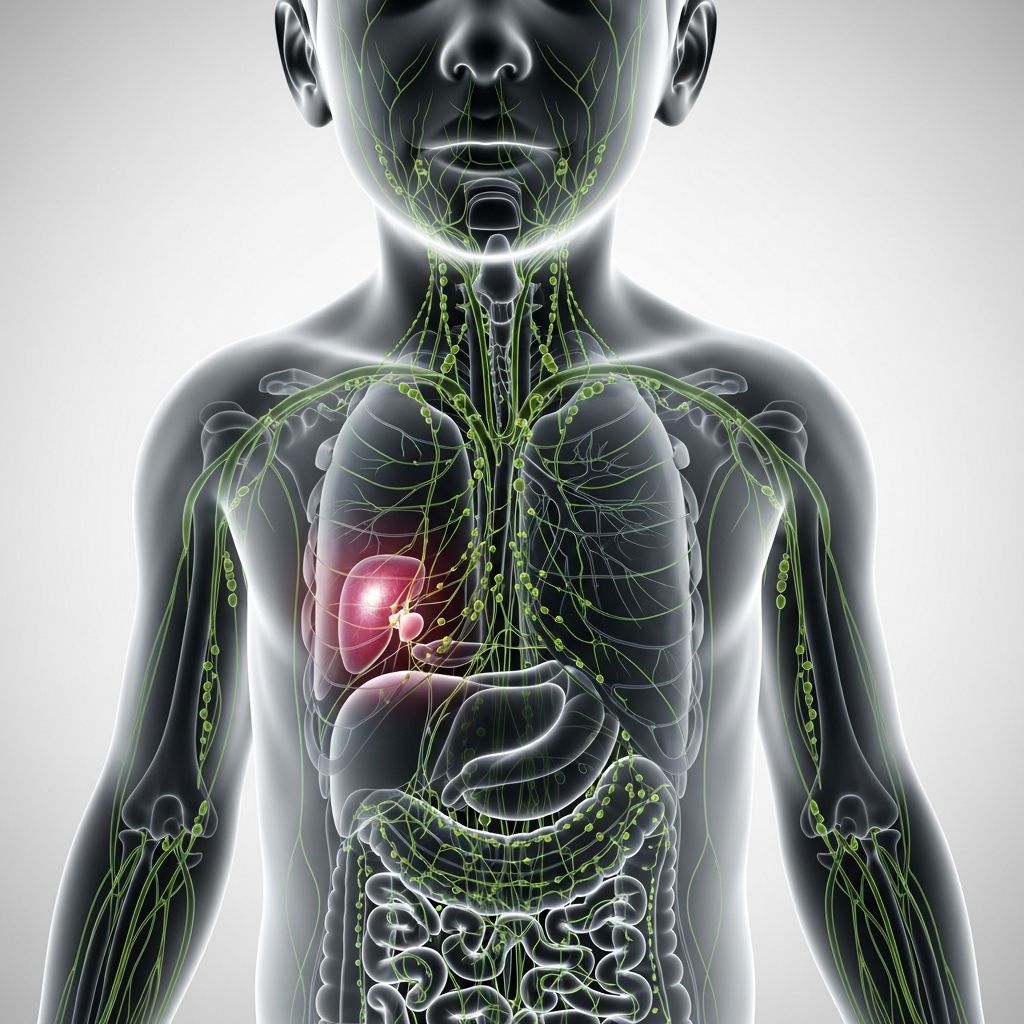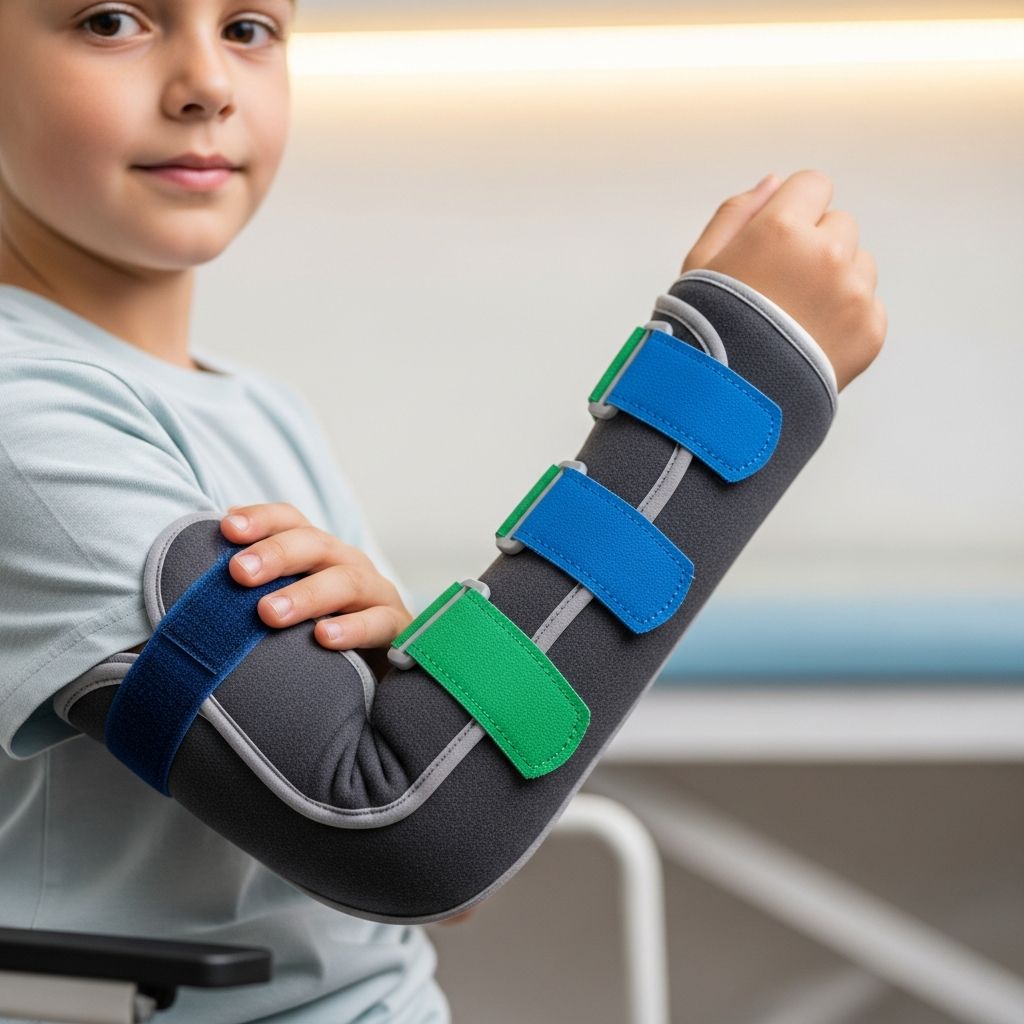
Splints serve as vital tools in pediatric care, providing temporary support to injured limbs or joints in children. These devices immobilize affected areas to promote healing from fractures, sprains, or other traumas common in active kids.
Why Children Need Splints
Youngsters are prone to injuries from play, sports, or accidents, often requiring splints to stabilize bones, reduce pain, and prevent further damage. Unlike full casts, splints allow slight flexibility and are easier to apply in emergency settings.
Splints protect healing tissues by limiting movement, controlling swelling, and supporting weak muscles. For instance, they are essential after sprains, strains, or initial fracture management before a cast or surgery.
Common Injuries Treated with Splints in Kids
- Fractures: Temporary stabilization for broken bones like wrist or ankle fractures until definitive treatment.
- Sprains and Strains: Support for ligaments and muscles in ankles, wrists, or fingers.
- Joint Issues: Dislocations or instability, such as in thumbs or elbows.
- Soft Tissue Damage: Burns, tendon injuries, or post-surgical protection.
- Chronic Conditions: Arthritis, carpal tunnel, or neuropathy affecting mobility.
In children, splints are particularly useful for growing bones, helping maintain alignment during rapid healing phases.
Types of Splints for Pediatric Use
Splints vary by location, material, and function. Healthcare providers select based on the injury site and child’s age.
| Splint Type | Body Area | Primary Use |
|---|---|---|
| Forearm/Wrist Splint | Wrist, forearm | Fractures, sprains; e.g., dorsal or sugar-tong designs. |
| Ankle/Leg Splint | Ankle, lower leg | Post-surgery or sprains; bulky Jones or walking boots. |
| Hand/Finger Splint | Fingers, thumb | Mallet finger, thumb spica for arthritis or injuries. |
| Thumb Spica | Thumb, wrist | Immobilizes thumb for carpometacarpal issues. |
Functional Categories:
- Static Splints: No movement allowed; ideal for acute injuries.
- Dynamic Splints: Permit controlled motion to build strength.
- Serial Static: Adjusted progressively as healing advances.
How Splints Are Applied to Children
Application involves padding to prevent skin irritation, followed by rigid materials like plaster, fiberglass, or thermoplastics. Providers ensure proper fit to avoid pressure points, especially on children’s delicate skin.
For kids, custom-fitted splints using thermoplastic are common, molded while warm for comfort. Prefabricated options work for milder cases.
Daily Care Instructions for Parents
Maintaining a splint is crucial to avoid complications. Parents play a key role in monitoring.
- Keep it Dry: Cover with plastic during baths; air dry if wet.
- Check Skin: Inspect daily for redness, blisters, or sores.
- Elevate Limb: Reduce swelling by keeping above heart level.
- Avoid Itching: Never insert objects; use cool air instead.
- Movement Exercises: Follow doctor’s plan for gentle exercises.
Clean around edges with mild soap and water, avoiding the interior.
Recognizing Problems and When to Seek Help
Watch for warning signs indicating issues:
- Increased pain or numbness.
- Swelling, discoloration, or foul odor.
- Loose or tight fit causing rubbing.
- Fever or drainage from skin.
Contact a doctor immediately if these occur, as they may signal infection or circulation problems.
Splints in Long-Term Management
Beyond acute injuries, splints aid chronic pediatric conditions like juvenile arthritis or post-stroke recovery. Resting splints reduce joint stress at night, while working splints support daily activities.
In rehabilitation, they maintain range of motion and prevent contractures, especially in burns or neurological cases.
Comparing Splints to Casts and Braces
| Device | Material | Duration | Flexibility |
|---|---|---|---|
| Splint | Fiberglass, plaster, plastic | Short-term (weeks) | Partial; adjustable. |
| Cast | Plaster/fiberglass full wrap | 4-8 weeks | None. |
| Brace | Soft/hard prefabricated | Indefinite | High; for chronic use. |
Splints offer easier removal for checks, suiting growing children.
Supporting Your Child’s Recovery Journey
Emotional support is vital. Explain the splint’s purpose simply, involve them in care routines, and encourage safe play. Physical therapy often complements splinting for full strength return.
Most kids adapt quickly, resuming activities post-removal with guidance.
Frequently Asked Questions (FAQs)
Q: How long do children wear splints?
A: Typically 1-6 weeks, depending on injury severity and healing progress. Follow provider instructions.
Q: Can kids go to school with a splint?
A: Yes, with accommodations like extra time or modified activities. Inform the school nurse.
Q: Are splints painful to wear?
A: Initial discomfort is common but should ease. Pain meds and elevation help; report persistent pain.
Q: What if my child’s splint gets wet?
A: Dry it immediately; replace if soggy to prevent skin issues. Use waterproof covers proactively.
Q: Do splints prevent all movement?
A: Static ones do; dynamic allow some for therapy. Type depends on the condition.
Preparing for Splint Removal
Removal marks healing progress. Expect muscle stiffness; therapy restores motion. Gradual activity increase prevents re-injury.
Follow-up X-rays confirm bone stability.
References
- Splinting — Physiopedia. 2023. https://www.physio-pedia.com/Splinting
- What to Know About Splints — WebMD. 2023-10-15. https://www.webmd.com/first-aid/what-to-know-splints
- Splint: Types, Uses and How Long To Wear Them — Cleveland Clinic. 2024-05-20. https://my.clevelandclinic.org/health/treatments/25252-splint
- Splints — Arthritis UK. 2023. https://www.arthritis-uk.org/information-and-support/understanding-arthritis/arthritis-treatments/splints/
- Hand, Wrist and Elbow Splints and Braces — Mercy Health. 2023. https://www.mercy.com/health-care-services/orthopedics-sports-medicine-spine/specialties/hand-wrist-elbow/treatments/hand-wrist-and-elbow-splints-and-braces
- Splinting: Types, Uses and Fabrication — Propel Physiotherapy. 2024. https://propelphysiotherapy.com/occupational-therapy/splinting/
- Braces and Splints for Common Musculoskeletal Conditions — American Academy of Family Physicians (AAFP). 2018-11-15. https://www.aafp.org/pubs/afp/issues/2018/1115/p570.html