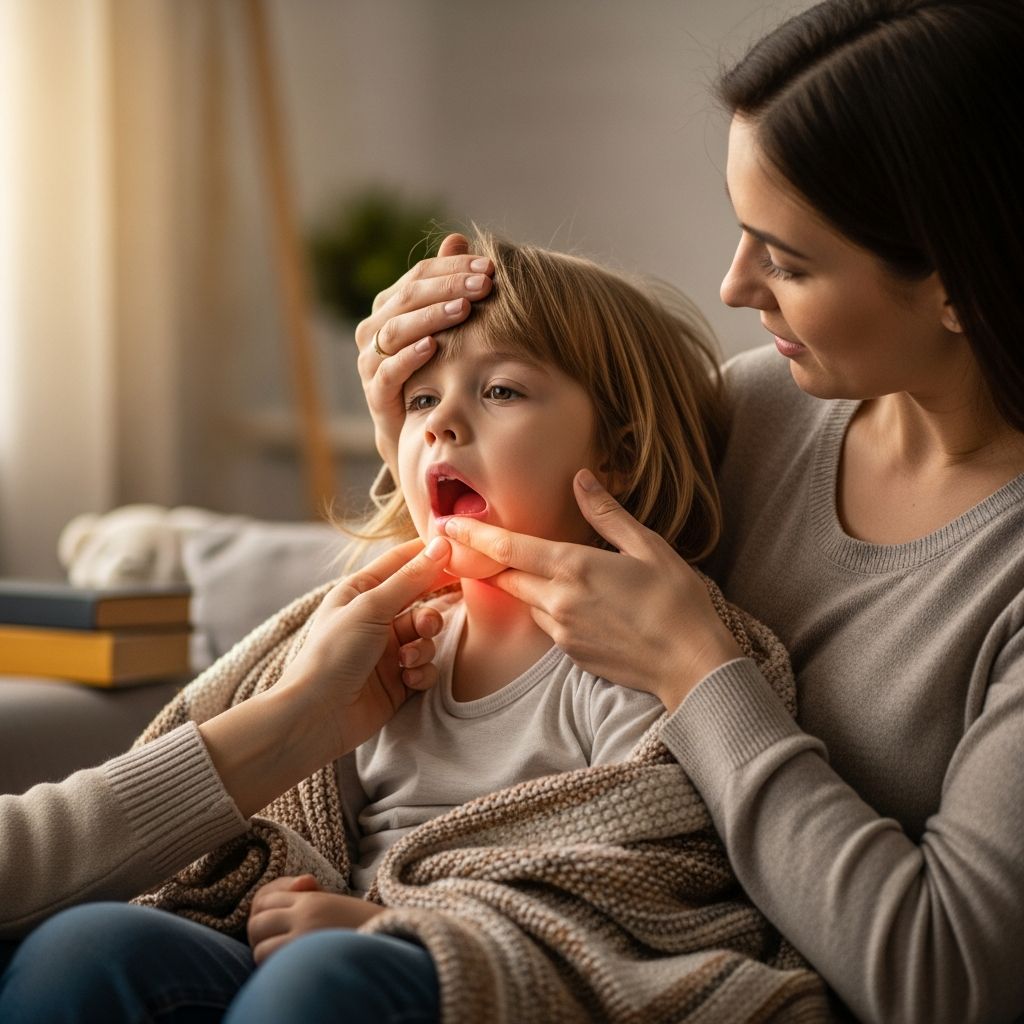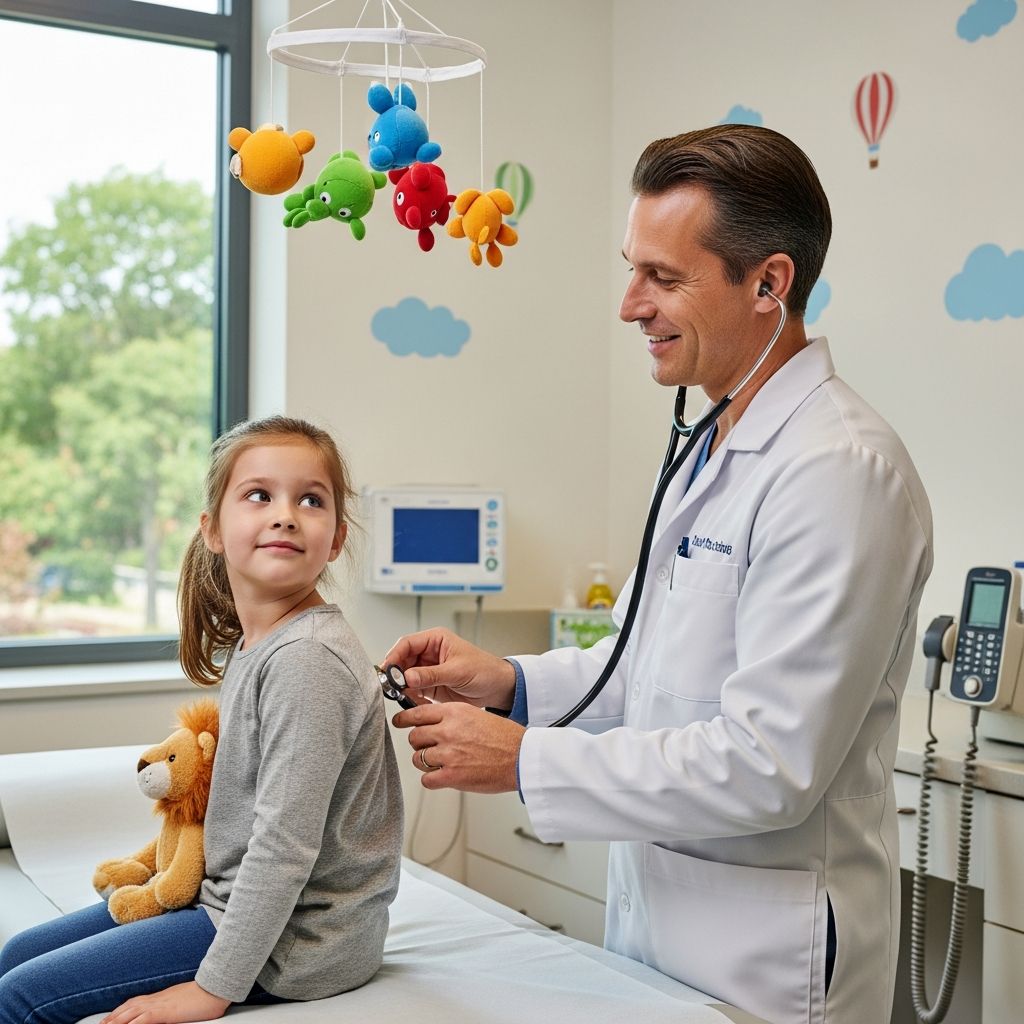
When a child has ongoing breathing problems, parents often hear the term pediatric pulmonologist for the first time. Knowing who these specialists are and how they help can make the experience less stressful and far more reassuring.
What Is a Pediatric Pulmonologist?
A pediatric pulmonologist is a doctor who focuses on lung and breathing disorders in babies, children, and teenagers. These specialists diagnose, treat, and monitor a wide range of respiratory problems, from common conditions like asthma to rare or complex lung diseases.
They receive advanced training after pediatric residency to understand:
- How children’s lungs grow and develop
- How childhood diseases affect breathing and oxygen levels
- How to use specialized tests designed for infants, children, and teens
- How to adjust treatments for growing bodies and changing lifestyles
Many pediatric pulmonologists also work in research and quality improvement, helping to improve care for conditions such as asthma, bronchopulmonary dysplasia, and cystic fibrosis.
When Might a Child Need a Pediatric Pulmonologist?
Not every cough or cold requires a specialist. Your child’s primary care provider is the first point of contact. However, a referral to pediatric pulmonology is common when breathing problems are severe, persistent, or unclear in cause.
Common Reasons for Referral
- Frequent or severe episodes of wheezing
- Chronic cough lasting weeks, especially if it recurs
- Repeated pneumonias or chest infections
- Unexplained shortness of breath or trouble keeping up with peers
- Noisy breathing, such as persistent stridor or loud snoring
- Breathing pauses during sleep or suspected sleep apnea
- Breathing issues in babies born premature with chronic lung disease
- Evaluation and long-term care for cystic fibrosis or other genetic lung disorders
- Dependence on home oxygen or a ventilator
Primary care clinicians also refer children when standard treatments are not working as expected, or when a rare condition is suspected.
Conditions Pediatric Pulmonologists Commonly Treat
Pediatric pulmonology covers a wide spectrum of problems involving the lungs, airways, chest wall, and breathing muscles.
| Condition | What It Involves | Typical Signs in Children |
|---|---|---|
| Asthma | Chronic inflammation and narrowing of the airways | Wheezing, coughing (often at night), chest tightness, shortness of breath |
| Chronic cough | Cough lasting weeks, sometimes from asthma, infection, reflux, or irritation | Daily coughing, vomiting with coughing, sleep disruption |
| Recurrent pneumonia | Multiple lung infections over time | Fevers, chest pain, cough, repeated antibiotic courses |
| Cystic fibrosis | Genetic disease affecting lungs and digestion with thick mucus | Frequent chest infections, poor weight gain, greasy stools |
| Bronchopulmonary dysplasia (BPD) | Chronic lung disease in premature infants | Need for oxygen, rapid breathing, feeding difficulties |
| Obstructive sleep apnea | Airway collapse or blockage during sleep | Loud snoring, pauses in breathing, daytime sleepiness or behavior issues |
| Neuromuscular breathing disorders | Weak breathing muscles due to nerve or muscle disease | Shallow breathing, weak cough, frequent chest infections |
| Congenital lung or airway abnormalities | Structural problems present at birth | Persistent noisy breathing, recurrent infections, poor exercise tolerance |
Other problems include aspiration (food or liquid entering the airways), airway malacia (floppy airways), interstitial lung diseases, and chest wall abnormalities that restrict lung expansion.
Tests and Procedures Used in Pediatric Pulmonology
Pediatric pulmonologists rely on age-appropriate tests to measure lung function, check oxygen levels, and look directly at the airways when needed. These tests help pinpoint the cause of symptoms and guide treatment.
Noninvasive Breathing and Oxygen Tests
- Pulmonary function tests (PFTs) – A group of tests, including spirometry and lung volume measurements, that show how well the lungs move air in and out.
- Spirometry – A child blows forcefully into a device to measure how much and how quickly air can be exhaled, especially helpful in asthma.
- Pulse oximetry – A painless sensor on the finger, toe, or earlobe estimates blood oxygen saturation.
- Exercise tests – Assess breathing, heart rate, and oxygen levels while a child walks or runs on a treadmill or bike.
Imaging and Blood Tests
- Chest X-ray – Gives a basic picture of the lungs and heart.
- CT scans – Provide more detailed images of lung structure and airways when necessary.
- Arterial blood gases – Measure oxygen and carbon dioxide levels directly from the blood in more serious situations.
Endoscopic and Specialized Studies
- Bronchoscopy – A thin, flexible tube with a camera is inserted through the nose or mouth into the airways to look for blockages, infections, or structural issues, and to collect samples.
- Bronchoalveolar lavage – During bronchoscopy, a small amount of fluid is flushed into a lung segment and then suctioned out to test for infection or inflammation.
- Sleep studies (polysomnography) – Overnight testing monitors breathing, oxygen, brain waves, and movement to diagnose sleep-disordered breathing or apnea.
These procedures are tailored to each child’s age and needs, with careful attention to comfort, safety, and explanation for both children and caregivers.
Treatment Approaches in Pediatric Pulmonology
Treatment plans are individualized, but many strategies are used across different respiratory conditions.
Medications
- Inhaled bronchodilators (such as short-acting beta agonists) to open narrowed airways during asthma flares
- Inhaled corticosteroids and other controller medicines to reduce airway inflammation in asthma and some chronic lung diseases
- Antibiotics to treat or prevent bacterial infections in conditions like cystic fibrosis or recurrent pneumonia
- Mucus-thinning therapies to help clear thick secretions from the lungs
- Targeted medications, including newer CFTR modulators in cystic fibrosis, prescribed in specialized centers
Devices and Supportive Therapies
- Inhalers and spacers or nebulizers to deliver medicines directly to the lungs
- Chest physiotherapy and airway clearance devices for children with thick mucus or weak cough
- Supplemental oxygen for children with low blood oxygen levels
- Noninvasive ventilation (such as CPAP or BiPAP) for some sleep or neuromuscular breathing problems
- Home ventilators and tracheostomy care for children needing long-term breathing support
Education and Long-Term Management
Family education is a core part of pediatric pulmonology. Teams help parents and older children:
- Recognize early warning signs of breathing trouble
- Use inhalers and devices correctly
- Follow written asthma or action plans
- Coordinate medicines with school or daycare settings
- Plan ahead for sports, travel, and illness seasons
For chronic conditions, pulmonology teams work closely with nutrition, social work, mental health, and other specialties to support the whole child, not just their lungs.
The Care Team: More Than One Specialist
Pediatric pulmonology is often delivered by a multidisciplinary team.
- Pediatric pulmonologist – Leads diagnosis and medical management
- Respiratory therapist – Teaches inhaler and device use; supports breathing treatments
- Nurses – Provide education, care coordination, and monitoring
- Dietitians – Address nutrition needs, especially in cystic fibrosis or chronic lung disease
- Social workers and psychologists – Help families cope with complex care and lifestyle changes
- Other specialists – ENT surgeons, cardiologists, neurologists, sleep specialists, and surgeons may be involved, depending on the condition
This team-based approach is especially important for children who need frequent hospitalizations, multiple medications, or advanced breathing support.
Preparing for Your Child’s First Pulmonology Visit
Good preparation helps you make the most of the appointment and ensures the care team has complete information.
Information to Gather
- All current medicines, including doses and how often your child uses them
- Past test results (X-rays, CT, lab reports) if you have copies
- A list of previous hospital stays or emergency visits for breathing problems
- Family history of asthma, allergies, chronic lung disease, or genetic conditions
- Details on environmental exposures (smoke, pets, mold, workplace chemicals in older teens)
Questions You May Want to Ask
- What do you think is causing my child’s symptoms?
- What tests are needed, and what will they tell us?
- What is the treatment plan today and long term?
- How will we know if treatment is working?
- What should we do during a flare-up or emergency?
- How often will follow-up visits or tests be needed?
Bringing a written list helps you remember your concerns, particularly when managing a new diagnosis or complex care plan.
Supporting Healthy Lungs at Home
Everyday habits and environments strongly influence a child’s breathing health, especially for those with chronic lung or airway conditions.
- Avoid tobacco smoke and vaping around children, including in cars and shared indoor spaces.
- Follow vaccination recommendations, such as influenza and pneumococcal vaccines, to lower the risk of serious respiratory infections.
- Encourage regular physical activity as advised by your child’s clinicians; exercise can improve lung function in many children with asthma.
- Work with schools and caregivers so they understand your child’s action plan and have access to inhalers or medications if needed.
- Address indoor air quality by managing dust, mold, and strong fragrances when possible.
Parents and caregivers play a central role in day-to-day management, and the pediatric pulmonology team is there to provide tools, education, and long-term support.
Frequently Asked Questions (FAQs)
What is the difference between a pulmonologist and a pediatric pulmonologist?
Both specialize in lung and breathing conditions, but a pediatric pulmonologist has extra training in children’s health and focuses only on infants, children, and teens. They use child-sized equipment, child-focused testing methods, and treatment plans adapted to growth and development.
Does every child with asthma need a pediatric pulmonologist?
Many children with mild or well-controlled asthma can be managed by their primary care clinician. A referral is usually recommended when asthma is difficult to control, leads to frequent hospital or emergency visits, or when the diagnosis is uncertain.
Are lung tests painful for children?
Most common tests, such as spirometry and pulse oximetry, are noninvasive and not painful. Some children may feel temporarily tired or frustrated when asked to blow hard into machines, but the procedures themselves are safe and carefully supervised.
How long does a child usually stay under a pulmonologist’s care?
It depends on the diagnosis. Some children are seen for a limited time to clarify a problem, while others with chronic conditions like cystic fibrosis or severe asthma have long-term, sometimes lifelong, follow-up with the pediatric pulmonology team.
Can children with serious lung conditions live active lives?
With modern treatments, early diagnosis, and coordinated care, many children with chronic lung disease participate in school, sports, and social activities. The care team works with families to adapt activity levels and create safe, realistic goals.
References
- Pediatric Pulmonology (PD) Specialty Description — American Medical Association FREIDA. 2024-06-01. https://freida.ama-assn.org/specialty/pediatric-pulmonology-pd
- Pediatric Pulmonology — Presbyterian Healthcare Services. 2023-09-01. https://www.phs.org/doctors-services/childrens-health/pediatric-pulmonology
- Pediatric Pulmonology – Overview — Mayo Clinic. 2023-10-01. https://www.mayoclinic.org/departments-centers/childrens-center/overview/specialty-groups/pediatric-pulmonology/overview
- Division of Pediatric Pulmonology — University of Michigan Medical School. 2024-02-15. https://medschool.umich.edu/departments/pediatrics/divisions/pediatric-pulmonology
- Pediatric Pulmonology — M Health Fairview. 2023-05-20. https://www.mhealthfairviewpeds.org/specialties/Pediatric-Pulmonology-Lung-Care
- Pediatric Pulmonology Services — UHealth Jackson Children’s Care. 2023-11-10. https://pediatrics.jacksonhealth.org/services/pediatric-pulmonology/
- Pediatric Pulmonology – Journal Overview — Wiley Online Library. 2022-01-01. https://onlinelibrary.wiley.com/page/journal/10990496/homepage/productinformation.html
- Pediatric Pulmonology – Conditions and Testing — Wesley Care Physicians. 2023-08-01. https://www.wesleycarephysicians.com/specialties/pediatrics/pediatric-pulmonology