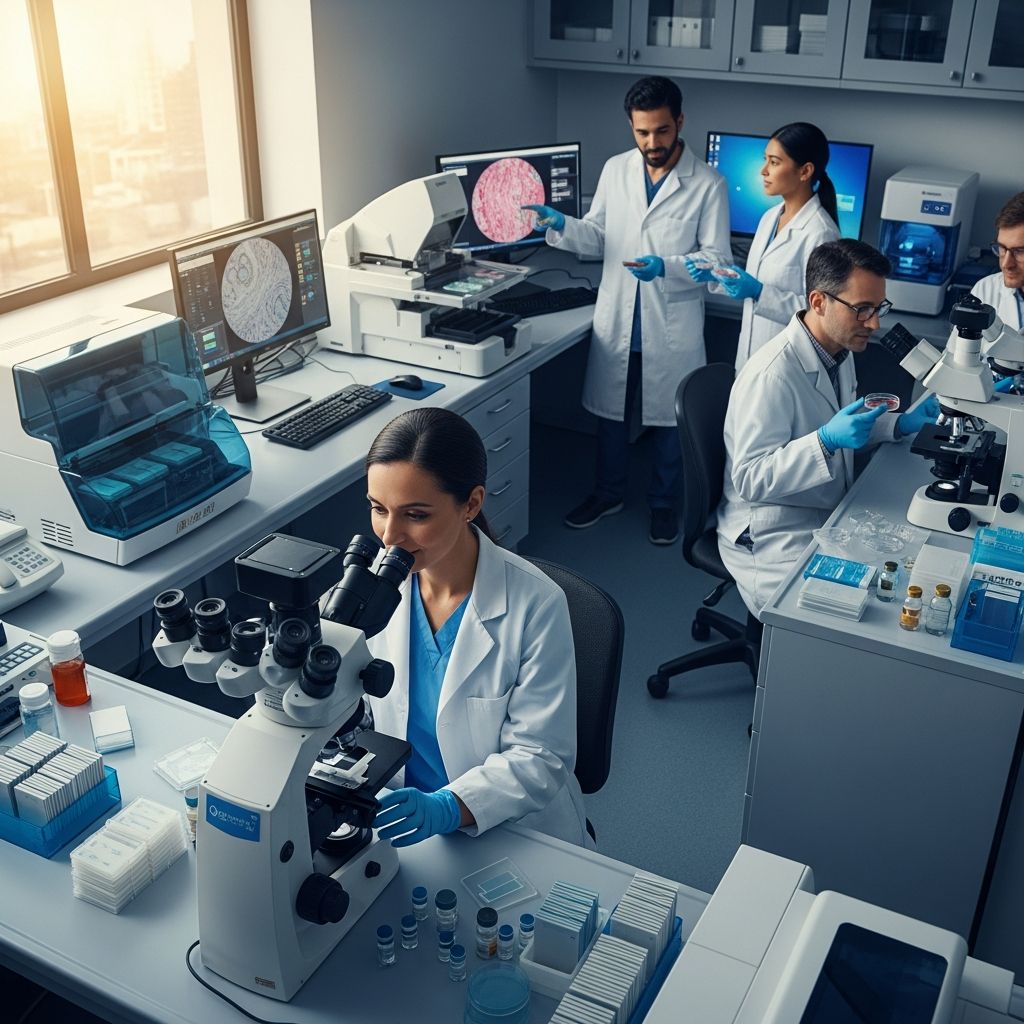
Pathologists play a crucial role in pediatric healthcare by analyzing biological samples to uncover the root causes of illnesses in children. These specialists use advanced laboratory techniques to diagnose conditions ranging from infections to cancers, often without direct patient interaction but profoundly influencing treatment outcomes.
Understanding the World of Pathology in Pediatrics
Pathology forms the foundation of modern medicine, particularly in children’s health, where accurate diagnosis is vital due to rapidly evolving symptoms and unique physiological responses. Pathologists examine tissues, blood, bodily fluids, and other specimens under microscopes and through sophisticated tests to detect diseases at a cellular level. In pediatric settings, this work is especially critical because early detection can prevent long-term complications in growing bodies.
For parents, pathology reports provide clarity when symptoms are ambiguous. A child’s fever might stem from a bacterial infection, a viral outbreak, or something rarer like a metabolic disorder. Pathologists bridge the gap between clinical observations and definitive answers, enabling doctors to prescribe targeted therapies.
Daily Responsibilities of a Pediatric Pathologist
Pediatric pathologists handle a diverse array of tasks. They review biopsy samples from surgeries or needle aspirations, scrutinize blood smears for abnormalities, and interpret results from genetic sequencing. Their day might involve assessing a newborn’s umbilical cord blood for genetic markers or evaluating a teenager’s lymph node for lymphoma.
- Analyzing tissue sections to identify cancerous cells versus benign growths.
- Performing flow cytometry on blood samples to diagnose leukemias common in children.
- Conducting molecular tests like PCR to detect viral pathogens in respiratory samples.
- Collaborating with oncologists on tumor profiling for personalized chemotherapy plans.
- Overseeing autopsy procedures in cases of unexplained infant deaths to inform public health measures.
These professionals ensure that every sample yields actionable insights, often processing hundreds daily with precision.
Key Branches of Pathology Relevant to Children’s Health
Pathology encompasses several subspecialties tailored to pediatric needs. Each focuses on specific systems or methodologies, providing comprehensive diagnostic support.
| Subspecialty | Focus in Pediatrics | Common Tests |
|---|---|---|
| Hematopathology | Blood disorders like anemia, leukemia | Blood smears, bone marrow biopsies |
| Molecular Pathology | Genetic mutations in congenital diseases | NGS, FISH, PCR |
| Neuropathology | Brain tumors, epilepsy-related changes | Brain tissue analysis, immunohistochemistry |
| Microbiology | Infections like meningitis | Cultures, antigen tests |
| Cytopathology | Fluid samples for cancers | PAP smears, cerebrospinal fluid exam |
This table highlights how subspecialties align with frequent pediatric issues, ensuring specialized expertise.
The Path to Becoming a Pediatric Pathologist
Aspiring pediatric pathologists start with a medical degree (MD or DO), followed by a four-year residency in pathology. Fellowship training in pediatric pathology, lasting 1-2 years, hones skills in child-specific diseases. Board certification from bodies like the American Board of Pathology validates their expertise.
Training emphasizes hands-on lab work, from gross examination of organs to digital pathology imaging. Continuous education keeps them updated on innovations like AI-assisted diagnostics, which enhance accuracy in spotting subtle anomalies in infant tissues.
How Pathologists Support Families During Diagnosis
Though pathologists rarely meet patients, their findings empower families. A pathology report might confirm a diagnosis of juvenile idiopathic arthritis through synovial fluid analysis, allowing prompt anti-inflammatory treatment. Parents receive explanations via their pediatrician, often with visuals of microscopic findings.
In emergencies, rapid turnaround—sometimes within hours—is standard for critical cases like suspected sepsis in newborns. This speed can be life-saving, as early antibiotic administration hinges on pathogen identification.
Advanced Tools and Technologies in Pediatric Pathology
Modern labs employ cutting-edge tech. Digital pathology scanners create high-resolution images for remote consultation, ideal for rare pediatric cases referred across states. Next-generation sequencing detects mutations in conditions like cystic fibrosis, guiding gene therapies.
Immunohistochemistry uses antibodies to highlight specific proteins in cancer cells, distinguishing types like neuroblastoma from Wilms tumor. Flow cytometry sorts cells by size and markers, crucial for immunodeficiencies prevalent in kids.
Challenges Unique to Diagnosing Children
Children’s samples pose hurdles: smaller volumes require ultra-sensitive tests, and rapid growth complicates interpretations. For instance, what appears as a tumor in an adult might be physiological hyperplasia in a toddler. Pathologists account for age-related norms, referencing pediatric atlases.
Ethical considerations arise in autopsies, balancing grief with investigative needs. Virtual autopsies using CT scans minimize invasiveness while yielding vital data.
Pathologists’ Role in Preventive Pediatric Care
Beyond diagnosis, pathologists contribute to prevention. Screening programs for metabolic disorders via newborn heel-prick tests rely on their analysis. Population-level surveillance of antibiotic resistance informs hospital protocols, curbing outbreaks.
Research drives progress; pediatric pathologists study tissue banks to unravel disease mechanisms, leading to vaccines and therapies.
Real-Life Impact: Case Studies in Child Pathology
Consider a 5-year-old with persistent cough: pathology on lung biopsy reveals eosinophilic pneumonia, averting unnecessary surgery. Or a teen with fatigue: bone marrow exam diagnoses aplastic anemia, prompting stem cell transplant.
These examples underscore pathologists’ pivotal influence, turning vague symptoms into treatable conditions.
Frequently Asked Questions (FAQs)
What exactly does a pathologist do for my child?
They examine lab samples like blood or tissue to diagnose diseases, guide treatments, and monitor progress without usually seeing the child directly.
How long does it take to get pathology results for kids?
Routine tests take 1-3 days; urgent pediatric cases, like infections, can be same-day.
Are pediatric pathologists different from adult ones?
Yes, they specialize in child-specific diseases, anatomy, and lab techniques due to developmental differences.
Can parents talk directly to a pathologist?
Typically through the child’s doctor, but consultations occur for complex cases.
What if pathology misses something?
Multiple reviews and advanced tests ensure high accuracy; errors are rare with quality controls.
Why Pathology Matters for Every Parent
Pathologists safeguard children’s futures by delivering precise diagnostics that inform every medical decision. Their invisible yet indispensable work ensures kids receive optimal care, from routine checkups to life-threatening illnesses. Understanding their role empowers parents to appreciate the science behind their child’s recovery.
References
- What is Pathology? — American Board of Pathology. 2023. https://abpath.org/what-is-pathology/
- What Is Pathology? — College of American Pathologists. 2024-01-15. https://www.cap.org/member-resources/articles/what-is-pathology
- What Does a Pathologist Do and How To Become One? — American University of the Caribbean School of Medicine. 2024. https://www.aucmed.edu/blog/what-does-a-pathologist-do-and-how-to-become-one
- What Is a Pathologist? What They Do, Training & Types — Cleveland Clinic. 2025-03-10. https://my.clevelandclinic.org/health/articles/24616-pathologist
- What is pathology? — Royal College of Pathologists. 2024. https://www.rcpath.org/discover-pathology/what-is-pathology.html
- What Does a Pathologist Do and How To Become One? — Ross University School of Medicine. 2023-11-20. https://medical.rossu.edu/about/blog/what-does-a-pathologist-do-and-how-to-become-one