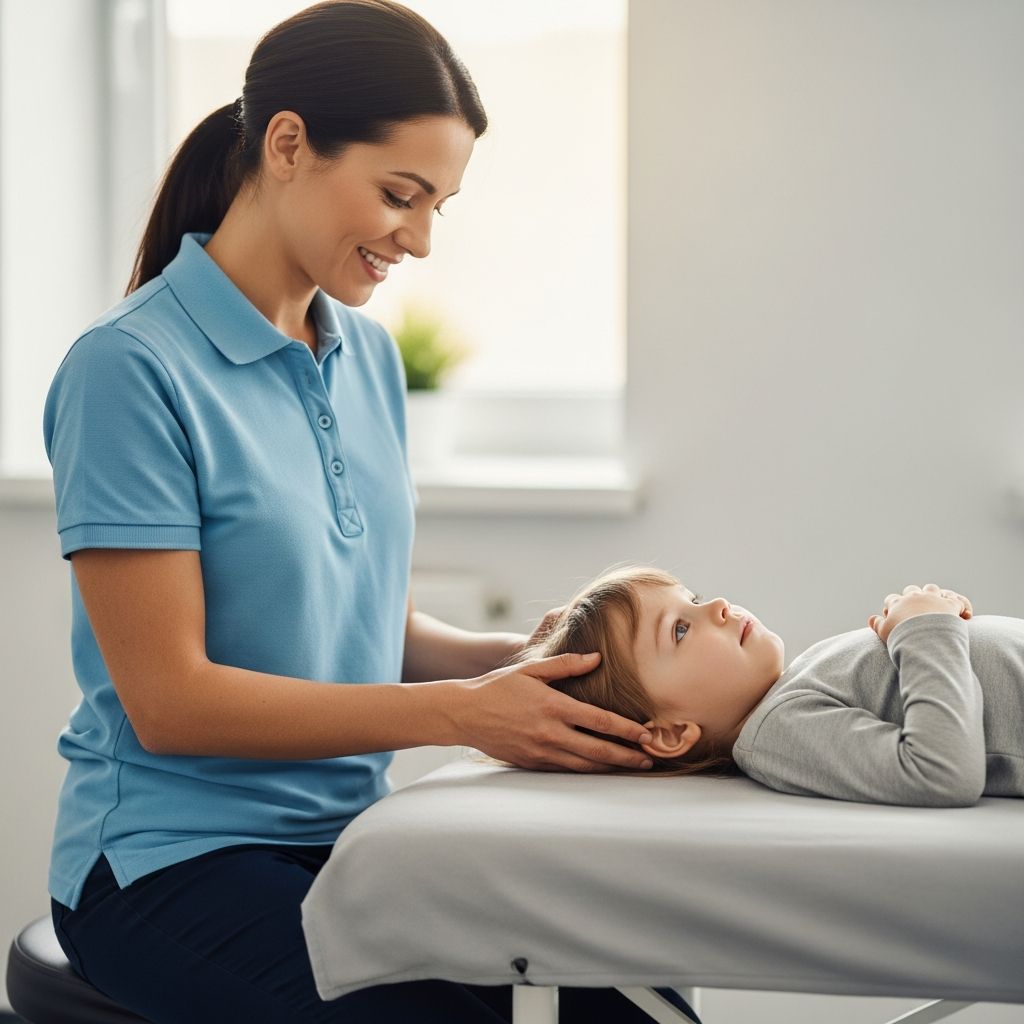
Osteopathic physicians, or DOs, offer a comprehensive approach to children’s health by treating the whole child—body, mind, and spirit—using both conventional medicine and specialized hands-on techniques. This method emphasizes the body’s natural healing abilities and the interconnectedness of all systems, making it particularly suitable for growing kids facing common issues like growing pains, injuries, or chronic conditions.
Understanding Osteopathic Medicine in Pediatric Contexts
Osteopathic medicine views the pediatric patient as a unified system where musculoskeletal structure influences overall function. For children, this means addressing not just symptoms but underlying imbalances that could affect development, mobility, or immunity. DOs are fully licensed physicians who complete rigorous medical training similar to MDs, but with added focus on the musculoskeletal system and preventive care.
In practice, this translates to tailored care for infants with colic, toddlers with ear infections, or school-age kids with sports injuries. By considering lifestyle, environment, and emotional factors, DOs create personalized plans that support long-term health.
Core Principles Guiding DOs in Child Health
The foundation of osteopathic care rests on key tenets that prioritize holistic healing:
- Whole-Person Approach: DOs evaluate physical, emotional, and environmental influences on a child’s health, fostering open communication with families.
- Structure-Function Interplay: Misalignments in bones, muscles, or tissues can impact organs and systems, so DOs assess these links during exams.
- Self-Healing Capacity: Children’s bodies are resilient; treatments aim to remove barriers to natural recovery rather than relying solely on drugs.
- Preventive Focus: Early interventions promote wellness, reducing future health risks like obesity or postural issues.
These principles ensure treatments are gentle and non-invasive, ideal for sensitive young patients.
Training and Qualifications of Pediatric Osteopathic Doctors
DOs undergo four years of medical school, followed by residencies and optional fellowships in pediatrics or other specialties, totaling 11+ years of training. Unlike non-physician osteopaths elsewhere, U.S. DOs are equivalent to MDs, able to prescribe medications, perform surgery, and specialize broadly.
| Aspect | DO Training | MD Training |
|---|---|---|
| Medical School Duration | 4 years + 200+ hours OMT | 4 years |
| Musculoskeletal Focus | Extensive hands-on diagnosis | Standard anatomy coverage |
| Licensing Scope | Full practice rights | Full practice rights |
| Pediatric Specialization | 3-8 years residency/fellowship | 3-8 years residency/fellowship |
This enhanced training equips DOs to handle complex pediatric cases with a nuanced understanding of body mechanics.
Osteopathic Manipulative Treatment: Safe Hands-On Care for Kids
OMT is a hallmark of osteopathic practice, involving gentle manipulations to improve joint mobility, reduce muscle tension, and enhance circulation. For children, sessions are adapted to be playful and brief, often lasting 10-20 minutes.
Common techniques include:
- Soft tissue stretching to ease tummy discomfort in babies.
- Cranial adjustments for headaches or sleep issues.
- High-velocity, low-amplitude thrusts for minor sprains (used cautiously in kids).
- Counterstrain positioning to relieve pain without force.
Evidence shows OMT effectively manages conditions like asthma, sinusitis, and postpartum adjustments in infants, complementing other therapies.
Everyday Conditions Where DOs Excel for Children
Infant and Newborn Challenges
From birth, DOs address cranial strains from delivery or feeding difficulties by gently realigning tissues, often improving latch and reducing reflux.
Growing Pains and Posture Problems
School-aged kids benefit from OMT for leg aches or scoliosis screening, promoting better alignment during rapid growth phases.
Sports Injuries and Activity-Related Issues
Active children recover faster with OMT, which accelerates healing for ankle twists or shoulder strains while teaching injury prevention.
Respiratory and Immune Support
By optimizing lymphatic flow, DOs help kids with recurrent colds or allergies, potentially decreasing antibiotic needs.
Integrating Osteopathy with Conventional Pediatric Care
DOs seamlessly blend OMT with vaccinations, antibiotics, and diagnostics like X-rays. This integrative model minimizes interventions, appealing to parents wary of over-medication.
For chronic issues like ADHD or digestive disorders, DOs collaborate with specialists, using OMT to enhance therapy outcomes.
Why Parents Choose Osteopathic Doctors for Their Kids
Families value DOs for their empathetic, unrushed visits—often 30-60 minutes—allowing thorough assessments. DOs’ community focus means many practice in accessible areas, emphasizing education on nutrition, exercise, and stress management.
- Reduced reliance on painkillers for musculoskeletal complaints.
- Holistic strategies that empower kids’ natural resilience.
- Evidence-based care backed by growing research on OMT efficacy.
Parent testimonials highlight quicker recoveries and fewer ER visits post-OMT.
Finding and Preparing for Your Child’s First DO Visit
Search via the American Osteopathic Association directory for board-certified pediatric DOs. Prepare by noting symptoms, medical history, and birth details.
Visits typically include:
- Full history and observation.
- Palpation exam without gowns for young kids.
- Custom OMT or referrals as needed.
Insurance covers DO services like MDs; discuss costs upfront.
Frequently Asked Questions (FAQs)
Q: Is OMT safe for babies and toddlers?
Yes, OMT uses very gentle pressures suited to a child’s size and age, with no reported serious risks when performed by trained DOs.
Q: Can DOs handle emergencies or hospitalizations?
Absolutely; DOs are fully qualified for all medical scenarios, including surgery and critical care.
Q: How does osteopathic care differ from chiropractic for kids?
DOs are medical doctors prescribing treatments holistically, while chiropractors focus mainly on spinal adjustments without drugs.
Q: Does insurance cover pediatric OMT?
Most plans do, as it’s a standard medical service; verify with your provider.
Q: When should I see a DO for my child?
For persistent pain, developmental concerns, or wellness checkups to support optimal growth.
Future Directions in Pediatric Osteopathy
Research expands OMT applications for autism spectrum support, concussion recovery, and telehealth integrations. With rising DO enrollments, access improves, promising broader holistic options.
Parents play a key role by advocating for this empowering care, fostering healthier generations.
References
- What is Osteopathic Medicine — Touro University California. 2023-10-15. https://tu.edu/news–events/stories/all-stories/what-is-osteopathic-medicine.php
- Osteopathy — Wikipedia (informational, primary sources preferred). 2026-01-10. https://en.wikipedia.org/wiki/Osteopathy
- What Is a Doctor of Osteopathic Medicine (DO)? — Cleveland Clinic. 2024-05-20. https://my.clevelandclinic.org/health/articles/24893-doctor-of-osteopathic-medicine
- Frequently Asked Questions — Ohio Osteopathic Association. 2025-03-12. https://www.ooanet.org/aws/OOSA/pt/sp/resources_faqs?mobile_interface=off
- What is Osteopathic Medicine — American Association of Colleges of Osteopathic Medicine (AACOM). 2024-11-05. https://www.aacom.org/become-a-doctor/about-osteopathic-medicine
- Osteopathic medicine: What kind of doctor is a D.O.? — Mayo Clinic. 2023-08-18. https://www.mayoclinic.org/healthy-lifestyle/consumer-health/expert-answers/osteopathic-medicine/faq-20058168
- What is Osteopathic Medicine? — American Osteopathic Association. 2025-01-02. https://osteopathic.org/what-is-osteopathic-medicine/