Ensuring your child’s eyes develop properly is crucial for their overall growth, learning, and daily activities. Pediatric ophthalmologists play a pivotal role in identifying and addressing vision issues unique to young patients, from newborns to teenagers. This comprehensive guide explores the world of children’s eye health, highlighting specialist qualifications, prevalent conditions, diagnostic approaches, treatment options, and proactive steps parents can take.
Understanding Pediatric Ophthalmologists
Pediatric ophthalmologists are physicians with extensive training tailored specifically to eye conditions in children. They complete medical school, a residency in ophthalmology, and a fellowship in pediatric ophthalmology, equipping them to handle the nuances of examining and treating young patients who may not communicate symptoms clearly.
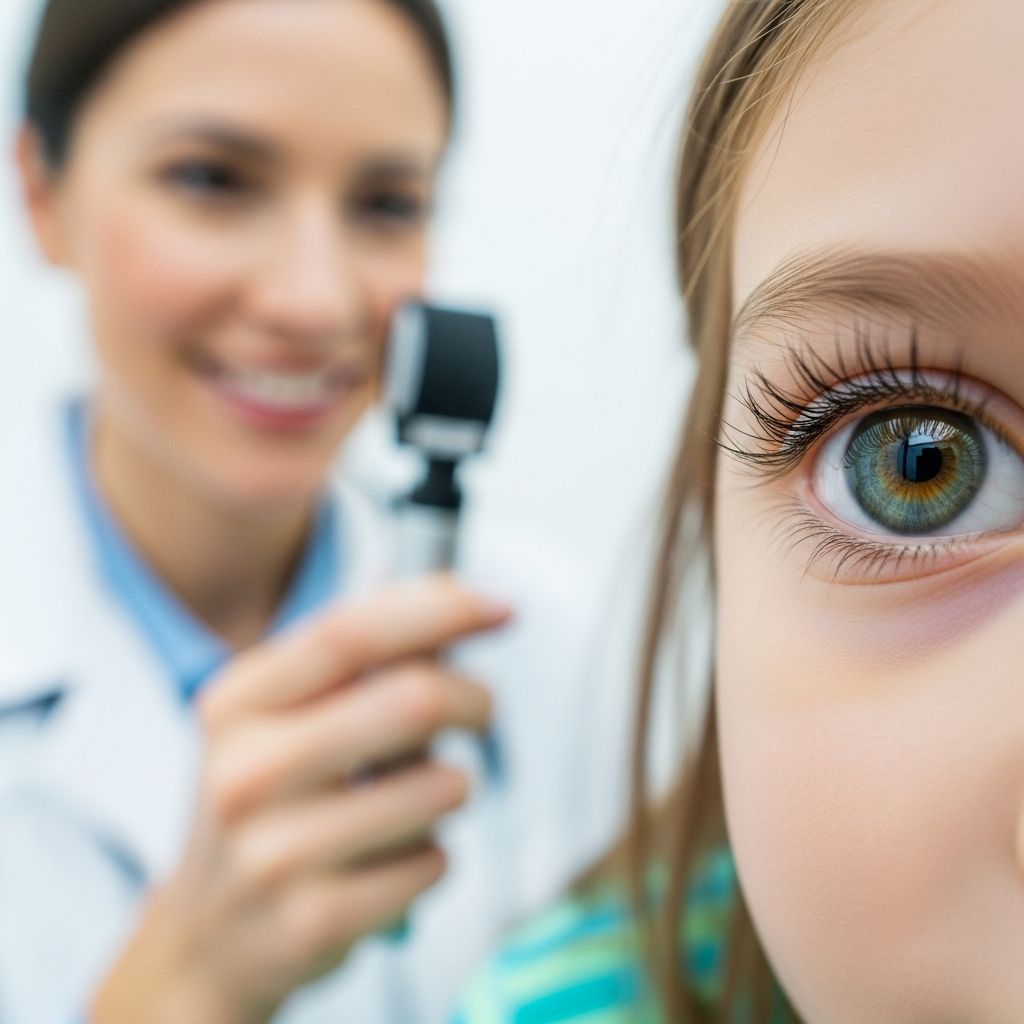
Unlike general eye doctors, these specialists create child-friendly environments with toys, videos, and age-appropriate tools to reduce anxiety during visits. Their expertise covers everything from routine screenings to complex surgeries, ensuring comprehensive care for issues like misaligned eyes or poor vision development.
- Key Training Milestones: Medical degree, 3-4 years ophthalmology residency, 1-2 years pediatric fellowship.
- Unique Skills: Techniques for non-verbal infants, toddlers, and cooperative teens.
- Office Setup: Play areas and specialized equipment for comfort.
Why Children’s Eyes Need Specialized Attention
Children’s eyes evolve rapidly until around age 12, making early detection of problems essential to prevent lifelong vision impairment. Infants and toddlers often can’t articulate discomfort, so subtle signs like rubbing eyes excessively or poor tracking require expert evaluation.
Vision is integral to cognitive and motor development. Undiagnosed issues can hinder reading, sports participation, or social interactions. Pediatric specialists excel in adapting exams—using games for pre-verbal kids or charts for older children—to ensure accurate assessments.
Common Eye Conditions in Children
Several disorders frequently affect pediatric populations, each with potential impacts if untreated. Early intervention often yields the best outcomes.
Amblyopia: The Lazy Eye Challenge
Amblyopia occurs when the brain favors one eye, stunting vision development in the other due to blurred input from refractive errors, misalignment, or obstruction. It affects up to 5% of children and is most treatable before age 7.
Symptoms include squinting or head tilting. Treatment involves correcting the underlying cause (e.g., glasses) and patching the stronger eye to strengthen the weaker one, sometimes combined with vision therapy exercises.
Strabismus: Managing Misaligned Eyes
Strabismus, or crossed eyes, happens when eyes don’t align properly, leading to double vision or suppressed sight in one eye. It impacts depth perception and can signal neurological issues.
Types include esotropia (inward turn) and exotropia (outward). Non-surgical options like glasses or patches work for mild cases; surgery adjusts eye muscles for alignment.
Refractive Errors and Other Issues
Myopia, hyperopia, and astigmatism distort focus, treatable with prescription lenses. Leukocoria (white pupil reflex) signals serious conditions like retinoblastoma, demanding immediate checks. Retinopathy of prematurity affects preemies due to abnormal vessel growth.
| Condition | Symptoms | Common Treatments |
|---|---|---|
| Amblyopia | Poor vision in one eye, squinting | Patching, glasses, therapy |
| Strabismus | Misaligned eyes, double vision | Glasses, surgery, exercises |
| Refractive Errors | Blurry vision at distances | Corrective lenses |
| Leukocoria | White pupil glow | Urgent imaging, possible surgery |
The Diagnostic Process: What to Expect
A first pediatric ophthalmology visit lasts 1-2 hours, involving a team of ophthalmologists and orthoptists—experts in eye muscle disorders.
Parents provide history and photos of concerns. Vision is tested via matching games, pictures, or charts per age. Eye alignment, pressure (via tonometry), and dilation (30-45 minutes) allow internal views of retina, lens, and optic nerve.
- Family and symptom history collection.
- Age-adapted vision screening.
- Muscle function and alignment checks.
- Intraocular pressure measurement.
- Dilated fundus exam for internal health.
Post-dilation, kids may have light sensitivity; sunglasses help.
Treatment Pathways for Young Eyes
Treatments prioritize non-invasive methods first.
Non-Surgical Interventions
Glasses correct refractive errors; atropine drops or patching force weak eye use in amblyopia. Vision therapy builds coordination through tailored activities.
Surgical Options
For strabismus, outpatient surgery under anesthesia repositions muscles via small incisions. Recovery involves mild discomfort, redness, and follow-ups to track alignment. Glaucoma or cataracts may require lens implants or shunts.
Success rates are high with early action; most kids resume normal activities within days.
Prevention and Home Care Tips
Regular pediatrician screenings catch issues early. Limit screen time per AAP guidelines (under 2 years: none; 2-5: 1 hour/day). Encourage outdoor play to curb myopia.
- Watch for signs: Frequent eye rubbing, light sensitivity, head tilting.
- Ensure balanced lighting for reading/activities.
- Model healthy habits: 20-20-20 screen rule.
- Schedule eye exams at key ages: newborn, school entry, annually if risks.
When to Seek Immediate Help
Red flags include sudden vision loss, painful eyes, white pupil, or persistent redness. Brain-eye links (e.g., in diabetes) also warrant specialist input.
Frequently Asked Questions (FAQs)
How early should my baby have an eye exam?
At birth for red reflex check, then at well-child visits. Full pediatric ophthalmology eval if screening fails.
Is patching effective for lazy eye?
Yes, especially under age 7; 2-6 hours daily can improve vision significantly.
What causes crossed eyes in toddlers?
Genetics, refractive errors, or neurological factors; treatable with therapy or surgery.
How long does strabismus surgery recovery take?
1-2 weeks for most activities; full alignment may need adjustments.
Can screens damage kids’ eyes?
Excess causes digital strain; follow age-based limits to support healthy development.
References
- What is a Pediatric Ophthalmologist? — American Academy of Pediatrics (healthychildren.org). 2023. https://www.healthychildren.org/English/family-life/health-management/pediatric-specialists/Pages/What-is-a-Pediatric-Ophthalmologist.aspx
- Overview of Pediatric Ophthalmology and Strabismus Surgery — Millennium Park Eye Center. 2024. https://millenniumparkeyecenter.com/pediatric-ophthalmology-and-strabismus-surgery/overview-of-pediatric-ophthalmology-and-strabismus-surgery
- Ophthalmology | Pediatrics — SIU Medicine. 2025. https://www.siumed.org/specialty-care/pediatrics/ophthalmology
- An Introduction to Pediatric Ophthalmology — Rowan Digital Works (Rowan University). 2022. https://rdw.rowan.edu/cgi/viewcontent.cgi?article=1088&context=crjcsm
- Pediatric Ophthalmology — Northwestern Medicine. 2024. https://www.nm.org/conditions-and-care-areas/ophthalmology/pediatric-ophthalmology
- Pediatric Ophthalmologist — American Association for Pediatric Ophthalmology and Strabismus (AAPOS). 2023. https://aapos.org/glossary/pediatric-ophthalmologist