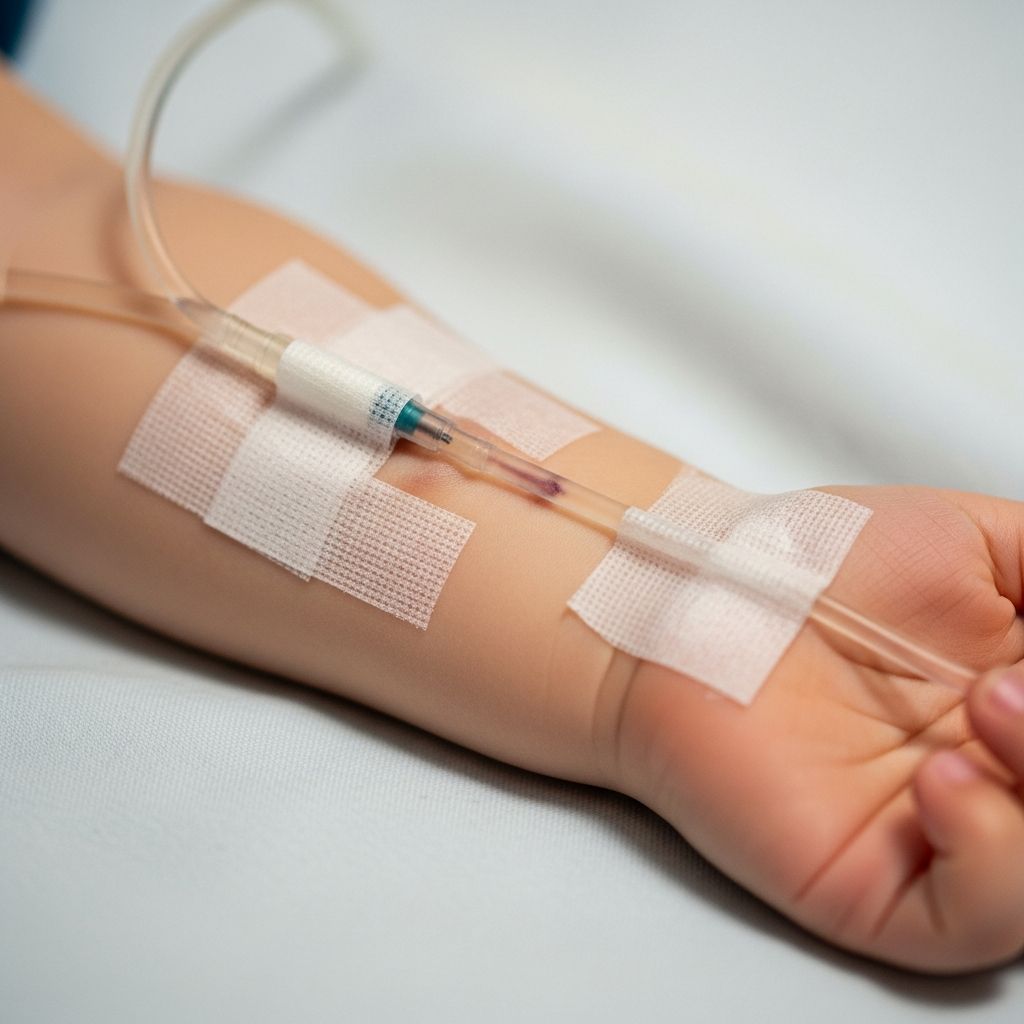
Intravenous (IV) lines are vital medical tools frequently used in pediatric care to deliver essential fluids, medications, and nutrients directly into a child’s bloodstream. These devices ensure rapid and effective treatment, particularly when oral intake is not possible due to illness, surgery, or dehydration. For parents, grasping the fundamentals of IV lines can alleviate anxiety and promote better involvement in their child’s care.
Why Children Need IV Access
Children often require IV therapy for various reasons, including severe infections, post-surgical recovery, chemotherapy, or electrolyte imbalances. Unlike adults, young patients may have smaller, more delicate veins, making access challenging but crucial for timely intervention. IV lines bypass the digestive system, allowing immediate absorption of life-saving treatments.
Common scenarios include hospitalization for gastroenteritis, where rehydration is urgent, or chronic conditions like cancer requiring ongoing infusions. Early IV placement can prevent complications from delayed therapy.
Types of IV Lines Used in Pediatrics
Several IV options exist, tailored to duration and therapy needs:
- Peripheral IV Catheters: Short-term, inserted into arm or hand veins. Ideal for brief hospital stays.
- PICC Lines: Longer-term, threaded from arm to near-heart veins. Suitable for weeks of treatment without repeated pokes.
- Central Venous Catheters (CVCs): For extended use, placed in chest/neck veins. Used in intensive therapies.
| Type | Duration | Insertion Site | Best For |
|---|---|---|---|
| Peripheral IV | Days | Arm/Hand | Short-term fluids/meds |
| PICC | Weeks | Arm to chest | Prolonged antibiotics |
| Tunneled CVC | Months | Chest/Neck | Cancer treatment |
Step-by-Step Guide to IV Insertion in Kids
Trained pediatric nurses or doctors follow precise steps to minimize discomfort:
- Vein Selection: Palpate for stable veins, often using vein finders for tricky cases in children.
- Preparation: Apply topical numbing cream, especially for kids, and clean with antiseptic.
- Tourniquet: Gentle band to engorge veins without restricting blood flow.
- Insertion: Needle with catheter enters at 15-30 degree angle; blood flashback confirms vein entry.
- Securing: Remove needle, tape catheter, apply transparent dressing with date label.
- Flush Test: Saline flush verifies patency; blood draw if needed.
This process typically takes minutes, with distractions like toys or videos for children.
Caring for Your Child’s IV at Home or Hospital
Proper maintenance extends IV life and prevents issues:
- Keep site clean and dry; cover during baths (no submersion for peripheral/PICC).
- Monitor for redness, swelling, or pain—signs of infection or infiltration.
- Avoid pulling on tubing; secure with arm boards if active child.
- Follow flush schedules as instructed to prevent clots.
Parents can help by noting changes and reporting promptly.
Recognizing and Managing Common Complications
While safe, IVs carry risks:
- Phlebitis: Vein inflammation—red, warm site. Treat with warm compresses.
- Infiltration: Fluid leaks into tissues causing swelling. Remove IV immediately.
- Infection: Fever, pus at site. Requires antibiotics, line removal.
- Clotting: Blocked flow. Flushing or replacement needed.
Pediatric rates are low with protocols; vigilance is key.
Preparing Your Child Emotionally for IV Placement
Anxiety is common; prepare with age-appropriate explanations: “It’s like a straw for medicine.” Use stories, dolls for demos. Offer choices like hand position. Post-procedure, praise bravery with rewards.
Techniques include swaddling infants, guided imagery for toddlers, teen involvement in decisions.
Long-Term IV Options for Chronic Conditions
For ongoing needs, advanced lines reduce trauma:
- PICCs: Bedside insertion, arm exit site covered during showers (with protection).
- Ports: Implanted under skin, accessed via needle only when needed. Swim-ready post-healing.
These lower repeated sticks, improving quality of life.
Role of Parents in IV Therapy Success
Active participation boosts outcomes: Track infusions, learn flushing, advocate for pain relief. Educated parents detect issues early.
Frequently Asked Questions (FAQs)
How painful is IV insertion for kids?
Brief sting like a shot; numbing cream and distractions minimize it.
Can my child go home with an IV?
Yes, for PICCs/ports with home health training.
How often are peripheral IVs changed?
Every 72-96 hours or if signs of issues appear.
What if the IV stops working?
Notify staff immediately for replacement to avoid delays.
Are IVs safe for newborns?
Yes, with tiny gauges and expert technique.
Advances in Pediatric IV Technology
Near-infrared vein finders, longer-lasting materials like polyurethane reduce complications. Ultrasound guidance for difficult access.
These innovations make procedures safer, less invasive for children.
References
- Peripheral IV — Cleveland Clinic. 2023-05-15. https://my.clevelandclinic.org/health/treatments/24930-peripheral-iv
- Peripheral Line Placement — StatPearls, NCBI Bookshelf, NIH. 2023-07-17. https://www.ncbi.nlm.nih.gov/books/NBK539795/
- Intravenous (IV) Lines and Ports Used in Cancer Treatment — American Cancer Society. 2024-02-12. https://www.cancer.org/cancer/supportive-care/iv-lines-ports.html
- Definition of peripheral venous catheter — National Cancer Institute. 2023-11-01. https://www.cancer.gov/publications/dictionaries/cancer-terms/def/peripheral-venous-catheter
- Intravenous Line (IV) — Nemours KidsHealth. 2024-01-10. https://kidshealth.org/en/parents/intravenous-line.html