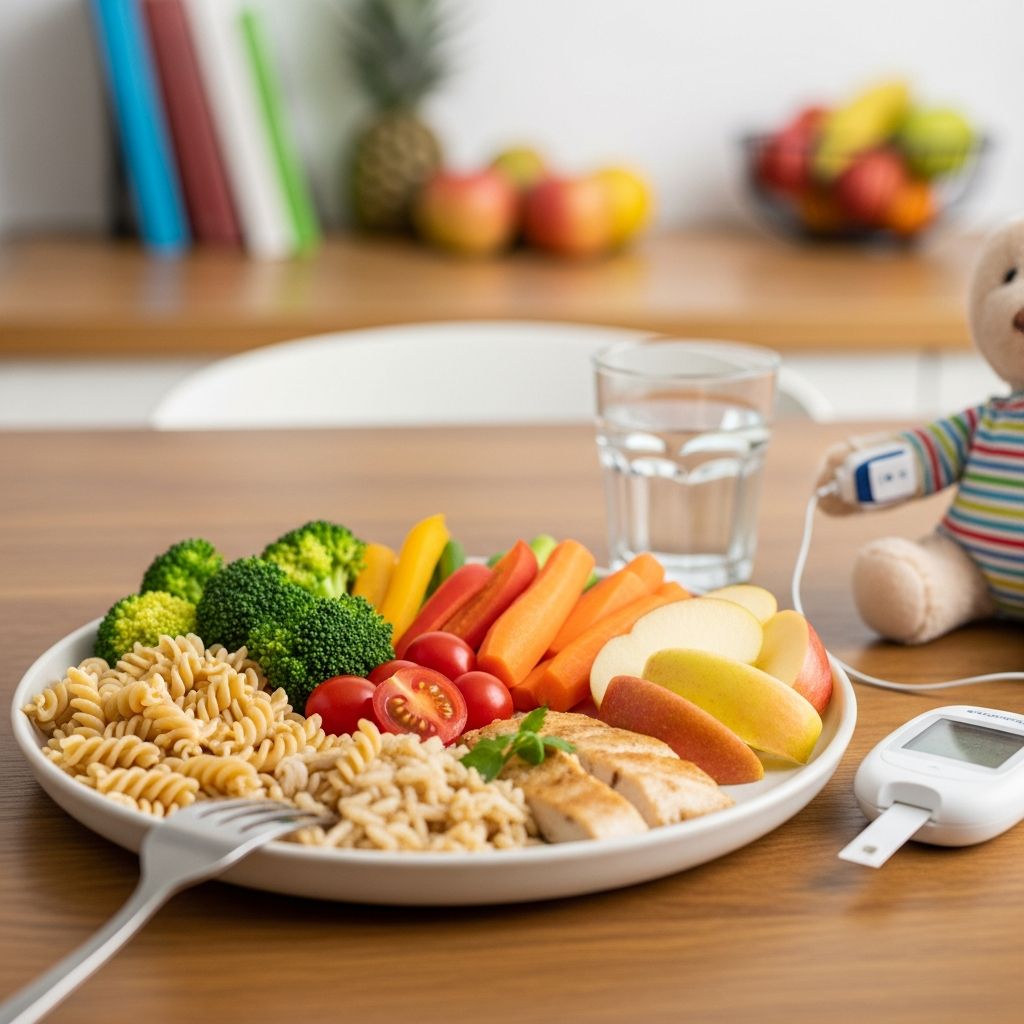
Inflammatory bowel disease (IBD) encompasses chronic conditions like Crohn’s disease and ulcerative colitis that cause ongoing inflammation in a child’s digestive system. These disorders can significantly impact growth, daily activities, and overall well-being, but with proper medical care, many children lead active lives.
Understanding the Basics of Pediatric IBD
IBD is not the same as irritable bowel syndrome (IBS); it involves structural damage to the intestines due to persistent inflammation, whereas IBS affects function without causing harm. In children, IBD often emerges before age 20, with peaks around puberty, affecting thousands annually. The inflammation stems from an overactive immune response mistakenly targeting the gut’s normal bacteria, leading to cycles of flare-ups and remission periods.
Two primary forms exist: Crohn’s disease, which can inflame any part of the gastrointestinal tract from mouth to anus, often the small intestine’s end and colon’s start, penetrating all layers. Ulcerative colitis limits damage to the colon and rectum’s inner lining, creating continuous ulcers. Both lead to symptoms that disrupt school, play, and nutrition.
Common Warning Signs in Young Patients
Recognizing IBD early is crucial, as symptoms can mimic other issues like infections. Children may experience:
- Persistent abdominal cramps or pain, worsening after eating
- Frequent diarrhea, often bloody or mucus-filled, with urgency
- Unexplained weight loss or slowed growth, due to poor nutrient absorption
- Fatigue, fever, or reduced appetite
- Mouth sores, joint aches, skin rashes, or eye irritation
- Perianal issues like fistulas, abscesses, or fissures
In very early onset IBD (under age 6), symptoms might include feeding difficulties, vomiting, or severe constipation alongside growth delays. About 22% of cases present without classic gut symptoms, showing only growth failure or anemia first.
Why Does IBD Develop in Kids?
The exact triggers remain unclear, but genetics play a role—20% of affected children have family members with IBD. Environmental factors like diet, infections, or antibiotics may interact with a predisposed immune system, causing dysregulated responses to gut microbes. Unlike adults, pediatric IBD often halts normal development if untreated, emphasizing timely intervention.
Steps to Diagnose IBD Accurately
Diagnosis starts with a pediatrician noting persistent symptoms and family history. Key tools include:
- Blood tests for anemia, inflammation markers, or nutrient deficiencies
- Stool tests to rule out infections and detect blood or calprotectin
- Imaging like MRI or ultrasound for bowel wall thickness and complications
- Endoscopy with biopsies to visualize inflammation patterns—discontinuous in Crohn’s, continuous in ulcerative colitis
Histology reveals neutrophils, crypt damage, or granulomas (more common in Crohn’s, up to 60% of pediatric cases). Tables below summarize symptom prevalence from studies:
| Symptom | Crohn’s (%) | Ulcerative Colitis (%) |
|---|---|---|
| Abdominal Pain | 67-86 | 43-62 |
| Diarrhea | 30-78 | 74-98 |
| Rectal Bleeding | 22-49 | 83-84 |
| Weight Loss/Growth Issues | 3-4 (growth) | 0 |
Data adapted from clinical reviews. Early diagnosis prevents complications like strictures or malnutrition.
Treatment Approaches for Lasting Relief
Goals focus on reducing inflammation, achieving remission, supporting growth, and preventing flares. Options include:
- Medications: Aminosalicylates for mild cases; corticosteroids for flares; immunomodulators like azathioprine; biologics (anti-TNF like infliximab) for moderate-severe disease
- Nutrition Therapy: Exclusive enteral nutrition can induce remission in Crohn’s, aiding weight gain without steroids
- Surgery: Colectomy for unresponsive ulcerative colitis; resections for Crohn’s complications
Treatment is tailored, with multidisciplinary teams including gastroenterologists, dietitians, and psychologists. Monitoring via calprotectin levels helps adjust plans.
Navigating Daily Life with IBD
IBD affects school, sports, and emotions. Parents can:
- Track symptoms in a journal for doctor visits
- Ensure 504 plans for bathroom access and makeup work
- Promote balanced diets, avoiding triggers like high-fiber during flares
- Encourage vaccines and infection precautions due to immunosuppression
- Address mental health—symptoms impact quality of life
Remission periods allow normal activities, but flares require prompt care to avoid dehydration or hospitalization.
Potential Complications to Watch For
Untreated IBD risks include:
| Complication | Description | Affected Area |
|---|---|---|
| Fistulas/Abscesses | Tunnels or infections around anus | Perianal (Crohn’s) |
| Strictures | Narrowed bowel from scarring | Small intestine/Colon |
| Osteoporosis | Bone density loss from steroids/malnutrition | Skeletal |
| Extraintestinal Issues | Arthritis, skin lesions, liver problems | Joints/Skin/Liver |
Regular check-ups mitigate these.
Support Resources for Families
Organizations like Crohn’s & Colitis Foundation offer camps, education, and peer support. Pediatric IBD centers provide comprehensive care, improving outcomes.
Frequently Asked Questions
Can IBD be cured in children?
No, but treatments achieve long-term remission, allowing normal growth and activities.
How does IBD differ from IBS?
IBD causes inflammation and damage; IBS does not.
Is diet a cure for pediatric IBD?
Diet helps manage symptoms but isn’t curative; work with specialists.
What age does IBD typically start in kids?
Often over 10, but very early onset occurs under 6.
Does family history increase risk?
Yes, 20% have affected relatives.
This guide empowers parents to advocate effectively. Consult pediatric gastroenterologists for personalized advice.
References
- IBD Causes, Symptoms, and Treatments — UPMC Children’s Hospital. 2023. https://www.chp.edu/our-services/gastroenterology/ibd/causes-symptoms
- Inflammatory Bowel Disease — Children’s Hospital of Philadelphia. 2024. https://www.chop.edu/conditions-diseases/inflammatory-bowel-disease
- Very Early Onset IBD — Crohn’s & Colitis Foundation. 2023. https://www.crohnscolitisfoundation.org/patientandcaregivers/youth-parent-resources/very-early-onset-ibd
- Inflammatory Bowel Disease in Children — UT Southwestern Medical Center. 2024. https://utswmed.org/conditions-treatments/inflammatory-bowel-disease-children/
- IBD in Children: A Parent’s Guide — United Digestive. 2023. https://www.uniteddigestive.com/ibd-in-children-a-parents-guide-to-crohns-disease-and-ulcerative-colitis/
- Inflammatory Bowel Disease in Children and Adolescents — National Institutes of Health (PMC). 2016 (authoritative review). https://pmc.ncbi.nlm.nih.gov/articles/PMC4702263/
- Inflammatory Bowel Disease — Children’s Hospital Colorado. 2024. https://www.childrenscolorado.org/conditions-and-advice/conditions-and-symptoms/conditions/inflammatory-bowel-disease/