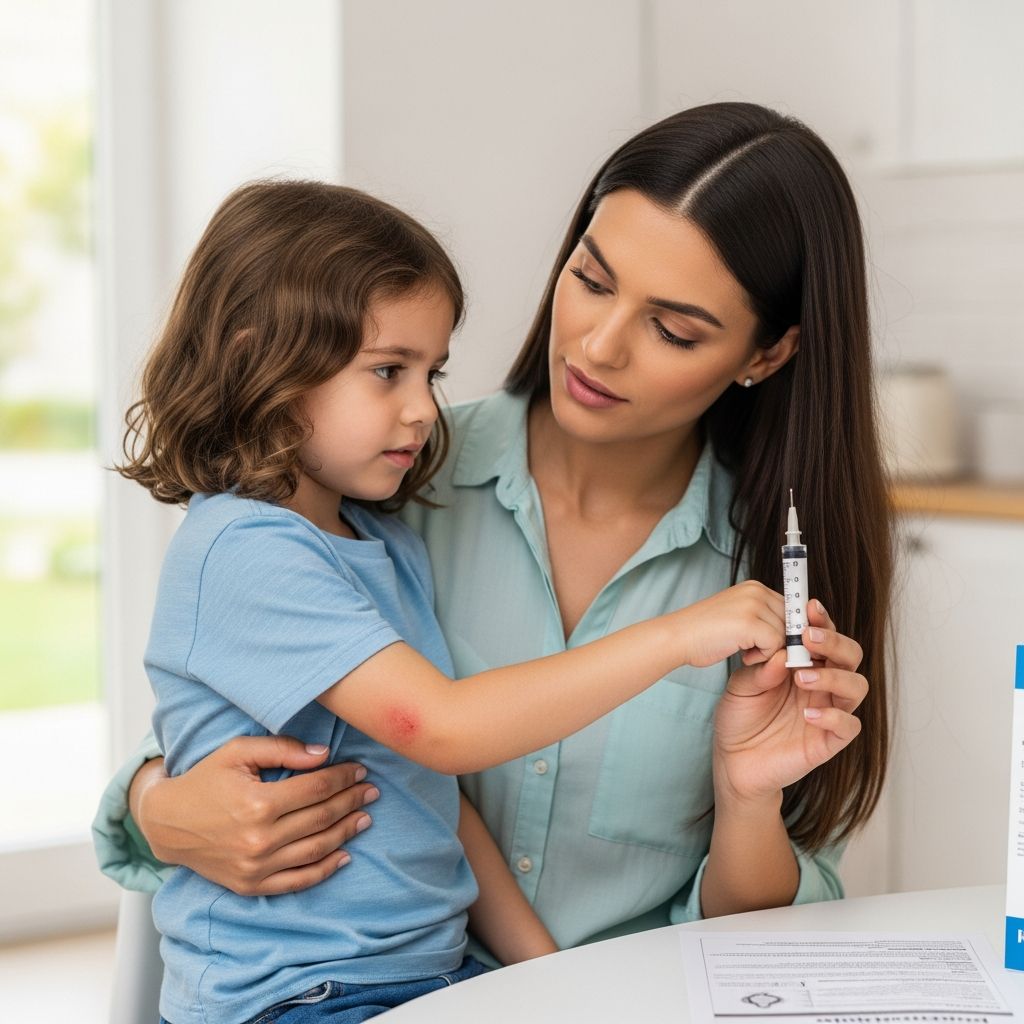
Inflammatory bowel disease (IBD) affects thousands of children worldwide, causing chronic inflammation in the digestive tract that leads to discomfort, nutritional challenges, and growth issues. This guide empowers parents with knowledge on **IBD types**, symptoms, diagnosis, treatment options, and strategies for daily life, drawing from pediatric expertise to help your child thrive despite the condition.
Understanding the Basics of Pediatric IBD
IBD refers to a group of disorders where the immune system mistakenly attacks the gastrointestinal (GI) tract, resulting in ongoing inflammation. Unlike temporary stomach bugs, IBD is lifelong but manageable. In kids, it often emerges before age 20, impacting over 3 million Americans, with about a quarter diagnosed in childhood.
The condition disrupts normal digestion, leading to poor nutrient absorption. Children may experience flare-ups of severe symptoms alternating with periods of remission. Early recognition is crucial, as untreated IBD can delay growth, puberty, and overall development.
Main Forms of IBD Affecting Kids
Two primary types dominate pediatric cases: Crohn’s disease and ulcerative colitis. Each has distinct patterns but shares overlapping features.
- Crohn’s Disease: This affects any part of the GI tract from mouth to anus, often the small intestine and colon. Inflammation penetrates all bowel wall layers, causing swelling, ulcers, and potential narrowing (strictures) or abnormal connections (fistulas).
- Ulcerative Colitis: Limited to the colon and rectum, it creates continuous sores (ulcers) on the inner lining, leading to bleeding and urgency.
A rarer form, very early onset IBD (VEO-IBD), appears before age 6 and may involve genetic factors, requiring specialized care.
Common Warning Signs in Young Patients
Symptoms vary by child and disease location but often start subtly. Parents should watch for persistent issues beyond typical tummy troubles.
| Symptom | Description | Frequency in Kids |
|---|---|---|
| Abdominal Pain | Cramping, often after eating | 67-86% (Crohn’s), 43-62% (UC) |
| Diarrhea | Frequent, loose stools, sometimes bloody | 30-78% (Crohn’s), 74-98% (UC) |
| Blood in Stool | Visible red or dark blood, mucus | 22-49% (Crohn’s), 83-84% (UC) |
| Weight Loss/Failure to Grow | Unexplained thinning, short stature | Common, up to 22% present this way first |
| Fatigue/Fever | Low energy, unexplained fevers | 38% fever in Crohn’s |
Additional red flags include mouth sores, joint aches, skin rashes, eye irritation, and delayed puberty. Kids might avoid meals due to pain, worsening malnutrition.
What Triggers IBD in Children?
The exact cause remains elusive, but experts point to a mix of genetics, environment, and immunity. Over 150 genes increase susceptibility, with family history raising risk—20% of pediatric cases have affected relatives.
Environmental factors like early-life infections, limited germ exposure (hygiene hypothesis), or diet may activate the immune system against harmless gut bacteria. In genetically prone kids, this leads to dysregulated inflammation.
Steps for Accurate Diagnosis
Diagnosis starts with a pediatric gastroenterologist reviewing symptoms, family history, and growth charts. No single test confirms IBD; it’s a process.
- Blood Tests: Check for anemia, inflammation markers (ESR, CRP), and nutrient deficiencies.
- Stool Tests: Rule out infections, detect blood or calprotectin (inflammation indicator).
- Imaging: Ultrasounds, CT/MRI scans visualize bowel thickness or complications.
- Endoscopy/Colonoscopy: Camera exams with biopsies distinguish Crohn’s from UC via inflammation patterns, like granulomas in Crohn’s.
Very early onset cases may need genetic testing. Pediatric presentations can be atypical—22% show only growth failure or anemia initially.
Treatment Approaches for Managing IBD
Goals: Reduce inflammation, achieve remission, support growth, and prevent flares. Treatments are tailored, often combining meds, nutrition, and monitoring.
Medications
- Aminosalicylates (5-ASAs): Mild cases, reduce colon inflammation.
- Corticosteroids: Quick flare relief, short-term use due to side effects.
- Immunomodulators/ Biologics: Suppress immune overactivity; biologics target specific proteins (e.g., anti-TNF like infliximab).
- Antibiotics: For infections or perianal issues.
Nutritional Therapy
Exclusive enteral nutrition (liquid diets) induces remission in 80% of Crohn’s kids, aiding growth without steroids.
Surgery
For severe complications like strictures or uncontrolled UC (colectomy). Crohn’s may recur post-surgery.
Potential Complications to Monitor
IBD raises risks beyond the gut:
- Growth & Puberty Delays: Due to calorie malabsorption.
- Bone Health: Osteopenia from steroids, poor vitamin D.
- Extraintestinal: Arthritis (joints), uveitis (eyes), erythema nodosum (skin).
- Perianal Disease: Fistulas, abscesses in 20% Crohn’s kids.
Seek urgent care for severe pain, persistent vomiting, or heavy bleeding.
Daily Life: Nutrition and Lifestyle Tips
Help your child eat balanced meals: high calories, low fiber during flares. Small, frequent meals ease digestion. Probiotics, vitamins (iron, B12, D) combat deficiencies.
- Track symptoms/food diary.
- Encourage hydration, exercise.
- Stress management via therapy or mindfulness.
School accommodations: bathroom access, meal breaks. Sports are fine with doctor approval.
Emotional Support for Families
IBD brings anxiety, isolation. Kids fear flares at school; parents worry about future. Counseling, support groups (e.g., Crohn’s & Colitis Foundation) build resilience. Open talks normalize the condition.
Long-Term Outlook and Research Advances
With treatment, most kids lead full lives. Remission rates improve with biologics. Ongoing research into genetics, microbiome therapies promises better options.
Frequently Asked Questions (FAQs)
Can IBD be cured in children?
No, but treatments control it effectively, leading to long remissions.
Is diet alone enough treatment?
Nutritional therapy works for some Crohn’s cases but usually pairs with meds.
How does IBD affect school?
Plans for bathroom access and rest help; many kids excel academically.
What’s the genetic risk?
If a sibling has IBD, risk is 5-10x higher; family screening advised.
When to see a specialist?
Persistent diarrhea, pain, blood, or growth issues warrant GI referral.
References
- Inflammatory Bowel Disease (for Kids) — Nemours KidsHealth. 2023. https://kidshealth.org/en/kids/ibd.html
- Inflammatory Bowel Disease (IBD) — GiKids (NASPGHAN). 2024. https://gikids.org/inflammatory-bowel-disease/
- Very Early Onset IBD — Crohn’s & Colitis Foundation. 2023. https://www.crohnscolitisfoundation.org/patientandcaregivers/youth-parent-resources/very-early-onset-ibd
- Inflammatory Bowel Disease — Children’s Hospital of Philadelphia (CHOP). 2024. https://www.chop.edu/conditions-diseases/inflammatory-bowel-disease
- Inflammatory Bowel Disease (IBD) in Children — Cincinnati Children’s Hospital. 2024. https://www.cincinnatichildrens.org/health/i/ibd
- Inflammatory Bowel Disease in Children and Adolescents — National Institutes of Health (PMC). 2016-01-01. https://pmc.ncbi.nlm.nih.gov/articles/PMC4702263/
- Inflammatory Bowel Disease (IBD) – Symptoms and Causes — Mayo Clinic. 2024. https://www.mayoclinic.org/diseases-conditions/inflammatory-bowel-disease/symptoms-causes/syc-20353315