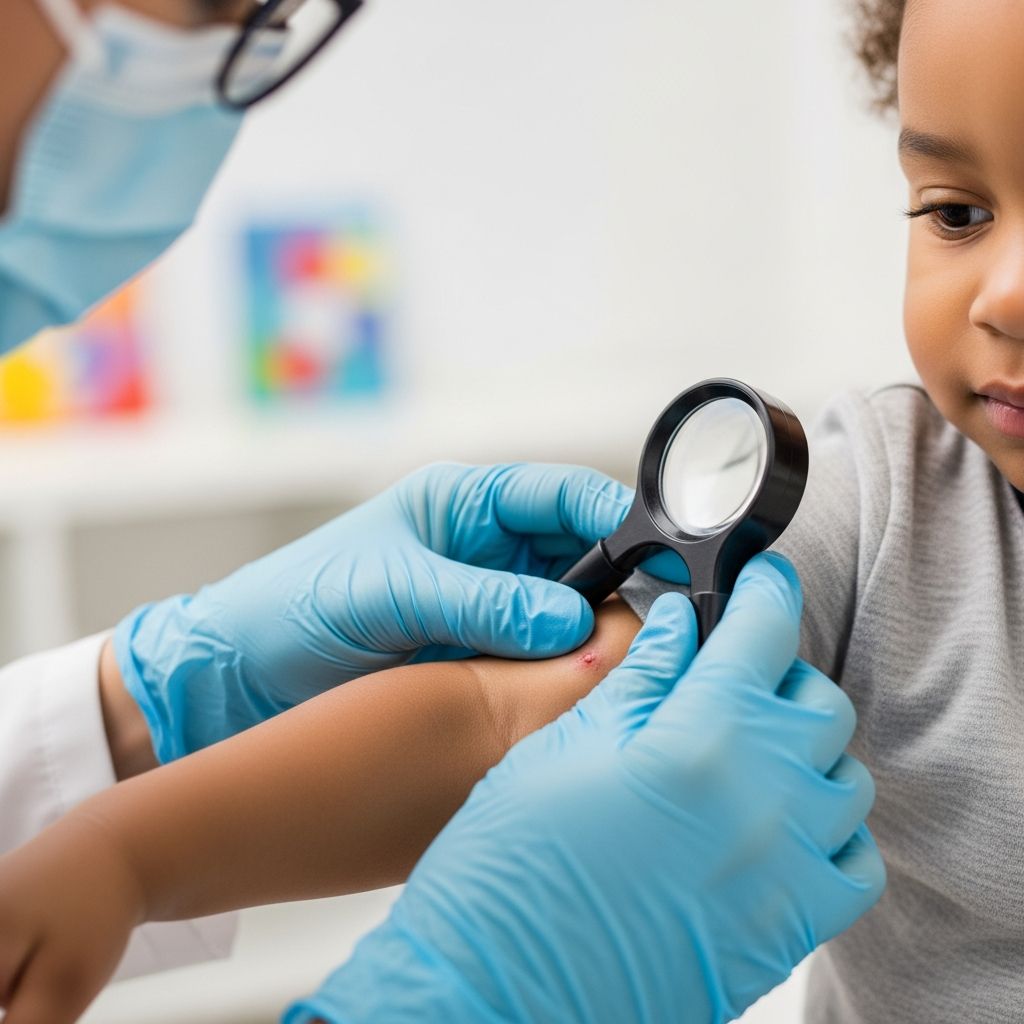
Children’s skin is uniquely sensitive and prone to specific conditions that differ from adult dermatological issues. Pediatric dermatologists specialize in diagnosing and managing these from birth through adolescence, ensuring gentle, effective care tailored to young patients.
Understanding the Role of Pediatric Dermatologists
Pediatric dermatologists are physicians with advanced training in both pediatrics and dermatology, focusing on skin, hair, and nail disorders in infants, children, and teens. They handle everything from routine rashes to complex genetic conditions, often collaborating with other specialists like allergists or oncologists for comprehensive care.
These experts work primarily in outpatient clinics but also manage hospitalized children and perform procedures like laser therapy or minor surgeries. Their training equips them to recognize how skin changes can signal underlying health problems, making early intervention crucial for long-term well-being.
Why Children’s Skin Needs Specialized Attention
A child’s skin is thinner, more absorbent, and develops differently than an adult’s, increasing vulnerability to infections, allergies, and environmental irritants. Conditions that seem minor can impact growth, self-esteem, and quality of life, especially visible ones like severe eczema or prominent birthmarks.
- Thinner Barrier: Easier penetration by allergens and microbes.
- Immune Development: Heightened reactions to triggers.
- Psychosocial Effects: Skin issues can affect social interactions and confidence during formative years.
Pediatric specialists consider these factors, choosing treatments that minimize side effects and scarring while accounting for developmental stages.
Prevalent Skin Conditions in Children
Skin problems account for up to 30% of pediatric visits, ranging from benign to serious. Here’s an overview of common ones managed by pediatric dermatologists.
| Condition | Description | Typical Age | Key Features |
|---|---|---|---|
| Atopic Dermatitis (Eczema) | Chronic itchy, inflamed patches; often allergy-linked. | Infancy to childhood | Red, dry skin; flares from triggers like soaps or foods. |
| Acne | Pimples, blackheads from clogged pores. | Pre-teens to teens | Hormonal; can scar if untreated. |
| Hemangiomas & Birthmarks | Vascular growths or pigmented spots present at birth. | Newborns | May grow then fade; laser for persistent cases. |
| Warts & Molluscum | Viral infections causing bumpy lesions. | School-age | Contagious; topical or cryotherapy treatments. |
| Psoriasis & Vitiligo | Autoimmune; scaly plaques or pigment loss. | Any childhood age | Topicals, light therapy; impacts appearance. |
Less common issues include genodermatoses (inherited disorders), drug reactions, and rare cancers, where expertise is vital.
Diagnostic Approaches in Pediatric Skin Care
A first visit involves a detailed history—symptom duration, family allergies, exposures—and full-body exam using dermatological terms like ‘macule’ (flat spot) or ‘vesicle’ (blister) for precision.
Tests may include:
- Skin scrapings or cultures for infections.
- Biopsies for unclear lesions.
- Blood work for systemic links.
- Wood’s lamp for pigment issues.
This systematic evaluation ensures accurate diagnosis, avoiding missteps common in general practice.
Treatment Strategies Tailored for Kids
Treatments prioritize safety: emollients for eczema, targeted antibiotics for infections, and advanced lasers for birthmarks like port-wine stains. Sedation makes procedures tolerable for children.
Non-Invasive Options:
- Moisturizers and gentle cleansers daily.
- Topical steroids or calcineurin inhibitors for inflammation.
- Antihistamines for itch relief.
Procedural Interventions: Cryotherapy for warts, photodynamic therapy for acne, or vascular lasers—always with child-friendly techniques.
Holistic plans address lifestyle, diet, and emotional support, improving outcomes significantly.
When to Consult a Pediatric Dermatologist
Not every rash needs a specialist, but seek one if:
- Home remedies fail after 2 weeks.
- Rash spreads, weeps, or causes fever.
- Birthmarks grow rapidly or ulcerate.
- Acne leads to scarring or depression.
- Family history of skin cancer or genetic disorders.
Early referral prevents complications; pediatricians often guide this.
The Clinic Experience: What Parents Should Know
Visits are designed to ease anxiety: colorful waiting areas, explanations at child’s level, and minimal-restraint exams. Expect 30-60 minutes for thorough assessment and plan discussion.
Follow-ups track progress, adjusting as kids grow. Telehealth options aid accessibility.
Preventive Skin Health for Children
Daily habits build resilience:
- Use fragrance-free products.
- Apply broad-spectrum sunscreen (SPF 30+).
- Moisturize post-bath.
- Avoid known allergens.
- Teach gentle scratching alternatives.
Education empowers families, reducing flare frequency.
Emerging Advances in Pediatric Dermatology
Recent innovations include topical sirolimus for vascular lesions and biologics for severe eczema, offering non-steroid alternatives. Genetic testing aids inherited condition management.
Laser tech evolves for precise, scar-minimizing treatments, enhancing cosmetic and functional results.
Frequently Asked Questions
Is pediatric dermatology different from regular dermatology?
Yes, it focuses on child-specific conditions, growth considerations, and kid-friendly approaches.
How long does eczema treatment take?
Varies; many see improvement in weeks with consistent care, but it’s often chronic.
Are birthmarks dangerous?
Most are harmless, but some like hemangiomas may need monitoring or treatment.
Can diet affect my child’s skin?
Possibly; allergies to dairy or nuts trigger eczema in some cases.
When should teens see a dermatologist for acne?
If over-the-counter treatments fail or scarring occurs.
This guide equips parents with knowledge for proactive skin health. Consult professionals for personalized advice.
References
- Dermatology – Council of Pediatric Subspecialties — Council of Pediatric Subspecialties. 2023. https://www.pedsubs.org/about-cops/subspecialty-descriptions/dermatology/
- What Is Pediatric Dermatology? — Happy Skin, PLLC. 2024-08-16. https://www.happyskindermatology.com/2024/08/16/what-is-pediatric-dermatology/
- Pediatric Dermatology – Overview — Mayo Clinic. 2024. https://www.mayoclinic.org/departments-centers/pediatric-dermatology/overview/ovc-20421033
- Pediatric Dermatology — National Center for Biotechnology Information (PMC). 2017-03-15. https://pmc.ncbi.nlm.nih.gov/articles/PMC5367868/
- About Pediatric Dermatologists — APDerm. 2023. https://www.apderm.com/blog/pediatric-dermatology-when-should-i-start-bringing-my-child-to-the-dermatologist/
- Core Concepts of Pediatric Dermatology — University of Texas Medical Branch (UTMB). 2023. https://www.utmb.edu/pedi_ed/CoreV2/Dermatology/page_01.htm
- Patient Handouts — Society for Pediatric Dermatology. 2024. https://pedsderm.net/for-patients-families/patient-handouts/