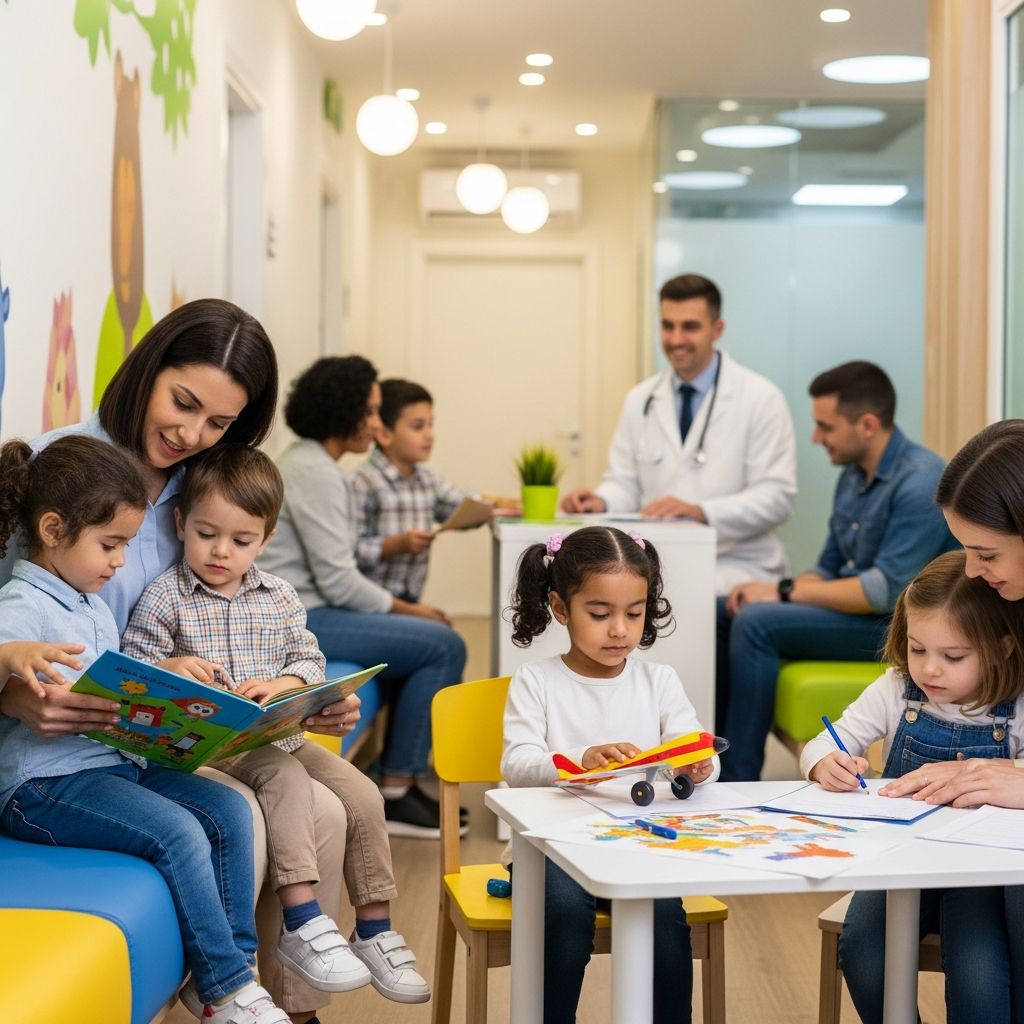
Clinical trials represent a cornerstone of medical progress, particularly for children whose unique physiological needs demand specialized research. These studies evaluate new treatments, medications, and interventions to ensure they are safe and effective for young patients, who differ significantly from adults in how their bodies process drugs and respond to therapies.
Why Kids Need Their Own Clinical Trials
Children’s bodies are in constant flux due to growth and development, making adult-tested treatments potentially unsuitable. Infants, toddlers, school-age kids, and teens each have distinct metabolic rates, organ functions, and immune responses that can alter drug efficacy and safety. Historically, pediatricians relied on adjusted adult doses, leading to risks like the gray baby syndrome from chloramphenicol, underscoring the necessity for child-specific trials.
Today, over 60% of children with cancer participate in research protocols, comparing standard care to innovative options to boost survival and minimize side effects. Organizations like the Children’s Oncology Group (COG) and the World Health Organization (WHO) emphasize that these trials develop age-appropriate therapies, improving outcomes for conditions from cystic fibrosis to leukemia.
Breaking Down the Phases of Pediatric Clinical Trials
Clinical trials progress through structured phases, each building on the last to prioritize safety and efficacy. Understanding these helps parents gauge a study’s maturity and risk level.
- Phase I: Focuses on safety, testing initial dosages in small groups (often 20-100 participants) with various conditions. Researchers determine maximum tolerated doses (MTD) and dose-limiting toxicities (DLT) by escalating amounts until side effects emerge.
- Phase II: Targets patients likely to benefit based on Phase I data, assessing effectiveness in 100-300 participants while monitoring side effects.
- Phase III: Large-scale (300-3,000+ participants) comparisons of new treatments against standards. Random assignment ensures fairness, with long-term follow-up to measure cure rates, side effects, and hospital stays.
- Pilot Studies: Small, multi-site trials testing novel combinations in limited patients to check feasibility before wider rollout.
These phases ensure rigorous testing, with U.S. Food and Drug Administration (FDA) oversight guaranteeing compliance with safety regulations.
Risks and Safeguards in Children’s Trials
While trials offer potential benefits, they carry risks like unknown side effects or less effective treatments. Ethical frameworks address this, mandating that risks be minimal and justified by scientific necessity.
| Risk Category | Examples | Safeguards |
|---|---|---|
| Short-term Side Effects | Nausea, fatigue, allergic reactions | Continuous monitoring, early stopping rules |
| Long-term Effects | Growth impacts, organ damage | Data safety monitoring boards (DSMBs), regular reviews |
| Placebo Use | Receiving inactive treatment | Rare in kids; usually add-ons to standard care |
| Procedural Burdens | Extra visits, blood draws | Age-appropriate designs minimizing disruption |
DSMBs—independent expert panels—review data periodically, halting trials if harms outweigh benefits. Pediatric trials also adapt to developmental pharmacokinetics, like higher clearance rates in children requiring adjusted dosing.
The Informed Consent and Assent Process
Participation requires informed consent from parents or guardians, plus assent from the child in age-appropriate language. This ensures understanding of procedures, risks, benefits, alternatives, and withdrawal rights.
- Explain using simple terms: Compare trials to “trying a new recipe” to see if it’s better than the old one.
- Address fears: Tours of facilities, child-friendly videos reduce anxiety.
- Ongoing dialogue: Questions welcome anytime, with no coercion.
For minors, parental consent is legally binding, but assent fosters autonomy—e.g., teens might sign alongside parents.
Benefits Beyond the Individual Child
Even if a trial doesn’t yield personal gains, participants advance science. Phase III studies have revolutionized pediatric cancer care, increasing survival via refined protocols. Trials for cystic fibrosis drugs and premature lung treatments exemplify life-changing impacts.
Broader advantages include:
- Access to cutting-edge care unavailable otherwise.
- Comprehensive monitoring by specialists.
- Contributions to guidelines benefiting future kids.
How to Find and Choose a Trial
Consult your child’s doctor or hospital research departments. Registries like ClinicalTrials.gov or WHO’s ICTRP list options. Evaluate:
- Eligibility: Age, condition stage.
- Location: Proximity to minimize travel.
- Sponsor: Reputable groups like COG or NIH-funded networks.
Weigh pros (innovation, close follow-up) against cons (uncertainty, logistics).
Real-World Impact: Success Stories
Pediatric trials have slashed childhood cancer mortality by optimizing therapies. COG protocols treat most U.S. kids with newly diagnosed cancers, iteratively improving standards. Recent advances in leukemia treatments stem from Phase III comparisons showing higher cure rates with fewer late effects.
Frequently Asked Questions (FAQs)
Are clinical trials safe for my child?
Yes, with stringent oversight. They follow federal laws, ethical reviews, and safety boards that can stop studies early if needed.
Will my child get a placebo?
Rarely in kids; most receive active treatments, often standard care plus experimental add-ons.
How long do trials last?
Varies: Phase I/II months to years; Phase III often 2-5+ years with follow-up.
Can we quit anytime?
Absolutely, without affecting standard care access.
Who pays for trial costs?
Sponsors cover research-related expenses; insurance handles routine care.
Preparing Your Family for Participation
Discuss openly: Use books, videos tailored for 7-12-year-olds to demystify processes. Prepare for visits with comfort items. Track symptoms in a journal. Join support groups for shared experiences.
Logistically, plan for frequent visits, potential hospitalizations, and emotional support. Pediatric teams often include coordinators easing burdens.
The Future of Pediatric Research
Legislation like FDA pediatric rules and industry incentives boost trials. Networks enhance enrollment, reducing failures from poor planning (1 in 5 trials). Focus grows on rare diseases, personalized medicine via genetics.
Parents’ involvement accelerates progress—your decision today shapes tomorrow’s standards.
References
- What is a Clinical Trial — Children’s Oncology Group. 2023. https://childrensoncologygroup.org/what-is-a-clinical-trial
- How to Conduct Clinical Trials in Children: A Tutorial — PMC – NIH. 2019-05-15. https://pmc.ncbi.nlm.nih.gov/articles/PMC6510379/
- Clinical trials in children — World Health Organization (WHO). 2024. https://www.who.int/tools/clinical-trials-registry-platform/clinical-trials-in-children
- What Is a Clinical Trial? Your Questions Answered — Children’s Hospital Los Angeles (CHLA). 2023. https://www.chla.org/blog/research-and-breakthroughs/what-clinical-trial-your-questions-answered
- What Are Clinical Trials? — Children’s Hospital Colorado. 2024. https://www.childrenscolorado.org/just-ask-childrens/articles/clinical-trials/