Why Hydration Matters for Babies
Proper hydration is essential for infants, especially during periods of illness or increased fluid loss. Babies are more vulnerable to dehydration than older children or adults due to their smaller body size and higher metabolic rate. Dehydration can occur quickly if a baby is vomiting, has diarrhea, or is unable to drink enough fluids. Recognizing the signs of dehydration and knowing how to respond is crucial for parents and caregivers .
What Is Pedialyte?
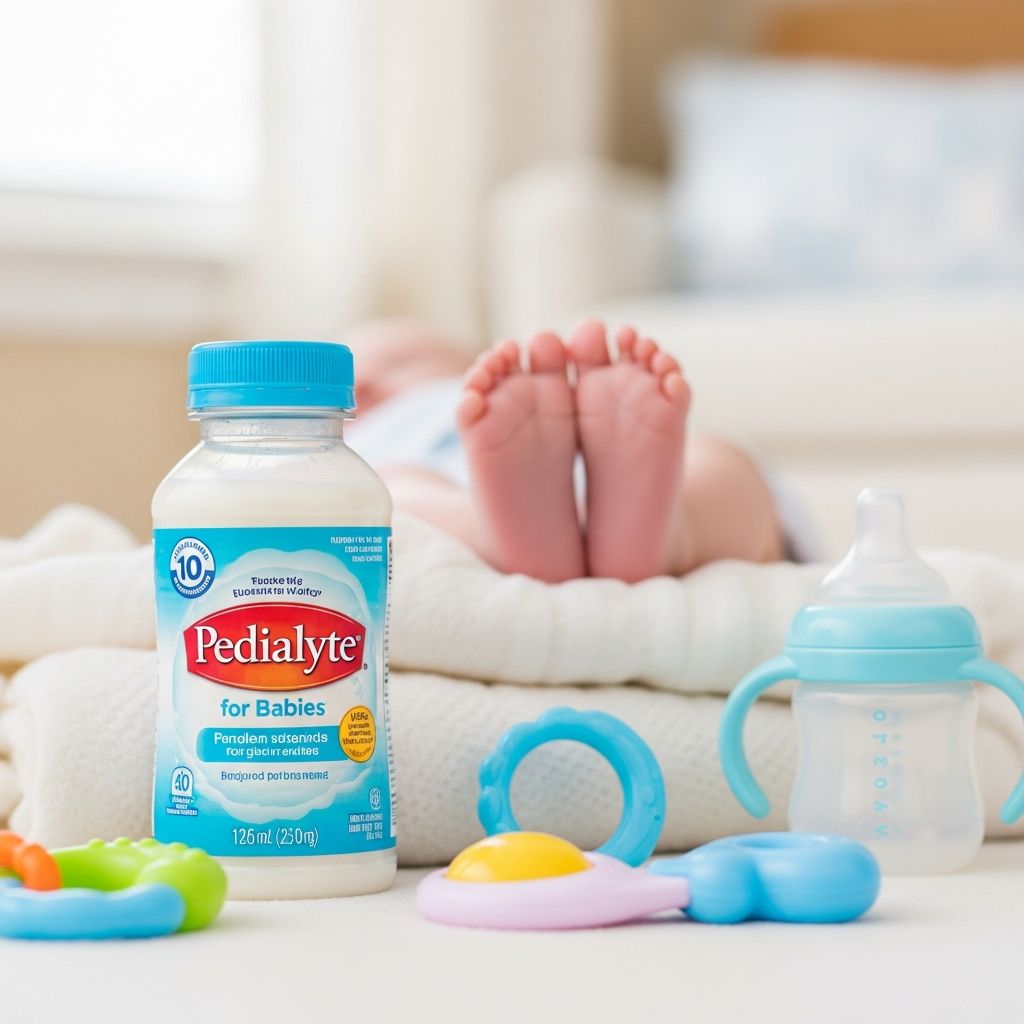
Pedialyte is an oral rehydration solution (ORS) designed to help replace fluids and electrolytes lost during illness. It contains a balanced mix of water, sugar, and essential minerals such as sodium, potassium, and chloride. This combination is formulated to be more effective than plain water in restoring hydration and supporting vital bodily functions .
When Should Parents Consider Pedialyte?
- When a baby is experiencing vomiting or diarrhea, Pedialyte can help prevent or treat dehydration .
- It may also be recommended for infants with high fever, excessive sweating, or poor fluid intake during illness .
- Pedialyte is most beneficial in cases of moderate dehydration, but it can also be used for mild cases under medical guidance .
Age-Specific Guidelines for Pedialyte Use
For infants under 1 year old, especially those still breastfeeding or formula-fed, Pedialyte should only be given under the supervision of a pediatrician. Introducing fluids other than breast milk or formula to very young babies can pose risks, including water intoxication and electrolyte imbalances .
For Babies Under 6 Months
- Strictly follow pediatrician recommendations before offering Pedialyte or any alternative hydration method .
- Dehydration can progress rapidly in this age group, so prompt medical advice is essential .
For Babies 6 Months to 1 Year
- Consult a pediatrician before giving Pedialyte, especially if the baby is still on breast milk or formula .
- Administer small sips every 15 minutes, following weight-based dosage guidelines .
For Toddlers and Older Children
- Pedialyte can be offered instead of water or other fluids when dehydration is a concern .
- Do not dilute Pedialyte with water, juice, or milk, as this can reduce its effectiveness .
How to Administer Pedialyte Safely
- Always follow the manufacturer’s instructions for mixing and storing Pedialyte .
- Once prepared, keep Pedialyte refrigerated and discard any unused solution after 48 hours to prevent bacterial contamination .
- Do not add extra sugar or flavorings, as this can worsen diarrhea and increase the risk of dehydration .
Recognizing Signs of Dehydration
- Dry mouth and lips
- Fewer wet diapers
- Lethargy or irritability
- Sunken eyes
- Crying without tears
- Cool or pale skin
If any of these symptoms are present, seek medical advice promptly .
Benefits of Pedialyte for Babies
- Efficiently restores hydration levels, outperforming water and regular drinks .
- Replenishes essential electrolytes vital for nerve and muscle function .
- Supports overall wellness by maintaining hydration and electrolyte balance .
- Available in multiple flavors to encourage fussy babies to drink .
Potential Risks and Side Effects
- Most children tolerate Pedialyte well, but some may experience mild side effects such as nausea, vomiting, dizziness, or swelling .
- Allergic reactions are rare but possible; symptoms include rash, hives, itching, swelling, or difficulty breathing .
- Improper mixing can lead to hypernatremia (high blood sodium levels), so always follow dosage instructions .
When to Seek Medical Help
- If dehydration symptoms worsen or do not improve after using Pedialyte .
- If your baby shows signs of an allergic reaction or severe discomfort .
- If your baby is under 6 months and you are unsure about using Pedialyte .
FAQs About Pedialyte for Babies
Can I give Pedialyte to a newborn?
No, Pedialyte should not be given to newborns without consulting a pediatrician. Breast milk or formula is the best source of hydration for infants under 6 months .
How much Pedialyte should I give my baby?
Dosage depends on your baby’s age and weight. Always follow pediatrician recommendations and manufacturer guidelines .
Can I mix Pedialyte with juice or milk?
No, mixing Pedialyte with other fluids can reduce its effectiveness and may worsen dehydration .
What if my baby refuses to drink Pedialyte?
Try offering small sips frequently or use a syringe or dropper. If your baby continues to refuse fluids, contact your pediatrician .
Is Pedialyte safe for long-term use?
Pedialyte is intended for short-term use during illness. For ongoing hydration needs, consult your pediatrician .
Conclusion
Pedialyte is a valuable tool for managing dehydration in babies, but it must be used with care and under medical guidance, especially for infants under 1 year old. Recognizing the signs of dehydration and knowing when to seek help can make a significant difference in your baby’s health and recovery .