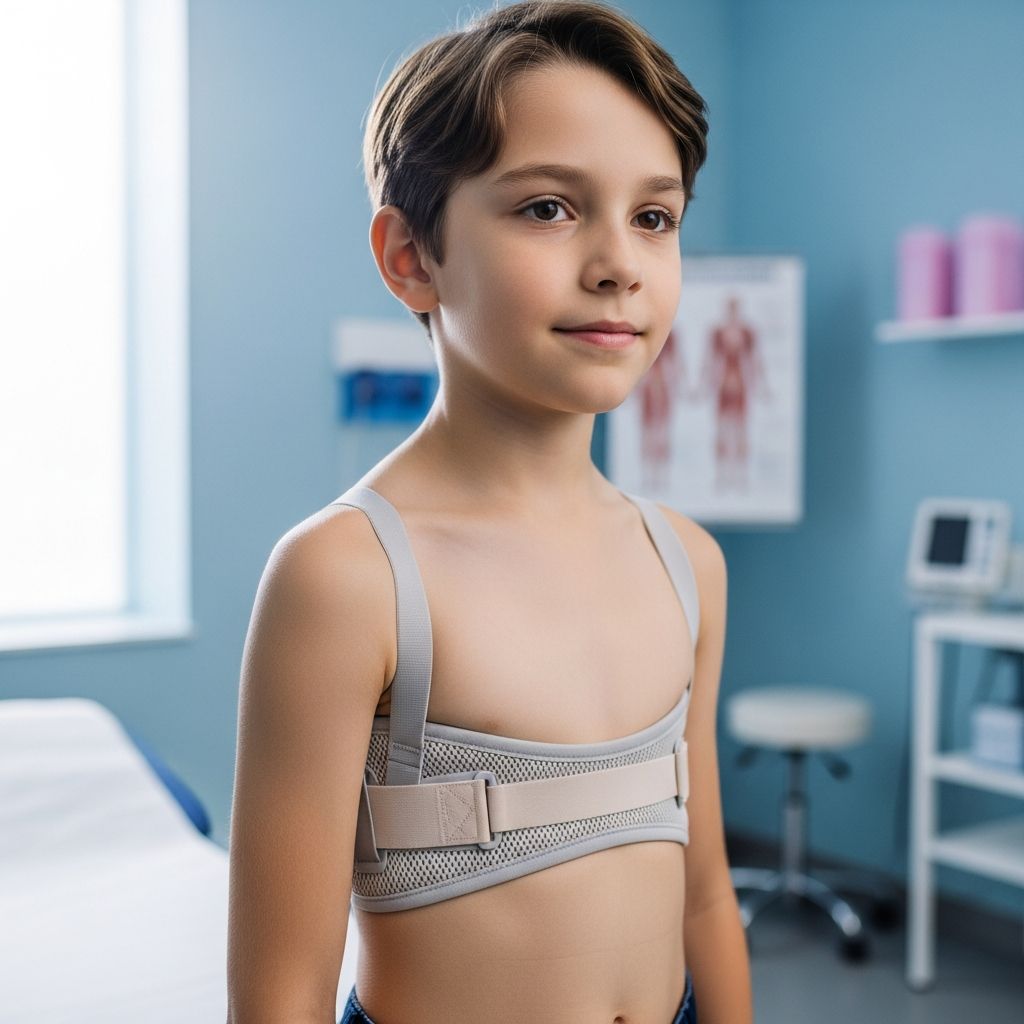
What is Pectus Carinatum and Why Treatment Matters
Pectus carinatum, commonly referred to as pigeon chest, is a condition characterized by a forward protrusion of the breastbone and rib cage. Unlike some other chest wall conditions, pectus carinatum develops during childhood and adolescence when the skeletal system is still developing. The condition becomes increasingly visible during periods of rapid growth and can significantly impact a child’s self-esteem and body image during the crucial teenage years. Without intervention, this deformity tends to become more pronounced and potentially permanent as a person approaches skeletal maturity. The good news is that modern treatment approaches have made it possible to address this condition effectively without resorting to invasive surgical procedures.
The Evolution of Treatment: From Surgery to Conservative Approaches
Historically, surgical intervention was the primary treatment option for pectus carinatum. The traditional surgical approach, known as the modified Ravitch procedure, involved removing abnormal costal cartilage and performing sternal osteotomy. More recently, modified Nuss procedures using internal bars have gained popularity. However, both surgical approaches carry inherent risks including scarring, postoperative pain, infection, and other potential complications. In recent decades, medical professionals have recognized that conservative treatment using external compression braces offers a safer, less invasive alternative with comparable or superior outcomes. This shift in treatment philosophy has revolutionized care for children with pectus carinatum, allowing most patients to avoid surgery entirely. Today, orthotic bracing is considered the gold standard first-line treatment approach across leading medical institutions.
How Compressive Bracing Works: The Mechanism of Correction
The pectus carinatum brace operates through a straightforward yet effective mechanism. The device is a custom-fitted circumferential brace that wraps around the child’s chest wall and applies sustained, gentle pressure directly to the area of protrusion. The brace targets the cartilaginous joints connecting the breastbone to the ribs, which are the primary source of the deformity. During the growth years, these cartilage structures remain relatively flexible and responsive to external pressure. As the brace applies continuous force, it gradually encourages the chest wall to remodel into a more normal configuration. This biological remodeling process takes time but proves highly effective when the child maintains consistent brace wear. The brace itself is typically constructed from lightweight aluminum and includes a compression plate specifically designed to fit comfortably against the child’s body while maintaining the necessary corrective force.
Age and Skeletal Maturity: Timing Treatment for Maximum Success
The timing of brace treatment is crucial for achieving optimal results. The ideal age to begin bracing is between 11 and 15 years old, during a period when the chest wall retains maximum flexibility and the skeleton is still actively growing. Children in this age range typically respond most favorably to conservative treatment because their bones and cartilage structures are more pliable and adaptable to external pressure. Starting treatment too early may be unnecessary, while delaying treatment until late adolescence reduces the effectiveness of bracing. The concept of musculoskeletal maturity is particularly important—it refers to the overall flexibility and responsiveness of the child’s growing skeletal framework. Younger children generally have greater flexibility, making them ideal candidates for bracing therapy. Once a child has reached skeletal maturity and growth has essentially stopped, the skeletal structures become rigid and fixed, rendering bracing ineffective. Therefore, orthotic treatment should ideally be initiated while the child still has significant growth potential ahead.
The Bracing Protocol: Duration and Daily Wear Requirements
Successful pectus carinatum bracing requires a structured treatment protocol that families must understand and commit to from the beginning. Most children will wear the brace for 6 months to one year, though individual cases may require longer durations depending on the severity of the deformity and the child’s response to treatment. During the initial wearing phase, the brace should be worn as much as possible, typically 12 to 16 hours daily or more, to achieve meaningful correction. Many programs recommend wearing the brace throughout the day and evening, with removal only for bathing, showering, and certain sports or physical activities. The brace should be worn beneath clothing, so it remains invisible to others and doesn’t interfere with the child’s social life or school activities. Gradual tightening of the brace occurs over time as the chest wall begins to respond and reshape. This progressive tightening schedule helps the child gradually adapt to increased pressure while encouraging continued remodeling. The precise tightening schedule can vary, but healthcare providers typically demonstrate the proper technique and provide guidelines for when adjustments should occur.
Understanding Treatment Phases and Progress Expectations
The bracing journey typically unfolds in distinct phases, each with specific goals and expectations. The initial phase involves fitting and acclimatization, where the child becomes accustomed to wearing the brace and adjusting to the sensation of sustained pressure against the chest. Early improvement in the chest wall appearance is often noticeable within the first few weeks or months as the external cartilages begin responding to the corrective force. However, complete and full correction of the deformity requires prolonged, consistent use of the device over many months. Some families become discouraged if dramatic results don’t appear immediately, so setting realistic expectations at the outset is essential. The second major phase involves maintenance of corrective pressure as the child continues growing and the skeletal remodeling deepens. During this extended phase, regular follow-up appointments with the orthodontist or physician are necessary to monitor progress, adjust the brace, and ensure continued compliance. The final phase addresses the transition from active bracing to discontinuation, which typically occurs after the brace has achieved satisfactory correction and the child has reached greater skeletal maturity.
Clinical Evidence: What Research Shows About Outcomes
Extensive clinical research demonstrates the effectiveness of compressive bracing for pectus carinatum correction. Studies show that approximately 72 percent of patients who remain compliant with the treatment protocol complete the full bracing course with significant improvement. Among patients who wear the brace for at least 6 months without interruption, satisfaction scores average between 3.7 and 4.0 on a scale measuring correction quality, with higher scores indicating more dramatic improvement. Objective measurements using imaging techniques show measurable changes in the chest wall geometry, with the Haller index (a standard measurement of chest wall dimensions) improving significantly from pre-treatment to post-treatment assessments. Most importantly, patients who maintain compliance throughout the recommended treatment duration experience minimal to no recurrence of the deformity after brace removal. However, those who discontinue treatment prematurely—typically at 4 months instead of the recommended 6 or more months—may experience some recurrence of the protrusion, highlighting the critical importance of completing the full treatment course. These research findings confirm that bracing represents a legitimate, evidence-based alternative to surgical intervention.
Safety Profile and Potential Side Effects
Bracing treatment for pectus carinatum is remarkably safe compared to surgical alternatives. Serious adverse effects are extremely uncommon, and most children tolerate the brace well throughout the treatment period. The most frequently reported issue is minor skin irritation or breakdown where the brace makes contact with the skin, particularly in areas experiencing the greatest pressure. This irritation can usually be managed effectively by taking breaks from brace wear or by asking the healthcare provider to adjust the brace fit and padding to redistribute pressure more evenly. If irritation occurs, stopping brace wear briefly at the first sign of problems, followed by professional adjustment, typically resolves the issue without interrupting the overall treatment timeline. Unlike surgical procedures, bracing does not require general anesthesia, does not involve making incisions, and does not leave permanent scarring. Children can continue attending school, participating in most daily activities, and maintaining their regular social lives while undergoing treatment. The minimal risk profile makes bracing an attractive option for families concerned about surgical complications and recovery time.
The Critical Role of Compliance in Treatment Success
Among all the factors influencing bracing outcomes, patient compliance emerges as the single most important determinant of success. Research consistently demonstrates that children who wear their braces consistently for the prescribed duration achieve the best correction and lowest recurrence rates. Conversely, non-compliance represents the primary reason for treatment failure and inadequate correction. Common compliance challenges include discomfort associated with the brace pressure, social self-consciousness about wearing an orthotic device, and the simple fatigue of maintaining a demanding daily routine over many months. Some adolescents, particularly older teens entering late adolescence, may experience significant discomfort that makes maintaining the required wear schedule difficult. Infants and very young children, if treated, may struggle with cooperation due to developmental limitations. Families can enhance compliance through clear education about the treatment rationale, realistic discussions about expected improvements, and strong support systems that encourage consistent brace wear. Some programs employ systematic education and regular follow-up appointments to monitor adherence and address emerging barriers to compliance. Healthcare providers may also adjust the brace for improved comfort, modify the wearing schedule slightly to accommodate specific activities, or implement other strategies to make the treatment more tolerable while maintaining sufficient corrective pressure.
Comparing Brace Treatment with Surgical Options
| Feature | Bracing | Surgical Correction |
|---|---|---|
| Invasiveness | Non-invasive | Requires incisions and anesthesia |
| Scarring | None | Permanent surgical scars |
| Recovery Time | Immediate | Several weeks to months |
| Cost | Significantly lower | Substantially higher |
| Complications | Minimal (minor skin irritation) | Infection, pain, rare serious complications |
| School/Activity Disruption | Minimal | Extended absence required |
| Treatment Duration | 6 months to 1+ year | Single procedure with recovery |
| Success Rate | Very high with compliance | High effectiveness |
When Surgery Becomes Necessary: Second-Line Treatment Considerations
Although bracing proves effective for the majority of patients, surgery remains an option for specific situations. Children who show non-compliance with the bracing protocol despite support and education may ultimately require surgical intervention to achieve correction. Additionally, some severe cases of pectus carinatum may respond only partially to conservative treatment, necessitating surgical follow-up. Patients who have reached skeletal maturity without completing bracing treatment, or those who decline orthotic therapy from the outset, may also be candidates for surgery. Modern surgical techniques have improved significantly and offer predictable results with acceptable complication rates for carefully selected patients. However, because surgery carries inherent risks including infection, persistent pain, scarring, and other potential complications, most physicians reserve surgical intervention as a second-line option to be considered only after conservative treatment has been attempted and deemed inadequate or impossible.
Practical Lifestyle Considerations During Bracing
Most children can maintain essentially normal daily activities while wearing their pectus carinatum brace. The brace sits beneath clothing and remains invisible to peers and teachers, helping children avoid unnecessary social stigma. In most programs, children can remove the brace during athletic activities and sports, allowing them to continue participating in physical education classes and recreational sports. Bathing and showering obviously require removal of the brace. Some children develop minor adjustments to their routines—for example, selecting slightly looser-fitting clothing for comfort—but these modifications are typically minor and do not significantly disrupt normal life. Clear communication with teachers and coaches about the brace’s presence and the need for periodic removal helps ensure support for the treatment process. Many children report that the psychological benefit of actively treating their condition outweighs the minor inconveniences of brace wear, particularly as they begin to notice improvements in their chest wall appearance.
Monitoring Progress and Adjusting the Treatment Plan
Regular follow-up appointments are essential throughout the bracing treatment period. Healthcare providers typically see patients every few months to assess progress, inspect the skin for any irritation, adjust the brace as needed, and address any emerging concerns or compliance barriers. During these appointments, providers can answer questions, provide encouragement, and make necessary modifications to the brace or wearing schedule. Objective measurements such as imaging studies may be repeated periodically to document the deformity’s correction. Parents and children should feel empowered to contact their healthcare team between scheduled appointments if problems arise, such as significant skin irritation, severe discomfort, or other concerns affecting the child’s ability to tolerate treatment.
Frequently Asked Questions
Q: At what age should bracing treatment begin?
A: The ideal age for starting bracing is typically between 11 and 15 years old, when the chest wall is flexible and the skeleton is still actively growing. Earlier or later initiation may be less effective due to skeletal maturity or insufficient growth potential.
Q: How long will my child need to wear the brace?
A: Most children wear the brace for 6 months to one year, though individual cases vary. Patients who maintain consistent wear throughout the recommended period achieve the best outcomes with minimal recurrence.
Q: Can my child remove the brace for sports and swimming?
A: Yes, in most treatment programs, children can remove the brace for sports, swimming, and showering. However, they should wear it for the prescribed hours daily during other times.
Q: What happens if my child stops wearing the brace early?
A: Discontinuing the brace before the recommended treatment duration may result in recurrence of the deformity. Approximately 38 percent of patients who stop at 4 months experience some rebound, emphasizing the importance of completing the full course.
Q: Are there any serious side effects from bracing?
A: Bracing is very safe. The most common issue is minor skin irritation, which can usually be managed through brace adjustment or brief breaks from wear. Serious complications are extremely rare.
Q: Will my child need surgery after bracing?
A: Most children who comply with bracing achieve adequate correction and avoid the need for surgery. Surgery is reserved for cases where bracing proves ineffective or is not tolerated.
Q: Is the brace visible under clothing?
A: No, the brace is worn beneath clothing and remains invisible to others, allowing children to maintain normal social interactions without self-consciousness.
Q: What is the success rate for bracing?
A: Research shows approximately 72 percent of compliant patients complete treatment successfully, with satisfaction scores averaging 3.7 to 4.0 on a scale measuring correction quality.
References
- Brace Compression for Treatment of Pectus Carinatum — National Center for Biotechnology Information (NCBI), U.S. National Library of Medicine. 2012-12-12. https://pmc.ncbi.nlm.nih.gov/articles/PMC3530724/
- Pectus Carinatum: Causes & Treatments for Chest Wall Disorder — Cleveland Clinic. 2024. https://my.clevelandclinic.org/health/diseases/15790-pectus-carinatum
- Pectus Carinatum | UCSF Department of Surgery — University of California San Francisco, School of Medicine. 2024. https://surgery.ucsf.edu/condition/pectus-carinatum
- Pectus Carinatum – Center for Chest Wall Reconstruction — University of Rochester Medical Center. 2024. https://www.urmc.rochester.edu/childrens-hospital/surgical-specialties/chest-wall-reconstruction/conditions/pectus-carinatum
- Pectus Carinatum — Children’s Mercy, Kansas City. 2024. https://www.childrensmercy.org/departments-and-clinics/center-for-pectus-excavatum-and-carinatum/pectus-carinatum/
- Pectus Carinatum – Hanger Clinic — Hanger Inc. 2024. https://hangerclinic.com/library/pectus-carinatum/