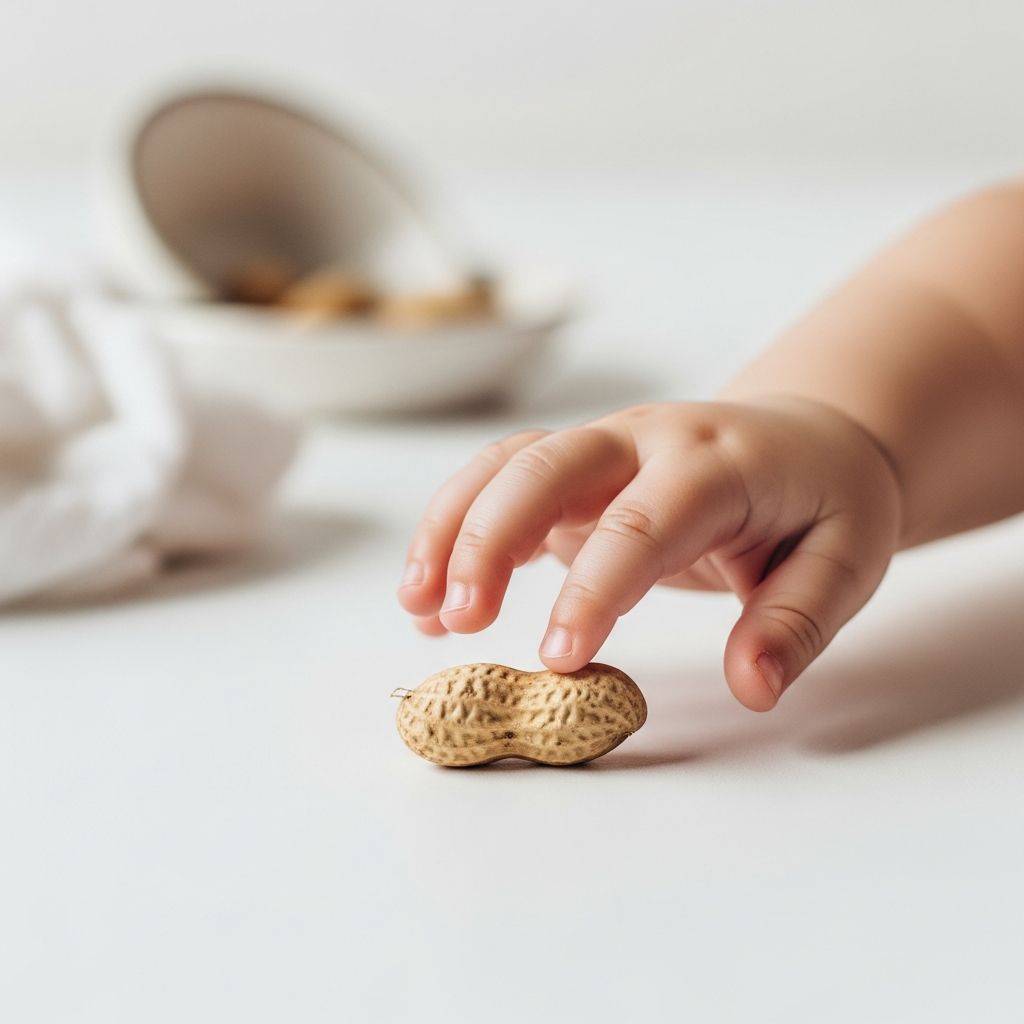
Peanut allergies represent one of the most prevalent food allergies among young children, affecting roughly 1 million kids in the U.S. alone. Early detection and proactive management can dramatically alter a child’s quality of life, turning potential emergencies into manageable conditions.
Understanding the Rising Concern of Peanut Allergies
Peanut allergies occur when a child’s immune system mistakenly identifies peanut proteins as harmful invaders, triggering an overzealous response. This reaction can range from uncomfortable itching to life-threatening anaphylaxis. Unlike many allergies that fade with age, peanut allergies persist in about 80% of cases into adulthood, making early intervention critical.
Recent shifts in pediatric guidelines emphasize introducing peanuts during infancy rather than delaying, a strategy proven to slash allergy risks by up to 80% in high-risk infants. This paradigm change stems from landmark studies showing that early, controlled exposure desensitizes the immune system before it forms harmful antibodies.
Key Indicators of Peanut Sensitivity in Babies
Recognizing symptoms promptly is vital, as reactions often manifest within minutes to two hours of exposure. Parents should monitor closely during first introductions.
- Skin manifestations: Hives, widespread redness, or swelling around the mouth, eyes, or face signal an immediate immune response.
- Gastrointestinal distress: Vomiting, diarrhea, or abdominal cramps indicate the body’s attempt to expel the allergen.
- Respiratory issues: Wheezing, throat tightening, runny nose, or shortness of breath demand urgent attention.
- Severe systemic signs: Pale skin, rapid heartbeat, drop in blood pressure, or loss of consciousness point to anaphylaxis.
If any combination appears, halt exposure immediately, document details like timing and photos, and seek medical evaluation. Mild cases might resolve with observation, but severe ones require epinephrine.
Safe Strategies for Introducing Peanuts to Young Children
Current recommendations from health authorities advise peanut introduction between 4-6 months for most infants, especially those with mild eczema. High-risk babies—those with severe eczema or egg allergies—should consult an allergist first, potentially undergoing skin prick tests.
| Risk Level | Introduction Timing | Recommended Setting | Preparation Tips |
|---|---|---|---|
| Low Risk (healthy skin) | 4-6 months | At home | Mix thinned peanut butter into purees |
| Moderate (mild eczema) | 4-6 months | At home | Start with 1/4 tsp, observe 2 hours |
| High (severe eczema/egg allergy) | After evaluation | Doctor’s office | Follow allergy testing guidance |
Begin with minuscule amounts, like a smear of peanut powder mixed in applesauce, increasing gradually if tolerated. Always prioritize a calm environment and have antihistamines ready.
Immediate Response Protocols for Allergic Episodes
When a reaction unfolds, swift action prevents escalation. For mild symptoms like isolated hives, an over-the-counter antihistamine such as loratadine or diphenhydramine can suffice under medical guidance.
Anaphylaxis, marked by multi-system involvement, necessitates epinephrine via auto-injector (e.g., EpiPen). Follow with calls to emergency services, as secondary reactions can occur. Post-treatment, steroids or inhalers may address lingering inflammation or asthma-like symptoms.
Caregivers must train in auto-injector use and maintain two doses at all times—home, daycare, grandparents’ houses. Regular refreshers ensure confidence in high-stakes moments.
Advanced Therapies Revolutionizing Allergy Management
While avoidance remains foundational, innovative treatments now offer hope for tolerance-building. Oral immunotherapy (OIT), exemplified by FDA-approved Palforzia, involves daily escalating doses of peanut protein for children 4-17 years. This reduces reaction severity from accidental exposures, though it’s not a cure and requires strict adherence.
For younger children, programs like early peanut oral immunotherapy (EPOIT) leverage infants’ immune plasticity. Starting with micro-doses (e.g., 8mg peanut protein), protocols gradually build tolerance, with many preschoolers achieving desensitization.
Emerging options include epicutaneous immunotherapy via skin patches and antibody injections like omalizumab (Xolair), which neutralize allergy-triggering proteins. These are unsuitable for those with uncontrolled asthma or gastrointestinal disorders.
Navigating Daily Life with a Peanut-Allergic Infant
Beyond medical strategies, practical adaptations safeguard children. Scan labels rigorously—peanuts lurk in unexpected places like sauces, candies, and even spices. Opt for “peanut-free” zones at schools and events.
Empower your child with age-appropriate knowledge: “Peanuts make my tummy hurt, so we pick safe snacks.” Allergy action plans, shared with all caregivers, outline triggers, symptoms, and treatments.
Nutritional balance is key; alternatives like sunflower butter mimic peanut flavors without risks. Periodic allergist re-evaluations track potential outgrowing, though rare.
Long-Term Prognosis and Family Support
About 20% of children outgrow peanut allergies, often detectable via reduced skin test reactions or blood tests. Annual check-ins guide reintroduction trials under supervision.
The emotional toll on families is profound—anxiety shadows playdates and parties. Support groups, counseling, and education foster resilience. Celebrate milestones like first allergy-free birthdays.
Frequently Asked Questions
At what age should I introduce peanuts to my baby?
For low-risk infants, around 4-6 months using thinned peanut products at home. High-risk babies need professional evaluation first.
What if my baby shows mild symptoms after peanuts?
Stop feeding, administer antihistamine if advised, monitor closely, and consult your doctor. Document for future reference.
Is there a cure for peanut allergy?
No outright cure exists, but treatments like Palforzia desensitize, reducing reaction risks. Early intervention boosts tolerance chances.
How do I prepare for school with a peanut-allergic child?
Create a detailed action plan, train staff on epinephrine use, advocate for nut-free policies, and pack safe meals.
Can breastfeeding transmit peanut allergy risks?
Mothers need not avoid peanuts while breastfeeding; evidence doesn’t support transmission via breast milk.
References
- Peanut Allergy in Children, Babies and Teens — UChicago Medicine. 2023. https://www.uchicagomedicine.org/comer/conditions-services/pediatric-food-allergy/pediatric-peanut-allergy
- Peanut allergy – Diagnosis and treatment — Mayo Clinic. 2024-01-25. https://www.mayoclinic.org/diseases-conditions/peanut-allergy/diagnosis-treatment/drc-20376181
- Peanut Allergy Treatment: Is There a Cure? — Cleveland Clinic. 2023. https://health.clevelandclinic.org/can-peanut-allergy-be-cured-in-children
- Peanut Allergy — Children’s Healthcare of Atlanta. 2024. https://www.choa.org/medical-services/allergy-and-immunology/peanut-allergy
- Introducing Peanuts & Peanut Butter to Infants — Carolina Asthma & Allergy Center. 2023. https://www.carolinaasthma.com/blog/new-peanut-guidelines-children/
- Peanut Early Introduction Guidelines — FoodAllergy.org. 2024. https://www.foodallergy.org/resources/peanut-early-introduction-guidelines