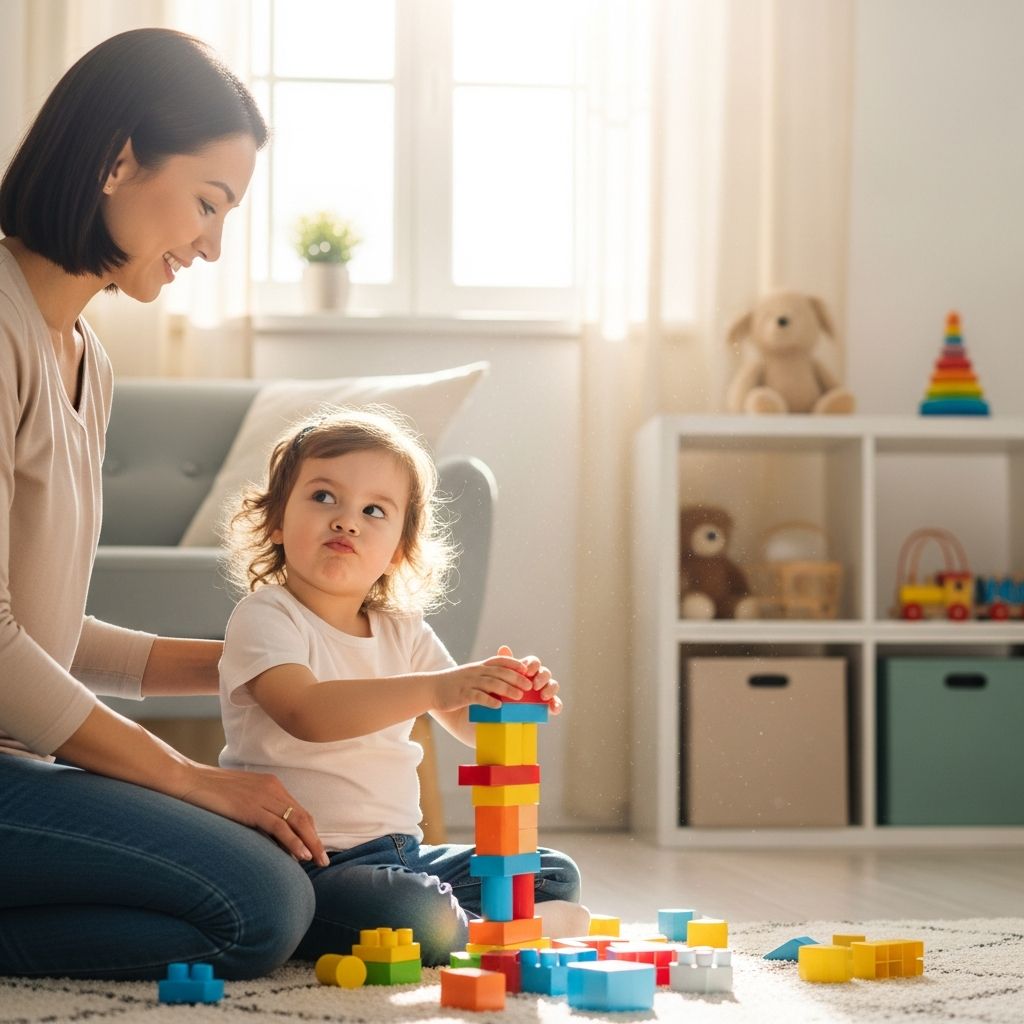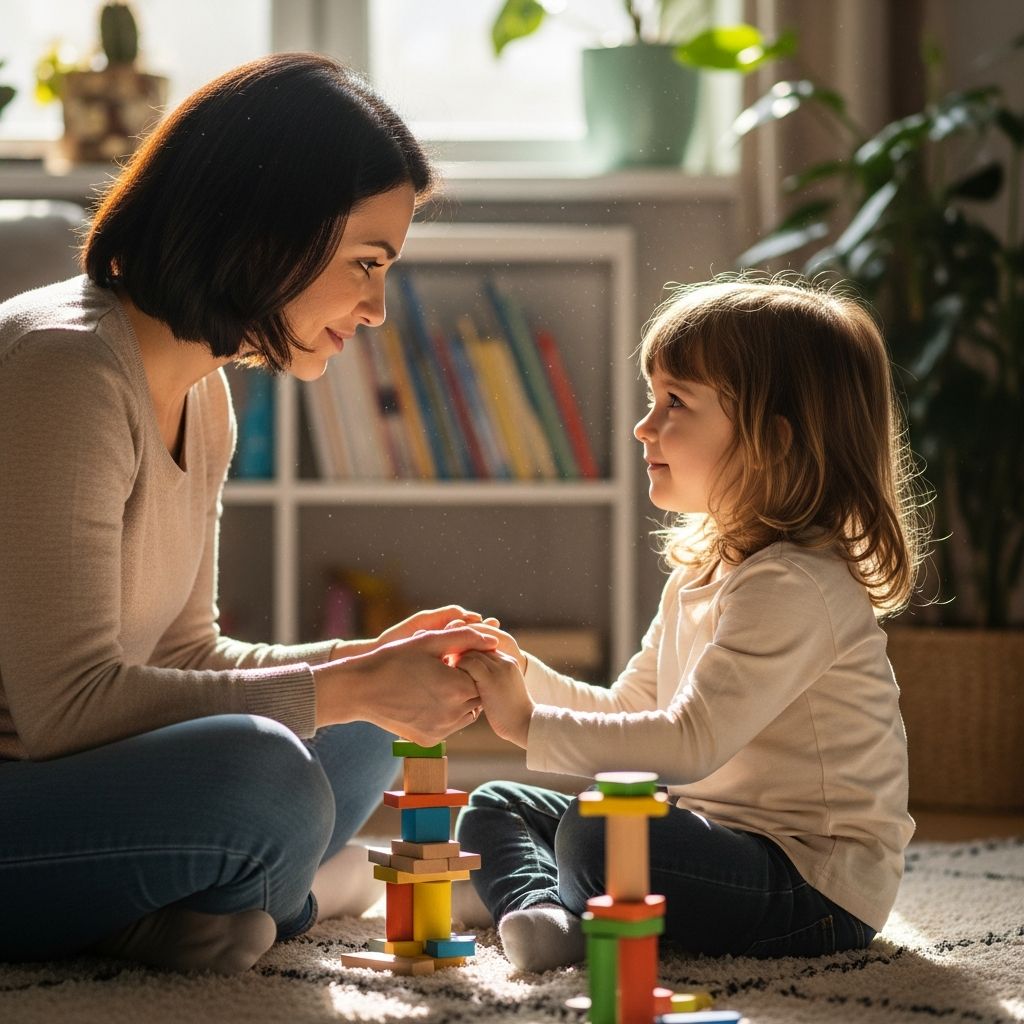
Peaceful parenting is not about being a perfect parent; it is about committing to a respectful, connected, and calm approach that helps children learn self-control from the inside out. Instead of relying on fear, threats, or shame, peaceful parenting uses empathy, boundaries, and problem-solving to guide behavior.
In the early years, this approach is especially powerful. Children’s brains are still developing the circuits that handle impulse control, empathy, and emotional regulation. What they experience with caregivers becomes the blueprint they use for the rest of their lives.
What Peaceful Parenting Really Means
Peaceful parenting is sometimes misunderstood as permissive or overly soft. In reality, it is both warm and firm. You stay connected and kind while also holding clear limits and following through on them.
Three pillars describe peaceful parenting in simple terms:
- Connection first: The relationship is treated as more important than being right or winning a power struggle.
- Calm leadership: The adult takes responsibility for their own reactions and models self-control.
- Coaching, not controlling: Misbehavior is treated as a skill gap, not a moral failing, and the focus is on teaching.
Why the Early Years Matter So Much
From birth through the early school years, children’s brains are built moment by moment through repeated experiences of safety, soothing, and responsiveness. When caregivers regularly respond with calm presence rather than harshness, children’s nervous systems learn that emotions are survivable and manageable.
In contrast, repeated yelling, humiliation, or unpredictable punishment can teach a child that adults are unsafe and that big feelings must be hidden or exploded outward. Peaceful parenting aims to break that cycle by making home a place where emotions are welcomed and guided instead of punished.
Core Principles of Peaceful Parenting
Below are key principles that give peaceful parenting its strength. They can be adapted to any family culture, value system, or daily routine.
- See behavior as communication: Ask, “What is my child’s struggle right now?” rather than “How do I make this stop?”
- Connection before correction: Briefly tune in to your child’s feelings before discussing behavior or consequences.
- Emotion coaching: Name feelings and help your child move through them rather than dismissing or minimizing them.
- Boundaries with empathy: Hold limits clearly but acknowledge how hard they can feel.
- Repair over perfection: When you lose your temper, return, take responsibility, and reconnect.
How Peaceful Parenting Differs from Other Styles
Many parents were raised with either authoritarian (strict, fear-based) or permissive (few rules, high freedom) approaches. Peaceful parenting balances warmth and structure.
| Approach | Typical Tone | View of Misbehavior | Common Tools |
|---|---|---|---|
| Authoritarian | Harsh, controlling | Disrespect or defiance that must be stopped | Punishments, threats, shame, “Because I said so” |
| Permissive | Warm, but inconsistent | Something to be tolerated or appeased | Giving in, distractions, few follow-throughs |
| Peaceful | Calm, firm, respectful | Signal of unmet need or lagging skill | Connection, coaching, natural consequences, problem-solving |
Regulating Yourself Before Guiding Your Child
No strategy works if the adult is flooded with anger or fear. Peaceful parenting begins with the parent’s nervous system. When you feel steady, your child can borrow your calm and find their own footing.
A simple self-regulation plan is one of the most powerful tools you can create for your family.
Quick Calm-Down Tools for Parents
- Pause for three slow, deep breaths before responding when a conflict starts.
- Silently name your own feeling: “I feel overwhelmed” or “I feel disrespected.”
- Drop your shoulders, relax your jaw, and lower your voice instead of raising it.
- Use a brief mantra such as “My child is having a hard time, not giving me a hard time.”
If you cross your own line and yell, peaceful parenting does not end there. You can still model repair: come back when you are calm, name what went wrong, and reconnect.
Building Daily Connection
Connection is not a reward for good behavior; it is the foundation that makes good behavior easier. Children who feel seen and valued are more likely to cooperate because they feel safe and important.
Simple Ways to Strengthen Connection
- Micro-moments: Make eye contact, use your child’s name, and smile when you pass by.
- Special time: Give 10–15 minutes of undivided attention with no phones and let your child lead the activity.
- Rituals: Create predictable little routines—bedtime chats, morning hugs, or a small goodbye ritual.
- Playful presence: Use silliness and games to diffuse tension when possible, especially with young kids.
These small investments do not erase all misbehavior, but they reduce the intensity of power struggles and build goodwill for tougher moments.
Emotion Coaching in Everyday Conflicts
Emotion coaching means acting as a guide when your child is overwhelmed by feelings instead of rushing to fix or dismiss them. Children first need to feel understood; only then can they think clearly enough to listen or problem-solve.
A Simple Emotion Coaching Sequence
- Notice: Pay attention to body language and tone rather than only the words.
- Name: Put the feeling into words: “You look really frustrated,” or “That was disappointing.”
- Normalize: Let your child know that the feeling makes sense, even if the behavior does not.
- Limit or guide: Remind your child of the boundary and offer an acceptable alternative.
For example, “You’re furious your tower fell. It’s okay to be mad. I won’t let you throw the blocks at your sister. Let’s stomp together or smash a pillow instead.” This message says: your feelings are welcome; your hurtful actions are not.
Setting Boundaries Without Harshness
Peaceful parenting does not avoid the word “no.” It uses limits as guardrails that protect everyone’s safety, health, and basic respect. The difference is in how those limits are delivered and enforced.
Guidelines for Calm, Clear Limits
- Be specific and simple: “Hands stay on your own body,” instead of vague lectures.
- Stay physically close, especially with young children, to support follow-through.
- Use a warm, firm tone rather than a cold or sarcastic one.
- Expect pushback; repeat the limit calmly instead of arguing.
Over time, consistent, respectful limits teach children that rules are there to protect, not to control or shame them.
Natural and Logical Consequences
Rather than using unrelated punishments, peaceful parenting leans on consequences that are tied to the behavior and delivered without anger. The goal is for the child to notice the connection between their choice and what happened next.
Types of Respectful Consequences
- Natural consequences: Outcomes that happen on their own, like feeling cold after refusing a coat.
- Logical consequences: Adult-designed outcomes that relate directly to the behavior, like putting markers away after drawing on the wall.
- Collaborative solutions: Problem-solving together so that the child also participates in repair.
Whenever possible, invite your child to help decide how to make things right. This builds responsibility and empathy rather than fear of getting caught.
Using Routines to Prevent Power Struggles
Many daily battles—getting dressed, brushing teeth, leaving the park—are easier when the plan is predictable. Young children feel safer and more cooperative when they know what comes next.
Sample Morning Routine (For Inspiration)
- Wake-up cuddle or gentle greeting.
- Bathroom, wash face, and brush teeth together.
- Get dressed using a choice between two outfits.
- Sit for breakfast with a simple, repeated menu.
- Five-minute warning before leaving, then a goodbye ritual.
The routine itself is not magic; your consistent presence and calm leadership inside that routine are what bring peaceful parenting to life.
Handling Specific Challenging Behaviors
Every child is different, but some struggles are almost universal in the early years. Here are peaceful approaches to a few of the most common ones.
Tantrums and Meltdowns
Tantrums are intense but developmentally normal. Young children do not yet have the brain wiring to manage big feelings alone, so they borrow your calm.
- Ensure safety first: move dangerous objects and, if needed, gently block hitting or kicking.
- Stay nearby and grounded; use few words such as, “I’m here. You’re safe.”
- When the storm has passed, briefly review what happened and what can be done differently next time.
Aggression (Hitting, Biting, Pushing)
Aggression is a sign that a child’s feelings are larger than their skills. While it must be stopped promptly to keep everyone safe, it does not require harshness.
- Intercept calmly: gently hold or block when needed and state the limit clearly.
- Acknowledge the feeling: “You were really angry when your toy was taken.”
- Show an alternative: model asking for a turn, using words, or walking away.
Defiance and “No!”
When children say “No!” they are experimenting with autonomy. Peaceful parenting protects their need for some control while also insisting on non-negotiable limits.
- Offer small choices within the limit: “Walk or hop to the car?”
- State what will happen rather than debating: “It’s time to go. I’ll help you if you need.”
- Notice and praise true cooperation later, even in tiny doses.
Common Myths About Peaceful Parenting
Because peaceful parenting moves away from fear-based tools, it is often misunderstood. Clearing up myths can help caregivers commit to this approach with more confidence.
- Myth 1: “Kids will walk all over you.” In fact, children adjust well to firm limits delivered with warmth. Clear boundaries and stable routines prevent chaos.
- Myth 2: “It only works with easy kids.” Children with big feelings may take longer to respond, but they often benefit the most from a calm, connected approach.
- Myth 3: “You must never feel angry.” Peaceful parenting does not erase human emotion. It changes how those emotions are expressed and repaired.
Caring for Yourself as a Peaceful Parent
It is extremely hard to respond calmly when you are exhausted, overextended, or unsupported. Self-care is not a luxury; it is part of your parenting toolkit. A depleted adult cannot offer consistent empathy and structure.
Start with very small steps instead of waiting for a free weekend that may never arrive.
- Build tiny recovery moments into your day: a cup of tea alone, a short walk, or a few deep breaths by an open window.
- Ask for specific help—from a partner, friend, or family member—rather than waiting for others to guess what you need.
- Release perfectionism; focus on patterns over time, not on any single bad day.
Practical Scripts for Difficult Moments
Words matter. You do not need to memorize lines, but having a few phrases in mind can make it easier to stay calm when emotions run high.
- When setting a limit: “I won’t let you do that. I’ll help you stop.”
- When validating feelings: “It’s okay to feel that way. I’m listening.”
- When you made a mistake: “I shouted earlier. That wasn’t okay. I’m sorry, and I’m working on it.”
- When solving a problem: “We both need to feel okay with this. Let’s see what might work.”
Frequently Asked Questions
Is peaceful parenting the same as never saying no?
No. Peaceful parenting uses “no” when necessary, especially for safety and respect. The difference is that it is said calmly, consistently, and often paired with an explanation or alternative, rather than delivered through threats or shame.
What if my child ignores my calm limits?
Staying calm does not mean being passive. If your child ignores a limit, you step in with action, not more words—gently guiding their body, removing an object, or changing the environment while restating the rule in a steady tone.
Will my child be able to handle the “real world” without harsh discipline?
Children who grow up with respectful guidance learn internal self-control, empathy, and problem-solving. These skills prepare them for school, friendships, and work far better than simply learning to obey out of fear.
Can I start peaceful parenting if my child is already older?
Yes. Changing patterns takes time, but children of all ages respond to increased respect, clearer boundaries, and genuine repair. Explain that you are trying a new way, then consistently act in alignment with it.
What if both parents don’t agree with this approach?
Many families begin with one caregiver practicing peaceful parenting more fully. Share the positive changes you notice rather than criticizing the other adult, and look for small points of common ground, such as fewer power struggles or better sleep.
Bringing It All Together
Peaceful parenting in the early years is less about having perfect responses and more about choosing a direction: connection over control, teaching over punishing, and repair over resentment. Children raised in this atmosphere learn that their feelings matter, that limits are there to protect them, and that relationships can survive conflict.
Every moment of patience, every calm limit, and every repaired rupture becomes part of your child’s inner story about themselves and the world. That story is the quiet, powerful legacy of peaceful parenting.