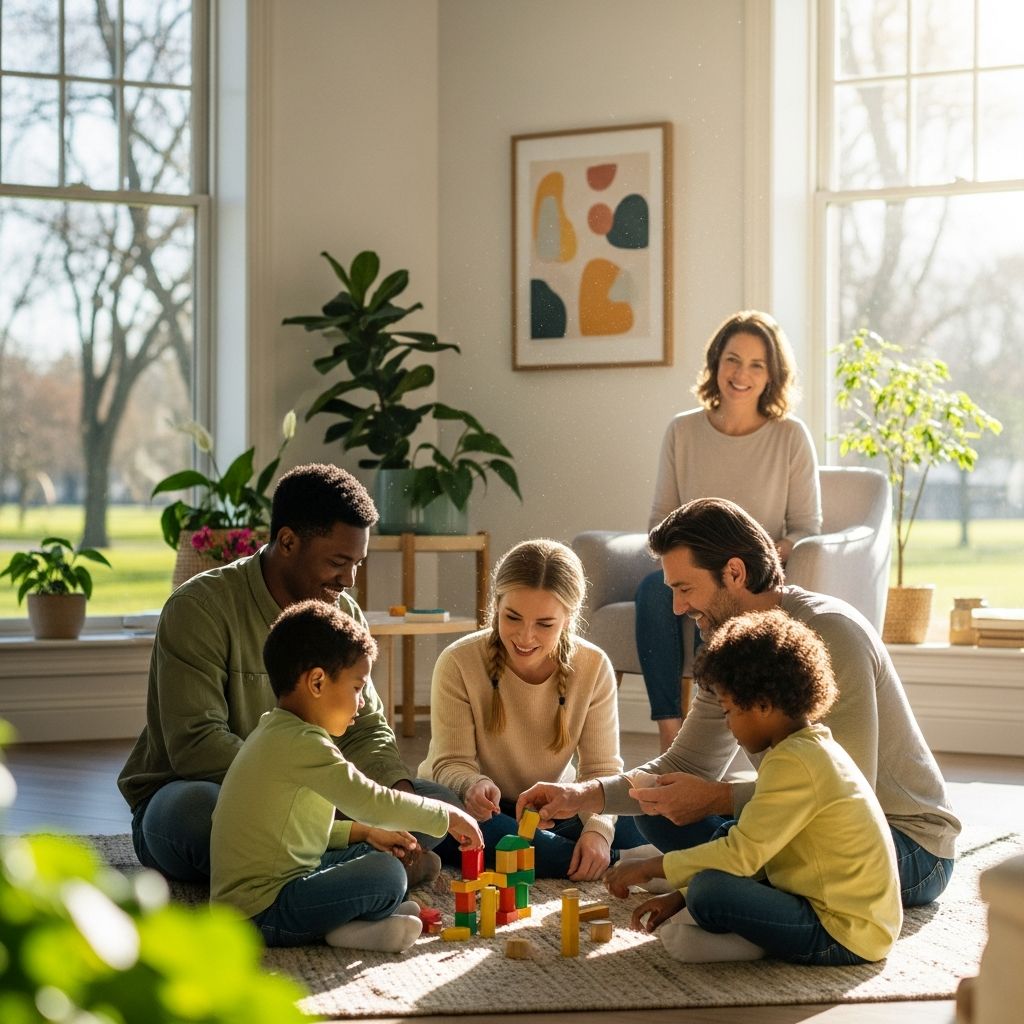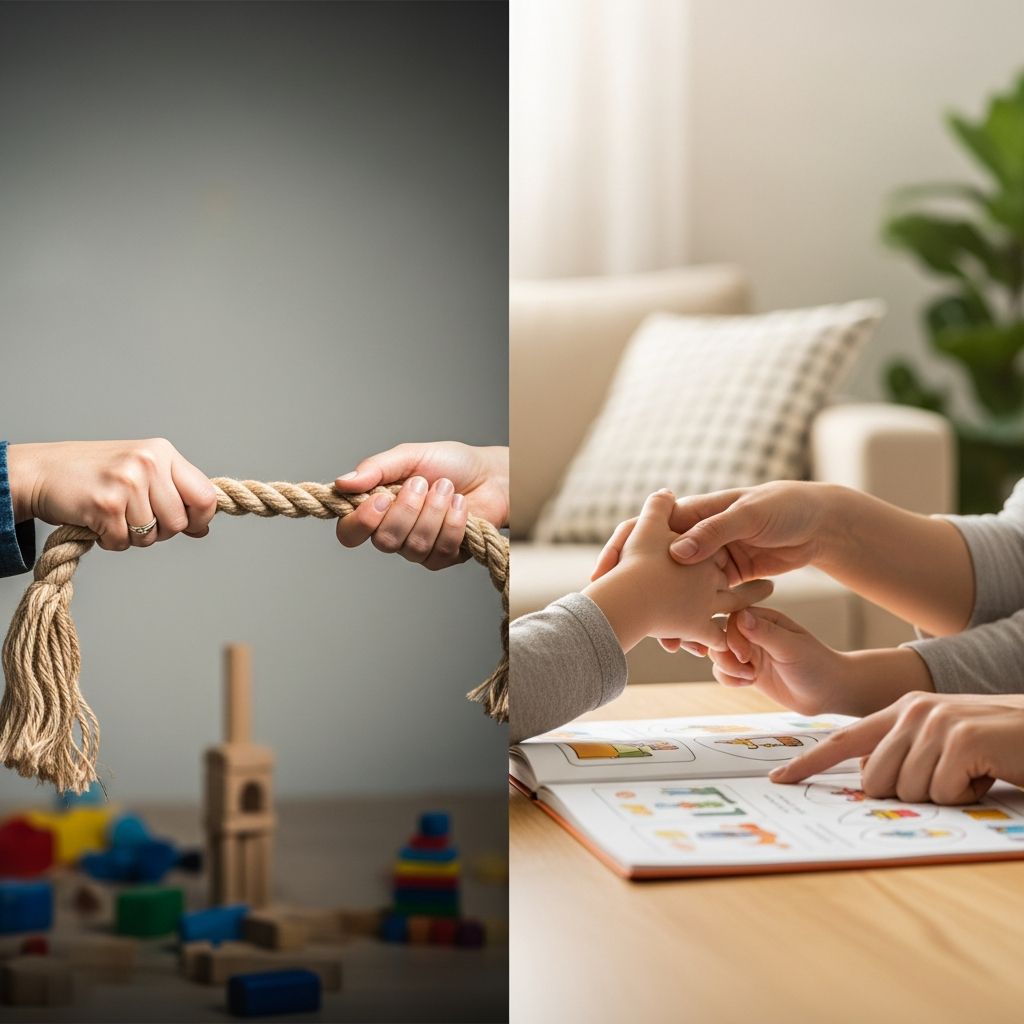
Many loving parents find themselves yelling, threatening, or bribing even though this is not the kind of parent they wanted to be. Peaceful parenting offers a different path: one that replaces power struggles with partnership, fear with trust, and constant correction with genuine connection.
What Peaceful Parenting Really Means
Peaceful parenting is not about perfection or permissiveness. It is an intentional approach that combines warm connection, clear boundaries, and emotional coaching so children feel safe enough to cooperate rather than forced to obey.
Instead of asking, “How do I make my child stop this?” peaceful parenting asks, “What is my child’s behavior trying to communicate, and how can I guide them while staying connected?” This shift changes the tone of the entire household.
- Focuses on relationship over control.
- Uses guidance instead of punishment.
- Teaches emotional skills rather than fear of consequences.
- Asks parents to lead with calm, not reactivity.
Why Yelling Backfires (Even When It “Works”)
Many parents yell because it seems to get quick results. A child stops, looks, and sometimes complies. But while yelling may stop behavior in the moment, it carries hidden costs that show up in your child’s emotional world and in the relationship.
Over time, children become less responsive to raised voices, more defensive, and more likely to tune parents out. They may comply out of fear or shame instead of understanding, and they learn that big emotions are handled by exploding, not by processing.
| Approach | Immediate Effect | Long-Term Effect on Child | Long-Term Effect on Relationship |
|---|---|---|---|
| Yelling and threats | Child may stop behavior quickly. | Increased anxiety, shame, or defiance; poor emotion regulation. | More distance, resentment, and power struggles. |
| Calm limit-setting with empathy | May take longer; child might still protest. | Better self-control, trust in caregivers, stronger internal motivation. | More connection, cooperation, and emotional safety. |
The Three Pillars of Peaceful Parenting
Peaceful parenting can be understood as three mutually supportive pillars: your own self-regulation, your connection with your child, and the way you set limits. When one pillar is weak, parenting feels harder; when all three are strong, the family climate becomes calmer and more cooperative.
1. Parent Self-Regulation
Children borrow their sense of safety from the adults around them. When a parent is easily triggered or overwhelmed, a child’s nervous system reacts with more anxiety and reactivity. Managing your own emotions is therefore the foundation of peaceful parenting.
- Notice early signs of escalation in your body (tight shoulders, clenched jaw, racing thoughts).
- Pause before reacting: breathe, sip water, or briefly step away if your child is safe.
- Replace self-criticism (“I’m a terrible parent”) with curiosity (“What is this moment asking of me?”).
2. Deep Emotional Connection
Children are more cooperative when they feel seen, understood, and treasured. Connection is not a reward for good behavior; it is the emotional fuel that helps your child handle life’s frustrations more gracefully.
- Offer daily one-on-one time, even 10–15 minutes, where your attention is undivided.
- Get on your child’s eye level and use gentle touch to convey warmth and safety.
- Show delight in who your child is, not just in what they do or achieve.
3. Firm, Kind Boundaries
Peaceful parenting is not about letting children do whatever they want. Limits are necessary for safety, respect, and learning. The difference is that boundaries are enforced calmly and consistently, with empathy for the child’s feelings about those limits.
- State rules clearly and briefly, without long lectures.
- Hold the limit while acknowledging emotions: “You really wanted that, and it’s hard to hear no.”
- Use natural and logical consequences instead of punishments meant to hurt or humiliate.
Understanding Behavior: What Your Child Is Really Telling You
Peaceful parenting sees behavior as communication. A meltdown, refusal, or outburst is a signal that a child is overwhelmed, disconnected, or lacking skills to handle the situation. Instead of asking, “How do I stop this?” the question becomes, “What does my child need?”
Most challenging behavior grows from one or more of these roots: unmet emotional needs, developmental limits, physical discomfort, or accumulated stress. When parents address the root, the surface behavior begins to change more naturally.
- Need for connection: Whining, clinging, or being “extra” may signal loneliness or insecurity.
- Overwhelm and fatigue: Tantrums often explode when a child is tired, hungry, or overstimulated.
- Skill gaps: Hitting or grabbing can indicate that a child lacks the language or impulse control to express frustration.
- Big transitions: Life changes such as a new sibling or a move can fuel regressions and acting out.
Emotional Coaching: Helping Children Name and Navigate Feelings
Emotional coaching means guiding your child through their inner experience instead of silencing or dismissing it. When parents help children understand, name, and accept feelings, those emotions become less overwhelming and easier to regulate.
Children who grow up with emotional coaching learn to pause, reflect, and choose healthier responses over time. They also become more empathetic, because their own feelings were treated with respect.
Practical Steps for Emotional Coaching
- Notice and describe: “Your fists are tight and your face is red; you look really angry.”
- Name the feeling: Introduce simple words like sad, mad, scared, excited, disappointed.
- Validate the experience: “It really is hard when the game ends before you’re ready.”
- Offer safe outlets: Encourage drawing, stomping feet on the floor, squeezing a pillow, or using words.
- Problem-solve later: Once calm returns, brainstorm other ways to handle the situation next time.
Discipline Without Shame: Guiding Behavior Kindly and Clearly
Discipline means “to teach”, not “to punish.” In peaceful parenting, discipline is about guiding a child toward better choices while protecting their sense of worth. The goal is for children to do the right thing because they understand and care, not just to avoid pain or disapproval.
This approach uses connection and clarity rather than fear. It expects mistakes and misbehavior as part of learning, and treats them as opportunities to teach skills and values.
Key Elements of Peaceful Discipline
- Clear expectations: Explain rules ahead of time in concrete, age-appropriate language.
- Natural consequences: Let reality teach where safe, such as helping clean up spilled juice.
- Repair and responsibility: Encourage apologies, fixing damage, or making amends through helpful actions.
- Modeling: Show the behavior you want to see, from apologizing sincerely to taking breaks when overwhelmed.
Everyday Scenarios: From Chaos to Connection
Putting peaceful parenting into practice is easier with concrete examples. Below are common flashpoints and ways to respond that protect both boundaries and connection.
Morning Rush Meltdowns
Mornings involve transitions, deadlines, and competing needs, which makes them a hotspot for power struggles and tears. The key is to reduce decisions, build routine, and stay emotionally available amid the rush.
- Prepare the night before: choose clothes, pack bags, and place shoes by the door.
- Use visual checklists instead of repeated nagging.
- Offer limited choices: “Do you want to brush teeth first or get dressed first?”
- Empathize with resistance: “It’s hard to stop playing; you wish we could stay home all day.”
Sibling Fights
Conflict between siblings is normal practice for negotiation, empathy, and problem-solving. Instead of rushing in as a judge, peaceful parenting invites you to be a calm coach and protector.
- Ensure safety first by separating if anyone is being hurt.
- Describe what you see without blame: “Two kids who want the same toy.”
- Support turn-taking and problem-solving: “How can we make this fair?”
- Offer scripts: “I’m using that; you can have it when I’m done.”
Bedtime Battles
At the end of the day, children are tired yet often clingy, because bedtime separation can stir up worries and a need for extra closeness. A predictable, warm routine lowers resistance and makes cooperation more likely.
- Use a simple, repeated pattern (for example: bath, pajamas, story, snuggle, lights out).
- Build in connection: a short chat about the day, a quiet game, or a shared gratitude moment.
- Hold the boundary: “You don’t have to sleep yet, but you do need to stay in bed with the lights off.”
When You Lose It: Repairing After You Yell
Every parent yells sometimes. The goal of peaceful parenting is not to eliminate all mistakes but to repair them. When you take responsibility and reconnect after a rupture, your child learns that relationships can survive conflict and come back stronger.
Repair shows your child that their feelings matter and that adults can own up to missteps. This humility models the very skills you want your child to develop.
Steps to Effective Repair
- Calm yourself first so you can be sincere and present.
- Acknowledge your impact: “I yelled, and that was scary for you.”
- Offer a brief apology without excuses.
- Invite your child’s feelings: “How was that for you?” and listen without defending yourself.
- Share what you’ll try next time: “Next time I will take a break before I talk.”
Supporting Your Own Emotional Needs
It is hard to parent peacefully when you are chronically exhausted, unsupported, or flooded with old triggers from your own childhood. Peaceful parenting therefore includes caring for the parent’s inner world as much as the child’s.
Building a network of support, creating small daily rituals of care, and reflecting on your own history all make it easier to show up as the calm leader your child needs.
- Prioritize sleep and nourishment so your brain can regulate emotions effectively.
- Seek connection with other caregivers who share similar values.
- Notice when your reaction feels bigger than the situation; this may point to old wounds that deserve attention.
Frequently Asked Questions About Peaceful Parenting
Is peaceful parenting the same as permissive parenting?
Answer: No. Permissive parenting avoids limits to keep the child happy in the moment, while peaceful parenting uses firm boundaries delivered with empathy and respect. Children still hear “no”; they simply hear it from a parent who understands their feelings and remains calm while holding the line.
Will my child walk all over me if I stop yelling?
Answer: Children test limits regardless of the parenting style. Yelling might bring quick compliance, but it does not build internal self-control. When you stay calm and consistent, your child gradually learns to respect boundaries because they feel secure and understood, not because they are scared.
What if my partner or co-parent does not use peaceful parenting?
Answer: You still make a difference. Your child benefits from any safe, consistent, emotionally attuned relationship. Whenever possible, talk privately with your partner about shared values, agree on basic rules, and avoid criticizing each other in front of the child. Over time, the calmer approach often speaks for itself.
Does peaceful parenting work for strong-willed kids?
Answer: Strong-willed children often need peaceful parenting the most. They tend to react intensely to harshness and control but respond well to clear limits combined with respect and choice. When they feel heard and given some power within safe boundaries, their cooperation usually increases.
How long does it take to see changes?
Answer: Some shifts—like reduced tension when you stay calm—can appear within days. Deeper changes, such as better emotion regulation and trust, build gradually over weeks and months. Think of peaceful parenting as a long-term investment in your relationship and your child’s emotional health.
Simple Daily Habits to Begin Today
Transforming your parenting style does not require grand gestures. Small, consistent shifts in how you respond can gradually create a calmer home and a stronger bond with your child.
- Start each day with a brief moment of warmth: a long hug, eye contact, or a loving note.
- Build one predictable routine (morning, after-school, or bedtime) to reduce conflict.
- Pause before responding when you feel triggered; even three deep breaths can change the outcome.
- End the day with a short reflection together: something hard, something good, and one hope for tomorrow.
Peaceful parenting is less about never losing your temper and more about returning, again and again, to connection, curiosity, and compassion. When you lead from this place, your child learns not only how to behave, but also how to love, listen, and live with emotional courage.