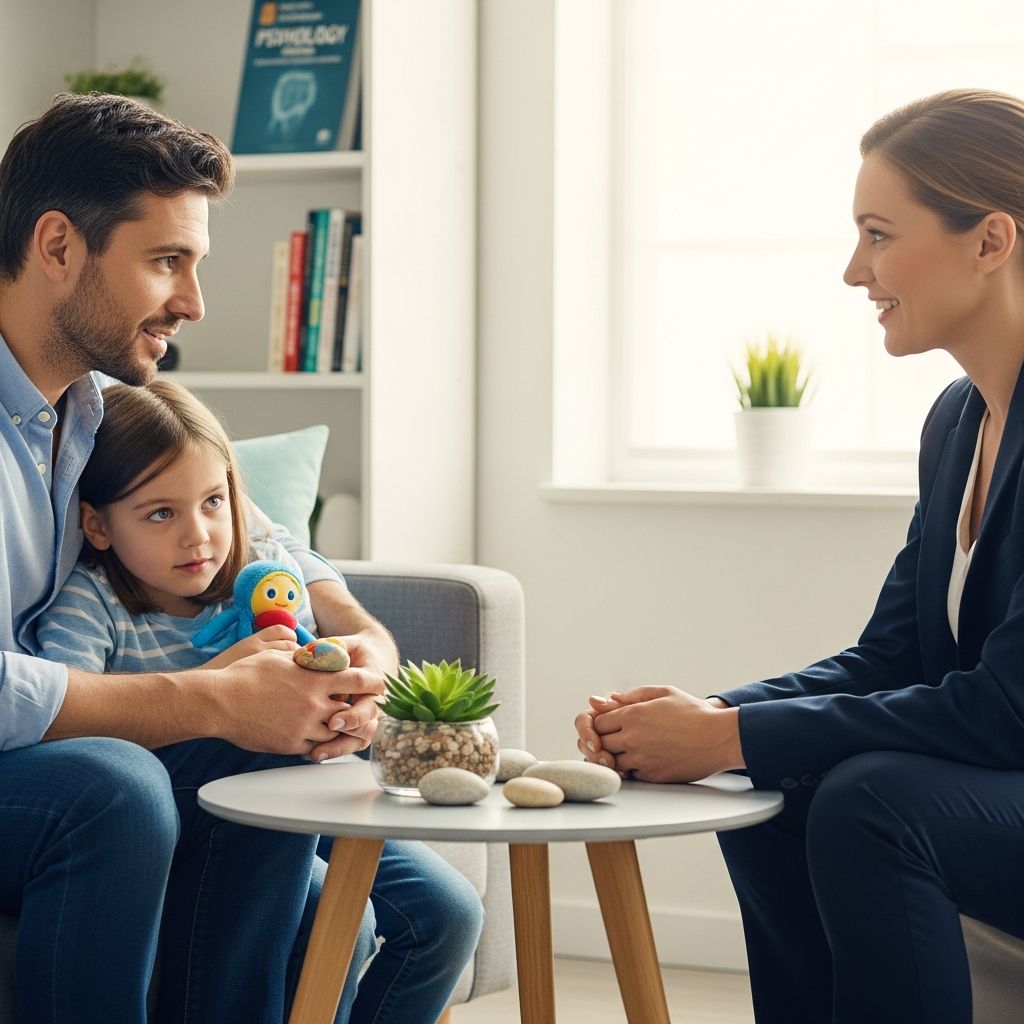
Many loving parents find themselves saying, “I know what kind of parent I want to be, but I just can’t seem to get there.” Coaching for peaceful parenting and emotional resilience bridges that gap between intention and daily reality, offering grounded support to help you show up as the calm, connected leader your child needs.
Why Parents Seek Support Today
Modern parenting is demanding: reduced community support, busy work schedules, and rising awareness of children’s emotional needs can leave caregivers feeling pulled in every direction. Research shows that chronic parenting stress is linked with higher risk of anxiety and depression in parents and more behavior challenges in children. At the same time, studies on supportive, attuned parenting highlight benefits for children’s mental health, resilience, and social skills.
Coaching focused on peaceful, mindful parenting gives you a structured, compassionate space to:
- Understand your child’s behavior through the lens of nervous system and emotional development.
- Explore your own stress patterns, triggers, and beliefs about parenting.
- Practice calm, respectful limit-setting and conflict repair.
- Build daily routines that reduce chaos and increase connection.
The Foundations of Peaceful Parenting Coaching
Peaceful parenting is not permissive or rigid; it is a relationship-based approach that combines warmth with clear boundaries.
Core elements typically include:
- Emotional safety: Children feel accepted even when their behavior needs guidance.
- Respectful communication: Parents model listening, empathy, and problem-solving.
- Non-punitive discipline: The focus is on teaching and repair rather than fear or shame.
- Parental self-regulation: Caregivers learn to calm their own nervous systems so they can respond instead of react.
What a Parent Coach Can Help You With
Working with a coach is highly individualized, but common areas of focus include:
- Frequent meltdowns, aggression, or power struggles.
- Bedtime, morning, or transition battles.
- Adjusting to new siblings, school changes, or separation.
- Co-parenting conflicts or differences in discipline styles.
- Parental guilt, burnout, or feeling “stuck.”
Typical Themes Addressed in Coaching
| Theme | What It Often Looks Like | How Coaching Supports You |
|---|---|---|
| Emotional regulation | Parent or child frequently overwhelmed, yelling, or shutting down. | Learn mindfulness tools, nervous system resets, and co-regulation skills. |
| Boundaries & discipline | Inconsistent limits, cycles of threats and bribes, or strictness followed by guilt. | Practice calm limits, natural consequences, and collaborative problem-solving. |
| Connection & attachment | Feeling distant from your child, constant battles, or disconnection after conflict. | Build daily rituals, repair conversations, and attuned listening to deepen trust. |
| Parental beliefs & stories | Inner critic, inherited scripts like “Because I said so,” or fear of “spoiling.” | Explore your own upbringing, values, and how to parent in alignment with them. |
| Family systems | Different parenting styles, sibling conflicts, unclear roles. | Clarify shared agreements, roles, and routines that support everyone. |
How Peaceful Parenting Benefits Children
Evidence-informed, relationship-based parenting has been associated with a range of positive outcomes for children, including:
- Better emotional regulation: When parents model calm and validate feelings, children learn strategies for managing frustration, fear, and disappointment.
- Healthier attachment patterns: Secure attachment in childhood predicts stronger relationships and mental health in later life.
- Improved behavior over time: Guidance and connection tend to reduce aggression, defiance, and anxiety compared with harsh or inconsistent discipline.
- Greater resilience: Warm, responsive parenting is a protective factor against the impact of stress and adversity.
How Coaching Supports Parents Themselves
Coaching is not just about strategies for children; it is also a space to take care of the parent.
- Reduced stress and overwhelm: Mindful parenting practices can lower perceived stress and improve emotional well-being.
- More confidence: Having a clear framework and someone to think with reduces second-guessing and guilt.
- Increased patience: Learning to pause, breathe, and name what is happening can shift reactive patterns.
- Healing intergenerational patterns: Reflecting on how you were parented helps you consciously choose what to continue and what to change.
What a Coaching Process Can Look Like
While each coach works differently, a peaceful parenting coaching process often unfolds in phases.
1. Clarifying Your Hopes and Challenges
The first step is to understand your unique family story. Typical questions might explore:
- What situations most often lead to shouting, shutdown, or tears?
- What have you already tried, and what has or hasn’t helped?
- How did your own parents handle emotions, conflict, and discipline?
- What kind of relationship do you hope to have with your child in 10 or 20 years?
This stage helps define goals that are realistic and meaningful: for example, “I want to stay calm during after-school chaos” or “I want bedtime to feel more connected than combative.”
2. Learning a New Lens on Behavior
Rather than treating behavior as something to control, peaceful parenting sees it as communication about needs, skills, and nervous system state.
- Big emotions may signal hunger, fatigue, sensory overload, or unmet needs for connection.
- Defiance can be an attempt to protect autonomy or cope with anxiety.
- Sibling conflict can reflect competition for attention or difficulty sharing limited resources.
In coaching, you learn to ask, “What is this behavior telling me?” instead of “How do I stop this right now?”
3. Building Your Own Regulation Toolkit
Children borrow our nervous systems. When adults actively practice emotional regulation, children benefit.
A coach may support you to experiment with:
- Brief grounding practices you can use in the middle of conflict (breathing, orienting to the room, movement).
- Micro-breaks and “pause phrases” to prevent escalation (“I’m feeling heated; I need a moment to calm my body before we talk.”).
- Self-compassion exercises to soften harsh inner criticism after tough moments.
4. Practicing Connection-Based Limits
Peaceful parenting maintains that you can be both kind and firm. Children need boundaries to feel safe, and research suggests consistent, warm limit-setting supports healthier outcomes than either harshness or permissiveness.
Coaching often includes:
- Developing short, clear boundary language that avoids shaming.
- Using natural and logical consequences instead of threats or punishment.
- Inviting problem-solving (“How can we make homework and playtime both happen this afternoon?”).
- Planning ahead for predictable flashpoints like mornings or screen-time transitions.
5. Integrating New Habits Into Daily Life
Lasting change comes from small, repeated shifts rather than one big breakthrough. Coaching supports you to:
- Choose one or two focus areas at a time (for instance, mornings or sibling arguments).
- Experiment, reflect, and refine without perfectionism.
- Celebrate incremental wins, such as a shorter meltdown or quicker repair.
Who Coaching Is Especially Helpful For
Peaceful parenting coaching can benefit most families, but it is particularly supportive when:
- A child is highly sensitive, intense, or easily overwhelmed.
- There is a history of trauma, loss, or major change in the family.
- Parents are breaking from strict, authoritarian or very permissive models they grew up with.
- One or both caregivers are experiencing burnout, anxiety, or frequent anger.
It is important to note that coaching is not a replacement for therapy when there are significant mental health concerns. In such cases, evidence-based psychological treatment, sometimes in combination with parent-focused support, may be indicated.
Frequently Asked Questions
Is peaceful parenting the same as letting kids do whatever they want?
No. Peaceful parenting is not permissive. It combines empathy and understanding with clear, consistent limits. The focus is on guiding behavior and teaching skills rather than controlling through fear or punishment.
How long does it take to see changes with coaching?
Many parents notice small shifts within a few weeks, such as fewer power struggles or feeling calmer in recurring situations. Deeper habit changes and family culture shifts generally unfold over months of practice and reflection.
What if my partner parents very differently from me?A: Coaching can help you clarify your own approach, communicate your values without blame, and find small areas of shared ground. Even if partners use different styles, one regulated, attuned caregiver can still have a powerful positive impact on a child.
Q: Can peaceful parenting work with neurodivergent children?
Yes, but strategies may need individual adaptation. A focus on emotional safety, predictability, and collaboration is often particularly helpful, while specialized guidance from clinicians familiar with neurodevelopmental differences can complement coaching.
Do I need to be calm all the time for this to work?
No parent is regulated all the time. The goal is to shorten the distance between reactivity and repair. Learning to apologize, reconnect, and reflect after hard moments is a powerful part of peaceful parenting and can strengthen trust over time.
Key Takeaways for Parents Considering Coaching
- You are not failing because you struggle; you are human in a demanding role.
- Children benefit when parents have support to manage their own stress and emotions.
- Peaceful parenting coaching offers practical tools and a compassionate space to explore your story.
- Small, consistent changes in how you respond can reshape your child’s sense of safety, your relationship, and the emotional climate of your home.
References
- The Peaceful Parenting Guide: Strategies for Calm and Connection — MamaZen. 2023-08-15. https://www.mamazen.com/post/peaceful-parenting-guide
- Peaceful Parenting: What It Is, Benefits, & Tips for Practice — Choosing Therapy. 2023-05-10. https://www.choosingtherapy.com/peaceful-parenting/
- 10 Peaceful Parenting Tips: Techniques to Soothe Your Child — Skillpoint Therapy. 2023-06-20. https://www.skillpointtherapy.com/peaceful-parenting/
- Mindful parenting: what it is, benefits & 10 ways to practice — Calm. 2022-09-14. https://www.calm.com/blog/mindful-parenting
- Peaceful Parenting: How-To, Benefits, Side Effects, and Examples — Healthline. 2021-04-29. https://www.healthline.com/health/parenting/peaceful-parenting
- What Is Peaceful Parenting? Benefits & How to Implement It — Marriage.com. 2022-03-08. https://www.marriage.com/advice/parenting/peaceful-parenting/