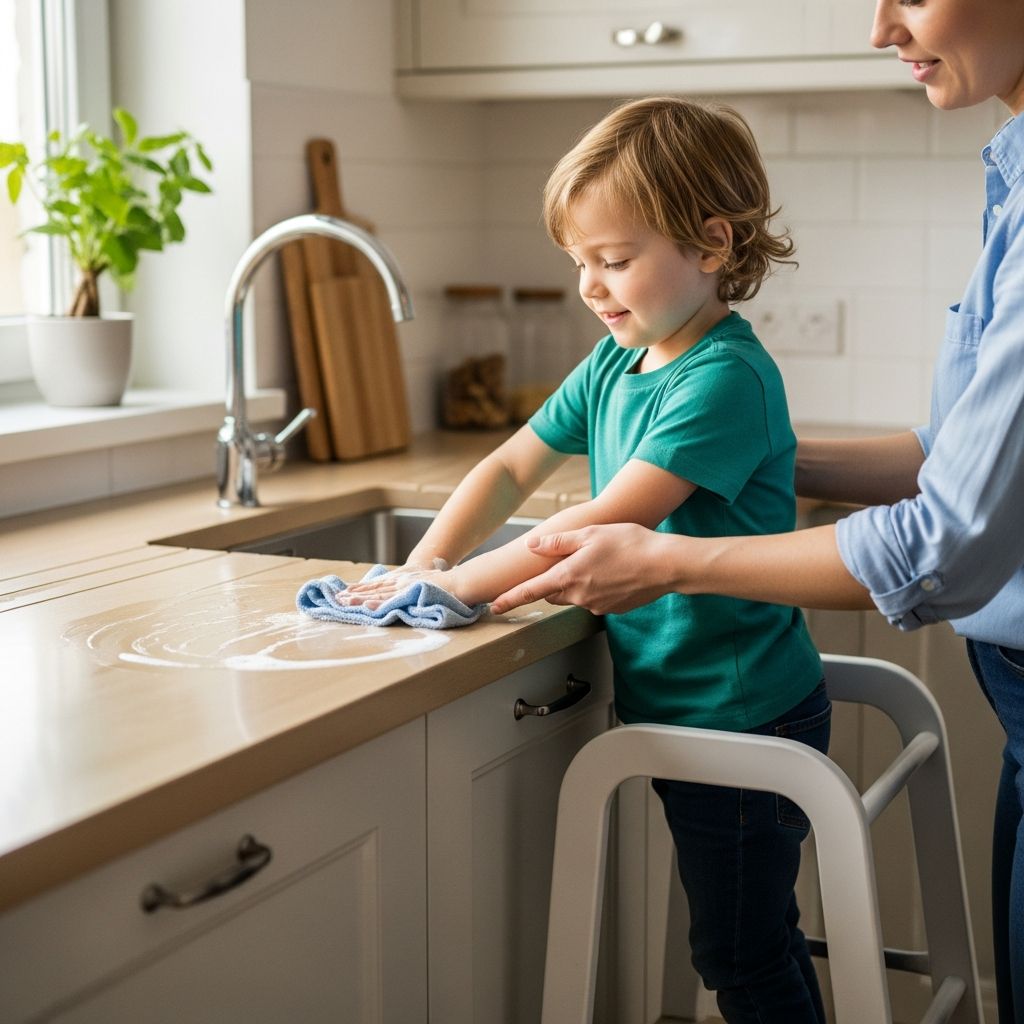
Peaceful parenting is not about being a perfect, endlessly patient parent. It is a practical, research-aligned approach that helps you lead your family with calm authority, empathy, and clear boundaries, so your child learns to manage big feelings instead of fearing your reactions.
Instead of relying on threats, bribes, or punishments, peaceful parenting focuses on three pillars: your own emotional regulation, a strong parent-child connection, and firm but kind discipline. When these pieces fit together, everyday conflicts become opportunities to teach skills rather than battles to win.
What Peaceful Parenting Really Means
Peaceful parenting does not mean allowing your child to run the show. It means you stay the leader, but you lead with empathy and respect rather than fear and control. The goal is long-term growth, not short-term obedience at any cost.
In practice, this approach teaches children to:
- Understand and name their emotions instead of acting them out through aggression or withdrawal.
- Take responsibility for their actions because they care about others, not because they fear punishment.
- Trust you as a safe base, even when you say “no” or enforce a limit.
The Three Pillars of Peaceful Parenting
Think of peaceful parenting as a three-legged stool. If one leg is missing, the stool wobbles. The three legs are: your calm, your connection, and your limits.
| Pillar | What It Focuses On | Daily Example |
|---|---|---|
| Emotional self-regulation | Managing your own anger, stress, and triggers before responding. | Taking three breaths before speaking when your child spills milk again. |
| Connection | Building a warm, trusting relationship as the foundation for cooperation. | Spending 10 distraction-free minutes playing what your child chooses. |
| Kind, firm limits | Holding boundaries clearly and consistently, without shaming or threats. | “We are done with screens for today. I know that’s hard, and I’m here while you’re upset.” |
Pillar 1: How to Stay Calm When Your Child Is Not
No set of parenting tools will work if you are constantly exhausted, resentful, or on the verge of yelling. Your nervous system is the emotional climate controller of the home. When you are regulated, your child’s brain can settle; when you explode, your child’s stress spikes.
Recognize Your Triggers
Certain behaviors light parents up almost instantly: eye-rolling, defiance, whining, or aggressive outbursts. Instead of focusing only on stopping the child’s behavior, notice what it activates in you—memories of how you were disciplined, fears about being judged, or worries that your child will “turn out badly.”
- Pay attention to body signals: tight jaw, clenched fists, racing heart, heat in the chest or face.
- Mentally label what is happening: “My body is in alarm mode; this is a trigger, not an emergency.”
Simple Reset Techniques for Parents
You do not need a spa day to reset—micro-practices can break the cycle in seconds.
- Pause before you speak: Commit to a three-breath rule whenever you feel triggered.
- Ground in your senses: Name five things you can see, four you can touch, and so on, to pull yourself out of a stress spiral.
- Use a “reset phrase”: A quiet internal reminder such as “Connection first” or “I’m the adult here” can redirect your response.
Pillar 2: Connection as Your Everyday Superpower
Children behave better for adults they feel deeply connected to. When kids feel seen, safe, and valued, they are more willing to cooperate and less likely to seek attention through negative behavior.
Daily Habits that Build Connection
- Special time: Ten to fifteen minutes a day where you follow your child’s lead—no phones, no multitasking.
- Warm rituals: Simple routines like a bedtime song, a morning hug, or a secret handshake create a sense of belonging.
- Eye contact and touch: Kneel to your child’s level, make gentle eye contact, and place a hand on their shoulder when speaking.
Listening So Your Child Will Talk
Many misbehaviors are crude attempts to say, “Something inside me doesn’t feel right.” When you take time to hear the story beneath the tantrum, you teach your child that emotions are manageable, not dangerous.
- Reflect feelings first: “You really wanted that toy, and it’s so disappointing that we have to leave.”
- Ask open-ended questions: “What was the hardest part of your day?” instead of “Did you have a good day?”
Pillar 3: Limits that Are Firm, Clear, and Kind
Peaceful parenting is often misunderstood as permissive parenting. In reality, it works best when boundaries are rock solid—but delivered with kindness. Children need to know where the edges are; limits are what make the world feel safe and predictable.
The Anatomy of a Peaceful Limit
Most limits can follow a simple three-step pattern:
- Connect: Acknowledge your child’s perspective or desire.
- State the limit: Be brief, clear, and decisive.
- Support the feelings: Stay present and calm if your child protests or melts down.
For example: “You love bouncing on the couch. It looks fun. The couch is for sitting, not jumping. You’re upset; I’ll help you find another safe place to jump.”
Natural and Logical Consequences
Instead of punishments designed to hurt or shame, peaceful parenting leans on consequences that are directly linked to the behavior and focused on learning.
- Natural consequences: What happens on its own if adults do not step in. If your child forgets a jacket, they feel cold and remember next time.
- Logical consequences: Adult-arranged outcomes that are respectfully tied to the behavior—returning a toy that was broken in anger, cleaning up a mess made on purpose, or pausing screen time when a device is misused.
From Power Struggle to Problem-Solving
In many homes, conflict turns into a tug-of-war: if the parent “wins,” the child must “lose.” Peaceful parenting replaces that win-lose mindset with collaborative problem-solving, where both sides’ needs matter and everyone practices negotiation, flexibility, and responsibility.
Steps to Collaborative Problem-Solving
- Describe the situation neutrally: “We’re having trouble getting out the door on time.”
- Hear your child’s side: “What makes mornings so hard for you?”
- Share your own needs: “I need us to leave by 8:00 so I’m not late for work.”
- Brainstorm solutions together: Write down ideas without judging, then choose one to try.
- Review and adjust: Check in later: “How did our new morning plan work? What should we change?”
This process takes longer at first, but over time it builds internal motivation and problem-solving skills that no reward chart can match.
Handling Tantrums and Emotional Storms
No parenting approach can remove meltdowns entirely. Strong emotions are part of growing up. The difference with peaceful parenting is what you do during those storms: instead of shutting feelings down, you help your child move through them safely.
What to Do in the Moment
- Ensure safety first—prevent harm to people or property by gently blocking or moving items if needed.
- Stay physically close but emotionally calm; your presence helps your child’s nervous system settle.
- Use few words; your tone matters more than your speech. Simple phrases like “You’re very upset. I’m here.” often work best.
What to Do After the Storm
Once your child is calm, that is the time for reflection and teaching—not while they are overwhelmed.
- Help label the experience: “You were angry when we left the park; it felt unfair.”
- Revisit the limit briefly, then focus on next time: “We still needed to go. Next visit we can leave after three swings or one slide, which do you prefer?”
Age-By-Age Peaceful Parenting Strategies
Children’s brains develop rapidly, and what works for a toddler will fall flat with a teenager. The core principles stay the same, but how you apply them shifts with age.
| Age Range | Main Needs | Helpful Strategies |
|---|---|---|
| Toddlers (1–3) | Safety, routine, help with overwhelming feelings. | Simple language, redirection, playful cooperation, staying close during tantrums. |
| Preschoolers (3–5) | Understanding rules, testing limits, learning to share. | Visual routines, clear and consistent limits, role-play, emotion naming. |
| School-age (6–11) | Sense of competence, peer relationships, fairness. | Collaborative problem-solving, chores with support, family meetings. |
| Teens (12+) | Autonomy, identity, respect, privacy. | Negotiated limits, open dialogue, logical consequences, shared decision-making. |
Common Myths About Peaceful Parenting
Because this approach looks different from traditional, fear-based discipline, it is often misunderstood. Clearing up these myths can help you commit with more confidence.
- “Kids won’t respect you if you don’t punish them.” Respect built on fear disappears when the fear is gone. Respect rooted in trust lasts.
- “You’ll spoil your child if you’re too kind.” Kindness and firmness can coexist. Limits are non-negotiable; the tone can be gentle.
- “There’s no time for all this talking.” While connection and problem-solving take time upfront, they reduce daily battles and repeated arguments.
Practical Scripts for Tough Moments
Every family and child is different, but it can help to have a few go-to phrases ready for high-stress situations. Adapt these to your own voice.
When Your Child Hits
- “I won’t let you hit. I see you’re furious. Let’s find another way to show that.”
- “Your hands are not for hurting. You can stomp, you can squeeze this pillow, but you may not hurt people.”
When Your Child Refuses a Limit
- “You really want to keep playing. It’s hard to stop. We’re still done for today, and I’ll help you put it away.”
- “You don’t like this rule. I hear you. Let’s talk about it later, but right now the rule still stands.”
When You Lose Your Cool
- “I yelled, and that was not okay. You didn’t cause my yelling; I am responsible for my behavior.”
- “I’m feeling overwhelmed. I’m going to take a short break and then we’ll finish this together.”
Taking Care of the Parent Behind the Parenting
Trying to be endlessly patient while running on fumes is unrealistic. Peaceful parenting is easier when you are resourced. That means caring for your physical and emotional needs as seriously as you care for your child’s.
- Protect basic needs: sleep, food, movement, and at least short pockets of quiet are not luxuries—they are fuel.
- Seek connection with other adults, whether through friends, support groups, or online communities, so you are not parenting in isolation.
- Consider professional support if your own childhood experiences or current stress make it hard to stay calm; healing yourself is a powerful gift to your child.
FAQs About Peaceful Parenting
Does peaceful parenting mean I never say “no”?
No. Children need the word “no” to feel safe. The difference is that you use “no” thoughtfully, you explain when possible, and you stay present with the feelings that follow instead of shutting them down harshly.
What if my child laughs or ignores me when I set a limit?
Children sometimes use laughter or silliness to manage discomfort. Stay calm, restate the limit once, and follow through with a logical consequence if needed, without making it personal or punitive.
Is it ever okay to use time-outs?
Short breaks can be helpful if they are used as a chance to calm down, not as isolation or shame. Many families replace traditional time-outs with “calm corners” where parent and child can reset together.
How long will it take to see changes?
Some families notice shifts in a few weeks—less yelling, fewer battles, more openness. Deep changes in patterns, especially if there has been a lot of fear or conflict, take months or longer. Consistency matters more than perfection.
Can peaceful parenting work with more than one child?
Yes, but it does mean more moving parts. Connection and calm limits apply to siblings as well, and collaborative problem-solving is especially powerful for resolving recurring sibling conflicts.
Bringing Peaceful Parenting into Your Home
You do not have to transform your entire style overnight. Choose one small shift to practice this week: pausing before you respond, setting one limit more calmly, or adding ten minutes of connection time into your routine.
Over time, these tiny changes rewire not only your child’s expectations of how conflict works, but also your own sense of what kind of parent you are allowed to be—firm, kind, and deeply connected.