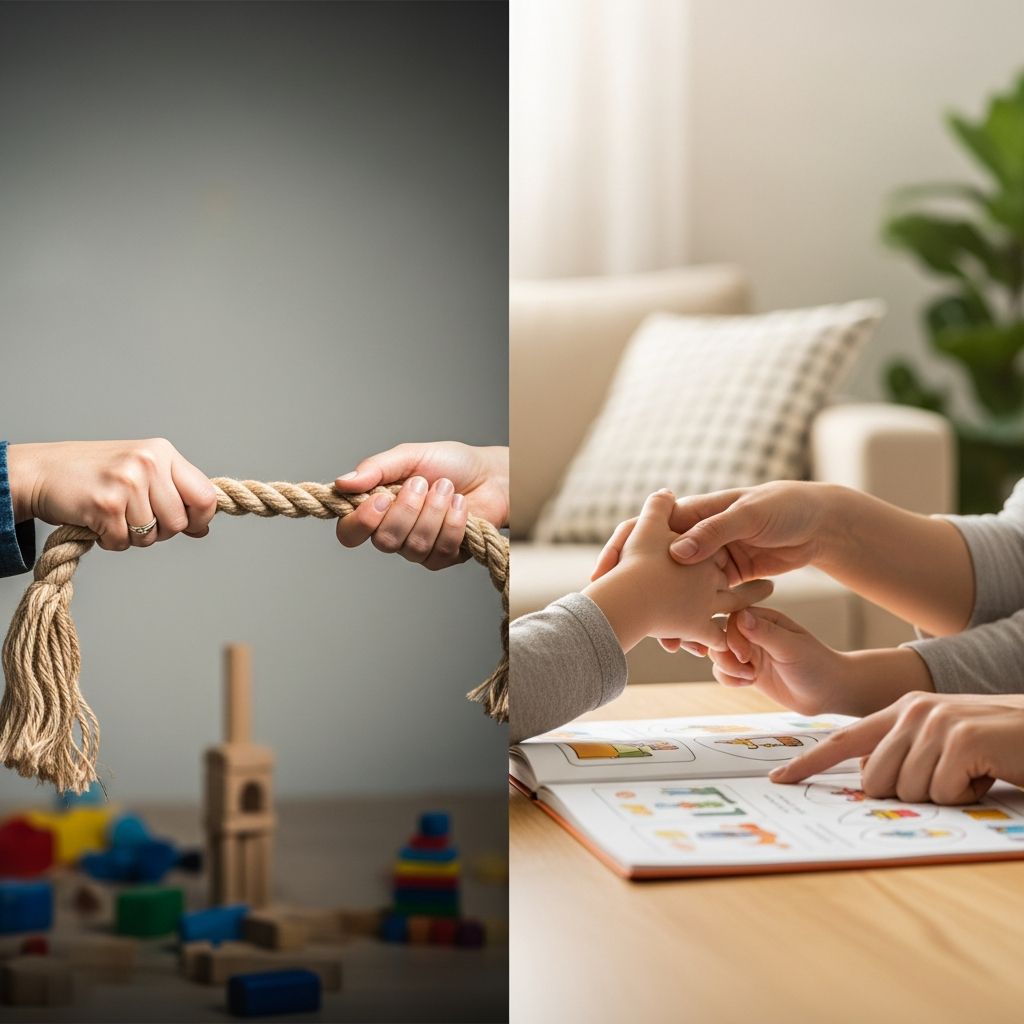
Many parents want a calmer home, fewer power struggles, and a closer relationship with their children—but feel stuck in a cycle of yelling, threats, and guilt. Peaceful parenting offers a different path: one that combines warmth with firm guidance so children feel both loved and led.
This article lays out a practical, step-by-step approach to peaceful parenting that you can start using today, without needing to be “perfect” or endlessly patient. You will learn how to regulate your own reactions, connect before you correct, and set limits that actually stick.
What Peaceful Parenting Really Means
Peaceful parenting is not about being permissive or letting children “run the show.” It is a relationship-based approach that prioritizes connection, emotional safety, and teaching over punishment. Instead of focusing on controlling behavior in the moment, it aims to build the skills and trust that reduce misbehavior over time.
Three pillars define this approach:
- Self-regulation for parents: Managing your own emotions so you can respond thoughtfully instead of reacting impulsively.
- Connection as the foundation: Building a strong emotional bond so children are more willing to cooperate and accept guidance.
- Teaching instead of punishing: Treating misbehavior as a skill gap or unmet need and responding with coaching, problem-solving, and consistent limits.
From Surviving to Leading: The Parent Mindset Shift
Many parents operate in survival mode—rushing from task to task, reacting to tantrums and backtalk, and collapsing at the end of the day. Peaceful parenting asks you to move from “putting out fires” to leading with intention. That leadership is calm, firm, and compassionate.
A helpful inner shift is to see every difficult moment not as a sign you are failing, but as an opportunity to teach and connect. This perspective makes it easier to stay grounded when your child is falling apart emotionally.
Core Principles of Peaceful Parenting
Before jumping into strategies, it helps to understand the underlying principles that guide peaceful choices. These principles keep you oriented when you feel triggered, tired, or unsure what to do.
| Principle | What It Means | How It Looks in Daily Life |
|---|---|---|
| Connection before correction | Children listen and cooperate better when they feel seen and understood. | You kneel to their level, acknowledge feelings, then talk about behavior. |
| Curiosity over judgment | Misbehavior is explored as a signal, not labeled as “badness.” | You ask, “What’s going on for you?” instead of “What’s wrong with you?” |
| Firm, kind limits | Boundaries are clear and consistent, delivered with warmth. | You hold the limit on screen time but stay empathetic about frustration. |
| Long-term learning | Focus is on skills like self-control, empathy, and problem-solving. | You help repair after conflict instead of just assigning blame. |
Step 1: Regulate Yourself Before You Respond
The hardest part of peaceful parenting usually is not the child’s behavior—it is the parent’s reaction to it. When you are flooded with anger, fear, or shame, it becomes almost impossible to respond with empathy and wisdom. The first step is always to calm yourself enough to think clearly.
Simple self-regulation practices in the heat of the moment include:
- Pause your body: Plant your feet, unclench your jaw, and relax your shoulders before speaking.
- Use a brief mantra: Quietly repeat to yourself, “My child needs help, not hurt,” or another phrase that grounds you.
- Delay your response: When safe, say, “I’m feeling too upset to talk kindly. I’ll take a minute and then we’ll figure this out.”
- Breathe on purpose: Inhale slowly to a count of four, exhale to a count of six, and repeat several times.
These small interventions shift your nervous system from fight-or-flight into a more regulated state, which is essential for any peaceful strategy to work.
Step 2: Connect with Your Child’s Experience
Once you are calmer, the next step is to connect with your child. Connection does not mean agreeing with their behavior; it means showing that you understand how they feel and what matters to them. Feeling understood lowers their emotional intensity and opens the door to problem-solving.
Practical ways to connect in tense moments:
- Get on their level: Physically kneel or sit so your eyes are roughly at the same height.
- Name the feeling: “You look really frustrated that we have to leave the playground.”
- Reflect the wish: “You wish you could stay and play all afternoon.”
- Offer gentle touch: If welcome, place a hand on their shoulder or give a side hug.
Children who feel emotionally safe and heard are more likely to cooperate, even when they cannot have what they want.
Step 3: Hold Clear and Consistent Limits
Peaceful parenting often gets misunderstood as “anything goes.” In reality, it depends on clear limits that are enforced kindly but consistently. Limits provide the structure children need to feel secure and to learn how the world works.
When setting or holding a boundary, aim for this balance:
- Be specific: Instead of “Behave,” say, “Your body needs to stay on the sidewalk.”
- Use few words: Long lectures fuel arguments. State the limit simply and calmly.
- Acknowledge feelings: “It’s okay to be angry that it’s bedtime. We still need to turn off the TV.”
- Follow through: If the limit is not respected, take action (for example, putting the toy away) rather than repeating yourself endlessly.
Consistency teaches children that you mean what you say and that boundaries are dependable rather than arbitrary or negotiable only when you are exhausted.
Step 4: Coach Skills Instead of Controlling Behavior
Misbehavior often reveals missing skills: impulse control, flexibility, problem-solving, or emotional awareness. Instead of punishing children for not yet having these abilities, peaceful parenting focuses on building them over time.
Skill coaching can happen both during and after difficult moments:
- During the storm: Offer simple prompts like, “Let’s take three dragon breaths together,” or “Use your words to tell me what you need.”
- After the storm: When everyone is calm, revisit the situation: “Next time you feel that mad, what could you do besides hitting?”
- Practice in play: Role-play scenarios with stuffed animals or act them out in silly ways to make learning feel safe.
- Model openly: Talk aloud about how you manage your own frustration, such as, “I’m upset the dish broke. I’m going to take a breath before I clean it up.”
Over time, these small coaching moments add up, helping your child internalize the regulation, communication, and problem-solving skills you are guiding them toward.
Everyday Scenarios: Applying Peaceful Parenting
Abstract principles become easier to use when translated into ordinary, messy moments. Below are three common situations and how a peaceful approach might look in practice.
Morning Meltdowns Over Getting Dressed
Instead of nagging or threatening to take away privileges, you might:
- Connect: “You really don’t feel like changing out of your pajamas. They’re cozy and you’re tired.”
- Offer choice within limits: “You need clothes for school. Do you want the blue shirt or the striped one?”
- Share the plan: “First we get dressed, then we can read a quick story before leaving.”
- Stay present: Help with tricky parts like buttons or socks to reduce overwhelm.
Sibling Fights Over Toys
Instead of immediately deciding who is “right” and who is “wrong,” you could:
- Ensure safety: Calmly separate kids if needed so no one is getting hurt.
- Hear each side: Give each child a chance to explain without interruption.
- Reflect needs: One child might need space; the other might crave connection or control.
- Brainstorm solutions: Ask, “How can we make this fair?” and guide them toward taking turns, setting timers, or finding a similar toy.
Bedtime Battles
Instead of escalating into a power struggle about lights out, you can:
- Predict and prepare: Use a simple visual routine (bath, pajamas, story, lights out) so bedtime is predictable.
- Connect first: Spend 10 minutes of undistracted time talking, reading, or cuddling.
- Set a clear limit: “After this story, the light goes off. You can choose to sing quietly or hug your stuffed animal.”
- Stay calm through protests: Validate the feeling while holding the boundary: “You wish we could stay up. It’s still time for sleep.”
Creating a Family Culture of Respect and Cooperation
Peaceful parenting is not just damage control during meltdowns; it gradually shapes the overall climate of your home. When children consistently experience respect, empathy, and clear expectations, they are more likely to respond in kind.
Ways to build this culture include:
- Regular connection rituals: Daily one-on-one time, family meals, or bedtime chats where you are fully present.
- Collaborative problem-solving: Involve children in family decisions appropriate to their age, such as creating a weekend plan or agreeing on homework routines.
- Repair after conflict: Normalize apologizing, making amends, and reflecting on what everyone (including adults) can do differently next time.
Common Myths About Peaceful Parenting
Because peaceful parenting differs from more traditional, authoritarian models, it is often misunderstood. Clearing up these myths helps you stay confident in your approach.
- Myth: “If you don’t punish, kids won’t learn.” In reality, children learn most deeply when they feel safe enough to reflect on what went wrong and how to repair it. Consequences still exist, but they are tied to teaching rather than shame.
- Myth: “Peaceful parenting is only for easy children.” Children with intense emotions, neurodivergence, or trauma histories may actually benefit the most from a calm, connected approach—though it often requires extra support and flexibility.
- Myth: “You have to be calm all the time.” No parent is calm 100% of the time. The key is noticing when you are off track, taking responsibility, and repairing when you lose your cool.
Small Daily Habits That Make a Big Difference
Peaceful parenting is built on small choices repeated over time, not on dramatic one-time changes. A few tiny habits, consistently practiced, can gradually shift your family dynamic.
- Start the day with warmth: Greet your child with eye contact, a smile, or a hug before talking about tasks or rules.
- Notice and name strengths: Comment on effort, kindness, or problem-solving, not just achievements.
- Schedule in connection: Ten minutes of undivided attention daily can reduce clinginess and attention-seeking behavior.
- End the day with reflection: Ask, “What was your favorite part of today?” and share something you appreciated about them.
FAQs About Peaceful Parenting
Is peaceful parenting the same as never saying “no”?
No. Peaceful parenting involves many clear “no’s,” especially around safety and respect. The difference is that those limits are communicated calmly, backed by empathy, and followed up with teaching, not fear.
What if my child still misbehaves even when I stay calm?
Remaining calm is not a magic trick that instantly changes behavior. Children need time to build new habits and skills. Consistent connection, clear limits, and coaching gradually reduce misbehavior, but setbacks are normal and do not mean the approach is failing.
How do I handle my own guilt about past yelling or harsh discipline?
Guilt can actually be useful if it motivates repair and change rather than self-attack. Apologize to your child in simple, sincere language, describe what you are working to do differently, and then focus on the concrete steps you are taking now to show up in a new way.
Can peaceful parenting work with teenagers, or is it only for young kids?
While the tone and content of conversations change with age, the core principles—respect, connection, and collaborative problem-solving—are just as important for adolescents. Teens may resist at first if they are used to power struggles, but many respond positively when they feel genuinely heard and involved in decisions.
What if my co-parent uses a very different approach?
Aligned parenting is ideal, but not always possible. Focus on the relationship and environment you personally can create when you are with your child. Calm, respectful conversations with your co-parent about shared values, rather than criticism, sometimes open the door to gradual alignment.
Taking the Next Step
Peaceful parenting is a long-term commitment, not a quick fix. You will make mistakes, lose your temper, and sometimes say things you regret. What matters most is not perfection, but a steady return to connection, curiosity, and teaching.
Every time you pause instead of yell, listen instead of lecture, or coach instead of punish, you are helping your child—and yourself—build a more resilient, respectful, and loving family life. One small, peaceful choice at a time can transform the emotional climate of your home.