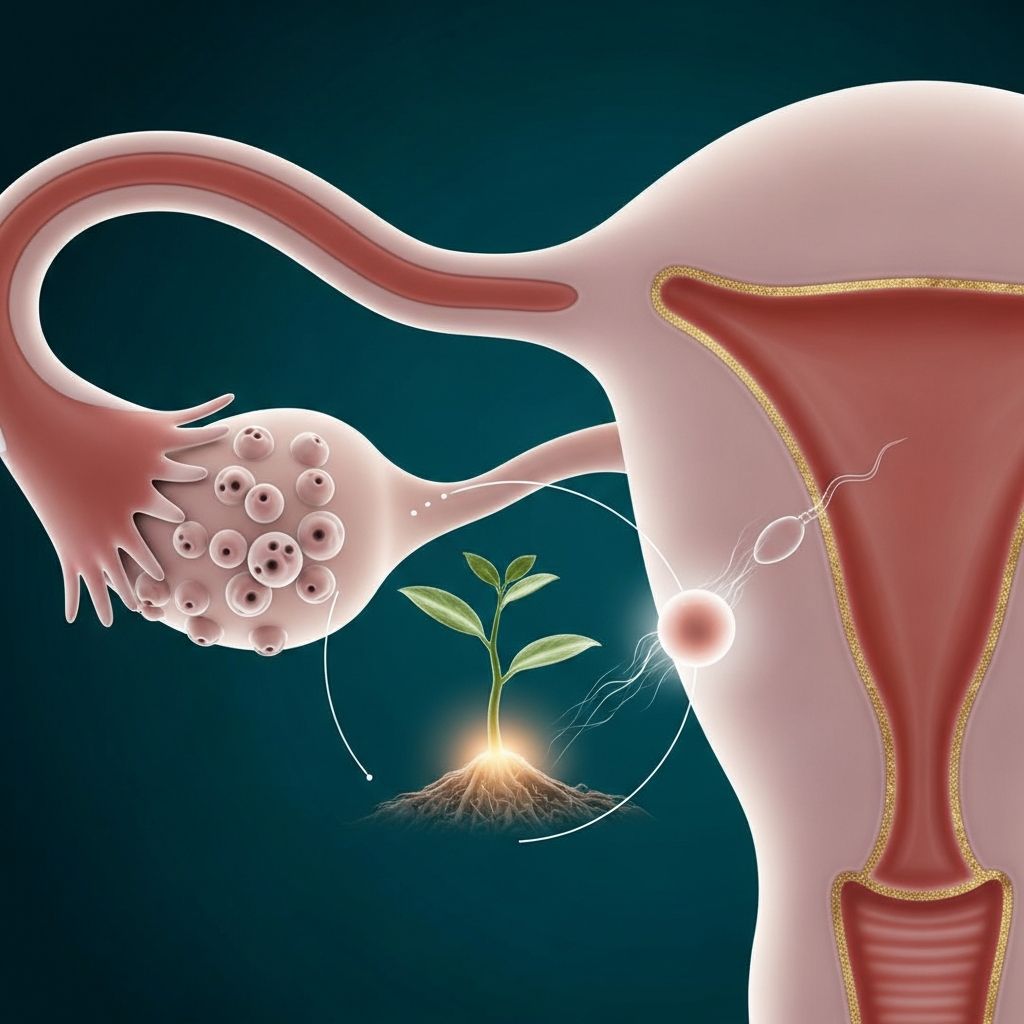
The Hidden Connection Between Hormonal Imbalance and Reproductive Health
Millions of women worldwide face unexpected obstacles when planning their families, often discovering that underlying health conditions play a significant role in their fertility journeys. One such condition that affects reproductive capability is polycystic ovarian syndrome (PCOS), a complex endocrine disorder that disrupts normal ovulation patterns and can significantly impact the ability to conceive naturally. Understanding this connection requires examining how hormonal imbalances cascade through the reproductive system, affecting egg quality, ovulation timing, and overall fertility potential.
The relationship between hormonal disorders and reproductive challenges has become increasingly recognized in medical communities worldwide. When hormonal systems become dysregulated, the consequences extend far beyond temporary discomfort, potentially creating long-term implications for those seeking to expand their families. This article explores the multifaceted nature of PCOS, its profound effects on fertility, and the various pathways available to individuals navigating these challenges.
Defining Polycystic Ovarian Syndrome and Its Prevalence
Polycystic ovarian syndrome represents one of the most commonly diagnosed hormonal conditions affecting women of reproductive age. The condition involves a complex interplay of elevated androgen levels, insulin resistance, and irregular ovulation patterns that can persist throughout a woman’s reproductive years. Unlike acute medical conditions with clear onset points, PCOS typically develops gradually, with symptoms becoming increasingly apparent during the teenage years and early adulthood.
The prevalence of PCOS is substantial, with healthcare organizations recognizing it as a leading contributor to fertility challenges in women. The condition manifests differently across individuals, with some experiencing severe symptoms while others navigate milder presentations. This variability in symptom severity and manifestation underscores the importance of personalized medical assessment and management strategies.
How PCOS Disrupts Natural Fertility Processes
The reproductive impact of PCOS stems from its fundamental disruption of ovulation patterns. In typical menstrual cycles, hormonal signals trigger the development and release of mature eggs at predictable intervals. However, with PCOS, irregular hormonal fluctuations prevent this coordinated process from occurring consistently. The result is unpredictable or absent ovulation, making natural conception significantly more challenging.
Beyond ovulation irregularities, PCOS affects egg quality through several mechanisms. The extended follicular phase often observed in PCOS cases means eggs remain in developmental stages longer than optimal, potentially compromising their viability. Additionally, insulin resistance associated with PCOS may negatively influence the metabolic environment surrounding developing eggs, further impacting reproductive potential.
Weight management becomes particularly complex in PCOS cases because the condition itself promotes weight gain through metabolic dysfunction, creating a compounding cycle. Excessive weight accumulation can worsen insulin resistance and hormonal imbalances, further suppressing ovulation and reducing fertility potential. Understanding these interconnected mechanisms helps explain why many individuals with PCOS struggle with conception despite their reproductive years remaining statistically optimal.
Lifestyle Modifications as Foundational Fertility Support
Many individuals diagnosed with PCOS discover that intentional lifestyle adjustments can meaningfully improve fertility outcomes. Weight management, while challenging due to metabolic factors inherent to the condition, remains one of the most impactful interventions. Research demonstrates that even modest weight reduction—typically 5 to 10 percent of total body weight—can restore regular ovulation patterns in many PCOS cases.
Physical activity serves multiple therapeutic functions in PCOS management. Regular exercise improves insulin sensitivity, reduces androgen levels, and promotes gradual weight normalization without requiring extreme dietary restriction. The key lies in establishing sustainable movement patterns that become integrated into daily routines rather than temporary interventions.
Nutritional approaches emphasizing low-glycemic index foods, adequate protein intake, and reduced processed carbohydrates help stabilize blood sugar levels and reduce insulin demand. This metabolic stabilization often translates to improved hormonal balance and more regular ovulation patterns. Additionally, managing emotional stress through meditation, yoga, or counseling can reduce cortisol elevation, which may exacerbate PCOS symptoms.
Prioritizing sleep quality represents another underappreciated fertility enhancer. Adequate sleep duration and quality directly influence metabolic function and reproductive hormone regulation, making consistent sleep schedules particularly beneficial for those managing PCOS-related fertility challenges.
Medical Interventions and Fertility Enhancement Options
When lifestyle modifications alone prove insufficient, several medical interventions can support conception in PCOS cases. Pharmacological options work through various mechanisms to restore ovulation or improve egg development. These treatments require careful medical supervision and individualized dosing based on response patterns.
For individuals prioritizing reproductive autonomy or facing particular urgency, egg preservation through freezing provides valuable insurance against future fertility decline. This option allows individuals to bank eggs during their reproductive prime, securing access to genetically younger eggs for future conception attempts should natural conception remain elusive.
Assisted reproductive technologies (ART) have revolutionized fertility treatment possibilities for PCOS cases. In vitro fertilization and other advanced reproductive procedures bypass ovulation challenges entirely, directly addressing the core fertility impediment that PCOS presents. While these approaches involve greater time investment and financial commitment, they offer substantially higher success rates for individuals with moderate to severe fertility challenges.
The Emotional Landscape of Fertility Challenges
Beyond the physiological dimensions, navigating PCOS-related fertility challenges carries profound emotional weight. The experience of receiving a diagnosis that threatens reproductive aspirations can trigger grief, anxiety, and identity disruption. Many individuals describe feelings of isolation, particularly when discovering that fertility struggles remain socially invisible—rarely discussed openly in mainstream conversations.
The cumulative effect of repeated attempts at conception, whether natural or medical, creates emotional exhaustion that extends beyond physical toll. The cyclical nature of hope and disappointment in fertility journeys—where each menstrual cycle represents both potential fulfillment and renewed loss—creates unique psychological demands.
Building community connections with others navigating similar challenges provides meaningful emotional support. Recognizing that PCOS-related fertility struggles represent a common experience shared by millions can reduce the isolation many individuals feel. Professional counseling or specialized therapy addressing fertility-related trauma and grief offers valuable emotional processing support throughout these journeys.
Navigating Reproductive Decision-Making
For many individuals with PCOS, traditional pathways to parenthood may require modification or alternative approaches. Acceptance of these realities represents an important psychological milestone, allowing decision-making to shift from “should I” to “how will I.” This reframing empowers individuals to explore the full spectrum of reproductive options available rather than fixating on one idealized pathway.
Third-party reproduction—including surrogacy arrangements—represents one alternative for those whose PCOS presentations prevent safe or successful pregnancy. While emotionally and logistically complex, surrogacy can facilitate biological parenthood when pregnancy itself remains contraindicated or unlikely.
Adoption and foster parenthood represent equally valid pathways to family formation, offering the opportunity to provide loving homes to children in need while bypassing PCOS-related reproductive barriers entirely. Many individuals report that shifting focus from biological reproduction to family building through alternative means reduces anxiety and increases overall life satisfaction.
Integrating PCOS Management Into Fertility Planning
Successful fertility outcomes in PCOS cases typically require coordinated management addressing both the syndrome itself and the specific fertility challenge. This integrated approach might include simultaneous weight management, metabolic optimization, ovulation support, and psychological preparation for various possible outcomes.
Working with reproductive endocrinologists—specialists combining reproductive medicine expertise with endocrine system knowledge—optimizes treatment planning. These specialists understand how PCOS-specific factors influence treatment responses and can adjust protocols based on individual presentations.
Regular monitoring and reassessment ensure that treatment strategies remain appropriate as circumstances change. PCOS presentations can shift across reproductive years, with some individuals experiencing spontaneous improvement while others face progressively more significant challenges. Flexibility in approach accommodates these natural variations.
Looking Forward: Hope and Realistic Planning
While PCOS presents meaningful fertility challenges, it does not eliminate reproductive possibilities. Many individuals with PCOS achieve pregnancies through natural conception, lifestyle optimization, medical intervention, or assisted reproductive technologies. The key lies in understanding individual presentations, exploring available options thoughtfully, and maintaining realistic expectations.
Scientific advancement continues expanding fertility treatment possibilities, with emerging research suggesting novel approaches to metabolic optimization and ovulation support. Staying informed about evolving treatment options empowers individuals to make the most current decisions regarding their reproductive futures.
Frequently Asked Questions
Q: How does PCOS specifically affect egg production and quality?
A: PCOS disrupts the hormonal signals necessary for regular egg development and release. Elevated androgen levels prevent follicles from maturing appropriately, often resulting in irregular or absent ovulation. Extended development times for available eggs may compromise egg quality, and the metabolic dysfunction associated with PCOS can negatively affect the environment supporting egg development.
Q: Can lifestyle changes alone restore fertility in PCOS cases?
A: Lifestyle modifications significantly improve fertility potential in many PCOS cases, particularly those involving modest weight management and improved insulin sensitivity. However, outcomes vary considerably based on individual presentations. Some individuals restore regular ovulation through lifestyle changes alone, while others require medical intervention despite substantial lifestyle improvements.
Q: What is the success rate for assisted reproductive technologies in PCOS cases?
A: Assisted reproductive technologies demonstrate strong success rates in PCOS cases, often comparable to or exceeding outcomes for other fertility indications. Success depends on multiple factors including age, egg quality, ovarian reserve, and overall health status. Specialists in reproductive endocrinology can provide individualized success estimates based on specific clinical presentations.
Q: Is egg freezing a recommended strategy for those with PCOS?
A: Egg freezing can provide valuable reproductive insurance for individuals with PCOS concerned about future fertility decline. The procedure preserves eggs at their current developmental stage, securing access to genetically younger eggs for future conception attempts. This option works particularly well for those desiring to defer parenthood or seeking additional security regarding reproductive autonomy.
Q: How does PCOS-related weight gain differ from typical weight management challenges?
A: PCOS-related weight gain involves metabolic dysfunction that makes traditional weight management approaches less effective. Insulin resistance, altered energy metabolism, and hormonal dysregulation create a physiological environment favoring weight accumulation. This explains why individuals with PCOS often experience greater difficulty losing weight compared to those without the condition, requiring specialized metabolic management approaches.
References
- Polycystic Ovary Syndrome (PCOS) — Centers for Disease Control and Prevention. Updated 2024-03-15. https://www.cdc.gov/ncbddd/pcos/index.html
- PCOS and Infertility — American College of Obstetricians and Gynecologists. Updated 2023-01-20. https://www.acog.org/womens-health/faqs/polycystic-ovary-syndrome-pcos
- Rotterdam Consensus on Polycystic Ovary Syndrome — Human Reproduction Update, Oxford University Press. 2012-03-01. https://academic.oup.com/humupd/article/18/2/146/607857
- Lifestyle Interventions in Polycystic Ovary Syndrome — Fertility and Sterility, Elsevier. 2021-06-15. https://www.fertstert.org/article/S0015-0282(21)00133-3/fulltext
- Assisted Reproductive Technologies for PCOS Management — Reproductive BioMedicine Online. 2023-09-10. https://www.rbmojournal.com/article/S1472-6483(23)00200-X/fulltext
- Psychological Impact of PCOS and Infertility — Journal of Psychosomatic Obstetrics & Gynecology, Taylor & Francis Online. 2022-04-20. https://www.tandfonline.com/doi/full/10.1080/0167482X.2022.2045892
- Egg Freezing and Reproductive Autonomy — American Society for Reproductive Medicine. Updated 2024-01-30. https://www.asrm.org/topics/topics-index/egg-freezing/