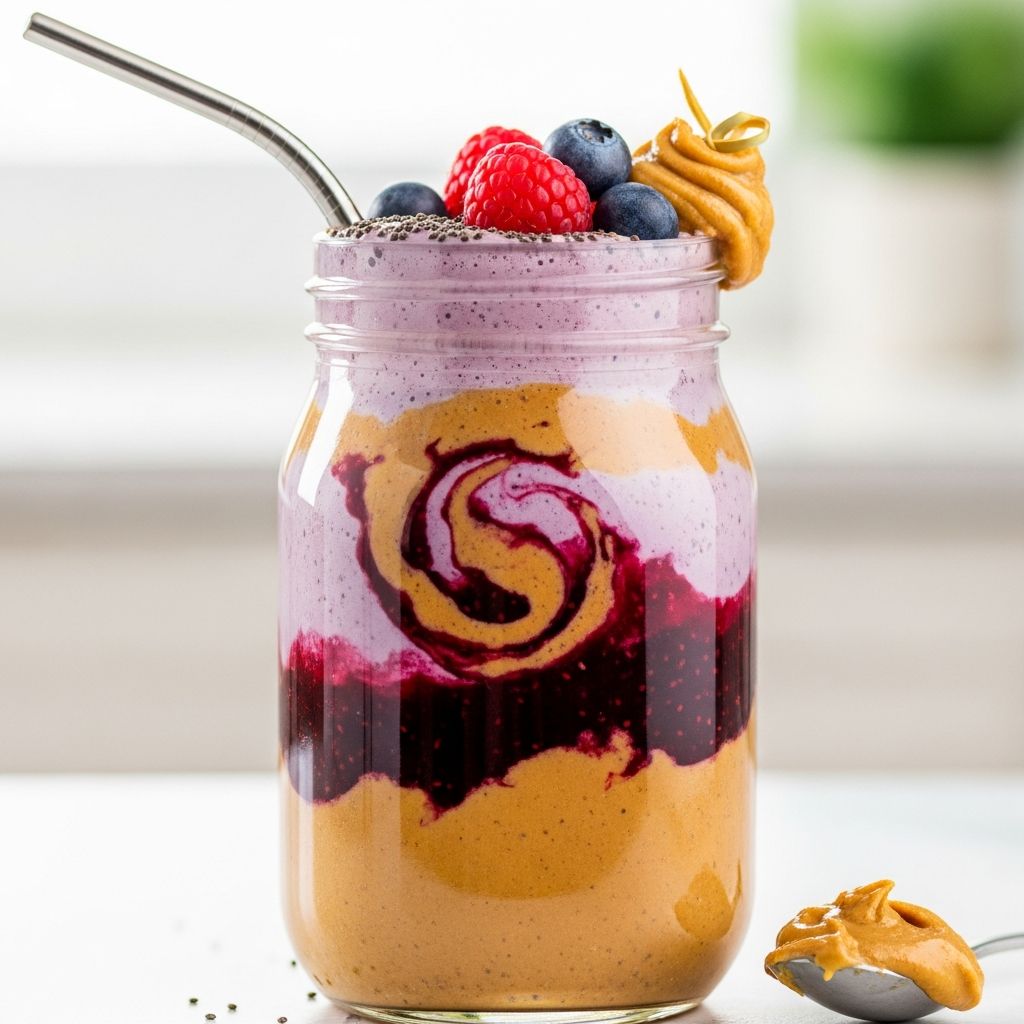
This delightful PB&J smoothie reimagines a childhood favorite into a powerhouse drink for new mothers navigating the postpartum period. Blending creamy peanut butter, juicy berries, and ripe bananas, it delivers essential nutrients to support breastfeeding, replenish energy, and promote healing after birth.
Why New Moms Need Nutrient-Dense Drinks
The weeks following childbirth demand extraordinary nutritional support. Breastfeeding mothers require an additional 300-500 calories daily, along with increased fluids, proteins, and key vitamins to sustain milk production and personal recovery. Dehydration and nutrient gaps can hinder lactation and exacerbate fatigue, making convenient, hydrating options like smoothies invaluable.
Smoothies stand out for their versatility, allowing busy moms to consume a full spectrum of nutrients in one quick blend. They hydrate while providing calories from healthy fats, proteins, and carbs—crucial for stabilizing blood sugar and combating exhaustion. For postpartum women, ingredients rich in galactagogues (milk-boosting foods) such as oats, nuts, and seeds can enhance supply without added effort.
Core Ingredients and Their Postpartum Benefits
Our PB&J smoothie features simple, whole-food components selected for their targeted benefits during recovery and lactation.
- Peanut Butter: A source of healthy monounsaturated fats and plant-based protein, peanut butter promotes satiety and provides sustained energy. Its creamy texture enhances smoothie appeal while delivering vitamin E for skin healing and immune support.
- Frozen Berries (Strawberries or Mixed): Packed with antioxidants like vitamin C and flavonoids, berries combat inflammation from delivery and support collagen production for tissue repair. Their natural sweetness mimics jelly without refined sugars.
- Banana: Offers quick-digesting carbs, potassium for muscle function, and prebiotic fiber to nurture gut health, often disrupted by birth and hormonal shifts.
- Almond Milk or Dairy Alternative: Hydrates and adds creaminess; opt for fortified versions with calcium and vitamin D to bolster bone health amid lactation’s calcium demands.
- Chia Seeds or Flaxseeds: Omega-3 fatty acids and lignans act as potential galactagogues, while fiber aids digestion—a common postpartum concern.
- Protein Powder (Optional): Vanilla whey or plant-based protein boosts amino acids for muscle repair and milk protein content.
- Oats (Optional Boost): Beta-glucan fibers may stimulate prolactin, a key lactation hormone.
These elements combine familiar PB&J flavors with functional nutrition, making the drink both enjoyable and effective.
Step-by-Step Recipe for Busy Moms
Preparation takes under 5 minutes, yielding one generous 16-20 oz serving. Scale up for partners or storage in freezer trays.
- Add 1.5 cups unsweetened almond milk (or oat milk) to a high-speed blender.
- Include 1 frozen banana (sliced for easier blending) and 1 cup frozen strawberries or mixed berries.
- Scoop in 2 tablespoons natural peanut butter (no added sugar).
- Sprinkle 1-2 tablespoons chia seeds and ½ cup rolled oats if using.
- Add 1 scoop vanilla protein powder for extra protein (about 20g).
- Blend on high until velvety smooth, about 1-2 minutes. Add more liquid if needed for desired consistency.
- Optional: Swirl extra peanut butter on top for indulgence.
Nutrition Per Serving (Approximate):
| Nutrient | Amount | % Daily Value* |
|---|---|---|
| Calories | 450 | 23% |
| Protein | 25g | 50% |
| Carbs | 55g | 20% |
| Fiber | 12g | 43% |
| Healthy Fats | 18g | 23% |
| *Based on 2000-calorie diet for lactating women. Values vary by brands. | ||
Enhancing Lactation and Milk Supply
While no single food guarantees increased milk production, nutrient-packed smoothies like this one support the process holistically. Galactagogues such as chia, oats, and peanut butter provide building blocks for prolactin and oxytocin. Anecdotal reports from thousands of mothers highlight fuller breasts and easier pumping after consistent intake of similar blends.
Hydration is paramount—smoothies count toward the 13 cups of fluid recommended daily for breastfeeding. The blend’s volume helps meet this without constant sipping from bottles. Protein supports casein and whey in breast milk, ensuring quality nutrition for baby.
Energy Restoration and Muscle Recovery
Postpartum fatigue stems from sleep deprivation, blood loss, and hormonal flux. This smoothie’s carb-protein-fat balance triggers insulin response, shuttling nutrients to muscles and brain for rapid replenishment—much like post-workout recovery. Bananas restore electrolytes, countering sweat from night wakings or activity.
Healthy fats from peanut butter and seeds sustain energy without crashes, vital for moms juggling feeds and household tasks. Many report heightened alertness and mood stability after incorporating such drinks.
Customization for Dietary Needs
- Vegan/Dairy-Free: Use plant protein and nut milks as base.
- Nut Allergy: Swap peanut butter for sunflower seed butter.
- Low-Carb: Reduce banana, add spinach or cauliflower for bulk.
- Flavor Twists: Add cocoa for chocolate PB&J or spinach for greens boost (color shifts slightly).
- Batch Prep: Freeze portions in silicone molds for grab-and-blend convenience.
Postpartum Wellness Integration Tips
Incorporate this smoothie into routines for maximum impact:
- Morning: Pair with breakfast for all-day fuel.
- Midday: As a snack to bridge meals amid cluster feeding.
- Evening: Wind-down treat with calming additions like brewer’s yeast.
Track supply and energy over 1-2 weeks. Combine with 7-9 hours sleep (in shifts), gentle walks, and stress reduction for synergistic effects. Consult a lactation consultant if supply concerns persist.
Frequently Asked Questions
Can this smoothie help increase breast milk supply?
Yes, its galactagogue-rich ingredients like oats and seeds, combined with hydration and protein, support lactation for many moms, though results vary.
Is it safe during the early postpartum weeks?
Absolutely, using soft, blended foods eases digestion. Start with smaller portions if C-section recovery limits intake.
How does it aid weight management postpartum?
High fiber and protein promote fullness, helping replace less healthy snacks while providing calories burned via breastfeeding (up to 500 daily).
Can partners or non-breastfeeding moms enjoy it?
Definitely—it’s a versatile recovery drink for anyone needing protein, energy, and antioxidants.
What if I don’t like the texture?
Adjust liquids, blend longer, or strain for silkier results. Frozen cauliflower adds creaminess undetected by taste.
Real Mom Stories and Testimonials
Jessica, a first-time mom: “After struggling with low supply at week 3, this smoothie became my daily ritual. By week 5, pumping yields doubled, and I felt energized!”
Sarah: “The PB&J taste tricks my brain into a treat, but it fuels marathon nursing sessions without crashes.”
These experiences underscore the smoothie’s role in practical postpartum self-care.
References
- Academy of Nutrition and Dietetics: Nutrition for Breastfeeding Mothers — Academy of Nutrition and Dietetics. 2023-05-15. https://www.eatright.org/health/pregnancy/breastfeeding-and-formula/nutrition-for-breastfeeding
- NIH: Dietary Reference Intakes for Lactation — National Institutes of Health, Office of Dietary Supplements. 2022-11-01. https://ods.od.nih.gov/factsheets/Lactation-HealthProfessional/
- La Leche League: Galactagogues and Milk Supply — La Leche League International. 2024-03-20. https://llli.org/breastfeeding-info/galactagogues/
- CDC: Maternal Diet and Breastfeeding — Centers for Disease Control and Prevention. 2023-08-10. https://www.cdc.gov/breastfeeding-special-circumstances/diet-and-micronutrients/maternal-diet.html
- Journal of Human Lactation: Effects of Oats on Milk Production — SAGE Journals (Peer-reviewed). 2021-06-12. https://doi.org/10.1177/08903344211015829