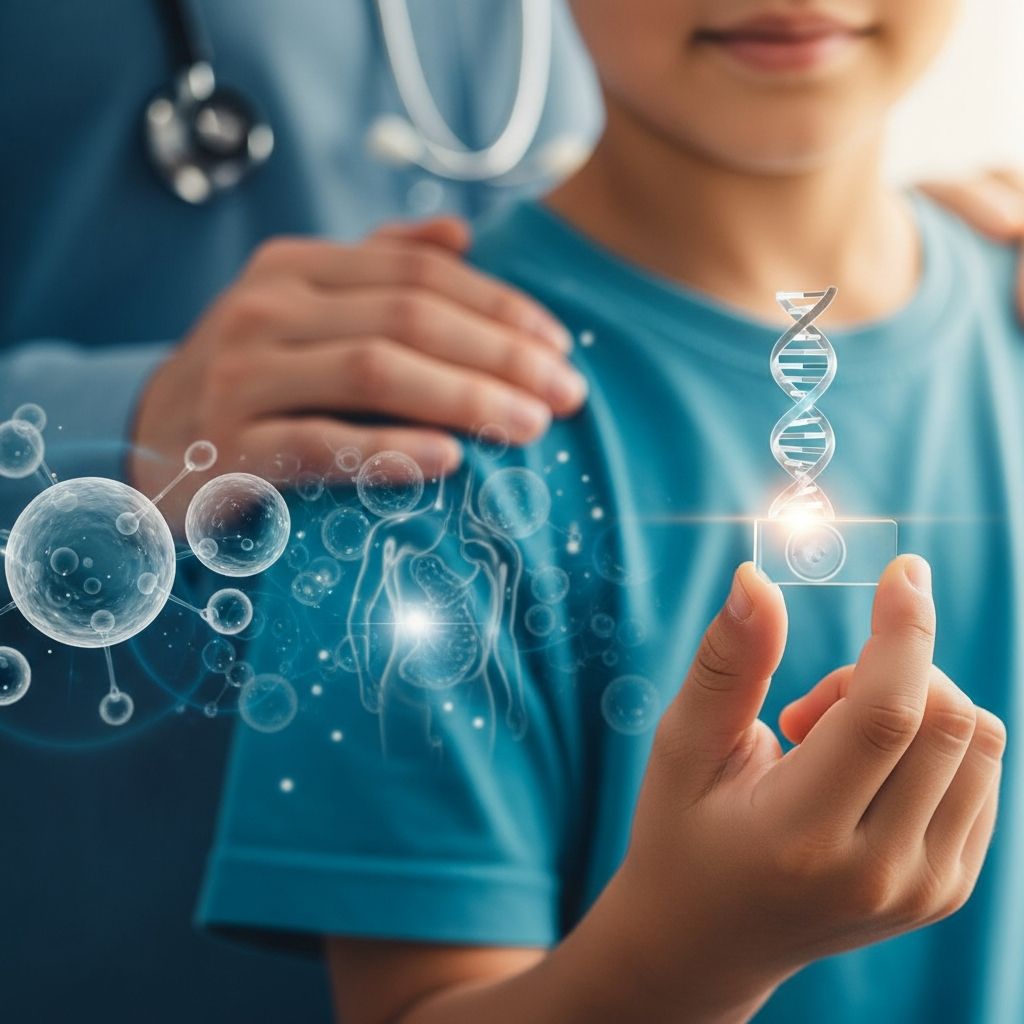
When a child is sick or needs a medical checkup, blood tests, swabs, or biopsies can be just as important as physical exams. Pathology is the medical specialty that turns those samples into answers, helping doctors understand what is happening inside a child’s body and how best to treat it.
What Is Pathology?
Pathology is the branch of medicine that studies diseases and how they affect the body. Pathologists use laboratory tests and microscopes to examine tissues, blood, and other body fluids, then report their findings to the child’s care team.
In everyday pediatric care, pathology helps to:
- Identify infections, allergies, and chronic illnesses
- Confirm or rule out serious conditions like cancer or autoimmune disease
- Monitor how well treatments are working over time
- Guide choices about surgery, medications, and follow-up care
Who Is a Pathologist?
A pathologist is a medical doctor who has completed residency training in pathology and often additional subspecialty training. They are experts in diagnosing diseases using laboratory techniques and microscopic examination of tissues and cells.
Although families rarely meet pathologists face-to-face, they play a central role behind the scenes by:
- Reviewing blood tests and other lab results
- Examining biopsies and surgical specimens under the microscope
- Advising pediatricians and specialists on the meaning of test results
- Helping design treatment and monitoring plans
| Role | What the Pathologist Does | How It Helps Your Child |
|---|---|---|
| Diagnostic expert | Interprets laboratory and microscopic findings | Provides accurate diagnoses that guide care |
| Consultant | Advises pediatricians, surgeons, and other specialists | Helps choose the best tests and treatments |
| Lab director | Oversees laboratory quality and safety | Ensures reliable, timely results |
| Researcher | Studies diseases and tests new methods | Improves future diagnosis and treatment options |
Major Branches of Pathology in Children’s Care
Most pathology work in pediatrics falls into two broad categories that often overlap.
Anatomic Pathology
Anatomic pathology focuses on how diseases change the structure of tissues and organs. In children, this often involves:
- Examining biopsies (small pieces of tissue) for infection, inflammation, or tumors
- Reviewing tissue removed during surgery (such as a removed appendix or lymph node)
- Evaluating cell samples from fluids (like fluid around the lungs)
Under a microscope, the pathologist can see:
- Whether cells look normal or abnormal
- If a tumor is benign (non-cancerous) or malignant (cancerous)
- How severe inflammation or damage is in an organ
Clinical Pathology (Laboratory Medicine)
Clinical pathology involves analyzing body fluids such as blood and urine to diagnose disease. Common areas include:
- Hematology: studying blood counts and clotting
- Chemistry: measuring substances like glucose, electrolytes, and liver enzymes
- Microbiology: identifying bacteria, viruses, and fungi
- Immunology: assessing the immune system and detecting autoimmune diseases
These tests are central to routine pediatric care, from newborn screenings to evaluations for infections, anemia, and chronic conditions.
Common Types of Pathology Tests in Children
Many parents first encounter pathology when their child needs blood work or a swab. Here are some of the most frequently used tests and what they can show.
Blood Tests
- Complete blood count (CBC): Measures red cells, white cells, and platelets. It can reveal anemia, infection, or blood disorders.
- Blood chemistry panel: Assesses electrolytes, kidney and liver function, and blood sugar.
- Inflammatory markers: Tests such as C-reactive protein (CRP) can suggest infection or inflammation.
- Hormone levels: Useful in assessing growth, thyroid function, and puberty-related issues.
Microbiology Tests
- Throat and nasal swabs: Used to detect bacteria or viruses causing sore throats, flu, or other respiratory infections.
- Stool tests: Help identify parasites, bacteria, or blood in the digestive system.
- Urine cultures: Check for urinary tract infections.
Tissue and Cell Analysis
- Biopsy: A small tissue sample examined microscopically to look for tumors, chronic inflammation, or other abnormalities.
- Cytology: The study of individual cells from body fluids or fine-needle aspirations.
- Molecular and genetic tests: Analyze DNA or RNA for inherited conditions, certain cancers, or infectious agents.
Specialized Pediatric Pathology
Some pathologists receive additional training specifically focused on conditions in fetuses, infants, children, and adolescents. These subspecialties can be especially important in complex or rare disorders.
- Pediatric pathology: Concentrates on diseases unique to children, including congenital disorders, pediatric tumors, and developmental conditions.
- Hematopathology: Focuses on blood diseases such as leukemia, lymphoma, and complex anemia.
- Neuropathology: Examines brain and nerve tissue in conditions like seizures, brain tumors, or developmental brain abnormalities.
- Molecular genetic pathology: Uses advanced methods to detect genetic changes, guide targeted therapies, and confirm inherited disorders.
How Pathology Supports Your Child’s Care Team
Pathology findings are rarely used in isolation. Instead, they are combined with imaging, physical exam findings, and your child’s history to make the best possible decisions.
Pathologists work closely with:
- Pediatricians and family doctors
- Pediatric surgeons
- Oncologists (cancer specialists)
- Hematologists (blood specialists)
- Infectious disease physicians
- Radiologists (imaging specialists)
Collaboration can include:
- Discussing complex biopsy findings with specialists
- Recommending additional tests when diagnosis is uncertain
- Providing prognostic information, such as how aggressive a tumor appears
- Helping interpret new or unusual lab results
What Happens to Your Child’s Sample?
Understanding the journey of a sample can make the testing process less mysterious for both parents and children.
- Collection: A nurse, phlebotomist, or other trained professional collects blood, urine, swabs, or tissue.
- Labeling: Samples are carefully labeled with your child’s information to prevent mix-ups.
- Transport: The samples are sent to a laboratory, often within the same hospital.
- Processing: Technologists and scientists prepare the specimens for analysis, such as staining tissue slides or setting up cultures.
- Analysis: Machines measure chemicals and cells; pathologists examine slides under a microscope and review complex results.
- Interpretation: The pathologist combines test data, microscopic findings, and clinical information to reach a diagnosis or conclusion.
- Reporting: Results are sent to your child’s doctor, who will discuss the findings and next steps with you.
Why Some Tests Take Longer Than Others
Not all lab tests are finished at the same speed. Some basic blood tests may be done in minutes, while more detailed studies can take days or even longer.
Delays may be due to:
- The need to grow bacteria or fungi in culture
- Extra stains or special studies on tissue samples
- Complex molecular or genetic analysis that requires advanced equipment
- Quality checks to ensure accurate results before reporting
Although waiting is stressful, this careful work is critical to delivering safe, reliable answers.
Safety, Accuracy, and Quality in the Lab
Clinical laboratories must follow strict standards for quality and safety to protect patients and staff and to ensure that results are trustworthy.
- Equipment is regularly maintained and calibrated.
- Technologists and pathologists participate in ongoing training and proficiency testing.
- Results are checked against controls and previous values when possible.
- Many labs are accredited or inspected by national organizations that set performance standards.
These safeguards mean that when your child’s doctor receives a lab report, it has passed through multiple layers of review.
How Parents Can Support the Testing Process
Parents play an important role in helping tests go smoothly and in understanding what results mean.
Before Testing
- Ask whether your child should fast or avoid certain medicines.
- Explain to your child, in age-appropriate terms, what will happen and why.
- Bring comfort items (a favorite toy, blanket, or book) for younger children.
During and After Testing
- Stay calm and reassuring; children often mirror a parent’s emotions.
- Ask when and how you will receive results.
- Keep a written record of significant test results and questions for follow-up visits.
Key Questions to Ask Your Child’s Doctor About Lab Results
- What specific tests were ordered, and why?
- Were the results normal, borderline, or clearly abnormal?
- Could anything have affected the results (such as medications or timing)?
- Do any results need to be repeated or confirmed by another type of test?
- How will these findings change my child’s treatment or follow-up?
Frequently Asked Questions (FAQs)
Do pathologists ever meet patients or families?
Most of the time, pathologists work in the laboratory and communicate primarily with other doctors. In some settings, such as blood transfusion services or specialized clinics, they may meet patients or discuss complex findings directly with families.
Are all lab tests reviewed by a pathologist?
Routine tests are often processed by trained laboratory professionals using automated systems. Pathologists are usually involved when results are abnormal, complex, or when microscopic examination or specialized interpretation is needed.
What is the difference between a lab technician and a pathologist?
Laboratory technicians and technologists perform the hands-on testing and operate equipment. Pathologists are physicians who oversee the lab, interpret complex results, and provide diagnostic opinions that guide treatment decisions.
Can pathology tests detect every disease?
No single test can find every condition. Pathology is one powerful tool among many; doctors combine test results with symptoms, exams, and imaging studies to reach a diagnosis.
Will my child need repeat testing?
Sometimes tests must be repeated to confirm an unexpected result, monitor a chronic condition, or see how well treatment is working. Your child’s doctor will explain the reason for any follow-up testing.
References
- What Is Pathology? — College of American Pathologists. 2022-06-01. https://www.cap.org/member-resources/articles/what-is-pathology
- What Is a Pathologist? What They Do, Training & Types — Cleveland Clinic. 2023-07-25. https://my.clevelandclinic.org/health/articles/24616-pathologist
- What is Pathology? — Royal College of Pathologists. 2021-11-10. https://www.rcpath.org/discover-pathology/what-is-pathology.html
- What is a Pathologist? — Baptist Health. 2022-03-15. https://www.baptisthealth.com/care-services/services/imaging-diagnostics/what-is-a-pathologist
- What Is Pathology? — American Board of Pathology. 2022-09-01. https://abpath.org/what-is-pathology/
- Pathology Definition: What is Pathology? — Pathology Reference Laboratory. 2020-05-19. https://www.pathreflab.com/pathology-definition-what-is-pathology/