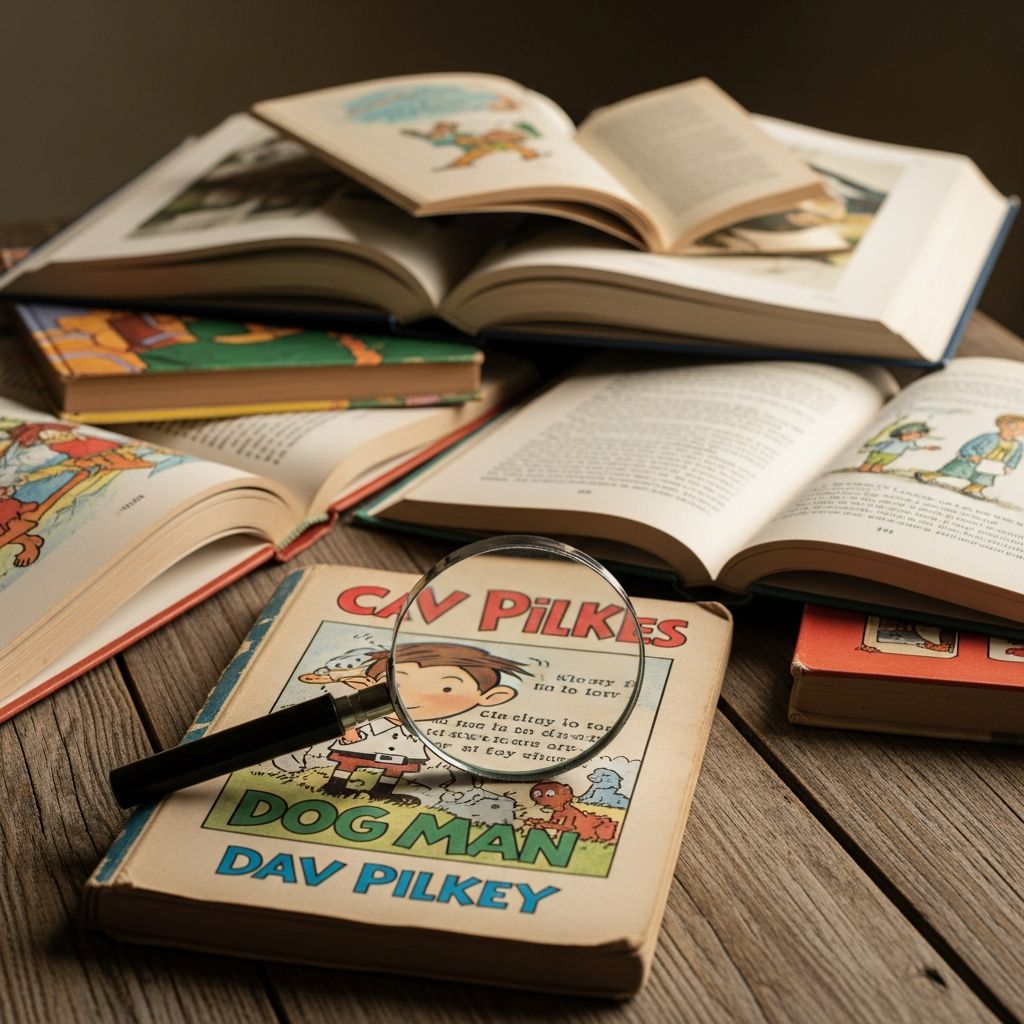
Children’s literature shapes young minds, but hidden biases can perpetuate harm. The 2021 decision to discontinue Dav Pilkey’s “The Adventures of Ook and Gluk, Kung-Fu Cavemen from the Future” exposed how even well-intentioned stories can embed subtle racism, igniting debates on cultural representation.
Understanding Passive Racism in Storytelling
Passive racism refers to unintentional stereotypes that normalize discrimination without overt malice. In kids’ books, this often appears through caricatured depictions of ethnic groups, reinforcing outdated tropes.
- Visual exaggerations like slanted eyes or traditional attire misused as costumes.
- Clichéd phrases mimicking accents or philosophies, stripping cultural depth.
- One-dimensional characters serving plot devices rather than authentic portrayals.
These elements subtly teach children skewed views of diversity, embedding biases early. Experts note that such portrayals contribute to broader societal microaggressions, affecting marginalized communities long-term.
The Spark: A Father’s Call for Change
The controversy began when Korean American father Billy Kim launched a Change.org petition in 2021. Reviewing the book with his children, he identified harmful elements: a kung fu master in a tang coat, characters with dashed-line eyes, and mangled Chinese proverbs.
Kim’s petition gained traction, highlighting how the 2010 graphic novel—part of Pilkey’s Captain Underpants super series—perpetuated Asian stereotypes despite its fun time-travel premise involving cavemen learning martial arts in the future.
Kim emphasized open dialogue’s power, noting his family’s continued admiration for Pilkey while advocating for better representation.
Dav Pilkey’s Swift Response and Apology
Renowned for hits like Captain Underpants, Dav Pilkey responded within days. In a heartfelt YouTube video and statement, he acknowledged the harm, calling the stereotypes “wrong and harmful to my Asian readers.”
Pilkey committed to donating his advance and all royalties to organizations combating anti-Asian violence and promoting diversity in publishing. He urged readers to learn from his mistake: “Even unintentional and passive stereotypes and racism are harmful to everyone.”
Publisher Scholastic’s Bold Decision
Scholastic, the world’s largest children’s book publisher, acted decisively. They ceased sales, removed the book from their website, halted orders, and sought returns of unsold inventory. Schools and libraries were notified to withdraw circulating copies.
This marked a rare full discontinuation of a bestselling title, signaling publishing’s growing intolerance for passive biases. Scholastic stated: “We recognize this book perpetuates passive racism.”
Book Details and Problematic Elements
| Element | Description | Issue |
|---|---|---|
| Master Wong Character | Kung fu instructor teaching cavemen | Exaggerated features, tang coat as stereotype |
| Visual Style | Dashed lines for eyes | Classic anti-Asian caricature |
| Dialogues | Proverb parodies like broken English | Mockery of Chinese philosophy |
| Setting | Future kung fu school | Reduces rich culture to trope |
The story follows cavemen Ook and Gluk time-traveling from 500,001 B.C. to 2222 A.D., learning life lessons via kung fu. While adventurous, these portrayals overshadowed the positive messages.
Broader Context: Racism in Children’s Media
This incident echoes Dr. Seuss controversies, where six books were discontinued for racist imagery. It underscores a publishing shift post-2020 racial reckoning, prioritizing sensitivity reviews.
- Increased diverse author hires and beta readers from depicted cultures.
- Retrospectives on backlists for hidden biases.
- Parental activism driving corporate change.
Studies from the Cooperative Children’s Book Center show persistent underrepresentation: only 3.3% of books feature Asian protagonists despite demographic growth.
Impacts on Authors, Publishers, and Readers
Author Accountability
Pilkey’s apology modeled growth, but critics debate if self-policing suffices. Should creators consult cultural experts pre-publication?
Industry Shifts
Publishers now invest in audits. Scholastic’s move influenced peers, fostering inclusivity training and diverse imprints.
Reader Benefits
Children gain from authentic stories, building empathy. Parents like Kim demonstrate modeling critical media consumption.
Critiques and Defenses of the Decision
Supporters hail it as progress against erasure. Detractors argue it censors creativity, risking over-sanitization.
| Perspective | Arguments For | Arguments Against |
|---|---|---|
| Pro-Removal | Protects kids from harm; holds power accountable | Rare full pull sets dangerous precedent |
| Anti-Removal | Contextual education better than banning | Ignores artistic intent |
Balanced views advocate contextual notes over withdrawal, preserving history while educating.
Lessons for Parents Raising Media-Savvy Kids
Navigate biases proactively:
- Discuss illustrations and tropes with children.
- Seek #OwnVoices books by authors from featured cultures.
- Support petitions and diverse creators.
Resources like We Need Diverse Books aid curation of inclusive libraries.
Moving Forward: A More Inclusive Publishing Landscape
Pilkey pledged betterment, releasing diverse works since. The industry eyes AI sensitivity tools and mandatory reviews.
Ultimately, this saga proves dialogue trumps division, turning missteps into milestones for equitable stories.
Frequently Asked Questions
What is passive racism in children’s books?
Subtle, unintentional stereotypes that normalize bias, like caricatured ethnic features or clichéd dialogues, embedding harm without explicit hate.
Why was ‘Ook and Gluk’ discontinued?
Scholastic identified harmful Asian stereotypes, including visual exaggerations and proverb parodies, following a parental petition.
Did Dav Pilkey face backlash?
He issued a public apology, donated royalties to anti-racism causes, and committed to improvement, earning praise for accountability.
Is this censorship?
Critics say yes, but supporters view it as ethical responsibility to avoid harming young readers with outdated tropes.
How can parents spot biases in books?
Check character authenticity, consult diverse reviews, and discuss content critically with kids.
References
- Captain Underpants Author Apologizes, Vows Donations After ‘Passive Racism’ Accusation — Fox News. 2021-03-29. https://www.foxnews.com/entertainment/captain-underpants-passive-racism-author-vows-donatations
- Book by ‘Captain Underpants’ author pulled over complaints of racist stereotypes — ABC News (Good Morning America YouTube). 2021-03-30. https://www.youtube.com/watch?v=HCKwt1eNV_s
- Scholastic pulls Dav Pilkey title — Publishers Weekly. 2021-03-22. https://www.publishersweekly.com/pw/by-topic/childrens/childrens-book-news/article/55540-scholastic-pulls-dav-pilkey-title.html
- Dav Pilkey Apology Statement — Dav Pilkey Official YouTube. 2021-03-22. https://www.youtube.com/watch?v=qtQlbVBCcFE