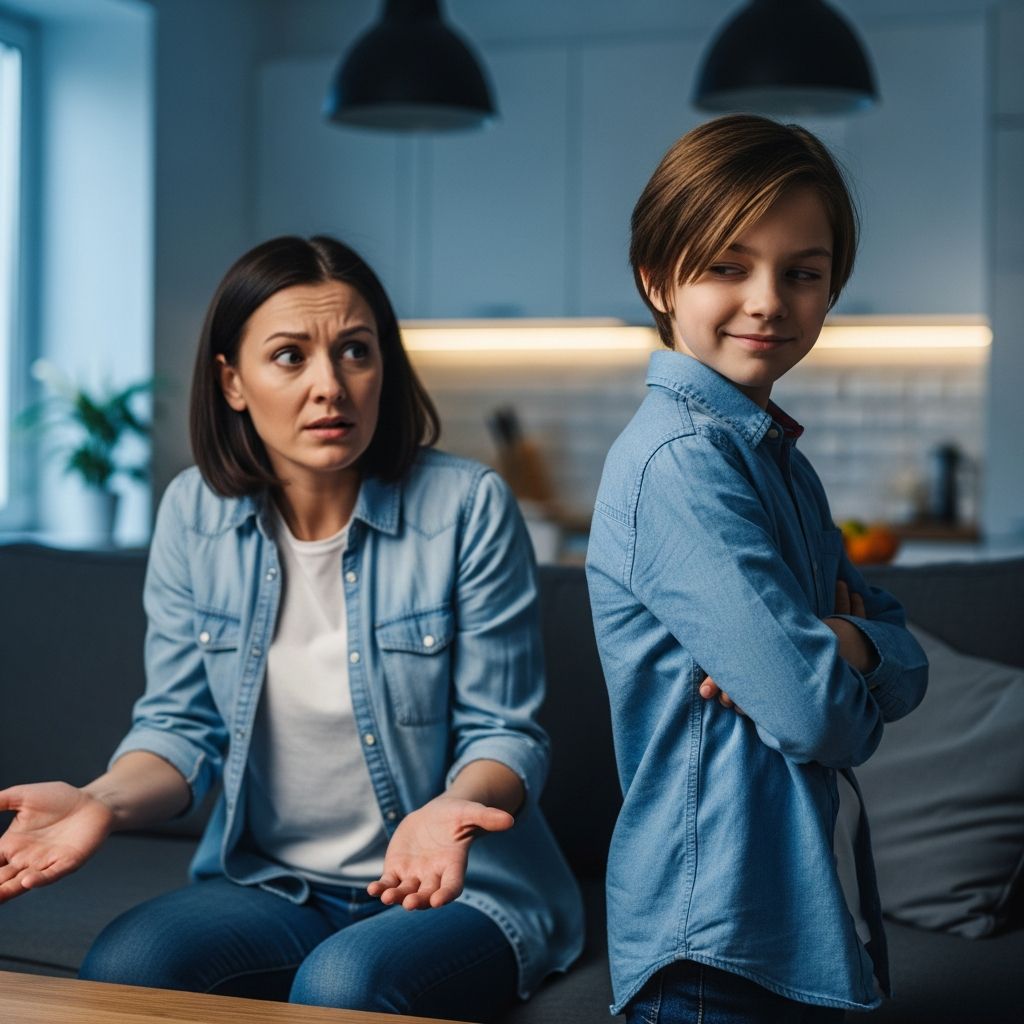
Passive-aggressive behavior manifests as indirect expressions of negativity, such as procrastination or subtle sarcasm, commonly seen in children and teenagers navigating complex emotions. This pattern often stems from unexpressed anger or frustration, impacting family relationships and personal growth.
Recognizing the Signs of Passive-Aggressiveness
Identifying passive-aggressive tendencies early allows parents to intervene effectively. Children might delay tasks indefinitely after agreeing to them, using silence as a weapon to express discontent. Teens could respond with eye-rolling, door-slamming, or one-word answers, signaling resentment without open confrontation.
- Procrastination on chores: Agreeing to clean but taking hours or days, as a quiet rebellion.
- Silent treatment: Ignoring parents or siblings to punish perceived slights.
- Sarcastic remarks: Comments like ‘Whatever you say’ dripping with disdain.
- Forgetting responsibilities: Repeatedly ‘forgetting’ homework or promises to avoid accountability.
- Body language cues: Sighs, shrugs, or exaggerated slowness to convey irritation.
These behaviors differ from outright defiance; they maintain a facade of compliance while undermining authority.
Root Causes Behind These Behaviors
Passive-aggressiveness rarely occurs in isolation. It often arises from fear of direct conflict, where kids opt for indirect outlets to voice unhappiness. Low self-esteem plays a significant role, as insecure youth avoid assertiveness to prevent rejection.
| Cause | Description | Common Triggers |
|---|---|---|
| Fear of Confrontation | Avoids open arguments by using subtle resistance. | Strict rules or high expectations. |
| Low Self-Esteem | Lacks confidence for direct expression. | Peer rejection or academic failure. |
| Learned Patterns | Mimics family or peer models of indirect anger. | Household tension or bullying. |
| Unresolved Trauma | Coping mechanism from past abuse or neglect. | Family changes or loss. |
| Rebellion Against Control | Seeks autonomy through non-compliance. | Overly restrictive parenting. |
Psychological factors like poor emotional regulation exacerbate these issues, with studies linking low self-awareness to indirect aggression in adolescents. Environmental stressors, including academic pressure or family discord, further fuel the cycle.
Impacts on Family and Development
Unchecked passive-aggressiveness erodes trust and communication, breeding resentment on both sides. For children, it hinders social skills, leading to isolation or escalated conflicts later. Teens risk deeper issues like self-harm or academic decline as indirect anger turns inward.
In families, it creates power struggles where parents feel manipulated, prompting reactive responses that worsen the dynamic. Long-term, this behavior correlates with mental health challenges, including anxiety and depression, if not addressed.
Practical Strategies for Parents
Effective management starts with calm, consistent responses that encourage directness. Avoid engaging in power battles; instead, set clear expectations and natural consequences.
- Stay Neutral: Respond without emotion to defuse manipulation attempts.
- Address Behavior Directly: Say, ‘I notice you’re delaying this task. What’s making it hard?’ to prompt honesty.
- Enforce Consequences: If chores are ignored, limit privileges until completed—no lectures needed.
- Model Healthy Expression: Demonstrate assertive communication in your interactions.
- Build Emotional Skills: Teach problem-solving through role-play or journaling.
For teens, validate feelings while holding boundaries: ‘I see you’re upset about the rules. Let’s discuss changes after the task is done.’ Consistency reinforces that passive tactics yield no rewards.
Building Emotional Intelligence in Youth
Fostering direct communication requires teaching emotional vocabulary. Programs emphasizing maturity and self-reliance reduce indirect aggression, particularly in boys. Encourage teens to name emotions—’frustrated’ instead of sulking—to build confidence.
Family therapy or counseling can unpack trauma roots, with evidence showing improved outcomes when parents model empathy. Daily check-ins promote openness, reducing reliance on passive outlets.
When to Seek Professional Help
If behaviors persist despite interventions, or accompany depression signs like withdrawal, consult a psychologist. Conditions like anxiety or trauma may underlie the aggression, warranting specialized support. Early intervention prevents escalation to self-destructive patterns.
Frequently Asked Questions (FAQs)
Q: Why do children become passive-aggressive instead of outspoken?
A: They often fear conflict or lack skills to express anger directly, opting for safer indirect methods learned from environment.
Q: How can parents avoid escalating these situations?
A: Remain calm, focus on actions not attitudes, and apply consistent consequences without emotional reactions.
Q: Is passive-aggressiveness a sign of deeper mental health issues?
A: It can indicate anxiety, low self-esteem, or trauma; monitor for other symptoms and seek professional evaluation if needed.
Q: Can this behavior improve with age?
A: Yes, with guidance on emotional maturity and communication, it often decreases as psychological awareness grows.
Q: What role does parenting style play?
A: Overly controlling or inconsistent styles can trigger it; balanced, empathetic approaches promote healthier expression.
Long-Term Prevention Tips
Prevent recurrence by nurturing a home environment of open dialogue. Praise direct efforts, like ‘I appreciate you telling me how you feel.’ Extracurriculars building self-esteem, such as sports or arts, reduce underlying insecurities.
Monitor digital influences; excessive screen time can amplify isolation and poor coping. Regular family meetings allow safe venting, transforming passive resistance into collaborative problem-solving.
References
- Passive Aggressive Teen Behaviour: Causes, Signs & What To Do — Dr. Lucy Russell, They Are The Future. 2023. https://www.theyarethefuture.co.uk/passive-aggressive-teen-behaviour/
- How To Handle A Passive-Aggressive Teen — Liahona Academy. 2023. https://liahonaacademy.com/how-to-handle-a-passive-aggressive-teen.html
- The Relationship Between Social Problem-Solving and Passive Aggressive Behavior — PMC (NCBI). 2024. https://pmc.ncbi.nlm.nih.gov/articles/PMC12295273/
- Covert Anger in Your Child: Why You Should Worry About Passive Aggression — Focus on the Family. 2023. https://www.focusonthefamily.ca/content/covert-anger-in-your-child-why-you-should-worry-about-passive-aggression