Being a parent often feels like a high-stakes balancing act, filled with endless advice on the ‘right’ way to raise children. Yet, amid the pressure for perfect routines, activities, and responses, one truth stands out: consistent presence trumps perfection every time. This approach focuses on emotional availability rather than flawless execution, helping children develop into confident, resilient individuals.
Why Presence Matters More Than Expertise
Many parents grapple with self-doubt, questioning if they’re providing enough stimulation, discipline, or opportunities. Research in child development reveals that the strongest predictor of a child’s future success—spanning emotional health, relationships, academics, and leadership—is not elite education or intensive training, but having at least one reliable caregiver who consistently shows up. This presence creates a foundation of security, enabling kids to thrive even amid challenges.
Longitudinal studies confirm that predictable caregiving, rather than impeccable performance, fosters optimal outcomes. Children with secure attachments from responsive adults exhibit better social skills, emotional regulation, and adaptability. The key isn’t avoiding mistakes—it’s being there to repair them, reinforcing that relationships endure ruptures.
The Four Pillars of Secure Attachment
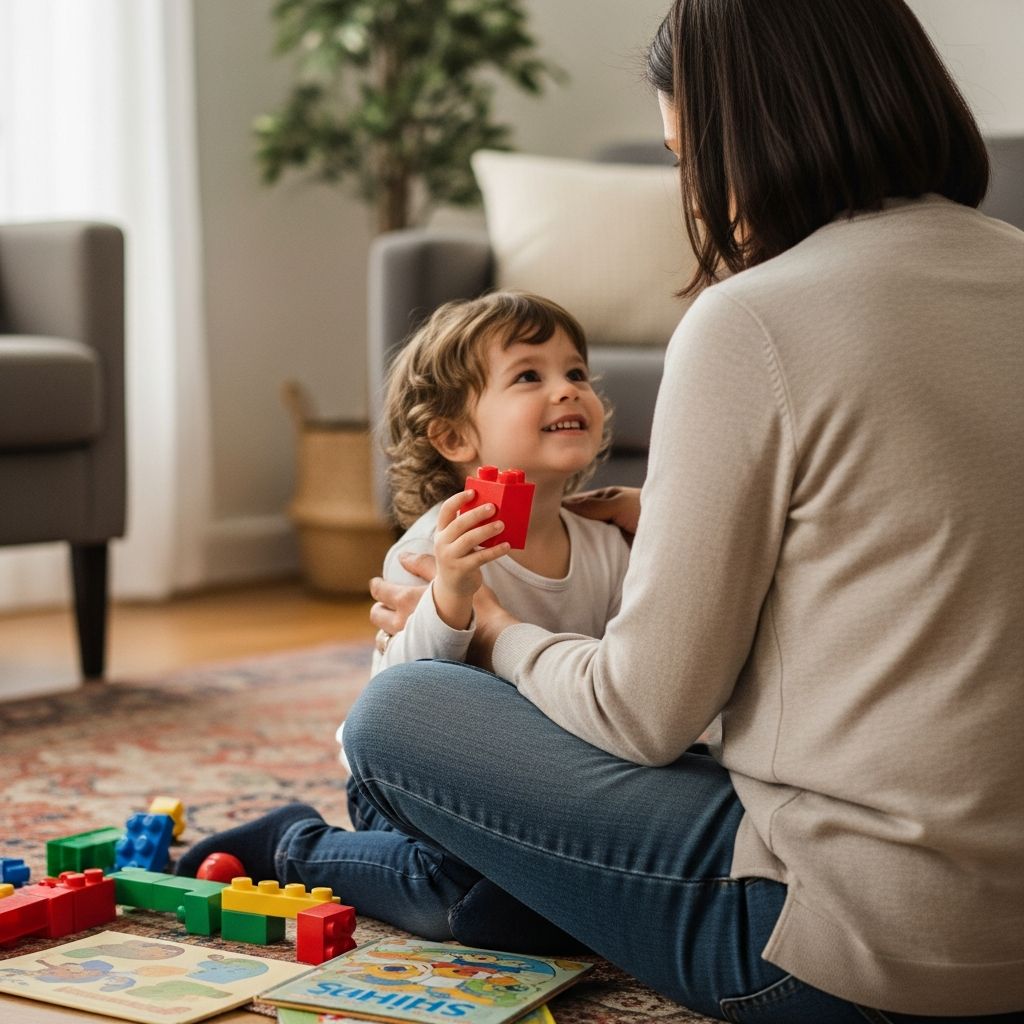
At the heart of effective parenting lies the ‘Four S’s’: **safe**, **seen**, **soothed**, and **secure**. These elements, drawn from attachment theory, form the blueprint for a child’s emotional world.
- Safe: Children feel physically protected, knowing boundaries shield them from harm. This builds trust in the world as a navigable place.
- Seen: Being truly noticed—emotions acknowledged without judgment—validates their inner experience, boosting self-worth.
- Soothed: When distress hits, a parent’s calming presence teaches emotional regulation, turning overwhelm into manageability.
- Secure: Integrating the prior S’s creates an internal sense of stability, where kids learn self-soothing and confidence in relationships.
Providing these doesn’t demand superhuman effort. It’s about predictable responsiveness: showing up during joy, conflict, or tears. Even single parents or those without co-parent support can deliver this, as one consistent figure suffices.
Overcoming Barriers to Being Present
Not everyone finds presence intuitive. Childhood experiences shape our capacity—those raised with emotional distance may struggle to offer it. Work demands, stress, or digital distractions further erode focus. The solution? Intentional practice. Start small: put away devices during meals, maintain eye contact during talks, or pause arguments to reconnect.
Repairs are crucial. Inevitable missteps—like yelling or withdrawing—don’t derail attachment if addressed. A simple ‘I’m sorry, let’s try again’ models accountability and restores connection, strengthening neural pathways for resilience.
Quality Presence vs. Forced Activities
Presence isn’t about constant entertainment. Pretend play, while vital for kids’ skill-building—like role-playing adult tasks—can feel tedious for adults who’ve mastered those skills. Forcing participation breeds resentment, not joy. True connection arises from mutual enjoyment, not obligation.
Play, by definition, sparks recreation and novelty. When parents feign enthusiasm for repetitive games (e.g., endless train routes or doll scenarios), it signals disconnection. Kids sense this, diluting the bond. Instead, pivot to shared delights that energize both.
| Activities to Avoid if Draining | Engaging Alternatives |
|---|---|
| Pretend domestic roles (cooking, driving toys) | Outdoor adventures like nature hikes |
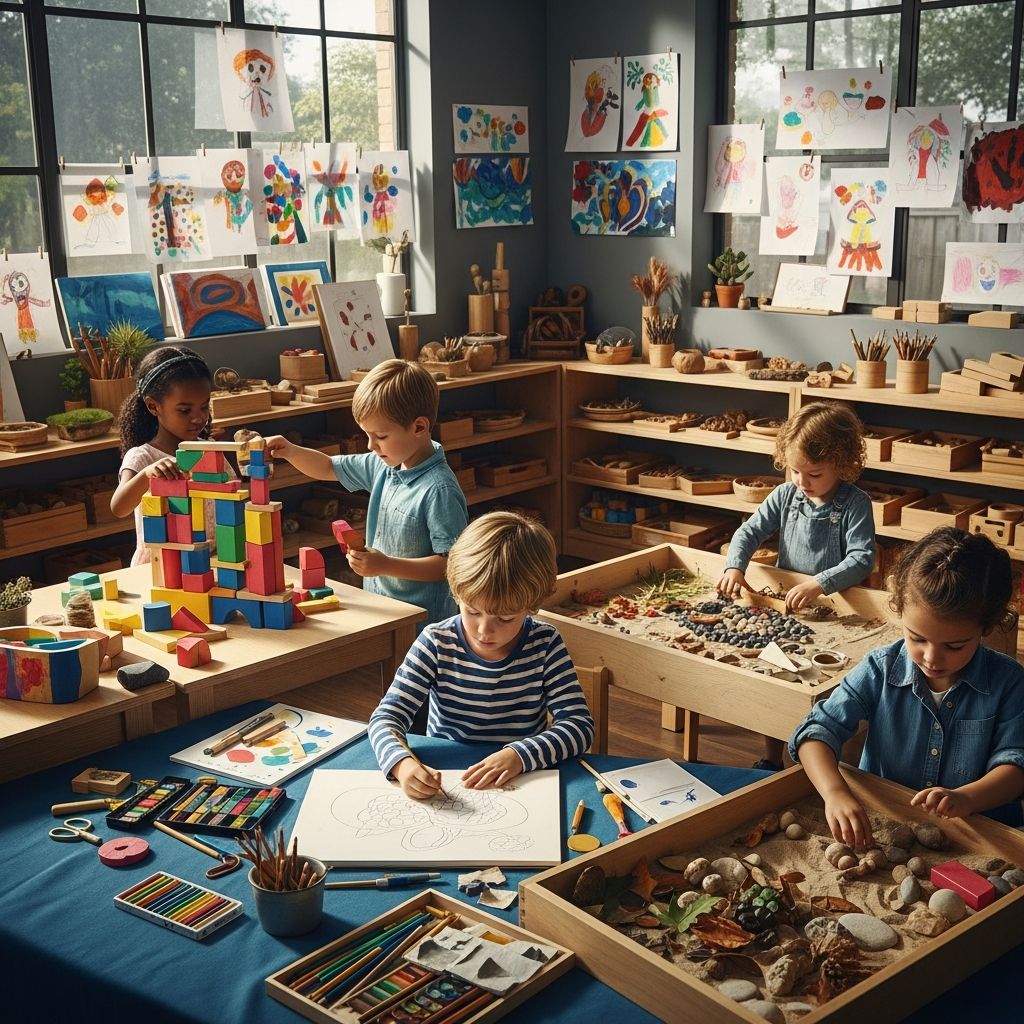
| Repetitive toy manipulations | Creative builds with blocks or art |
| Elaborate fantasy scripts | Board games or reading sessions |
| Cat or animal role-play | Dancing, roughhousing, or biking |
This table highlights shifts toward novelty-driven fun, aligning adult interests with child development needs.
Practical Ways to Cultivate Authentic Connection
Daily life offers endless chances for presence. Here’s how to weave it in:
- Embrace the Moment: During routines like bedtime, focus fully—listen without planning your response. This ‘quality presence’ wires brains for empathy.
- Respond to Bids: Kids’ play invitations are connection pleas. If uninterested, redirect: ‘Let’s build a fort instead!’ Honesty preserves authenticity.
- Incorporate Movement: Physical play like chasing or wrestling releases oxytocin, deepening bonds without scripted roles.
- Practice Mindfulness: Brief breathing exercises before interactions heighten awareness, making you more attuned.
- Schedule Unstructured Time: Let kids lead, observing their world. Your engaged silence speaks volumes.
These habits build ‘relational hunger’ satisfaction, where kids feel prioritized, fostering independence.
The Science Behind Presence
Attachment theory, pioneered by John Bowlby, underpins this. Securely attached children (about 60% in studies) explore boldly, knowing a ‘secure base’ awaits. Insecure patterns—avoidant, anxious, disorganized—stem from inconsistent or absent presence, correlating with later anxiety or withdrawal.
Neurobiologically, presence shapes the brain. Responsive caregiving strengthens prefrontal cortex-amygdala links, enhancing self-regulation. Predictable soothing reduces cortisol spikes, preventing toxic stress. Even in adversity, one present adult buffers genetic or environmental risks.
Navigating Modern Parenting Pressures
Social media amplifies inadequacy, showcasing curated ‘perfect’ families. Counter this by valuing presence over productivity. Ditch enrichment overload if it crowds family time—quality trumps quantity.
For working parents, micro-moments count: a heartfelt goodnight text or weekend rituals. Co-parenting rifts? Focus on your S’s delivery; kids attune to individual reliability.
Long-Term Benefits for Children
Secure kids become secure adults: better mental health, relationships, career trajectories. They self-regulate, empathize, and rebound from setbacks. Parental presence equips them to ‘show up’ for their own futures.
Frequently Asked Questions (FAQs)
What if I’m not naturally good at being emotionally present?
Practice makes progress. Start with short, focused interactions and build. Therapy or parenting books can help rewire patterns from your upbringing.
Do I need to play every game my child wants?
No—authenticity matters. Redirect to fun alternatives like active play or joint hobbies to ensure mutual enjoyment.
Can one parent provide all Four S’s alone?
Yes, research shows one consistent caregiver suffices for secure attachment, even without a partner.
How do I repair after losing my temper?
Acknowledge it calmly: ‘I got upset; that wasn’t fair. How can we fix this?’ This teaches repair and reinforces security.
Is screen time ruining presence?
It can distract, but mindful limits allow tech-free zones for connection. Model presence by device-free dinners.
Empowering Your Parenting Journey
Parenting thrives on presence, not perfection. By prioritizing the Four S’s and authentic engagement, you gift children an empowered foundation. Mistakes happen—repair them with presence. Your consistent ‘showing up’ echoes through their lives, far outlasting any trend.
References
- The Power of Showing Up: How Parental Presence Shapes Who Our Kids Become and How Their Brains Get Wired — Daniel J. Siegel, M.D., and Tina Payne Bryson, Ph.D. 2020-01-16. https://www.tinabryson.com/publications-articles/momcom-when-it-comes-to-parenting-just-showing-up-has-more-power-than-you-think
- I Don’t Play with My Kids, Here’s Why — Parent.com. 2023-01-01. https://www.parent.com/blogs/conversations/2023-dont-play-kids-heres