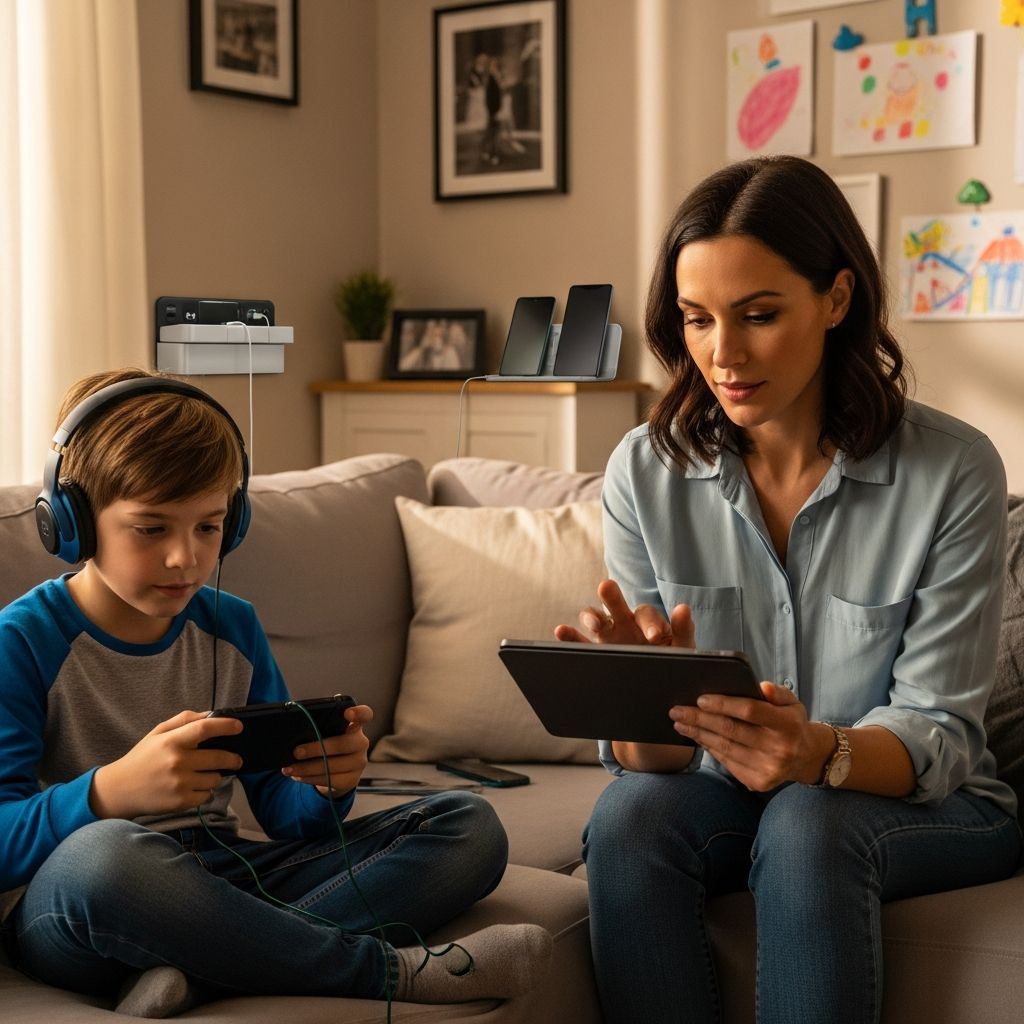
The Digital Landscape of Contemporary Parenting
The intersection of parenting and social media has fundamentally transformed how modern families communicate, share experiences, and build community. What began as simple platforms for connection has evolved into complex ecosystems where parents curate, share, and consume countless images and narratives about family life. Understanding this digital landscape requires recognizing both its benefits and challenges, particularly regarding authenticity and mental wellness.
The proliferation of social platforms dedicated to lifestyle content has created unprecedented opportunities for parents to document milestones, seek advice, and forge meaningful connections with others navigating similar challenges. However, this same accessibility has introduced new pressures and expectations around what family life should look like when viewed through a digital lens.
Understanding the Curated Reality Phenomenon
One of the most significant aspects of modern social media culture is the understanding that what appears online represents carefully selected moments rather than comprehensive representations of daily life. Parents often encounter what appears to be perfectly balanced lives: families traveling extensively, managing multiple children with apparent ease, and maintaining immaculate homes. These glimpses into others’ existences can create a powerful sense of inadequacy or comparison.
The phenomenon of content curation means that social media platforms display the highlight reel of people’s lives rather than their everyday reality. What viewers see are the successful vacation photos, not the travel days filled with delays and frustration. They observe family moments of joy and connection, not the ordinary Tuesday afternoons filled with routine tasks and minor conflicts. Recognizing this distinction is crucial for parents who wish to maintain healthy relationships with these platforms.
This selective presentation of life is not necessarily dishonest or malicious. Rather, it reflects a natural human tendency to share achievements and beautiful moments while keeping more challenging or mundane aspects private. For content creators who have built significant audiences or professional brands around their family narratives, the pressure to maintain a particular image can feel particularly intense.
The Psychological Impact of Constant Comparison
Social media comparison can trigger feelings of inadequacy, guilt, or failure in parents who measure their own efforts against the curated presentations they observe online. A mother might feel insufficient when comparing her home organization to the aesthetically arranged spaces shown by lifestyle influencers. Parents might question their parenting choices when exposed to peers who appear to manage multiple responsibilities effortlessly.
The psychological research surrounding social media use and self-esteem indicates that passive scrolling through others’ content can diminish well-being. When parents consume content without actively engaging or contextualizing what they see, the comparison trap becomes more powerful. The solution involves developing intentional relationships with social platforms and cultivating awareness about the nature of digital content.
Authenticity as a Counterbalance
Many established content creators and influential voices within parenting communities have begun emphasizing authenticity as an important value. This shift represents a recognition that sustainable engagement with social media requires honesty about the messy, complex, and sometimes difficult aspects of family life alongside the beautiful moments. Sharing this fuller picture creates more realistic expectations and builds deeper connections based on genuine experience rather than aspirational fantasy.
Parents who contribute to online spaces face choices about what to share and what to keep private. Some choose to document their struggles as transparently as their successes, creating a more balanced narrative. Others maintain clearer boundaries between their public and private lives. Both approaches can be valid, depending on individual comfort levels and the impact of sharing on family dynamics and personal well-being.
Building Intentional Digital Habits
Developing a healthy relationship with social media as a parent involves making conscious choices about consumption and participation patterns. This might include:
- Setting specific time boundaries for social media engagement rather than allowing browsing to expand throughout the day
- Following accounts that inspire rather than deflate, seeking content that uplifts or provides practical value
- Practicing awareness about emotional responses to content, noticing when scrolling triggers comparison or inadequacy
- Limiting passive consumption in favor of active engagement with genuine connections
- Creating space for offline experiences and relationships that feel more immediate and grounded
- Considering the impact of constant documentation on family privacy and children’s comfort with digital exposure
These practices help parents extract value from social platforms while protecting their mental health and family relationships from potential negative effects of constant comparison and documentation.
The Professional Dimension of Family Content Creation
For some parents, social media has evolved from a personal sharing platform into a legitimate business venture. Building a significant following around lifestyle, design, family experiences, or parenting content can create opportunities for collaborations, product development, and financial revenue. This professional dimension introduces additional complexity to the question of authenticity and balance.
When family content becomes a primary source of income or professional identity, the stakes around curation and consistency increase. Parents in this position must navigate the tension between monetizing their family experience and maintaining genuine connections with their audience. They also face the challenge of protecting family privacy and well-being while building a brand that relies on accessibility and relatability.
Many successful content creators acknowledge the emotional complexity of this situation. They describe the difficulty of sharing challenging moments or admitting struggle when their business depends on maintaining a particular image or brand consistency. The awareness that their content shapes how their family is perceived, both by strangers and potentially by their own children in future years, adds another layer of responsibility.
Evolution of Values in the Digital Age
As parents become more experienced with social media and digital culture, many report shifting their approach to sharing and engagement. Early enthusiasm about documenting every milestone may evolve into more measured participation. Parents who initially felt pressure to maintain consistent content creation often discover that authenticity about their current season of life resonates more powerfully with audiences than attempts to maintain a carefully curated image.
This evolution reflects a broader cultural conversation about digital wellness and the importance of presence in family life. Parents increasingly question whether constant documentation serves their family’s actual well-being or primarily serves external metrics like engagement and followers. Some choose to step back from social platforms entirely, while others find new ways to participate that feel more aligned with their values.
Creating Space for Imperfection and Growth
Intentional social media use can actually create opportunities for parents to normalize struggle and celebrate growth. Sharing about challenges with patience, moments of confusion about parenting decisions, or the reality of managing household chaos can make parenting feel less isolating. These authentic moments often generate the most meaningful engagement and connection because they reflect experiences that many parents privately navigate but rarely see represented in carefully polished content.
By modeling vulnerability and imperfection, content creators can shift cultural narratives around what parenting actually looks like. This creates permission for other parents to release some of the perfectionism that social media culture can intensify, encouraging instead a more compassionate view of the parenting journey with all its inherent challenges and uncertainties.
Balancing Connection with Boundaries
Social media offers genuine value for parents seeking community, practical advice, and connection with others who understand their specific challenges. The ability to find support groups for particular parenting situations, access resources, or simply feel less alone in common struggles represents a real benefit of digital platforms. However, this connection requires healthy boundaries to prevent the platforms from becoming sources of anxiety or inadequacy.
Parents can cultivate this balance by actively choosing their digital community, curating their feeds to reflect people and perspectives they genuinely connect with rather than defaulting to algorithm-recommended content. They can engage intentionally with accounts that inspire or educate them while unfollowing those that trigger comparison or negative feelings. They can participate in conversations that feel meaningful rather than passively consuming content.
Frequently Asked Questions
How can I tell if social media use is negatively affecting my mental health?
Pay attention to your emotional state after scrolling. If you consistently feel inadequate, anxious, or guilty about your parenting or personal life, consider reducing consumption or changing what you follow. Notice whether you spend more time on social media than intended or if it interferes with present moments with family.
Is it wrong to curate my social media presence?
No. All humans curate their self-presentation to some degree. The key is awareness about what you’re presenting and recognizing that your highlights represent only part of your full experience. Transparency about this reality is more important than perfect authenticity.
How do I teach my children about healthy social media use?
Model intentional use yourself. Have conversations about how social media works and how content is curated. Discuss the difference between real life and digital representation. Limit screen time and create family norms around device-free times and spaces.
Can parents build successful businesses through family content?
Yes, many have. However, this requires careful consideration of privacy, family well-being, and the sustainability of monetizing personal experiences. Success involves clear boundaries about what remains private and intentional choices about how family is represented.
What are alternatives to constant social media documentation?
Consider private photo sharing with close family, traditional journaling, or simply being present without documenting. Some parents use social media more selectively, sharing occasionally rather than constantly, which can reduce pressure while maintaining connection with their community.
References
- “The Psychology of Social Media and Mental Health” — American Psychological Association. 2024. https://www.apa.org
- “Digital Wellness for Families: Research and Recommendations” — Common Sense Media. 2025. https://www.commonsensemedia.org/
- “Social Media, Self-Presentation, and Well-Being in Parenting Communities” — Journal of Family Psychology. 2024. https://www.apa.org/pubs/journals/fam/
- “Influencer Culture and Family Privacy: Ethical Considerations” — Media Culture & Society Research Institute. 2025. https://journals.sagepub.com/home/mcs
- “Building Authentic Online Communities in the Parenting Space” — Center for Parent Information and Resources. 2024. https://www.parentcenterhub.org/