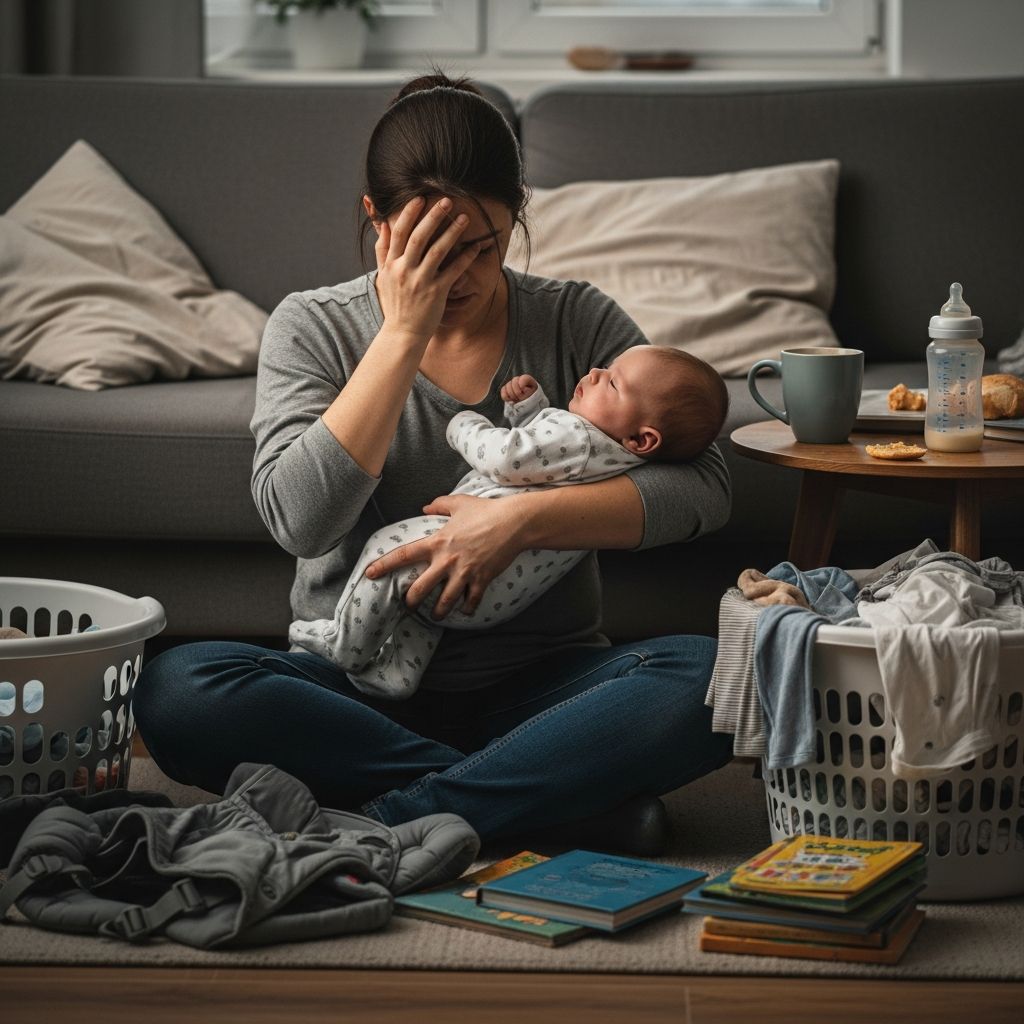
New parents embarking on parental leave often encounter a troubling misconception: that this period is akin to a relaxing getaway. In truth, it represents one of the most demanding phases of life, filled with round-the-clock responsibilities, physical healing, and emotional adaptation. This article delves into the genuine experiences of parents during this time, highlighting why society and workplaces must shift their perspectives to foster genuine support.
The Physical Toll of Childbirth and Recovery
Childbirth triggers profound physiological changes that extend far beyond the delivery room. For birthing parents, the body undergoes immense stress, including tissue repair, hormonal fluctuations, and potential complications like excessive bleeding or infections. Recovery isn’t linear; it demands weeks or months of rest, pain management, and medical check-ins.
Non-birthing parents aren’t exempt. They frequently shoulder caregiving duties, leading to physical exhaustion from lifting, soothing, and managing household tasks amid disrupted sleep. Studies from the U.S. Department of Labor indicate that postpartum recovery can take up to 12 weeks for many, yet inadequate leave policies force premature returns to work.
Sleepless Nights: The Reality of Newborn Care
A newborn’s schedule revolves around feeding every 2-3 hours, diaper changes, and constant monitoring. Parents average just 4-5 hours of fragmented sleep nightly in the first months, according to data from the American Academy of Pediatrics. This chronic deprivation impairs cognitive function, mood stability, and immune response, mirroring symptoms of sleep disorders.
- Frequent night wakings for feeds and comfort.
- Colic or reflux episodes disrupting rest.
- Balancing multiple children’s needs in growing families.
Unlike a vacation’s restorative naps, parental leave offers no such luxury. Every hour is accounted for, leaving little room for personal recharge.
Emotional and Mental Health Struggles
The postpartum period brings a whirlwind of emotions. Hormonal shifts can precipitate baby blues or clinical postpartum depression, affecting 10-15% of new mothers per CDC statistics. Anxiety over infant health, bonding difficulties, and identity shifts compound the stress. Partners may experience similar issues, often termed paternal postpartum depression.
Isolation amplifies these challenges. With social circles shrinking and mobility limited, parents crave connection yet struggle to maintain it. Mental health support during leave is crucial but often overlooked.
Daily Logistics: A Full-Time Job Without Pay
Parental leave transforms parents into 24/7 caregivers, coordinators, and homemakers. Tasks include:
| Task | Daily Time Commitment | Physical Demand |
|---|---|---|
| Feeding (breast or bottle) | 8-12 hours | High (positioning, pumping) |
| Diapering and bathing | 2-4 hours | Moderate |
| Doctor visits and monitoring | 1-2 hours | High (travel, stress) |
| Household maintenance | 3-5 hours | Moderate |
| Self-care and recovery | <1 hour | Essential but rare |
This table illustrates the relentless pace, far from leisurely. No paid overtime, no weekends off—it’s unpaid labor of the highest order.
Workplace Misconceptions and Their Impact
Employers sometimes view leave as ‘time off,’ pressuring returns or questioning commitments. A 2023 Society for Human Resource Management survey found 40% of managers admit misunderstanding parental leave’s demands. This leads to resentment, stalled careers, and higher turnover among parents.
Real stories abound: parents fielding work emails at 3 AM or facing promotion denials post-leave. Such attitudes undermine family stability and workforce retention.
Global Perspectives on Parental Leave
Countries like Sweden offer 480 days of paid leave, shared between parents, correlating with higher gender equity and child well-being per OECD reports. The U.S. lags with no federal paid mandate, relying on FMLA’s unpaid 12 weeks for eligible workers. This disparity affects maternal health outcomes, with American mothers facing higher postpartum complication rates.
Progressive policies normalize leave as investment in human capital, yielding long-term economic benefits through healthier families and productive workers.
Building Supportive Environments for Returning Parents
Employers can bridge gaps by:
- Providing paid leave exceeding legal minimums.
- Offering flexible re-entry ramps like part-time schedules.
- Training teams on parental realities to curb biases.
- Integrating lactation support and mental health resources.
Companies like Patagonia exemplify success, boasting low parental attrition via generous policies.
Personal Strategies for Thriving on Leave
Parents can optimize their experience:
- Assemble a village: Enlist family, friends, or doulas.
- Prioritize sleep shifts with partners.
- Practice self-compassion; perfection isn’t required.
- Track milestones to celebrate small wins.
Journaling or apps for mood tracking aid mental health vigilance.
The Long-Term Stakes: Why It Matters
Inadequate leave support perpetuates inequality, particularly for low-income and minority families. Enhanced policies could reduce child poverty by 20%, per Urban Institute analysis, fostering generational mobility.
Reframing parental leave as vital labor honors parents’ contributions and builds resilient societies.
Frequently Asked Questions
How long does physical recovery from childbirth typically take?
Most parents need 6-8 weeks for basic healing, but full recovery can span 3-6 months, varying by delivery type and complications. Consult healthcare providers for personalized timelines.
Is parental leave paid in the United States?
No federal paid leave exists; some states like California offer partial pay via insurance. Employer policies vary widely.
Can parental leave harm career progression?
It can if unsupported, but equitable policies mitigate this. Many thrive post-leave with proper accommodations.
What are signs of postpartum mental health issues?
Persistent sadness, anxiety, irritability, or detachment. Seek help via hotlines like Postpartum Support International.
How can employers better support returning parents?
Through phased returns, pumping rooms, and bias training to normalize family responsibilities.
(Word count: 1678)
References
- Family and Medical Leave Act (FMLA) Overview — U.S. Department of Labor. 2023-01-01. https://www.dol.gov/agencies/whd/fmla
- Postpartum Care Guidelines — American College of Obstetricians and Gynecologists (ACOG). 2023-06-15. https://www.acog.org/clinical/clinical-guidance/committee-opinion/articles/2018/08/optimizing-postpartum-care
- Parental Leave Policies and Child Well-Being — Organisation for Economic Co-operation and Development (OECD). 2024-03-20. https://www.oecd.org/els/family/parental-leave-policies.htm
- Postpartum Depression Statistics — Centers for Disease Control and Prevention (CDC). 2024-02-14. https://www.cdc.gov/reproductivehealth/maternalinfanthealth/PerinatalDepression.htm
- State of Workplace Parental Leave Policies — Society for Human Resource Management (SHRM). 2023-11-10. https://www.shrm.org/topics-tools/research/2023-employee-benefits-survey