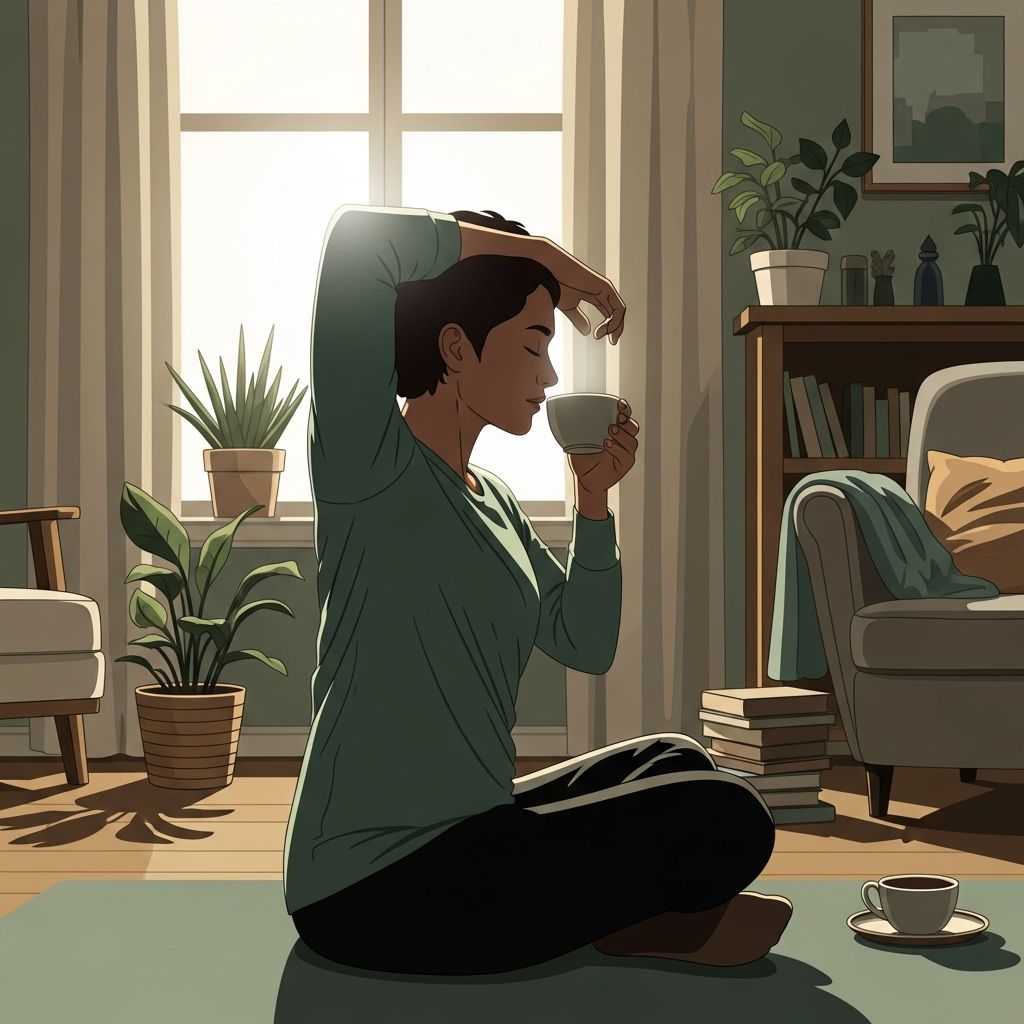
Understanding Parental Exhaustion and the Need for Intentional Wellness
Parental exhaustion extends far beyond simple tiredness. It encompasses emotional depletion, mental fatigue, and the cumulative stress of managing countless responsibilities without adequate breaks or personal restoration. When parents operate continuously in a state of deficit, their capacity to engage meaningfully with their children diminishes, their relationships suffer, and their physical health deteriorates. Research consistently demonstrates that parents who prioritize their own wellness demonstrate improved emotional regulation, better decision-making, and more patient interactions with their families.
The challenge facing modern parents is not the absence of self-care strategies but rather the practical implementation of wellness practices within the constraints of demanding schedules and limited resources. This article presents a comprehensive collection of accessible, low-cost, and time-efficient wellness approaches that acknowledge the real limitations parents face while providing concrete pathways to renewal and energy restoration.
Establishing a Reflective Practice Through Written Expression
One of the most powerful yet underutilized wellness tools available to parents is the practice of written reflection. Unlike meditation or exercise, which require specific conditions or equipment, writing demands only paper and pen, making it accessible anywhere and anytime a moment of solitude appears.
Stream-of-consciousness journaling involves writing continuously without censoring thoughts, organizing ideas, or worrying about grammar and structure. This practice serves multiple psychological functions simultaneously. First, it externalizes the thoughts and worries circulating in your mind, creating physical distance between you and your concerns. Second, the act of writing itself engages different neural pathways than thinking alone, often leading to insights and problem-solving that would not emerge through contemplation. Third, reviewing what you have written reveals patterns in your thinking, emotional triggers, and recurring stressors that might otherwise remain invisible.
Beyond traditional journaling, parents benefit from structured reflection practices. Writing a brief letter to your future self, creating a one-line-a-day record of meaningful moments, or documenting three items you feel grateful for each day all provide similar benefits with different focal points. These practices require minimal time investment—even five to ten minutes yields measurable benefits—yet produce meaningful shifts in perspective and emotional resilience.
Harnessing Sensory Input for Rapid Nervous System Regulation
The nervous system responds powerfully to sensory stimulation, offering parents immediate tools for stress reduction and emotional reset. Unlike interventions requiring sustained effort or external resources, sensory practices work quickly and can be integrated into existing routines.
Auditory experiences represent one accessible avenue for nervous system regulation. Music selection matters significantly—uplifting songs with positive messaging, music from meaningful periods in your life, or culturally resonant rhythmic music all activate different neural responses. Research indicates that engaging fully with music, rather than using it as background ambiance, produces stronger physiological benefits. This might involve closing your eyes, focusing on specific instruments or lyrics, or allowing your body to respond through gentle movement.
Olfactory and tactile sensations also offer rapid pathways to calm. Scented candles, essential oil diffusion, hand lotions with pleasant fragrances, or simply stepping outside to experience natural air all engage your olfactory system. Similarly, engaging with textures—wrapping yourself in a soft blanket, changing into comfortable clothing, running warm water over your hands, or receiving a brief massage—communicates safety and comfort to your nervous system.
Visual input deserves equal attention. Reviewing photographs that trigger joy, observing natural landscapes, studying the details of your child’s face, or engaging in coloring activities all provide gentle visual stimulation that can interrupt stress cycles and redirect attention toward sources of meaning and pleasure.
Deepening Connection Through Intentional Relational Engagement
Parental exhaustion often intensifies through isolation, creating a vicious cycle where fatigue limits social interaction, which compounds emotional depletion. Deliberately cultivating connection—both with peers and with children—represents an essential wellness practice, not a luxury.
Adult connection requires intentional scheduling in ways that many parents find uncomfortable but necessary. Committing to uninterrupted time with close friends, whether through coffee outings, phone conversations, dinner gatherings, or outdoor walks, provides multiple benefits. These interactions offer opportunities to process experiences with individuals who understand parental challenges, receive validation for your struggles, and experience yourself as an individual separate from your parental identity. The quality of connection matters more than duration; even brief focused interactions without distractions or competing demands provide substantial psychological benefits.
Parent-child connection, while demanding, also provides significant wellness benefits for parents when approached with intentionality. Creating special one-on-one experiences with individual children—whether through low-key activities like creating art together, exploring nature, or attending local recreational events—reinforces your sense of purpose, strengthens family bonds, and creates memories that combat parental fatigue. These experiences need not be expensive or elaborate; the differentiating factor is the quality of presence and attention.
Acts of service toward others paradoxically restore depleted parents. Whether through small gestures like preparing a meal for family members, engaging in community service, contacting elected representatives about issues you care about, or answering questions online for others facing similar challenges, serving beyond your immediate family reestablishes your sense of competence and contribution beyond the parental role.
Creating Physical Spaces That Support Rest and Restoration
Environmental factors significantly influence capacity for genuine rest. Parents often neglect their physical spaces, assuming that creating comfortable environments represents a luxury rather than a wellness necessity.
Designated rest areas provide psychological permission for relaxation. This might involve creating a cozy corner with blankets and pillows, establishing a bathroom sanctuary where you can lock the door and take a shower in silence or with relaxing music, or simply claiming the couch for a designated rest period. The act of physically separating yourself from the demands of the household, even temporarily, signals to your mind that rest is acceptable and prioritized.
Comfort modifications cost little but provide substantial benefit. Changing into soft, comfortable clothing early in the day, lighting a candle or diffusing essential oils, adjusting lighting to be softer and less stimulating, or playing gentle background music all transform the physical environment to support restoration rather than activation.
Implementing Mindfulness and Breathwork Practices
Mindfulness and focused breathing practices offer parents tools for interrupting stress cycles and creating mental clarity without requiring significant time commitments.
Deep breathing engages the parasympathetic nervous system, which is responsible for rest and recovery responses. Taking three to five intentional deep breaths, focusing fully on the breath without allowing the mind to wander to worries or tasks, produces measurable physiological changes including lowered heart rate and reduced stress hormone levels. This practice requires no equipment and takes only minutes, making it feasible during brief pauses throughout your day.
Guided meditation, whether through apps or online platforms, provides structured support for directing attention and achieving mental calm. Even five to ten minutes of guided meditation produces benefits, though many parents find longer sessions during specific times—such as early morning before household demands begin—yield stronger results.
Visualization practices engage your mind’s capacity to imagine calm and restorative scenarios. Whether through guided visualization of natural settings, personal memories of peaceful moments, or imagined future scenarios, this practice redirects mental energy from worry cycles toward experiences of safety and tranquility.
Incorporating Physical Movement and Body-Based Wellness
Physical activity benefits parental wellness through multiple mechanisms: stress hormone reduction, endorphin release, improved sleep quality, and enhanced mood regulation. Parents need not commit to intensive exercise programs; diverse movement approaches offer benefits.
Yoga practice combines physical movement, breathwork, and mindfulness in integrated formats. Online yoga classes ranging from five to thirty minutes allow parents to engage at whatever intensity and duration fits their schedule. Evening classes can support better sleep, while morning practices establish calm and centeredness for the day ahead.
Walking and outdoor movement provide accessible activity that fits easily into existing routines. Walking alone offers time for reflection and mental processing, while walking with others creates connection and movement simultaneously. Proximity to natural settings—whether forests, water, or parks—amplifies the restorative benefits of movement.
Stretching and gentle bodywork address physical tension that accumulates during stressful parenting phases. Shoulder rolls, neck stretches, foot massage, and intentional muscle tension and release practices all communicate care toward your body and interrupt tension patterns.
Pursuing Creative and Expressive Outlets
Engaging in creative activities activates different neural networks than those involved in parenting and household management, providing genuine cognitive rest while creating satisfying results.
Coloring and doodling offer immediate creative engagement without requiring artistic skill or extensive time commitment. Whether through adult coloring books or children’s coloring pages done alongside your child, this activity provides both relaxation and a sense of completion that many parents find deeply satisfying.
Music creation, whether through learning an instrument, singing, or curating playlists of meaningful songs, engages your brain’s creative centers while connecting you to joy and emotional expression. Creating a playlist of songs that calm you or energize you according to your needs provides a tool you can return to repeatedly.
Writing practices beyond traditional journaling include writing letters to your future self, documenting brief daily observations, or recording thoughts about your week. These practices provide similar benefits to journaling while potentially feeling less burdensome.
Addressing Rest and Sleep Defits
Many exhausted parents operate under chronic sleep deprivation, which amplifies all other stressors and undermines well-being. Deliberately prioritizing sleep represents one of the highest-impact wellness interventions available.
Power napping during the day, even for 15-20 minutes, can significantly restore energy and cognitive function. If daytime napping is feasible when your children rest or engage in independent play, this represents an accessible restorative practice.
Early bedtime practices involve reserving specific nights for prioritized sleep, letting go of evening tasks and household expectations, and going to bed immediately after children are settled. This practice communicates to yourself that sleep is a legitimate priority.
Sleep preparation involves creating conditions that support quality rest: consistent bedtimes, darkness, white noise, comfortable bedding, and limiting screen exposure before sleep all enhance sleep quality and duration.
Incorporating Gratitude and Positive Mindset Practices
Deliberate attention to what you appreciate, rather than what overwhelms you, reshapes your mental landscape and improves emotional resilience.
Gratitude documentation, whether through writing three items daily, photographing things you appreciate, or simply mentally noting three good things about your day, trains your attention toward abundance rather than scarcity. This practice produces cumulative effects on mood and perspective.
Positive self-reflection involves deliberately identifying strengths and qualities you appreciate about yourself, your children, and your family. Parents often focus exclusively on failures and shortcomings; intentionally documenting positive attributes counterbalances this natural bias.
Future-oriented thinking through identifying three things you anticipate with pleasure shifts mental focus from current stressors to sources of hope and positive expectation.
Boundary-Setting and Permission-Giving Practices
Many exhausted parents struggle with boundary-setting, particularly around refusing additional commitments and protecting their limited time and energy.
Deliberate refusal of non-essential tasks, obligations, and requests protects your already-depleted reserves. Practicing saying no to one extra commitment daily, whether small or large, reinforces your right to prioritize your wellness.
Permission-giving statements—whether spoken aloud or written—help many parents overcome guilt around self-care. Explicitly telling yourself “I deserve rest,” “My wellness matters,” or “Taking time for myself makes me a better parent” provides psychological permission that guilt-driven parenting often denies.
Practical Integration Strategies
The challenge with comprehensive wellness guidance involves integration into realistic schedules. Consider these approaches:
- Identify five practices that resonate most strongly and rotate them throughout your week rather than attempting all simultaneously
- Schedule specific times for wellness practices just as you would any other commitment
- Combine practices—listen to uplifting music while taking a walk, engage in stretching while watching a favorite show, or color while talking with a friend
- Start with practices requiring minimal setup or time, building gradually toward more elaborate wellness routines
- Share your wellness commitments with a partner, friend, or family member who can support your follow-through
Frequently Asked Questions
Q: How much time do I need to dedicate to self-care to see benefits?
A: Even five to ten minutes of intentional practice daily produces measurable benefits. The consistency and quality of your attention matter more than duration. Brief but regular practices often prove more sustainable for busy parents than occasional longer interventions.
Q: Is self-care selfish when my children need my attention?
A: No. Parental wellness directly enhances your capacity to provide patient, emotionally-regulated care. Parents operating under chronic depletion demonstrate reduced patience, higher stress responses, and diminished emotional availability. Prioritizing your restoration ultimately benefits your entire family.
Q: What if I feel guilty taking time for myself?
A: Guilt often reflects internalized messaging that parental needs are illegitimate or secondary. Recognizing that you model healthy self-care for your children, that your wellness enables better parenting, and that your needs matter inherently can help counter guilt responses.
Q: How do I maintain wellness practices when life becomes chaotic?
A: During high-stress periods, simplify to your most accessible practices—perhaps deep breathing or brief walks—rather than abandoning wellness entirely. Even minimal self-care maintains your connection to the practice and allows relatively easy resumption when circumstances stabilize.
Q: Can these practices help with postpartum depression or clinical anxiety?
A: While these practices support general wellness, clinical mental health conditions require professional evaluation and treatment. Use these strategies alongside professional care rather than as replacements for therapy or medical intervention.
References
- Mindfulness-Based Stress Reduction and Parental Well-Being — American Psychological Association. 2024. https://www.apa.org/science/about/psa/mindfulness
- The Impact of Sleep Deprivation on Parental Stress and Child Outcomes — National Institutes of Health. 2024. https://www.ncbi.nlm.nih.gov/pmc/articles/PMC8268914/
- Social Connection and Mental Health in Parents — Centers for Disease Control and Prevention. 2024. https://www.cdc.gov/mentalhealth/data-research/social-connection.html
- Therapeutic Effects of Creative Activities on Stress Reduction — Journal of American Art Therapy Association. 2023. https://www.aata.org/research
- Exercise and Mood Regulation in Adults — National Library of Medicine. 2024. https://www.ncbi.nlm.nih.gov/pmc/articles/PMC8042321/
- Gratitude and Psychological Resilience Research — Greater Good Science Center, University of California Berkeley. 2024. https://greatergood.berkeley.edu/article/item/why_gratitude_is_good