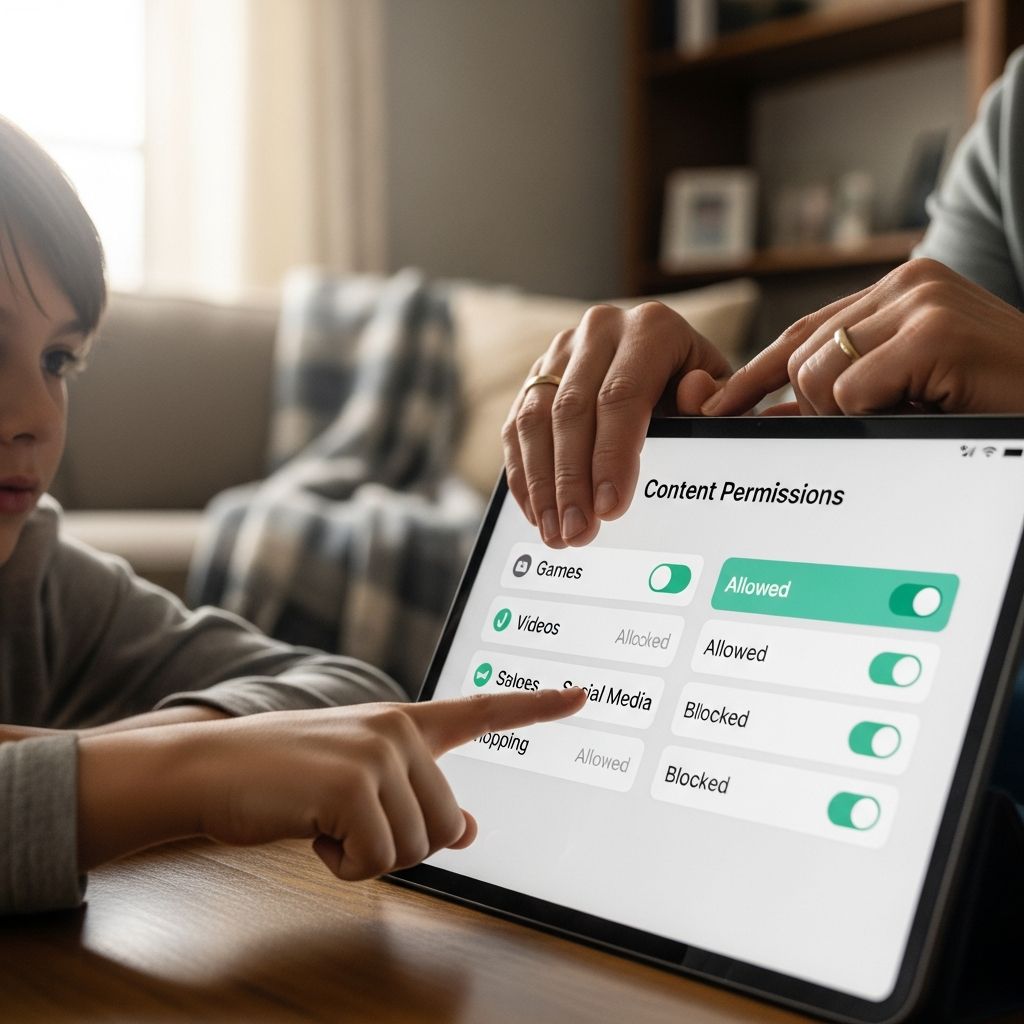
Parents often want to contribute stories, images, or insights about their children’s health and development to educational platforms, blogs, or support communities. Understanding permission protocols ensures these shares respect privacy, comply with laws, and protect young ones from unintended exposure. This guide outlines practical steps for secure and responsible sharing.
Understanding the Need for Permissions
When parents consider submitting content featuring their children—such as photos, videos, or personal anecdotes—to online health resources or parenting sites, clear authorization becomes essential. This protects minors who cannot consent themselves and aligns with ethical standards upheld by child welfare organizations. Permissions clarify usage rights, preventing misuse by third parties.
Key motivations include raising awareness about pediatric issues, supporting other families, and contributing to medical education. However, without proper protocols, shares risk violating privacy regulations like those from the Children’s Online Privacy Protection Act (COPPA), enforced by the U.S. Federal Trade Commission. Parents must weigh benefits against potential long-term digital footprints for their kids.
Types of Content Requiring Approval
Not all shares demand formal permissions, but those involving identifiable minors do. Categories include:
- Photographs and Videos: Any visual media showing a child’s face, body, or distinctive features.
- Personal Narratives: Stories detailing medical conditions, treatments, or family experiences that could identify the child.
- Medical Details: Descriptions of diagnoses, therapies, or outcomes linked to a specific youngster.
- Names and Locations: Full names, school info, or hometowns that enable tracing.
Anonymous contributions sidestep some needs, but visuals rarely qualify as unidentifiable. Platforms prioritize these to foster trust and avoid legal pitfalls.
Step-by-Step Permission Process
Gaining valid consent follows a structured approach:
- Initial Contact: Reach out via designated forms or emails provided by the site, detailing proposed content.
- Review Guidelines: Read platform-specific rules on acceptable materials and usage scopes.
- Sign Forms: Complete written releases specifying perpetual or limited rights.
- Provide Proof: Submit ID if required to verify guardianship.
- Follow Up: Confirm receipt and publication timelines.
This methodical path minimizes rejections and ensures smooth integrations. Delays often stem from incomplete submissions.
Essential Elements of Permission Forms
Robust forms cover critical aspects to safeguard all parties. A typical structure includes:
| Section | Purpose | Example Wording |
|---|---|---|
| Child’s Details | Identifies the minor | “Name: [ ], Age: [ ], Relation: Parent/Guardian” |
| Content Description | Specifies materials | “Photos/videos/stories of [condition/event]” |
| Usage Rights | Defines permissions | “Irrevocable right to publish/edit/distribute worldwide” |
| Duration | Sets time frame | “Indefinite or until [date]” |
| Compensation | Clarifies payments | “No payment or [amount] provided” |
| Liability Release | Protects publisher | “Hold harmless from claims arising from use” |
| Signature | Validates consent | “Signed: [ ] Date: [ ]” |
These components ensure clarity and enforceability. Parents should retain copies for records.
Photo and Video Submission Rules
Visuals demand extra caution due to permanence online. Guidelines emphasize:
- High-resolution, clear images without watermarks.
- No alterations post-submission.
- Contextual relevance to health topics.
- Exclusion of other minors without their permissions.
- Consent for edits like cropping or anonymizing.
Submit in standard formats (JPEG, PNG for stills; MP4 for videos) with captions explaining relevance. Platforms may resize for web optimization.
Navigating Privacy and Anonymity Options
Balancing visibility with protection involves choices like blurring faces, using silhouettes, or pseudonyms. Parents can request:
- Full Anonymity: No names, locations, or identifiers.
- Partial Disclosure: Initials or ages only.
- Post-Publication Changes: Rarely granted, but possible for errors.
Discuss these upfront. Once live, content permanence underscores careful initial decisions. Health sites often anonymize by default for sensitive topics like mental health or rare diseases.
Legal Considerations for Parents
Familiarity with laws fortifies submissions. In the U.S., COPPA mandates verifiable parental consent for kids under 13’s data collection. Globally, GDPR equivalents apply. Key notes:
Right of Publicity: Controls commercial use of likenesses.
Defamation Risks: Avoid unsubstantiated claims.
International Variations: Check local rules for cross-border shares.
Consult legal experts for complex cases, like ongoing litigations or adoptions. Platforms indemnify against standard uses but not parental misrepresentations.
Common Mistakes and How to Avoid Them
Pitfalls derail good intentions:
- Incomplete Forms: Double-check all fields.
- Expired Permissions: Use current dates.
- Over-Sharing: Limit to necessary details.
- Ignoring Edits: Approve changes in advance.
- Forgetting Siblings: Secure multi-child consents.
Proofread submissions and seek feedback from trusted peers.
Benefits of Contributing with Proper Permissions
Approved shares amplify impact:
- Empower other families with relatable experiences.
- Advance pediatric research through aggregated insights.
- Build community support networks.
- Educate professionals on real-world scenarios.
Many platforms offer recognition, like bylines or thank-yous, enhancing parental advocacy.
Alternatives to Formal Submissions
Not ready for platforms? Consider:
| Option | Pros | Cons |
|---|---|---|
| Private Blogs | Full control, no permissions needed | Limited reach |
| Support Forums | Anonymous sharing | Less permanence |
| Social Media | Quick, personal networks | Privacy risks |
| Local Groups | Face-to-face trust | No digital archive |
These suit initial testing before broader exposure.
Frequently Asked Questions (FAQs)
Can I withdraw permission after publication?
Most platforms allow requests, but removal isn’t guaranteed due to caches and shares. Discuss revocation policies beforehand.
Do I need permission for every photo in a series?
Yes, each distinct image or video requires individual approval to cover variations.
What if my child is a teenager—do they consent too?
For 13+, some sites seek assent alongside parental sign-off, respecting growing autonomy.
Is compensation ever offered?
Rarely for user content; focus on non-monetary impacts like awareness.
How long does review take?
Typically 2-6 weeks, varying by volume and complexity.
Future Trends in Parental Content Sharing
Emerging tech like AI moderation and blockchain consents promise streamlined, tamper-proof processes. Parents will see more user-friendly apps for submissions, with enhanced privacy tools like auto-anonymization. Stay updated via pediatric associations.
(Word count: 1678)
References
- Search Engine Optimization (SEO) Starter Guide — Google Developers. 2023-10-01. https://developers.google.com/search/docs/fundamentals/seo-starter-guide
- Children’s Online Privacy Protection Act (COPPA) — Federal Trade Commission (FTC). 2024-05-15. https://www.ftc.gov/legal-library/browse/rules/childrens-online-privacy-protection-rule-coppa
- Enhance Your Article’s Visibility: A Guide to SEO — Wiley. 2023-08-20. https://www.wiley.com/en-us/publish/editor-insights/enhance-your-article-s-visibility-a-guide-to-seo/
- SEO Tips for Content Writing — USAGov Blog. 2024-02-12. https://blog.usa.gov/seo-tips-for-content-writing
- The Complete Guide to Optimizing Content for SEO — Search Engine Land. 2024-11-05. https://searchengineland.com/seo-content-optimization-guide-445084
- General Data Protection Regulation (GDPR) — European Commission. 2023-01-01. https://gdpr.eu/