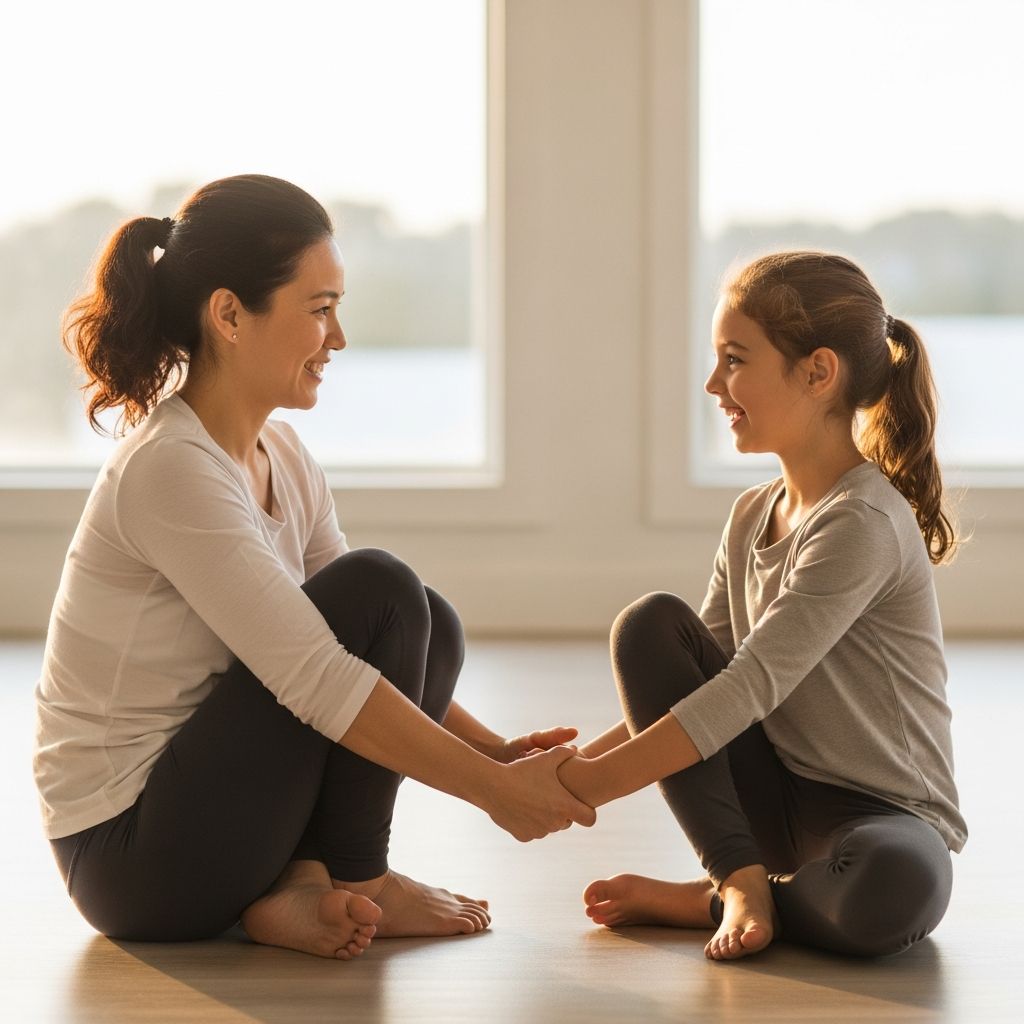
Creating Meaningful Moments Through Shared Movement
In today’s fast-paced world, finding quality time with your children can feel challenging. Parent-child yoga offers a unique solution that combines physical activity, emotional connection, and mindful presence in one accessible practice. Unlike traditional exercise routines that feel disconnected or demanding, yoga with your little ones transforms physical movement into an opportunity for bonding, laughter, and mutual support. This practice works for families at any fitness level, requiring no prior experience or special equipment beyond a comfortable space and an open heart.
The beauty of practicing yoga together lies in its dual benefits: while strengthening your body and improving flexibility, you simultaneously nurture your relationship with your children. Each pose becomes a conversation without words, a moment where you and your child move in synchronization, trust one another, and celebrate achievements together. Whether your children are toddlers discovering their bodies for the first time or school-aged kids developing coordination and strength, yoga offers something valuable for every age and stage.
Understanding the Foundation: Why Yoga Works for Families
Yoga transcends being merely an exercise practice—it serves as a tool for emotional regulation, body awareness, and interpersonal connection. When parents and children practice together, they create a shared language of movement and breath. Children observe their parents engaging in self-care, learning that wellness matters and that slowing down has value. Simultaneously, parents gain insight into their children’s physical capabilities, emotional states, and developing confidence.
The practice emphasizes breath awareness, which calms the nervous system for both participants. This physiological response helps reduce stress and anxiety, creating a natural environment for deeper connection. Additionally, partner poses require communication, trust, and adjustment—skills that transfer beyond the yoga mat into daily family interactions. When a child helps their parent maintain balance or when a parent supports their child through a challenging pose, both experience the satisfaction of collaborative achievement.
Foundational Poses for Every Age and Stage
Beginning your family yoga journey works best with poses that feel intuitive and accessible. These foundational movements require minimal instruction and provide immediate benefits.
Synchronized Breathing Practice
Before moving into physical poses, establish a connection through synchronized breathing. Sit facing each other in a comfortable cross-legged position, holding hands or placing hands on each other’s heart. Inhale together for a count of three to four, then exhale slowly through your mouth. Continue this pattern for five to ten rounds. This simple exercise synchronizes your nervous systems and brings immediate calm and presence to your shared practice. It works beautifully with children of any age and requires no physical flexibility or strength.
Mirrored Mountain and Movement Poses
Standing face-to-face with your child about arm’s length apart, practice basic standing positions. Start in mountain pose—feet hip-width apart, arms at your sides—and simply mirror each other’s movements. From this foundation, you can transition into gentle side stretches, forward folds, or standing twists. This mirroring technique helps younger children develop body awareness while entertaining older kids who enjoy the challenge of precise imitation. The practice builds coordination and allows both of you to observe and appreciate each other’s growing capability.
Partner Poses That Build Trust and Strength
Once you’ve established comfort with basic movements, introduce poses designed specifically for two participants. These poses require communication, trust, and mutual support—elements that strengthen both your bodies and your relationship.
Back-to-Back Connection and Support
Sit on the floor with your child positioned behind you, both with bent knees and feet flat. Lean your back gently against your child’s back, aligning your spines. Start by taking deep breaths together, feeling the rise and fall of each other’s back. From this supported position, you can gently round forward together, stretching your hamstrings and lower back, or sit upright and practice synchronized breathing. This pose works wonderfully during transitions in your day—perhaps during a busy morning before heading out, or in the evening as you wind down together. The physical contact combined with synchronized breath creates a profound sense of safety and closeness.
Seated Forward Extension
Sit on the floor facing your child with knees bent and toes touching. Hold each other’s hands firmly. Both of you slowly lean backward simultaneously, pressing the soles of your feet together and lifting your legs into a V-shape. Engage your core muscles and maintain an upright spine as you use each other to balance. Adjust your hand position and leg extension as needed to find stability. This challenging pose works particularly well for children ages five and older, as it requires enough coordination and core strength to maintain the position safely. The mutual balance point teaches children that everyone has strengths to contribute and that working together creates possibilities neither could achieve alone.
Downward Dog Variations
One parent enters downward-facing dog position—hands shoulder-width apart, feet hip-distance apart, creating an inverted V-shape with your body. Your child then crawls underneath you or alongside you, exploring the space you’ve created. For added challenge, have your child pass under your body while you maintain the pose, or position your child so they mirror your pose directly underneath you. This variation appeals to children’s playful nature while strengthening your arms, shoulders, and legs. The imaginative element of creating tunnels or exploring spaces beneath your body makes the physical challenge feel like a game rather than exercise.
Reclining Lift and Flight
Lie flat on your back with knees bent. Your child stands just in front of your feet. Place your feet on the front of your child’s hips and grasp their hands firmly. Engage your core and slowly lift your legs, raising your child into the air to balance on your feet. Maintain a strong grip on their hands for safety throughout the pose. For older children who can help balance themselves, encourage them to extend their arms and imaginatively “fly” like an airplane. Hold this position for fifteen seconds and repeat two to three times. This pose provides an excellent core and leg workout for parents while giving children the exhilarating sensation of being lifted and supported. The trust required creates deep emotional connection alongside physical benefit.
Restorative Poses for Calm and Connection
Not all yoga focuses on strength and challenge. Restorative poses invite slowing down, deepening relaxation, and creating space for gentle physical contact and emotional presence.
Supported Child’s Pose
Begin in a kneeling position with knees wide and buttocks resting on your heels. Place your hands on the ground and slowly slide them forward, stretching your arms and back as much as feels comfortable while keeping your buttocks on your heels. Once settled, invite your child to lie back-to-back against you, with their head resting on your upper back. Align your spines and encourage your child to relax completely into your support. Take slow, deep breaths together in this position for one to two minutes. This pose offers exceptional benefits for parents who carry tension in their shoulders and back while providing children with the comfort of physical closeness and complete support. The extended hold time allows your mind and your child’s mind to settle into deeper relaxation.
Side-by-Side Spinal Twist
Stand side-by-side with your child, feet hip-width apart, with hips touching. Place your inside arms around each other for support and extend your outer arms out to the side. Slowly twist toward each other, allowing your outside arm to gently wrap behind your back and deepening the stretch. Keep your hips squared toward each other throughout the hold. Maintain this position for thirty seconds on each side. This pose offers an excellent spinal stretch while maintaining physical connection through the inside arm embrace. Use this moment to incorporate partner breathing exercises, enhancing the feelings of cooperation and closeness the pose naturally creates.
Progressive Practice Recommendations
Begin your family yoga practice with just five to ten minutes, gradually extending the duration as everyone becomes more comfortable. Consistency matters more than duration—practicing fifteen minutes three times weekly provides more benefit than ninety minutes once monthly. Choose a consistent time that works for your family, whether that’s morning before school, after school as a transition time, or evening as part of your bedtime routine.
Start each practice with synchronized breathing to center yourselves. Progress to two or three poses that feel manageable, holding each for the recommended duration. End with a restorative pose and a few minutes of quiet sitting together. This simple structure prevents overwhelm while ensuring you experience the full spectrum of benefits—energizing, challenging, and calming.
Creating Your Ideal Practice Environment
You need minimal setup to begin practicing yoga with your children. Clear a space large enough for both of you to move comfortably without bumping into furniture or other obstacles. A yoga mat or simply a clean carpet or rug provides cushioning for comfortable practice. Wear comfortable, flexible clothing that allows free movement. Most importantly, approach your practice with playfulness rather than perfectionism. If a pose feels uncomfortable or your child loses interest, simply move on or modify the position to suit everyone’s needs.
Frequently Asked Questions
At what age can children begin practicing yoga with parents?
Children can begin exploring basic poses and breathing practices from infancy, though more structured practice typically begins around age two or three. Start with simple movements, synchronized breathing, and brief holding times. As children mature and develop better coordination and focus, you can introduce more challenging poses and longer practice sessions. Even toddlers benefit from the physical closeness and attentional focus that parent-child yoga provides.
What if my child isn’t interested in holding poses for the suggested duration?
Interest and attention span vary by child and by day. Start with very short holds—just a few seconds—and gradually increase duration as your child becomes more engaged. Make the practice playful by adding imagination (pretending to be animals, flying through the air, or creating magical scenarios). If your child wants to skip a pose entirely, honor that preference and move on. The goal is building positive associations with movement and connection, not forcing compliance.
Do I need to be flexible or experienced with yoga to practice with my children?
Not at all. Parent-child yoga requires no prior experience or particular flexibility level. Children learn by watching and following your movements, not by judging your technique. Your willingness to move alongside your child, laugh at imperfect attempts, and prioritize connection over perfection models important values. Many parents discover that practicing with their children helps them become more consistent with their own yoga practice.
Can parent-child yoga replace traditional exercise?
Parent-child yoga provides wonderful benefits for flexibility, balance, and basic strength development. However, children also benefit from more vigorous cardiovascular activity and varied movement experiences. Consider parent-child yoga as one component of a comprehensive approach to family wellness that also includes outdoor play, sports, dance, or other activities your family enjoys.
How often should we practice for noticeable benefits?
Practicing two to three times weekly typically yields noticeable improvements in flexibility, balance, and family connection within two to three weeks. Benefits continue accumulating with consistent practice, though even occasional practice provides value. Consistency matters more than intensity, so regular brief sessions outweigh sporadic longer sessions.
References
- 10 Fun Partner Yoga Poses for Moms and Kids — Stelle World. Accessed April 2, 2026. https://stelleworld.com/blogs/lifestyle-and-holiday-news/easy-kid-yoga-poses-for-2
- 6 Easy Mommy & Me Yoga Poses to Try at Home, Mama — Motherly. Accessed April 2, 2026. https://www.mother.ly/health-wellness/fitness/mommy-and-me-yoga-poses/
- Mommy and Me Yoga Poses: 10 Moves to Try — Bubbles Academy. Accessed April 2, 2026. https://bubblesacademy.com/mommy-and-me-yoga-poses/
- Partner Yoga Poses For Moms and Kids — Yo Re Mi Kids. Accessed April 2, 2026. https://www.yoremikids.com/news/partner-yoga-poses-for-mommy-and-me
- 10 Fun & Easy Yoga Poses You Can Do as a Family — Chronicles of a Mom Montessorian. Accessed April 2, 2026. https://chroniclesofamomtessorian.com/10-fun-easy-yoga-poses-you-can-do-as-a-family/
- Mom & Toddler Yoga | Poses to Try — Marette Flora. Accessed April 2, 2026. https://maretteflora.com/mom-toddler-yoga-poses-to-try/
- Partner Yoga Poses – Parent & Child Yoga Bonding — YouTube. Accessed April 2, 2026. https://www.youtube.com/watch?v=mE9ZXtbbRxo