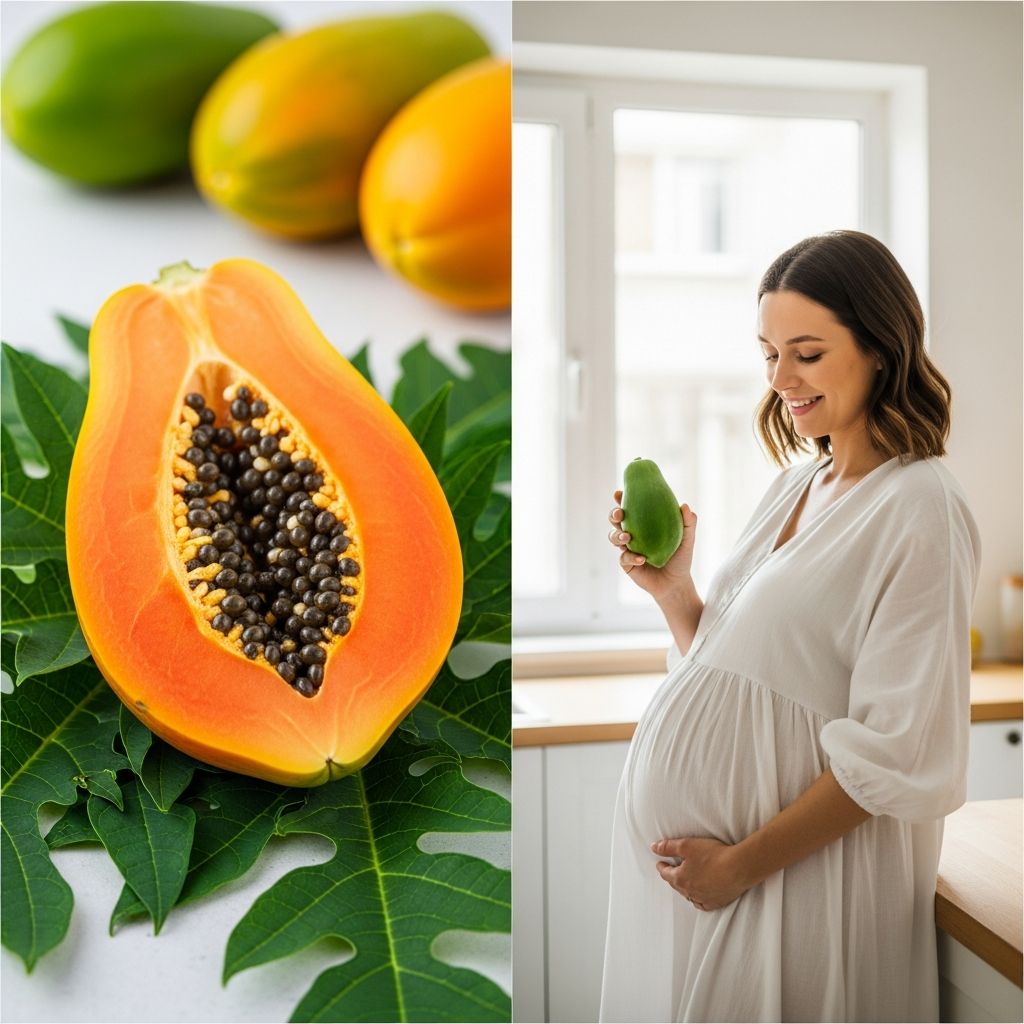
Papaya, a tropical fruit prized for its sweet flavor and vibrant orange flesh, often raises questions among expectant mothers about its place in a pregnancy diet. While ripe papaya can deliver valuable vitamins and aid digestion, unripe versions contain compounds that may trigger uterine activity, making discernment essential.
Understanding Papaya’s Dual Nature: Ripe Versus Unripe
Papaya’s safety hinges on ripeness. Ripe papaya features soft, yellow-orange skin and juicy, sweet flesh with minimal latex, the milky sap linked to pregnancy concerns. In contrast, unripe papaya is green, firm, and laden with latex, including enzymes like papain and chymopapain that mimic labor-inducing hormones.
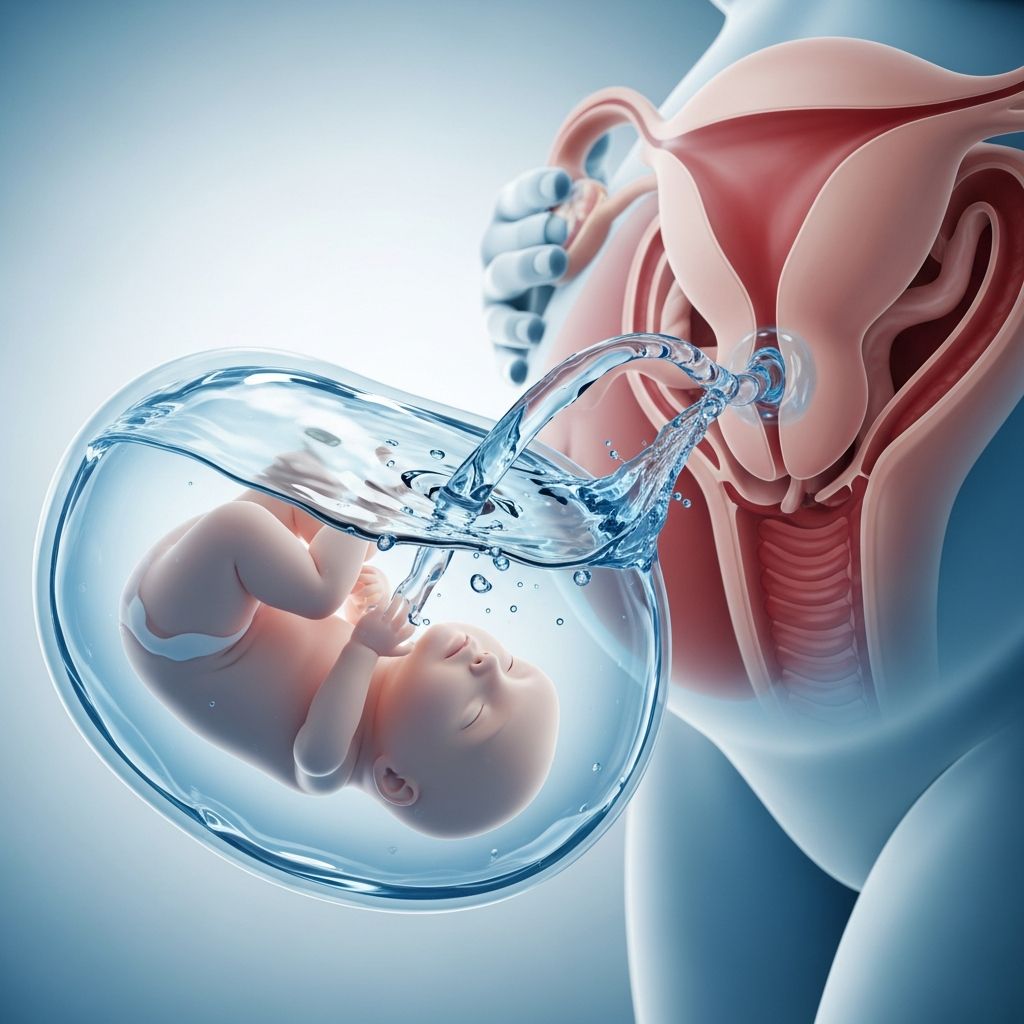
These enzymes act similarly to prostaglandins and oxytocin, potentially causing irregular contractions that threaten early pregnancy stability or lead to preterm labor later on. Animal studies and traditional observations highlight papain’s uterotonic effects, though human data remains limited, prompting caution.
Nutritional Profile of Ripe Papaya for Expectant Mothers
Ripe papaya stands out as a nutrient powerhouse suitable for pregnancy when eaten moderately. A single cup provides over 100% of daily vitamin C needs, supporting immune function and collagen formation crucial for fetal skin and vessel development.
- Vitamin A (as beta-carotene): Promotes vision, immune health, and placental growth without excess risk in ripe form.
- Folate: Essential for neural tube development, reducing birth defect risks when paired with other sources.
- Fiber: Eases constipation, a common pregnancy woe, by softening stools and regulating bowels.
- Potassium and Magnesium: Help manage blood pressure and reduce leg cramps.
- Antioxidants: Combat oxidative stress, potentially lowering inflammation.
These elements make ripe papaya a refreshing addition to smoothies, salads, or standalone snacks, enhancing overall maternal wellness.
Potential Risks Tied to Unripe or Semi-Ripe Papaya
Consuming unripe papaya introduces latex, which can provoke several complications. Primarily, it stimulates uterine contractions by emulating labor hormones, heightening miscarriage odds in the first trimester when the embryo is most vulnerable.
| Risk Factor | Description | Stage of Pregnancy Affected |
|---|---|---|
| Uterine Contractions | Papain triggers prostaglandin-like activity, risking preterm labor or miscarriage. | First and third trimesters |
| Fetal Membrane Weakening | Enzymes may degrade protective tissues, impairing development. | Early pregnancy |
| Placental Issues | Possible hemorrhage or edema from vascular pressure. | Later stages |
| Excessive Bowel Activity | Fiber overload increases abdominal pressure, potentially destabilizing the uterus. | All trimesters |
| Allergic Reactions | Latex sensitivity could cause inflammation or anaphylaxis. | Any stage |
Women with prior miscarriages, IVF pregnancies, or diabetes face amplified risks, as papain might disrupt implantation or blood sugar control. Semi-ripe papaya, appearing ripe externally but firm inside, retains residual latex, warranting avoidance.
Papaya Through the Trimesters: Tailored Guidance
First Trimester Priorities
Early pregnancy demands utmost caution. The forming placenta and embryo are sensitive; even trace latex could hinder implantation or cause bleeding. Steer clear of all papaya unless confirmed fully ripe, prioritizing other folate-rich foods like leafy greens.
Second Trimester Balance
Mid-pregnancy allows moderate ripe papaya intake. Its digestive benefits alleviate heartburn and bloating, while vitamins bolster fetal growth spurts. Limit to 1-2 cups weekly to monitor tolerance.
Third Trimester Considerations
As delivery nears, ripe papaya’s fiber combats swelling and constipation, but excess might overstimulate bowels. Avoid entirely if labor signs appear, as any contraction risk is undesirable.
Incorporating Papaya into a Pregnancy-Safe Diet
To enjoy papaya benefits minus risks:
- Select fruits with predominantly yellow-orange skin, yielding gently to thumb pressure.
- Wash thoroughly and remove skin/seeds before eating.
- Start with small portions (1/2 cup) to assess digestion.
- Pair with protein like yogurt for balanced glycemic impact.
- Opt for homemade smoothies over juices to retain fiber.
Alternatives include mangoes, berries, or cooked carrots for similar nutrients without latex concerns.
Juice, Seeds, and Leaves: What to Know
Papaya juice from ripe fruit is generally fine in moderation, offering hydration and vitamins, but unpasteurized versions risk bacteria. Seeds possess contraceptive properties in high doses; consume sparingly if at all. Leaves, used in some remedies, concentrate papain and should be avoided.
Expert Perspectives and Research Insights
Healthcare providers universally advise against unripe papaya, citing its emmenagogue (menstruation-promoting) effects. While ripe papaya lacks robust contraindications, moderation prevails due to sparse large-scale human trials. The National Institutes of Health notes mild contractions’ impact on endometrial receptivity, reinforcing first-trimester abstinence from risky forms.
Consult your obstetrician, especially with allergies, gestational diabetes, or high-risk factors, for personalized advice.
Frequently Asked Questions About Papaya in Pregnancy
Can ripe papaya prevent miscarriage?
No, it doesn’t prevent miscarriage but supports nutrition safely when ripe. Unripe poses the opposite risk.
How much ripe papaya is too much during pregnancy?
1-2 servings (about 1 cup total) per week is ideal to avoid digestive upset or sugar spikes.
Does cooking unripe papaya neutralize risks?
Cooking reduces papain activity but doesn’t eliminate latex fully; best avoided.
Is papaya enzyme safe in supplements for pregnant women?
Papain supplements are discouraged due to concentrated effects; stick to food sources if approved by a doctor.
Can papaya help with pregnancy constipation?
Yes, ripe papaya’s fiber and enzymes gently promote regularity without the hazards of unripe varieties.
Conclusion: Informed Choices for Maternal Health
Papaya can enhance a pregnancy diet if ripe and moderated, offering digestive relief and vital nutrients. Vigilance against unripe forms prevents potential harm, empowering expectant mothers with knowledge for optimal outcomes. Always prioritize professional medical guidance alongside these insights.
References
- Can Pregnant Women Eat Ripe Papaya? — Vinmec. 2023. https://www.vinmec.com/eng/blog/can-pregnant-women-eat-ripe-papaya-en
- Papaya in Pregnancy: Is There Risk of Miscarriage? — SCI IVF Hospital. 2024. https://www.sciivf.com/blog/is-it-safe-to-eat-papaya-during-pregnancy
- Papaya in Pregnancy – Is it good or bad? — Pristyn Care. 2024. https://www.pristyncare.com/blog/papaya-in-pregnancy-pc0101/
- Is Papaya Good for Pregnancy?: Complete Safety & Diet Tips — Prashanth Fertility. 2024. https://prashanthfertility.com/blog/is-papaya-good-for-pregnancy/
- Papaya in Pregnancy: Is There Risk of Miscarriage? — Healthline. 2023-10-12. https://www.healthline.com/health/papaya-in-pregnancy
- Is Papaya Safe to Eat While Pregnant? — Happiest Baby. 2024. https://www.happiestbaby.com/blogs/pregnancy/papaya-during-pregnancy
- Papaya In Pregnancy: Is It Safe Or Harmful? — Megawecare. 2023. https://www.megawecare.com/good-health-by-yourself/pregnancy/papaya-in-pregnancy