Bringing a new life into the world is a profound milestone, but for countless mothers, this joy unfolded against the backdrop of a global health crisis. The COVID-19 pandemic reshaped every aspect of early parenthood, from hospital protocols to family support networks. This article delves into the raw, unfiltered experiences of these resilient women, drawing inspiration from shared narratives to illuminate the highs, lows, and unexpected silver linings.
Navigating Birth in a World on Pause
The arrival of a baby during lockdowns meant sterile hospital environments stripped of visitors. Quiet hallways and intimate labor rooms became the norm, offering a cocoon-like intimacy for some. One mother described her delivery as a serene bubble amid chaos, with just her partner present to witness the miracle. Yet, this peace came at a cost: the absence of grandparents, siblings, and doulas left many feeling profoundly alone.
Hospital policies evolved rapidly. Restrictions on support persons varied, but many facilities limited attendance to one companion. For 96% of expectant parents, hospital births remained the choice despite these shifts, as data showed adaptations like enhanced screening and spaced-out units. Skin-to-skin contact persisted as a priority, even as separation loomed for COVID-positive cases—a rare but heart-wrenching protocol affecting only those with confirmed or suspected infections.[10]
- Key Changes in Labor and Delivery: Mask mandates, temperature checks, and virtual prenatal visits.
- Emotional Impact: Mixed feelings of excitement and dread, like butterflies clashing with a heavy pit in the stomach days before due dates.
- Positive Surprises: Undivided partner attention and peaceful post-birth recovery rooms.
The Isolation of Newborn Days
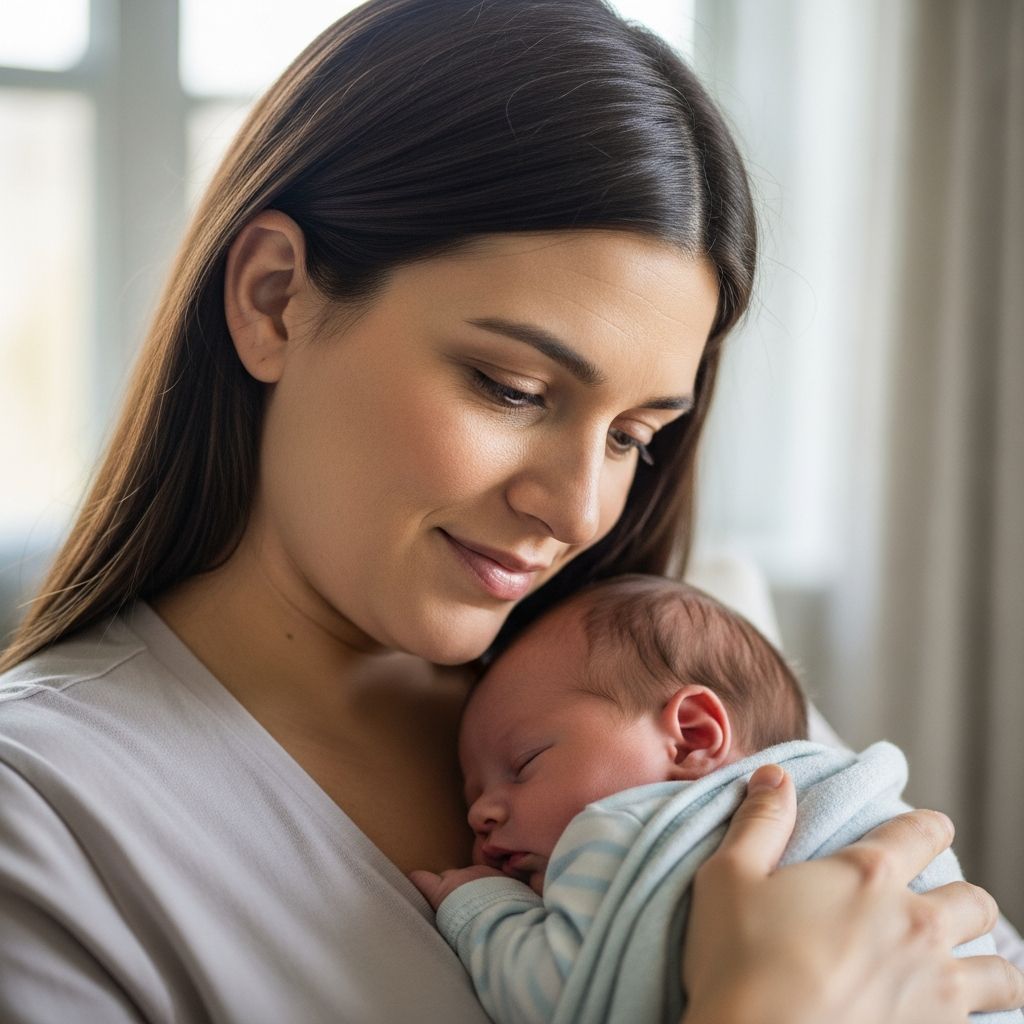
Postpartum life in quarantine amplified the already intense newborn phase. New moms faced sleep deprivation without the village traditionally on hand. One parent recounted meticulous planning for the early weeks, only to find pandemic realities—stay-at-home orders and social distancing—rendered those plans obsolete. Diaper changes, feedings, and soothing cries happened in echoing homes, with video calls substituting hugs from loved ones.
Raising a newborn under quarantine meant mastering self-reliance. Mothers juggled breastfeeding challenges, colic, and their own healing without in-person lactation consultants or pediatric check-ins. Essays from this era capture the exhaustion: constant vigilance against germs, limited outings, and the mental load of monitoring news alongside baby cues.
| Challenge | Common Experience | Adaptation Strategy |
|---|---|---|
| Social Isolation | No family visits or playgroups | Virtual baby showers and FaceTime grandparent sessions |
| Mental Health Strain | Anxiety over health risks | Online therapy and mom support forums |
| Logistics | Grocery runs with infant | Curbside pickup and meal kits |
| Partner Dynamics | Full-time remote work at home | Shift parenting schedules |
Mental and Emotional Rollercoaster
Anxiety shadowed many pregnancies. Expectant mothers oscillated between prenatal excitement and pandemic fears—worries about NICU separations or community spread. One new mom shared her battle with birth-related anxiety, finding solace in mindfulness and reframing positives like quality family time. The fight-or-flight response kicked into overdrive, blending baby prep with crisis survival.
Grief emerged for lost milestones: baby showers canceled, maternity photoshoots postponed, and newborn announcements via Zoom. Yet, resilience shone through. Partners stepped up as primary support, fostering deeper bonds. Some found unexpected blessings in slower paces—no rushing to schedules, just pure presence with their little ones.
Long-Term Ripples on Family Planning
The pandemic didn’t just alter births; it influenced decisions to conceive. Reports indicate a ‘birth decline,’ with an estimated 60,000 fewer U.S. babies than projected, as economic uncertainty and health fears deterred expansions. Mothers who postponed dreamed of the siblings their families might have welcomed under normal circumstances.
Years later, these pandemic babies—now toddlers—represent a generation shaped by masks, remote routines, and parental adaptability. Studies from health organizations note lasting impacts on maternal mental health, with higher postpartum depression rates linked to isolation (though peer-reviewed data emphasizes early intervention’s role).
Finding Joy Amid Adversity
Not all stories dwell in hardship. Videos and accounts capture light in the chaos: a partner filming every push, resulting in cherished home videos of a daughter’s arrival. Quiet bonding moments became treasures—marathon cuddles without interruptions, partners mastering swaddles overnight.
- Unplanned gifts: Stronger co-parenting teams and tech-savvy grandparents.
- Creative rituals: Backyard blessings replacing church christenings.
- Personal growth: New moms emerging more intuitive and empowered.
Lessons for Future Parents
Reflecting on this era equips today’s families. Build flexible birth plans, prioritize mental health resources, and cultivate virtual networks. Hospitals have retained some pandemic innovations, like telehealth follow-ups, blending safety with accessibility.
Pandemic parenthood tested limits but revealed profound strength. These mothers didn’t just survive; they thrived, turning global turmoil into intimate family origins.
Frequently Asked Questions
Were hospital births safe during the pandemic?
Yes, hospitals implemented strict protocols like PPE and testing, with most parents opting for facility births despite changes.
How did isolation affect newborn care?
It intensified self-reliance but fostered closer partner bonds and creative adaptations like online support groups.
Did the pandemic lead to more home births?
No, data shows minimal shift; 96% stuck with hospitals, countering early speculations.
What mental health tips helped moms cope?
Focusing on positives, virtual connections, and professional help mitigated anxiety effectively.
Are there lasting effects on pandemic babies?
Early data suggests adaptive parenting styles, with emphasis on resilience-building from official health guidelines.
References
- Delivering a Baby in a Pandemic was a Blessing — Motherly. 2020. https://www.mother.ly/birth/giving-birth-during-a-pandemic/
- Kayleigh on her anxiety about giving birth during a pandemic — Motherly. 2020. https://www.mother.ly/motherhood-understood/kayleigh-on-her-anxiety-about-giving-birth-during-a-pandemic/
- Having a Newborn During a Pandemic is Hardest Thing — Motherly. 2020. https://www.mother.ly/covid/child-covid/newborn-during-pandemic-is-hardest-thing/
- This is birth: A hospital birth during a pandemic — Motherly. 2020. https://www.mother.ly/video/this-is-birth/a-hospital-birth-during-a-pandemic/
- The Truth About Raising a Newborn in Quarantine — Motherly. 2020. https://www.mother.ly/covid/raising-a-newborn-in-quarantine/
- 96% of pregnant people still planning hospital births despite pandemic — Motherly. 2020. https://www.mother.ly/life/hospital-birth-pandemic/
- The Pandemic Robbed Me of My Dream for Another Baby — Motherly. 2021. https://www.mother.ly/pregnancy/pandemic-birth-decline/