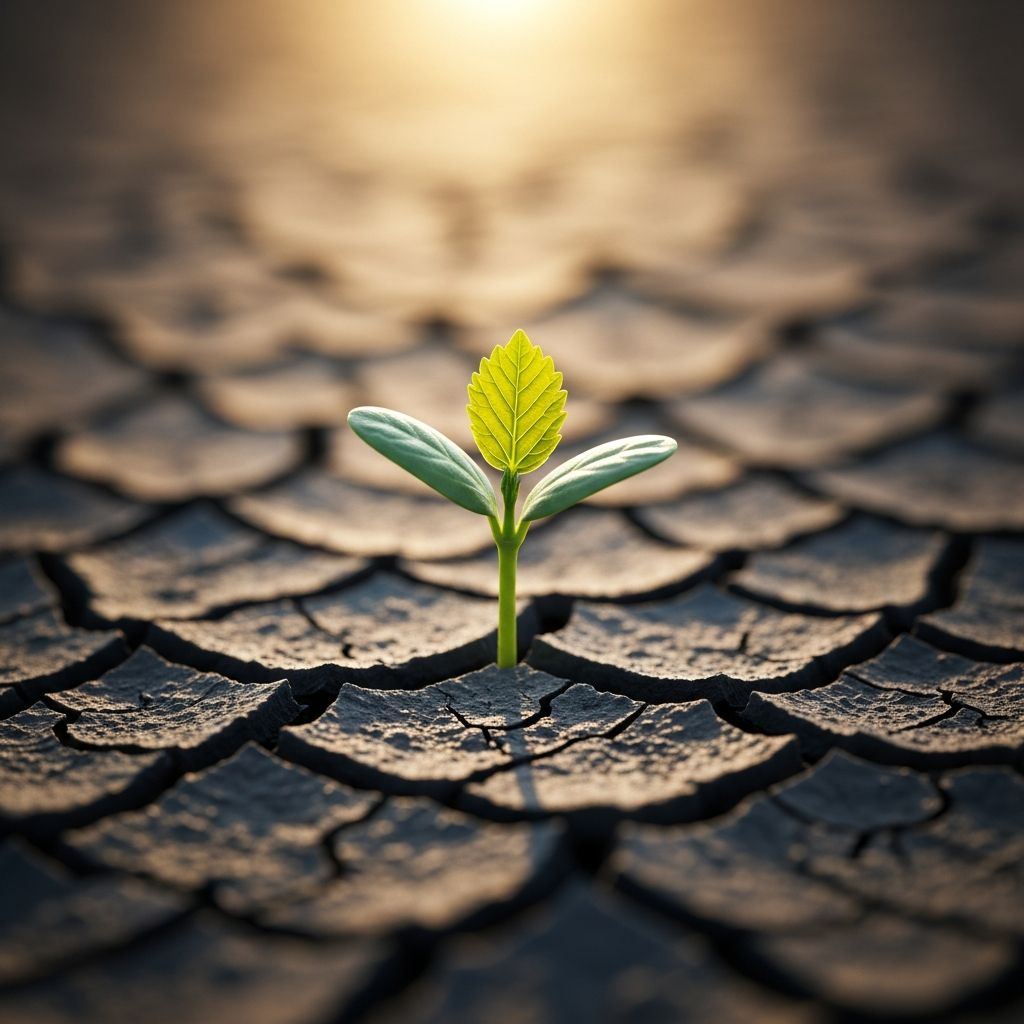
Exhaustion from prolonged global health crises has become a widespread reality, blending physical tiredness with deep emotional strain. This fatigue often stems from repetitive routines, uncertainty, and disrupted lifestyles, creating a cycle that’s hard to break. Yet, this very exhaustion can serve as a pivotal moment for reevaluating priorities and implementing sustainable improvements in health, relationships, and daily habits.
Understanding the Roots of Pandemic Exhaustion
Pandemic fatigue differs from ordinary tiredness by combining physical depletion with psychological weariness. Physically, people report disrupted sleep, poor nutrition, and sedentary habits exacerbated by lockdowns and remote work. Emotionally, constant uncertainty about the future fuels anxiety, while monotonous days blend into one another, eroding motivation.
Experts distinguish between normal sleepiness, which rest can resolve, and pathological fatigue linked to illness or chronic stress. For many, staying up late scrolling screens or irregular eating patterns worsen the issue. Women, caregivers, and those with pre-existing mental health conditions often experience it more intensely due to added responsibilities.
- Key Contributors: Repetitive daily structures without variety.
- Sleep Disruptions: Late-night screen time and inconsistent bedtimes.
- Emotional Load: Anxiety from unpredictable news cycles.
- Physical Factors: Reduced movement and imbalanced diets.
Physical Manifestations and Health Impacts
The body responds to prolonged stress with low energy levels, even after rest. Vaccinations or mild infections can leave lingering tiredness, while broader lifestyle shifts like longer workdays in home offices amplify this. Sleep specialists note that pathological sleepiness requires medical evaluation, as it may signal underlying conditions beyond simple fatigue.
| Type of Fatigue | Symptoms | Common Causes | Initial Remedies |
|---|---|---|---|
| Physical Tiredness | Constant drowsiness, muscle weakness | Poor sleep hygiene, inactivity | Consistent bedtime, balanced meals |
| Mental Exhaustion | Brain fog, lack of focus | Anxiety, overstimulation | Scheduled breaks, outdoor walks |
| Emotional Burnout | Irritability, detachment | Isolation, grief | Mindfulness practices, social connections |
Addressing these early prevents escalation into burnout, a state where stress overwhelms coping mechanisms.
The Psychological Dimensions of Fatigue
Mental fatigue arises from anxiety and depression intertwined with pandemic life. The brain craves predictability, but endless ‘what ifs’ drain cognitive resources. Behavioral fatigue, a decline in adherence to health guidelines over time, stems from boredom and overload, affecting compliance with masking or distancing.
Sensory overload from virtual meetings adds to this; constant ‘on-camera’ presence heightens exhaustion. Psychologists recommend breaking tasks into small steps to build accomplishment and reduce overwhelm.
Building Resilience: Practical Strategies
Resilience isn’t innate but cultivated through deliberate actions. Start with sleep hygiene: set fixed bedtimes, avoid screens pre-bedtime, and prioritize nutrition. Short walks outdoors release endorphins, clearing mental fog and enhancing focus.
For emotional resilience, embrace discomfort rather than awaiting perfect conditions. Small wins, like completing a single task, foster momentum. Adaptive distractions, such as hobbies or virtual connections for genuine relationships, counter isolation without numbing avoidance.
- Establish Routines: Anchor days with consistent wake-up times and meal schedules.
- Incorporate Movement: Daily 20-minute walks to stimulate positive brain chemistry.
- Limit Digital Overload: Turn off cameras in non-essential calls; schedule device-free hours.
- Cultivate Gratitude: Journal three daily positives to shift mindset.
- Seek Connections: Prioritize meaningful interactions over passive scrolling.
Reframing Fatigue as a Turning Point
What if this exhaustion signals outdated habits begging for upgrade? The pandemic exposed vulnerabilities in work-life balance, community support, and personal health practices. Use it to audit lifestyles: Are routines serving long-term goals? Forward-thinking individuals leverage such crises for growth, pivoting toward fulfilling pursuits.
Post-pandemic recovery demands intentional redesign. Families grieving losses or ambiguous separations benefit from anticipatory coping, acknowledging emotions without paralysis. This mindset shift turns survival mode into thriving preparation.
Nutrition and Lifestyle Overhauls for Energy
Fuel matters as much as rest. Pandemic habits often skew toward comfort foods, depleting energy. Emphasize whole foods: vegetables, proteins, and hydration combat sluggishness. Intermittent fasting or timed eating stabilizes blood sugar, curbing mid-day crashes.
Combine with micro-habits like standing desks or stretch breaks to counter sedentary traps. Studies affirm these tweaks yield measurable vitality gains within weeks.
Social Media’s Double-Edged Role
Digital platforms amplify fatigue via doom-scrolling but offer connection potential. Mindful use—curating feeds for inspiration, joining support groups—mitigates loneliness. Research shows healthy online engagement strengthens bonds, buffering stress.
Long-Term Wellbeing Frameworks
Sustainable change integrates resilience training. Mindfulness apps, breathwork, or therapy normalize mental health maintenance. Communities fostering shared experiences reduce isolation’s toll. Policymakers note effective governance aids recovery, underscoring collective responsibility.
Track progress with journals: note energy levels, mood shifts, and habit adherence. Adjust quarterly to sustain momentum.
Frequently Asked Questions
How long does pandemic fatigue typically last?
It varies by individual factors like age and support systems, often persisting months post-peak restrictions. Consistent strategies accelerate recovery.
Can exercise worsen fatigue initially?
Light activities like walking energize; overexertion fatigues. Start slow, building to 150 minutes weekly as tolerated.
Is pandemic fatigue a sign of depression?
It can overlap; persistent symptoms warrant professional assessment to differentiate and treat effectively.
What role does diet play in overcoming exhaustion?
Nutrient-dense meals stabilize energy; avoid sugar spikes. Hydration alone boosts alertness significantly.
How to support family members experiencing fatigue?
Encourage open talks, share loads, and model healthy routines without judgment.
Embracing the New Normal
Pandemic fatigue, though draining, illuminates paths to enriched living. By addressing physical, mental, and emotional layers with targeted actions, individuals emerge stronger. This crisis catalyzes not just survival, but profound personal evolution—prioritizing what truly nourishes body and spirit.
References
- Pandemic exhaustion is different from just feeling tired — The Philadelphia Inquirer. 2021-03-25. https://www.inquirer.com/philly-tips/covid-exhaustion-fatigue-tips-20210325.html
- Resilience and Wellbeing Strategies for Pandemic Fatigue in Times of COVID-19 — PMC / National Library of Medicine. 2022. https://pmc.ncbi.nlm.nih.gov/articles/PMC9523176/
- “COVID-19 is a Wake Up Call” — Hyphen Magazine. 2020-12. https://hyphenmagazine.com/essays/2020/12/covid-19-wake-up-call
- Covid-19: The Wake-Up Call (Tom Enders, John Micklethwait) — YouTube / Economist Events. 2021. https://www.youtube.com/watch?v=WXRwa0qO0eE