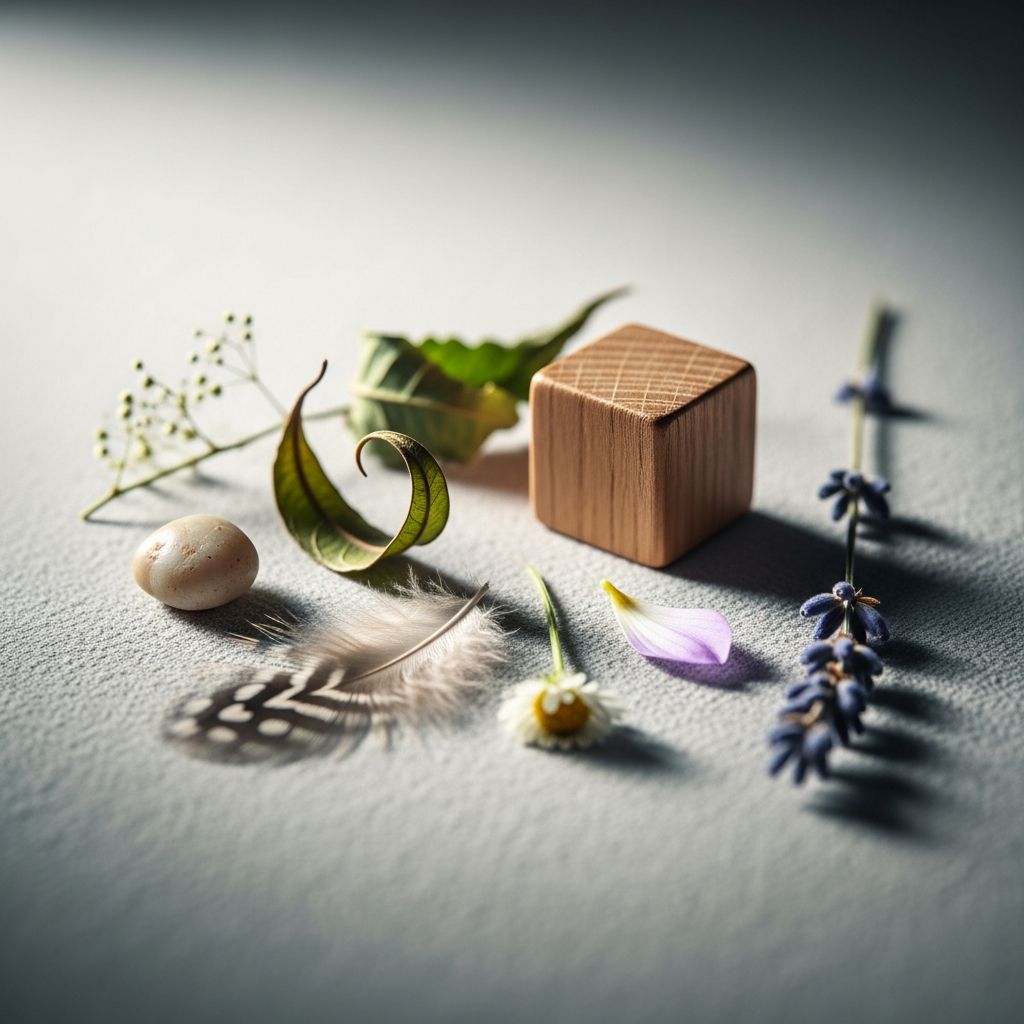
Pagan-inspired names draw on nature, myth, and ancient deities to create rich, symbolic identities for children, characters, or spiritual paths. These names often carry stories of the earth, the moon, the seasons, and old gods, making them especially attractive to families who value spirituality, ecology, and folklore.
This guide explores the ideas behind Pagan-style naming, offers example names by theme, and provides practical advice on balancing magical meaning with modern life.
What Makes a Name “Pagan-Inspired”?
Paganism is an umbrella term for a wide range of earth-honoring and polytheistic paths, from modern Wicca to reconstructed traditions such as Norse or Celtic polytheism. A Pagan-inspired name typically draws from one or more of these elements:
- Connections to nature, such as plants, animals, stones, or weather.
- Links to pre-Christian deities, heroes, and mythical places.
- References to celestial bodies, seasons, and sacred festivals.
- Words that express spiritual qualities like wisdom, courage, or renewal.
Not everyone who chooses a Pagan-style name follows a Pagan path. Some simply appreciate mythological or nature-based names, while others see them as a way to honor heritage or personal values.
Key Themes in Pagan-Inspired Names
Names drawn from Pagan traditions often cluster around a few recurring themes. Understanding these can help narrow your search and find a name that resonates with your spiritual or aesthetic goals.
1. Names Rooted in Nature
Many modern Pagans identify as nature-based practitioners, so it is no surprise that trees, animals, and landscapes are popular sources of inspiration. These names can feel timeless but still accessible in everyday life.
- Tree-based names: Rowan, Willow, Ash, Linden.
- Animal-based names: Raven, Wren, Wolf, Bear, Lynx.
- Landscape names: River, Glen, Meadow, Vale.
Nature names work especially well when you want subtle Pagan flavor without referencing a particular deity or tradition.
2. Mythological and Deity Names
Another category includes the names of gods, goddesses, legendary heroes, and sacred figures from ancient polytheistic cultures. These names often carry powerful stories and archetypes.
- Celtic-inspired: Brigid, Lugh, Niamh, Cernunnos (usually for spiritual or ritual use rather than legal names).
- Norse-inspired: Freya, Odin, Thor, Sif.
- Greco-Roman-inspired: Athena, Diana, Apollo, Gaia.
Using a deity’s name as a given name can feel intense because it invokes a specific mythic personality. Some people adapt these names, choosing softer or more modern variants to make them easier to use day-to-day.
3. Elemental and Celestial Names
Pagan traditions frequently honor the classical elements (earth, air, fire, water) and celestial cycles such as lunar phases and planetary movements. Names that echo these powers can feel both poetic and mystical.
- Element-inspired: Ember (fire), Marina (water), Terra (earth), Sky or Skye (air/sky).
- Lunar and solar: Selene, Luna, Sol, Aurora, Dawn.
- Starry names: Astra, Orion, Vega, Lyra.
These names tend to blend easily into many cultures while still carrying clear symbolic meaning.
4. Seasonal and Festival Names
Many Pagan paths mark the Wheel of the Year, a cycle of seasonal festivals. Names that reflect these holidays or the seasons themselves can honor the turning of time and the rhythm of nature.
- Seasonal names: Winter, Autumn, Summer, May.
- Festival-inspired (indirect): Rowan for spring and protection, Holly for winter, Ivy for endurance.
Even when not taken directly from festival names, these choices quietly reflect the celebrations and cycles cherished in many Pagan communities.
Sample Pagan-Inspired Names by Style
The table below organizes example names into broad style categories. It is not exhaustive, but it can spark ideas and show how different types of Pagan-flavored names might work in real life.
| Style | Example Names | General Feel |
|---|---|---|
| Soft nature names | Willow, Rowan, River, Meadow | Gentle, lyrical, earthy |
| Bold mythic names | Athena, Odin, Freya, Lugh | Strong, dramatic, story-rich |
| Elemental & celestial | Ember, Luna, Sol, Astra | Mystical, poetic, modern |
| Seasonal & festival | Autumn, Winter, May, Holly | Grounded in cycles and holidays |
| Virtue & quality | Sage, Honor, Mercy, Valor | Ethical, symbolic, spiritual |
When exploring names, think about which overall “feel” matches the person or character you have in mind. A bold, heroic name may suit some personalities, while others thrive with something quieter and more subtle.
Everyday Practicalities: Making a Magical Name Work
While meaning matters, a name also has to function in real-world settings like classrooms, workplaces, and official documents. Before settling on a Pagan-style name, consider the following practical questions.
Pronunciation and Spelling
Many mythological names come from languages whose spelling patterns are unfamiliar to modern English speakers. This can lead to constant corrections or mispronunciations, which may or may not bother you or your child.
- Say the name out loud with several people and see how easily they repeat it.
- Check common alternative spellings and decide how much you want to simplify the name.
- Think about how the name will appear on forms, IDs, and computer systems that may not handle special characters well.
Cultural and Religious Sensitivity
Some names belong to living traditions and specific cultures. It is worth taking time to learn where a name comes from, how it is used, and whether it might be considered sacred or restricted in its original setting.
- Research the culture associated with the name and pay attention to voices from that community.
- Avoid using names that practitioners identify as reserved for particular roles (for example, titles or honorifics rather than personal names).
- Consider whether you are comfortable explaining your choice if someone from that background asks about it.
Approaching names with respect helps avoid unintentional appropriation and builds bridges rather than barriers.
Balancing Legal and Spiritual Names
Many Pagan practitioners separate their legal name from their ritual or magical name. This approach can be especially helpful if you love an intense deity name but worry it would be impractical or overwhelming in daily life.
- Use a more conventional or nature-based name on legal records and reserve a deity or craft name for private practice.
- Choose a legal name that can shorten into a more obviously Pagan nickname.
- Remember that adults can legally change their names if their spiritual path evolves over time.
Tips for Creating Your Own Pagan-Inspired Name
Not every meaningful name has to come from a historical list. You can design an original name that captures your values, aesthetics, and spiritual themes, while still being easy to wear in everyday life.
1. Start With Symbols That Matter to You
Begin by listing the elements, animals, deities, or concepts that feel central to your practice or personality. This brainstorm becomes raw material for a unique name.
- Write down favorite plants, landscapes, and weather patterns.
- Note any deities, spirits, or myths that have guided you.
- Add colors, stones, or festivals that feel particularly powerful.
Patterns will often emerge, such as repeated references to water, birds, or the moon. Those patterns can shape the direction of your naming choices.
2. Blend Sounds and Meanings
Once you know the images and energies you want, play with sounds. Say combinations aloud, write down variations, and look for a balance between spirituality and usability.
- Combine a nature word with a softer ending or beginning (for example, turning “Storm” into “Astoria” or “Stormen”).
- Borrow linguistic elements you like (such as -wen, -wyn, -a, -os) without copying any specific sacred name.
- Test how the name pairs with a surname or middle name, and whether initials form anything awkward.
This creative process can also be a spiritual exercise, encouraging reflection on who you are and how you wish to grow.
3. Try the Name in Different Contexts
Before making anything official, live with the name informally. Use it in meditation, journaling, online spaces, or among trusted friends to see how it feels over time.
- Notice whether the name still feels right on good days and bad days.
- Pay attention to any emotional responses: comfort, pride, discomfort, or resistance.
- Be willing to adjust or refine the name as you learn more about yourself.
A name that grows with you is often more sustainable than one chosen in a moment of intense enthusiasm.
Frequently Asked Questions About Pagan-Inspired Names
Are Pagan-inspired names only for people who follow Pagan religions?
No. While many Pagans choose names that reflect their beliefs, nature and mythological names are used by a wide range of families and authors. The key is respect: understand where a name comes from and avoid trivializing sacred figures or living traditions.
Is it disrespectful to name a child after a deity?
Opinions vary. Some communities see deity names as appropriate only for worship or titles, while others use them freely as given names. If the name comes from a culture that is not your own, take extra care to understand that culture’s perspective and consider softer variants or related names instead of the god or goddess name itself.
Can I have both a legal name and a separate Pagan or magical name?
Yes. Many practitioners use a private name in rituals, covens, or solitary practice while keeping a different name for paperwork and professional life. This approach allows you to honor spiritual commitments while still navigating everyday systems smoothly.
How can I make sure my chosen name ages well?
Imagine the name at several life stages: child, teenager, adult, elder, and in professional settings. Names that feel whimsical for a toddler might be limiting on a résumé. Testing nicknames, middle-name options, and potential abbreviations can help the name stay flexible over time.
Do Pagan-inspired names have to be rare or unusual?
Not at all. Some nature and mythological names have become quite popular, while others remain uncommon. The goal is not rarity for its own sake but personal meaning, cultural awareness, and a sound that feels right every time it is spoken.
Bringing Meaning, Not Just Aesthetic, Into Naming
At their best, Pagan-inspired names are more than decorative. They hold stories, echo sacred symbols, and remind the bearer of their connection to earth, sky, and community. Whether you draw from a specific pantheon, choose a gentle nature name, or craft a unique combination of sounds, the most important ingredient is intentionality.
Take your time, explore different traditions with respect, and let the right name emerge through reflection rather than rush. A thoughtfully chosen Pagan-style name can become a lifelong blessing—rooted like a tree, luminous like a star, and alive with the quiet magic of meaning.