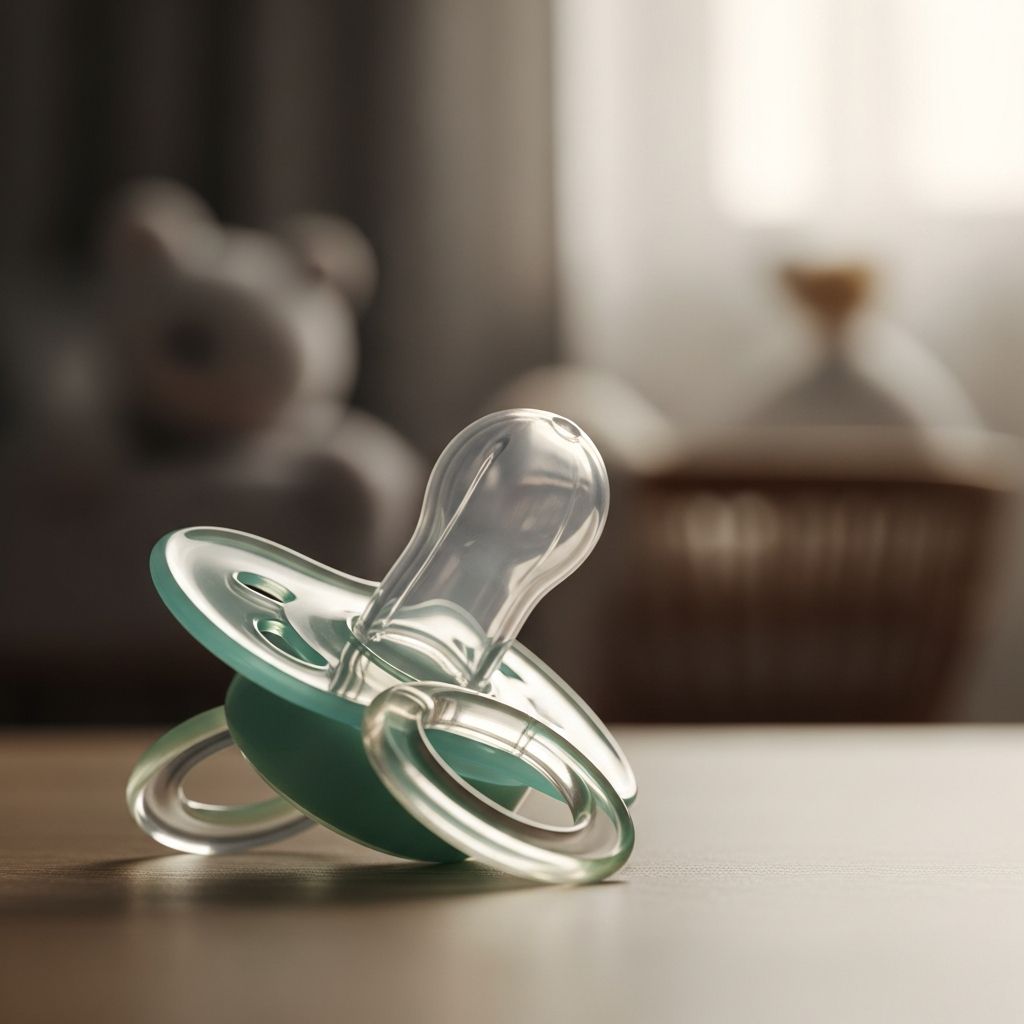
Pacifiers, those small silicone or latex wonders, have long served as a go-to tool for calming fussy infants. Yet, recent studies highlight a divide: while they offer immediate comfort and potential safety benefits, prolonged use raises concerns about oral health, speech progress, and even social perceptions among parents. This article dissects the evidence, empowering caregivers with informed decision-making.
Why Parents Turn to Pacifiers: The Appeal of Instant Comfort
From the moment a baby cries, parents seek solutions. Pacifiers satisfy the innate sucking reflex, mimicking breastfeeding’s non-nutritive aspect. This reflex, present from birth, helps babies self-soothe, promoting better sleep and reducing parental stress during those exhausting early months.
- Self-Regulation Tool: Babies use pacifiers to calm themselves, potentially lowering cortisol levels and aiding emotional regulation.
- Sleep Aid: Many infants settle faster at bedtime, leading to longer stretches of rest for the whole family.
- Portable Peace: Easy to carry, pacifiers provide on-the-go relief without constant feeding.
However, this convenience comes with caveats. Organizations like the American Academy of Pediatrics endorse pacifiers for sleep to mitigate Sudden Infant Death Syndrome (SIDS) risk, but only under specific guidelines.
Health Benefits: Pacifiers as SIDS Protectors
One of the strongest arguments for pacifiers is their role in SIDS prevention. Research shows that offering a pacifier at nap and bedtime can reduce SIDS incidence by up to 90% in healthy infants, though the exact mechanism—possibly improved airway patency—remains under study.
| Benefit | Evidence | Recommended Age |
|---|---|---|
| SIDS Risk Reduction | Observational studies link pacifier use during sleep to lower rates | Birth to 1 year |
| Soothing Effect | Activates calming neural pathways | 0-6 months |
| Short-Term Comfort | Reduces crying duration | All infancy stages |
Experts stress clean, safe use: sterilize regularly, replace every 1-2 months, and avoid coating in sweeteners.
Dental Development Concerns: When Comfort Impacts Smiles
Extended pacifier reliance can reshape developing mouths. Studies reveal children using pacifiers beyond 24 months face a 6.21 times higher risk of anterior open bite (AOB), a malocclusion where front teeth fail to meet. This stems from constant pressure altering jaw growth and tooth alignment.
- Anterior Open Bite: Prevalent in prolonged users, complicating biting and chewing.
- Overjet and Crossbite: Additional risks from uneven sucking forces.
- Parental Influence: Caregivers with high energy and self-discipline wean earlier, reducing odds (OR 1.22 and 1.18).
The World Health Organization advises against pacifiers to safeguard breastfeeding, aligning with findings that they may contribute to early weaning.
Speech and Language Hurdles Linked to Prolonged Use
Beyond teeth, pacifiers may hinder verbal milestones. Intensive use correlates with smaller vocabularies at ages 1-2, poorer cognitive scores, and even lower IQ by age 6 in heavy users up to 4 years. The mechanism? Pacifiers occupy the mouth, limiting babbling and articulation practice during critical windows (birth to 3 years).
Research notes dose-response effects: more hours daily mean greater delays. Ear infections, twice as common in users, further compound risks via fluid buildup affecting hearing and speech.
Intense daytime pacifier use worsens cognitive outcomes, underscoring the need for moderation.
Breastfeeding Challenges: A Delicate Balance
Pacifiers can confuse latch and suck patterns, potentially shortening exclusive breastfeeding duration. While not always causal, they often signal breastfeeding struggles, with observational data showing higher weaning rates among users. Mayo Clinic recommends delaying introduction until breastfeeding is established, around 3-4 weeks.
Social Stigma: The Judgment Parents Face
In parenting circles, pacifiers spark debates. New surveys indicate moms using them with toddlers endure online and in-person scrutiny, labeled as ‘lazy’ or risking ‘dental disasters.’ This pressure amplifies weaning stress, yet evidence supports individualized approaches over blanket shaming.
Supportive communities advocate balance: use for sleep/SIDS protection, wean by 2-4 years max. Parental burnout plays a role; energetic, disciplined caregivers succeed sooner.
Proven Strategies for Healthy Pacifier Weaning
Weaning doesn’t have to be traumatic. Start post-6 months, fully by 2-4 years to dodge developmental pitfalls.
- Gradual Reduction: Limit to sleep/naps first, then daytime.
- Distraction Tactics: Offer toys, songs, or cuddles during fussy moments.
- Positive Reinforcement: Praise paci-free achievements with stickers or hugs.
- Teething Aids: Chilled rings replace sucking needs.
- Professional Guidance: Dentists or pediatricians tailor plans.
Track progress with a simple journal:
| Week | Pacifier Use (Hours/Day) | Replacement Activity | Child’s Response |
|---|---|---|---|
| 1 | 4-6 | Reading books | Mild protest |
| 2 | 2-4 | Singing lullabies | Improving |
| 3 | <2 | Snuggles only | Paci-free success |
Guidelines from Trusted Health Authorities
Navigating advice:
- WHO: Avoid to protect breastfeeding.
- AAP: Promote for SIDS reduction until 1 year.
- Mayo Clinic: Delay if breastfeeding; wean by 6 months ideally.
- Pediatric Dentists: Cease by 3 years to prevent malocclusion.
Frequently Asked Questions About Pacifiers
Are pacifiers safe for newborns?
Yes, after consulting your pediatrician, especially for SIDS protection during sleep. Ensure proper fit and hygiene.
At what age should I stop pacifier use?
Aim for discontinuation by 2-4 years; earlier (under 24 months) minimizes dental/speech risks.
Do pacifiers cause dental problems?
Prolonged use (>24 months) increases malocclusion risk significantly (OR 6.21 for AOB).
Can pacifiers affect my baby’s speech?
Yes, heavy use links to delayed language and smaller vocabularies, particularly past 2 years.
How do I wean my toddler off the pacifier?
Use gradual limits, distractions, and rewards; parental consistency is key.
Empowering Parents: Making Informed Choices
Pacifiers aren’t villains or saviors—they’re tools. Weigh benefits against risks, heed developmental timelines, and tune into your child’s cues. Amid judgments, prioritize evidence: short-term use safeguards sleep safety; timely weaning preserves health. Consult professionals for personalized paths, fostering confident, thriving kids.
Ultimately, parenting thrives on balance. Pacifiers can bridge tough moments, but mindful use ensures long-term gains over fleeting ease.
References
- Impact of Parents’ Positive Attitude on the Pacifier Sucking Habit — SciELO Brazil. 2015. https://www.scielo.br/j/pboci/a/ywQXkQhFB7qBrXdkZzGyhrN/
- The effects of prolonged pacifier use on language development in infants and toddlers — Frontiers in Psychology. 2024-07-18. https://www.frontiersin.org/journals/psychology/articles/10.3389/fpsyg.2024.1349323/full
- Recommendations for the use of pacifiers — National Center for Biotechnology Information (PMC). 2009-11. https://pmc.ncbi.nlm.nih.gov/articles/PMC2791559/
- Pacifiers: Are they good for your baby? — Mayo Clinic. 2023-10-12. https://www.mayoclinic.org/healthy-lifestyle/infant-and-toddler-health/in-depth/pacifiers/art-20048140