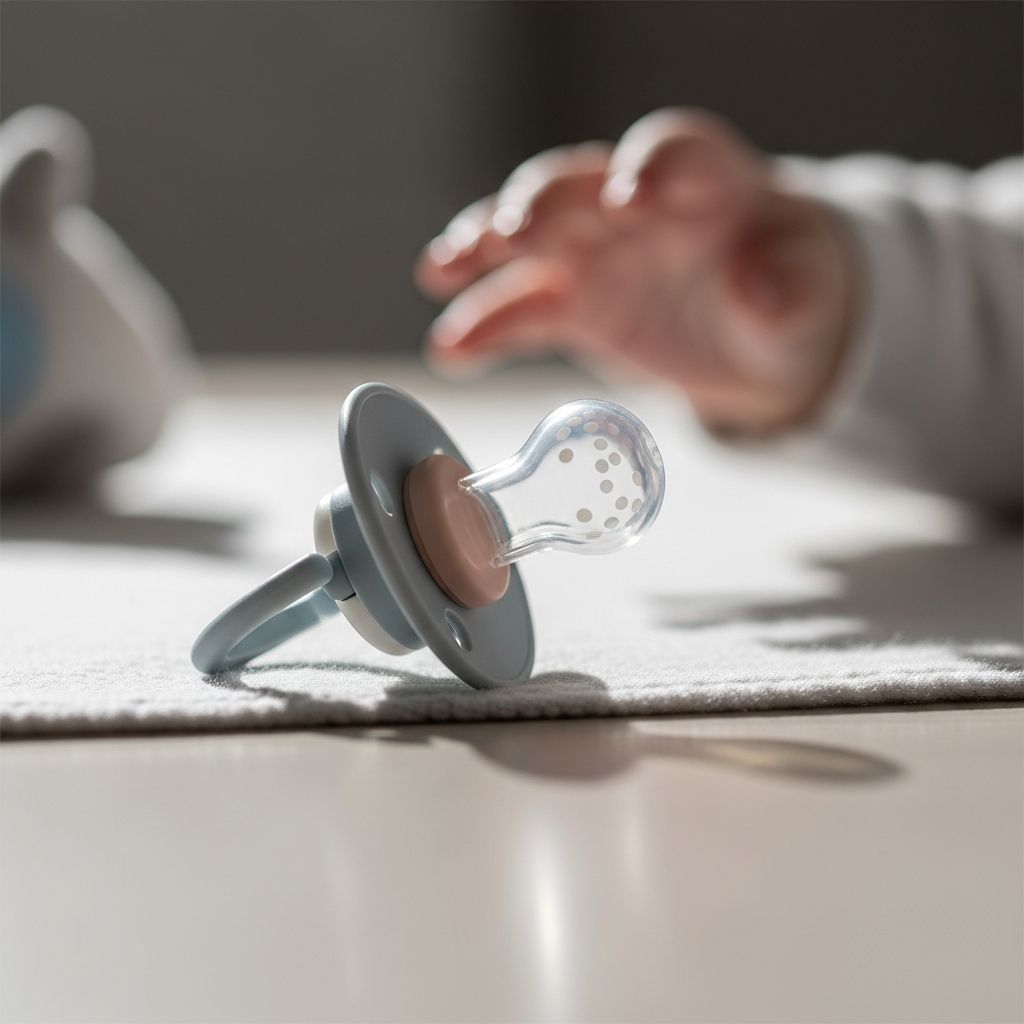
Pacifiers provide a simple way to comfort infants by satisfying their natural sucking reflex, offering parents a tool to soothe fussiness during wakeful moments or sleep transitions. Backed by pediatric research, these devices can lower certain health risks while posing others that require careful management.
Why Infants Crave Sucking and How Pacifiers Help
Newborns enter the world with a strong innate drive to suck, not just for nutrition but for self-regulation and emotional security. This non-nutritive sucking mimics the comforting rhythm of breastfeeding or bottle-feeding, helping babies navigate overwhelming sensory experiences. Pacifiers fulfill this need without calories, making them ideal for moments when a baby is content but restless.
During the early months, this sucking action promotes calmness, potentially shortening time to sleep onset. Parents often report easier bedtimes or quieter outings in public spaces, as the pacifier acts as a portable soother during routine disruptions like vaccinations or travel.
- Calming effect: Reduces crying spells by engaging the sucking reflex, aiding emotional stability.
- Sleep support: Facilitates faster drowsiness without nutritional intake.
- Developmental aid: Especially useful for preterm infants building oral motor skills.
Key Advantages: Protecting Sleep and Reducing SIDS Risk
One of the most evidence-based benefits of pacifier use is its association with decreased sudden infant death syndrome (SIDS) incidence. Multiple studies indicate that offering a pacifier at nap and bedtime correlates with lighter sleep patterns, where babies arouse more readily from deep sleep stages. This heightened awareness may prevent life-threatening breathing pauses or airway obstructions.
The American Academy of Pediatrics endorses pacifier use for SIDS prevention in the first year, particularly the initial six months when vulnerability peaks. Mechanisms include stabilized tongue position to maintain open airways and discouragement of unsafe rolling into bedding.
| Benefit | Evidence-Based Impact | Recommended Age |
|---|---|---|
| SIDS Reduction | Lower risk during sleep; promotes arousal | 0-12 months |
| Soothing Fussiness | Quick calm without feeding | Birth onward |
| Sleep Onset Aid | Faster falling asleep | Infancy |
| Oral Development | Strengthens sucking for preemies | Premature babies |
These perks make pacifiers a staple in many households, especially for night sleep safety.
Potential Drawbacks: From Infections to Dental Shifts
Despite upsides, pacifiers carry risks that escalate with prolonged or improper use. Increased middle ear infections (otitis media) top the list, as constant sucking alters Eustachian tube function, allowing bacterial migration from throat to ears. Research shows pacifier users face up to 33% higher odds, with recurrent cases potentially delaying speech milestones.
Dental misalignment emerges after age two, when extended sucking pressures emerging teeth into open bites or overjets. Early childhood caries and oral ulcers also rise due to hygiene lapses, while latex varieties may trigger allergies.
Breastfeeding families note nipple confusion risks if introduced prematurely; the pacifier’s effortless suck can deter latch efforts, shortening nursing duration.
- Ear infections: Higher post-6 months due to tube openness.
- Dental issues: Misalignment after toddler years.
- Dependency: Night wakings if dropped.
- Breastfeeding interference: Wait 2-4 weeks for establishment.
Choosing the Safest Pacifier for Your Baby
Select orthodontic shapes to minimize dental strain, opting for one-piece silicone or BPA-free designs over multi-part or rubber ones. Sizes matter: newborn (0-6 months), infant (6-18 months), and toddler (18+ months) ensure proper fit without choking hazards.
Shielded guards prevent deep insertion, and dishwashers top cleaning methods. Discard at signs of wear to avoid bacterial buildup.
| Type | Pros | Cons | Best For |
|---|---|---|---|
| Orthodontic | Dental-friendly shape | Slightly bulkier | Long-term use |
| Round Nipple | Classic comfort | Potential misalignment | Short-term soothing |
| Silicone | Durable, hypoallergenic | Costlier | Allergies prone |
| Latex | Soft texture | Allergy risk | Brief newborn phase |
Prioritize products meeting safety standards like those from the Consumer Product Safety Commission.
Best Practices for Introducing and Daily Use
Delay introduction until breastfeeding stabilizes, around 3-4 weeks, to sidestep confusion. Never substitute for hunger cues—feed first, pacify second. Safe sleep means pacifier only, no strings or clips that pose strangulation risks.
Clean rigorously: boil new ones, wash post-drop, replace monthly. Use during procedures like shots for distraction without feeding.
- Assess feeding routine first.
- Offer during calm, non-hungry times.
- Monitor for 6-month SIDS peak.
- Limit daytime to prevent over-reliance.
When and How to Wean Off Pacifiers Gently
Benefits wane after 6-12 months as SIDS risk drops; aim to phase out by 2-4 years to avert dental woes. Gradual reduction works best: shorten use periods, reserve for sleep, then dilute with praise for unaided soothing.
Tactics include “pacifier fairy” trades for toys, snipping tips for less appeal, or cold turkey post-milestones like age 2. Track progress; most toddlers self-wean by 3.
- Start at 6-12 months for sleep-only.
- Use positive reinforcement.
- Consult pediatrician for resistance.
Frequently Asked Questions (FAQs)
Can pacifiers prevent SIDS effectively?
Yes, studies link pacifier use at sleep times to reduced SIDS risk, especially under 6 months, by promoting airway patency and arousal.
Do pacifiers harm breastfeeding?
Not if delayed until nursing is routine (after 2-4 weeks); early use risks confusion, but later introduction shows no impact on duration.
At what age should pacifiers be stopped?
Ideally by age 2-4 to avoid dental issues; begin weaning around 6-12 months when SIDS protection lessens.
Are all pacifiers equally safe?
No—choose one-piece, BPA-free, orthodontic types sized for age, and inspect regularly for integrity.
Can pacifiers cause ear infections?
Yes, prolonged use increases risk by 33%, particularly after 6 months, via Eustachian tube effects.
Balancing Pacifier Use in Your Parenting Routine
Pacifiers shine as short-term allies for comfort and safety but demand vigilance against dependency and health pitfalls. Pediatricians advocate informed, limited application: leverage for SIDS-prone months, then transition to self-soothing skills. Regular check-ins ensure alignment with your baby’s unique needs.
Expand soothing repertoires early—swaddling, white noise, or rocking—to foster independence. This holistic approach maximizes pacifier upsides while minimizing downsides, supporting thriving infancy.
References
- The advantages and disadvantages of pacifier use — PubMed. 2007-10. https://pubmed.ncbi.nlm.nih.gov/17929742/
- Pacifiers: Benefits and Risks — FamilyDoctor.org. 2023-05-15. https://familydoctor.org/pacifiers-benefits-and-risks/
- Pros and Cons of Using a Pacifier — WebMD. 2024-02-10. https://www.webmd.com/baby/pros-and-cons-of-using-a-pacifier
- Pacifiers: Are they good for your baby? — Mayo Clinic. 2023-11-20. https://www.mayoclinic.org/healthy-lifestyle/infant-and-toddler-health/in-depth/pacifiers/art-20048140
- Pediatrician Explains How Pacifier Can Cause Long-term Problems — YouTube (Cleveland Clinic). 2023-08-15. https://www.youtube.com/watch?v=QBr5-W8M0ro
- Baby Pacifier Pros and Cons — Cleveland Clinic Health Essentials. 2024-01-05. https://health.clevelandclinic.org/baby-pacifier-pros-and-cons