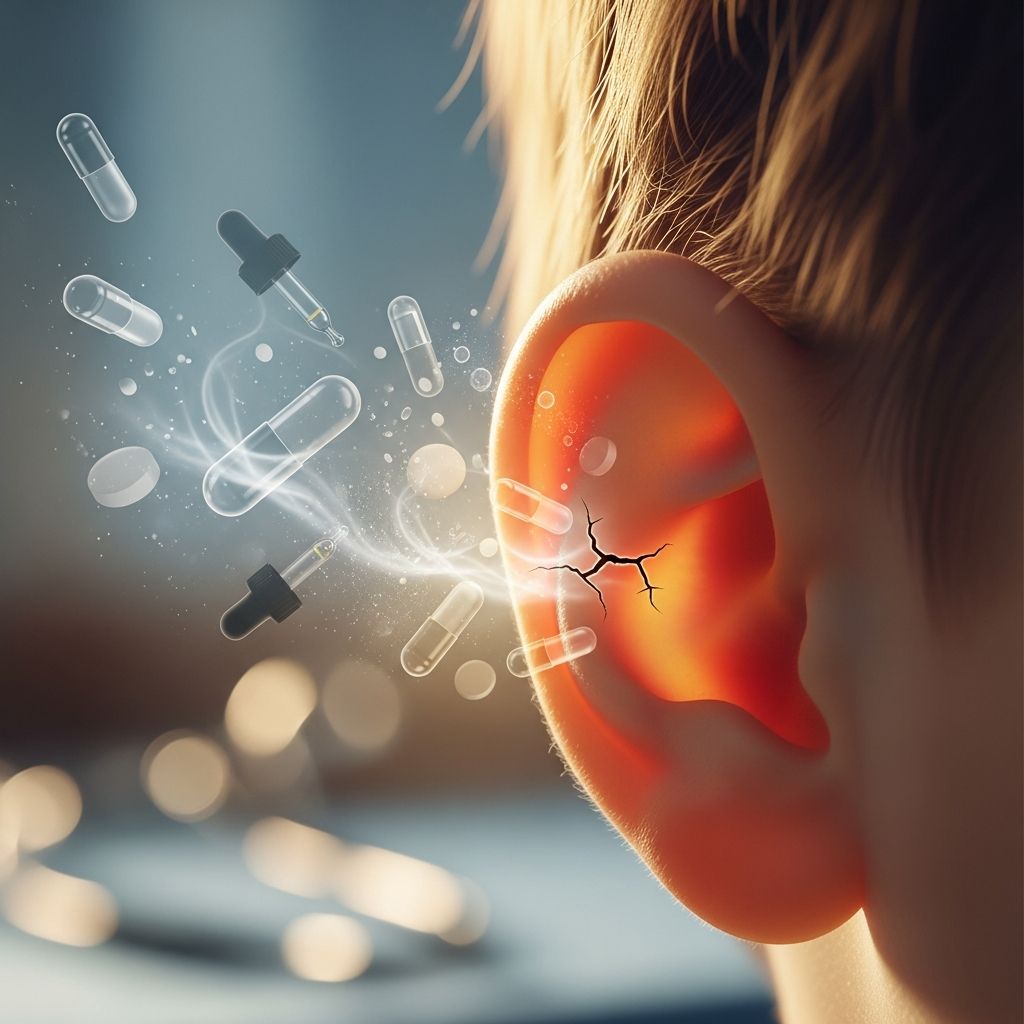
Some medicines that help children fight serious illnesses can also damage the delicate structures of the inner ear, leading to hearing or balance problems. This effect is called ototoxicity, and understanding it helps parents ask better questions, spot early warning signs, and protect their child’s hearing as much as possible.
What Is Ototoxicity?
Ototoxicity is a term doctors use when a medicine or chemical harms the inner ear, especially the parts responsible for hearing and balance. Instead of simply being a general drug side effect, ototoxicity affects the sensory cells and nerves inside the ear that send sound and movement signals to the brain.
In children, damage from ototoxicity can be temporary or permanent. Some drugs cause hearing or balance changes only while they are in the body and improve after treatment stops, while others can leave lasting hearing loss or ongoing dizziness.
Why Children’s Ears Are Vulnerable
The inner ear contains tiny hair cells and nerve pathways that are still maturing throughout childhood. When these structures are exposed to certain medicines at high doses or over long periods, they can be damaged more easily than in fully developed adults.
- Children often receive powerful drugs for infections, cancer, or serious medical conditions that carry a higher risk of ototoxicity.
- Because young kids cannot always explain what they hear or feel, early symptoms may be missed unless parents and clinicians are watching closely.
How the Inner Ear Works (In Simple Terms)
To understand ototoxicity, it helps to know what medicines are damaging. The inner ear has two main jobs: hearing and balance. While the outer and middle ear move sound toward the inner ear, the true conversion of sound and movement into brain signals happens deep inside the skull.
- Cochlea: A spiral-shaped, fluid-filled structure with rows of hair cells that respond to sound vibrations and send electrical signals to the brain.
- Vestibular system: A set of tiny canals and sacs filled with fluid and sensory cells that detect head movement and position, helping the body maintain balance.
Ototoxic substances can harm hair cells, supporting cells, or the nerves themselves. When enough cells are injured or destroyed, the ear can no longer send accurate sound or balance messages, and symptoms begin to appear.
Main Types of Ototoxic Medicines
Not every medicine that affects hearing is used in kids, and doctors usually prescribe higher-risk drugs only when the benefits clearly outweigh the risks. Still, parents should know the broad categories.
1. Certain Antibiotics
Some strong antibiotics are highly effective against severe or resistant infections but can damage the inner ear, especially at higher doses or in combination with other risky drugs.
- These medicines may be used in hospitals to treat life-threatening bacterial infections.
- Risk can be higher if a child has kidney problems or receives long treatment courses.
2. Chemotherapy Drugs
Several anti-cancer medications are known to be ototoxic, particularly some platinum-based chemotherapy drugs. They can be lifesaving but place both the cochlea and, in some cases, balance organs under stress.
- Hearing loss from some chemotherapy drugs may be permanent, especially at higher cumulative doses.
- Children treated for cancer may need regular hearing tests before, during, and after therapy.
3. High-Dose Pain Relievers and Fever Medicines
Common pain or fever medicines rarely cause permanent damage when used as directed. However, when taken at very high doses or for long periods, some of these drugs can lead to temporary ringing in the ears or hearing changes.
- Parents should avoid giving more than the recommended dose or combining multiple products containing the same active ingredient.
- Any sudden ear ringing or hearing change while a child is on high-dose pain medicine should be reported to a doctor promptly.
4. Diuretics and Other Specialized Medicines
Medicines that help the body get rid of extra fluid (diuretics) and certain drugs used for heart, kidney, or malaria treatment can sometimes affect the inner ear. These medicines usually have clear medical reasons for use, and doctors weigh risks carefully.
- Hearing or balance side effects from some of these drugs may improve after treatment stops.
- Risk may increase when such medicines are combined with other ototoxic drugs.
5. Environmental and Household Chemicals
Ototoxicity is not limited to prescribed medicines. Certain industrial chemicals, heavy metals, and solvents can also damage hearing, especially with prolonged exposure or in combination with loud noise.
- Children living near industrial sites, working on farms, or exposed to strong cleaning agents or fuels may face extra risk.
- Proper storage and supervision of household chemicals are essential to reduce accidental exposure.
Common Symptoms of Ototoxicity in Children
Signs of ototoxicity can be subtle at first and may be mistaken for inattention, behavioral changes, or clumsiness. Symptoms may affect hearing, balance, or both.
Hearing-Related Symptoms
- Frequently asking “What?” or needing things repeated.
- Turning up the TV, tablet, or music volume higher than before.
- Seeming to hear better in one ear than the other.
- Ringing, buzzing, or hissing sounds in the ears (tinnitus).
- Not responding when called from another room, especially in noisy environments.
Balance and Movement Symptoms
- Unsteady walking, frequent falls, or appearing unusually clumsy.
- Complaints of dizziness, spinning sensations, or feeling like the room is moving.
- Nausea or vomiting that does not match a typical stomach illness.
- Difficulty focusing or tracking objects, especially when moving.
Behavior and School Performance Changes
- Trouble paying attention in class or at home due to difficulty hearing instructions.
- Frustration, irritability, or withdrawal during conversations or group activities.
- Drop in school performance, especially in language-heavy subjects.
Ototoxicity at a Glance: Key Facts Table
| Aspect | Details |
|---|---|
| What it affects | Inner ear hearing cells (cochlea) and balance organs (vestibular system). |
| Main triggers | Certain antibiotics, chemotherapy drugs, high-dose pain relievers, diuretics, and some chemicals. |
| Possible outcomes | Temporary or permanent hearing loss, tinnitus, dizziness, or balance problems. |
| Onset of symptoms | Sometimes during treatment, other times days, weeks, or even months later. |
| Monitoring tools | Hearing tests (audiograms), balance assessments, and regular clinical checkups. |
Which Children Are at Higher Risk?
Not every child who receives an ototoxic medicine will develop hearing or balance problems. Certain factors can raise the chance of damage and help doctors decide how closely to monitor a child.
- Pre-existing hearing loss or family history of early hearing problems.
- Kidney or liver disease, which can slow drug clearance and increase inner ear exposure.
- High total doses, long treatment durations, or repeated treatment courses.
- Use of more than one ototoxic drug at the same time.
- Exposure to loud noise, such as music played very loudly through headphones.
How Doctors Detect Ototoxicity
There is no single quick test that announces “ototoxicity.” Instead, clinicians combine a careful history, physical examination, and several types of hearing and balance assessments. Early testing before treatment begins creates a baseline to compare later results.
- Hearing tests (audiologic evaluations): These measure how soft a sound a child can hear at different pitches and may also evaluate how well the inner ear hair cells are functioning.
- Balance evaluations: Depending on age and symptoms, tests may look at eye movements, posture, and responses to changes in head position.
- Ongoing monitoring: For high-risk medicines, hearing checks may be repeated regularly during and after treatment.
Treatment Options When Ototoxicity Occurs
Once inner ear cells are significantly damaged, they usually do not grow back. This means treatment often focuses on preventing further decline and helping a child adapt to changes rather than fully reversing the damage.
- Adjusting or changing the medicine: If possible, doctors may reduce the dose, change how often it is given, or switch to a less ototoxic alternative.
- Hearing support: Depending on the severity of loss, children may benefit from hearing aids, classroom sound systems, or in some cases, cochlear implants.
- Balance rehabilitation: Physical or vestibular therapy can help a child relearn balance strategies and reduce falls or dizziness.
- Educational and speech support: Early involvement of teachers, speech-language pathologists, and special educators helps a child keep up with communication and learning.
Everyday Ways Parents Can Help Protect Hearing
While parents cannot control every medical decision, there are practical steps that can lower the chance or impact of ototoxicity. These actions also support healthy ears in general.
- Use all medicines exactly as prescribed and avoid extra doses unless approved by a doctor.
- Tell health professionals about all drugs, vitamins, and herbal products your child is taking.
- Limit your child’s exposure to loud noises and encourage use of ear protection in noisy environments.
- Store household chemicals safely and supervise any use of strong cleaners, fuels, or solvents.
- Schedule regular hearing checks for children who receive high-risk medicines, even if they seem to hear well.
Questions to Ask Your Child’s Doctor
Open communication with health professionals is one of the strongest tools parents have. Asking targeted questions can clarify the actual risk and highlight options for monitoring and protection.
- “Is this medicine known to affect hearing or balance in children?”
- “Are there equally effective alternatives with a lower risk to the ears?”
- “How will we monitor my child’s hearing and balance during treatment?”
- “What symptoms should I watch for at home, and when should I call you?”
- “If hearing changes are detected, how will that change my child’s treatment plan?”
Living With Hearing or Balance Changes
Even with the best precautions, some children will experience ototoxic hearing loss or dizziness. Families may feel overwhelmed at first, especially when also coping with a serious illness that required the medicine in the first place.
- Emotional support: Counseling or support groups for parents and children can help process fear, guilt, or frustration about side effects.
- Team approach: Audiologists, ear, nose, and throat specialists, physical therapists, teachers, and social workers each add important pieces to a child’s care.
- Assistive technology: Captioning, remote microphones, vibrating alarms, and other devices help children stay independent at home and school.
Practical Communication Tips for Families
Clear communication strategies at home and school can make a major difference for a child with hearing or balance challenges linked to ototoxicity. Small environmental changes often reduce daily frustration.
- Get your child’s attention before speaking and face them so they can see your lips and expressions.
- Reduce background noise (TV, music, fans) during important conversations.
- Ask teachers to provide written instructions or summaries of key points.
- Encourage your child to speak up when they cannot hear or need repetition.
FAQs About Ototoxicity in Children
1. Can ototoxicity be completely prevented?
Not always. When powerful medicines are necessary to treat life-threatening illnesses, some risk to the ears may be unavoidable. However, careful dosing, regular hearing tests, and choosing the least ototoxic options available can greatly reduce the chance and severity of problems.
2. Will my child’s hearing return to normal after stopping the medicine?
It depends on the type of drug, how long it was used, and how much damage occurred. Some medicines cause temporary changes that improve over time, while others may lead to permanent loss. Audiologists and ear specialists can help estimate the likely course after testing your child.
3. How soon can ototoxic symptoms appear?
Symptoms may develop during treatment, shortly after it begins, or in some cases weeks or months later. Because of this delay, children who have finished therapy but start showing new hearing or balance issues should still be evaluated for possible ototoxicity.
4. Should I stop my child’s medicine if I suspect ear problems?
Never stop a prescribed medicine suddenly without speaking to a health professional, especially if it is treating a serious condition. Instead, call your child’s doctor immediately, describe the changes you see, and ask whether an urgent hearing test or medication adjustment is needed.
5. Are over-the-counter medicines safe for my child’s ears?
Most over-the-counter medicines are safe for the ears when used at the correct dose and for short periods. Problems typically arise from high doses, extended use, or combining multiple products containing the same active ingredient. Always follow dosing instructions and ask a pharmacist or doctor if unsure.
Key Takeaways for Parents
Ototoxicity is a serious but manageable risk of some medicines and chemicals that can affect a child’s hearing and balance. Parents who understand the basics can recognize early warning signs, advocate for appropriate monitoring, and support their child if changes occur.
- Know which medicines carry higher ear-related risks and why your child needs them.
- Watch for subtle changes in hearing, balance, or school performance during and after treatment.
- Partner with doctors, audiologists, and educators to protect and support your child’s communication and development.
With informed choices, close follow-up, and prompt response to symptoms, families can help safeguard a child’s hearing while still ensuring that serious medical conditions receive the best available treatment.