Bone infections, known medically as osteomyelitis, represent a significant health concern for children, where infectious agents like bacteria infiltrate the bone tissue, leading to inflammation and potential complications if not addressed promptly. This condition demands swift parental awareness and medical intervention to safeguard a child’s skeletal health and overall well-being.
Recognizing the Signs of Bone Infection in Kids
Early detection hinges on parents noting subtle yet critical changes in their child’s behavior and physical state. Children with osteomyelitis often exhibit intense discomfort localized to the affected bone, which may manifest as reluctance to bear weight on a limb or constant crying in younger infants unable to verbalize pain.
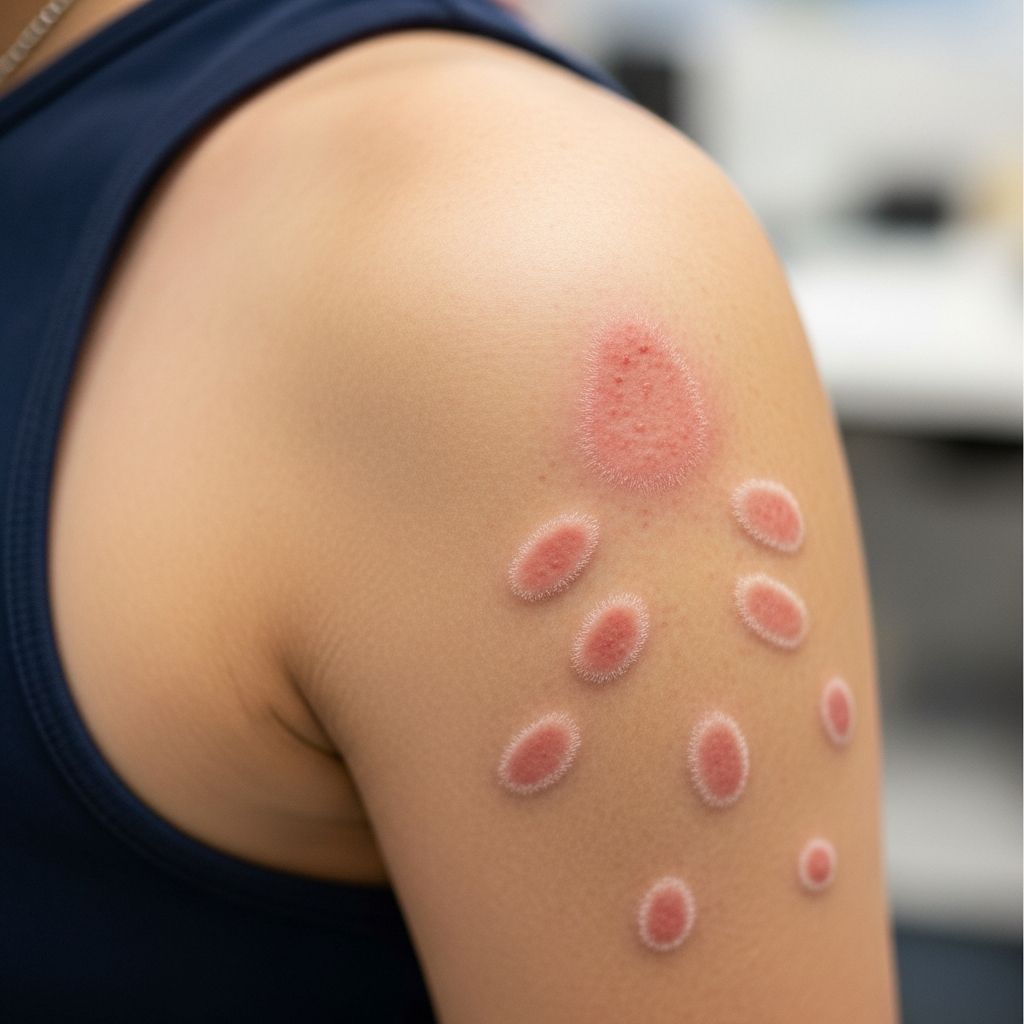
Systemic indicators such as elevated body temperature, night sweats, and chills frequently accompany the local symptoms, signaling the body’s battle against the invading pathogens. Swelling, warmth, and redness around the infection site further highlight the inflammatory response, though these may be less visible on darker skin tones.
- Fever spikes: Often exceeding 101°F, persisting despite fever reducers.
- Lethargy: Unusual tiredness or irritability, even in playful toddlers.
- Limping or guarding: Protecting the sore area, common in leg infections.
- Pus drainage: From open wounds or new skin openings in advanced cases.
In neonates and infants, symptoms might be nonspecific, including poor feeding and excessive fussiness, underscoring the need for vigilance post-injury or illness.
Types of Osteomyelitis Affecting Young Ones
Osteomyelitis in children primarily presents in acute or chronic forms, with the acute variant being more prevalent due to rapid bacterial spread via bloodstream. Acute cases evolve quickly, often within days, triggered by hematogenous seeding where bacteria from distant infections travel through blood to settle in nutrient-rich bone ends.
Chronic osteomyelitis emerges if initial treatment falters, leading to persistent low-grade infection, bone necrosis, and sinus tract formation for pus expulsion. Vertebral involvement, rarer in kids, ties to adjacent discitis, while contiguous spread occurs post-trauma or surgery.
| Type | Key Features in Children | Common Sites |
|---|---|---|
| Acute Hematogenous | Sudden fever, limb pain; peaks in school-age kids | Long bones (femur, tibia) |
| Chronic | Recurrent pain, drainage; follows untreated acute | Same as acute, plus spine |
| Contiguous | Post-injury/surgery; slower onset | Fracture sites, surgical areas |
Distinguishing these aids tailored management, as chronic forms may necessitate surgical debridement.
Risk Factors Making Children Vulnerable
Certain conditions heighten susceptibility, particularly in immunocompromised youth. Sickle cell disease disrupts blood flow, fostering bacterial lodgment in bones. Diabetes, though less common in kids, and IV therapies introduce risks via catheters.
Recent traumas, like fractures piercing skin, or orthopedic hardware provide direct pathogen entry points. Intravenous drug use, rare in children, mirrors adult risks but stems from medical lines. Poor circulation from congenital issues or malnutrition further predisposes.
- Recent viral illnesses weakening immunity.
- Prosthetic devices or joint replacements in pediatric orthopedics.
- Chronic skin conditions leading to open sores.
Staphylococcus aureus dominates as the culprit bacterium, thriving on skin and exploiting minor breaches.
How Bone Infections Develop in Growing Bodies
The pathogenesis begins when microbes bypass defenses, often via bloodstream bacteremia from respiratory or skin sources, targeting metaphyseal regions abundant in blood vessels. There, slowed circulation allows adhesion, triggering pus formation and pressure buildup that compromises bone vitality.
In children, rapid growth amplifies spread potential, with inflammation eroding healthy tissue if unchecked. Fungal agents, though rarer, pose threats in prolonged antibiotic exposure or endemic areas.
Diagnostic Approaches for Confirming Infection
Physicians initiate with thorough history and exam, probing injury history or fevers. Blood tests reveal elevated white cells, C-reactive protein, and erythrocyte sedimentation rate, hallmarks of inflammation.
Imaging escalates: X-rays detect late bone changes, while MRI excels in early soft tissue and marrow visualization. Bone scans or ultrasounds supplement, and ultimate confirmation via biopsy cultures identifies the pathogen for targeted therapy.
- Blood cultures to catch circulating bacteria.
- Advanced MRI for precise lesion mapping.
- Surgical sampling if response lags.
Treatment Strategies to Combat Bone Infections
Intravenous antibiotics spearhead acute management, typically 4-6 weeks, guided by culture sensitivities, with staph coverage paramount. Hospitalization ensures compliance, transitioning to oral agents post-stabilization.
Surgical intervention clears abscesses, necrotic bone (sequestra), and foreign materials, preventing chronicity. Pain control, hydration, and rest support recovery, with physical therapy restoring mobility.
Chronic cases demand multidisciplinary care: prolonged antibiotics, hyperbarics for recalcitrant infections, and reconstruction.
Potential Complications and Long-Term Outlook
Untreated, osteomyelitis risks growth plate damage, limb deformities, and sepsis. Chronic progression invites amyloidosis or squamous cell carcinoma rarely.
With prompt care, most children recover fully, resuming activities within months. Monitoring via follow-up labs and imaging ensures eradication. Growth disturbances warrant orthopedic follow-up.
Steps Parents Can Take for Prevention
Vigilance post-injuries: clean wounds meticulously, seek care for non-healing sores. Vaccinations against pneumococcus and Haemophilus curb bloodstream sources.
Manage chronic conditions diligently, ensure sterile IV practices, and promote nutrition bolstering immunity. Early fever evaluation in at-risk kids averts escalation.
Navigating Recovery at Home
Post-discharge, adhere to antibiotic schedules, watch for recurrence signs like renewed pain. Gradual mobilization prevents stiffness, with school accommodations as needed.
Nutritional support via calcium-rich diets aids bone repair. Emotional reassurance counters anxiety from immobility.
Frequently Asked Questions (FAQs)
Q: How quickly does osteomyelitis progress in children?
A: Acute forms can worsen within days, emphasizing urgent medical attention for persistent fever and limb pain.
Q: Can osteomyelitis resolve without antibiotics?
A: No, antimicrobial therapy is essential; supportive care alone risks chronic disease and bone destruction.
Q: What role does surgery play in treatment?
A: Surgery removes infected tissue and pus, crucial in 20-30% of pediatric cases unresponsive to meds.
Q: Is osteomyelitis contagious?
A: No, it spreads internally via blood or local extension, not person-to-person.
Q: How long until a child can return to sports?
A: Typically 3-6 months post-treatment, guided by imaging clearance and physician approval.
References
- Osteomyelitis: Symptoms & Causes — NewYork-Presbyterian. 2023. https://www.nyp.org/orthopedics/osteomyelitis
- Osteomyelitis | Diagnosis & Disease Information — Infectious Disease Advisor. 2024. https://www.infectiousdiseaseadvisor.com/ddi/osteomyelitis/
- Osteomyelitis | Bone Infection Symptoms, Causes, Treatment — National Organization for Rare Disorders. 2023. https://rarediseases.org/rare-diseases/osteomyelitis/
- Osteomyelitis – StatPearls — NCBI Bookshelf, NIH. 2023-10-25. https://www.ncbi.nlm.nih.gov/books/NBK532250/
- Osteomyelitis — Penn Medicine. 2024. https://www.pennmedicine.org/conditions/osteomyelitis
- Osteomyelitis — NHS. 2023-11-20. https://www.nhs.uk/conditions/osteomyelitis/
- Osteomyelitis – Symptoms and causes — Mayo Clinic. 2024. https://www.mayoclinic.org/diseases-conditions/osteomyelitis/symptoms-causes/syc-20375913